




Mexico's World Cup Lifeline: Strategic Triumph in 2026 Tournament Pathway
- Home Advantage and Expanded Tournament Format Offer Unprecedented Opportunity for El Tri's Resurgence
Overview
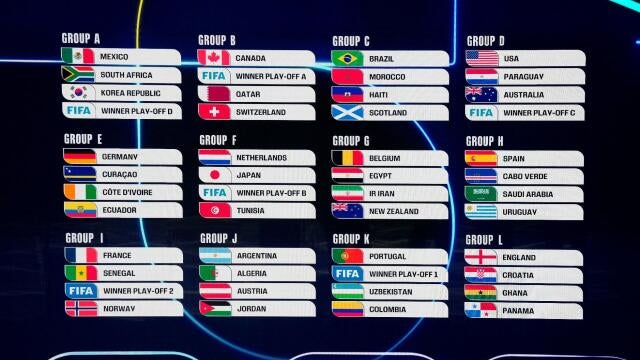
The 2026 FIFA World Cup group stage draw represents a pivotal moment of strategic redemption for Mexico's national football team (El Tri), transforming a recent six-game winless streak into a potential tournament breakthrough. By securing a remarkably favorable draw that leverages home-field advantage and the expanded 48-team tournament format, Mexico has engineered a nuanced pathway to potentially redefine its international football narrative.
Strategic Home Advantage emerges as the cornerstone of Mexico's tournament strategy. Hosting all three group stage matches across iconic stadiums—beginning with the historic Estadio Azteca in Mexico City—provides a multilayered competitive edge. The altitude, familiar terrain, and passionate home crowd create a psychological and physiological advantage that could transform Mexico's tournament trajectory. Notably, the Estadio Azteca will make history by becoming the first stadium to host three World Cup opening games, symbolizing both architectural significance and national sporting pride.
The tournament's expanded format offers Mexico an unprecedented opportunity, potentially allowing the team to play five games in a single World Cup—a historic first. While not considered a top tournament favorite, the draw presents a strategically manageable group featuring South Africa (considered the weakest team in Pot 3) and a potential second-tier European opponent. Manager Javier Aguirre sees this draw as a critical turning point, recognizing that the group stage opponents provide a realistic pathway to the round of 16.
Key strategic considerations include meticulously preparing for South Africa's qualifying performance, analyzing recent friendly match dynamics with South Korea, and strategically leveraging the home advantage across different stadiums. The draw transforms Mexico's tournament narrative from potential disappointment to a calculated opportunity for international redemption.
For Mexican football, this represents more than a tournament draw—it's a potential inflection point. By converting home advantage into a strategic weapon and embracing the expanded tournament format, El Tri could rewrite its international football story, turning recent setbacks into a compelling narrative of resilience and strategic innovation.
Questions 4
How significant is Mexico's home-field advantage in the 2026 World Cup?
Mexico's home-field advantage is extraordinarily strategic, with all three group stage matches hosted in familiar stadiums. The Estadio Azteca's altitude and home crowd provide a substantial psychological and physiological edge, potentially transforming the team's tournament performance.
What makes the 2026 World Cup format different for Mexico?
The expanded 48-team format offers Mexico a unique opportunity to potentially play five games in a single World Cup—a historic first for the national team. This format provides a more accessible pathway to progress compared to previous tournament structures.