



Middle East Military Escalation Threatens Global Shipping Routes | Cross-Border Sellers Face Supply Chain Risk
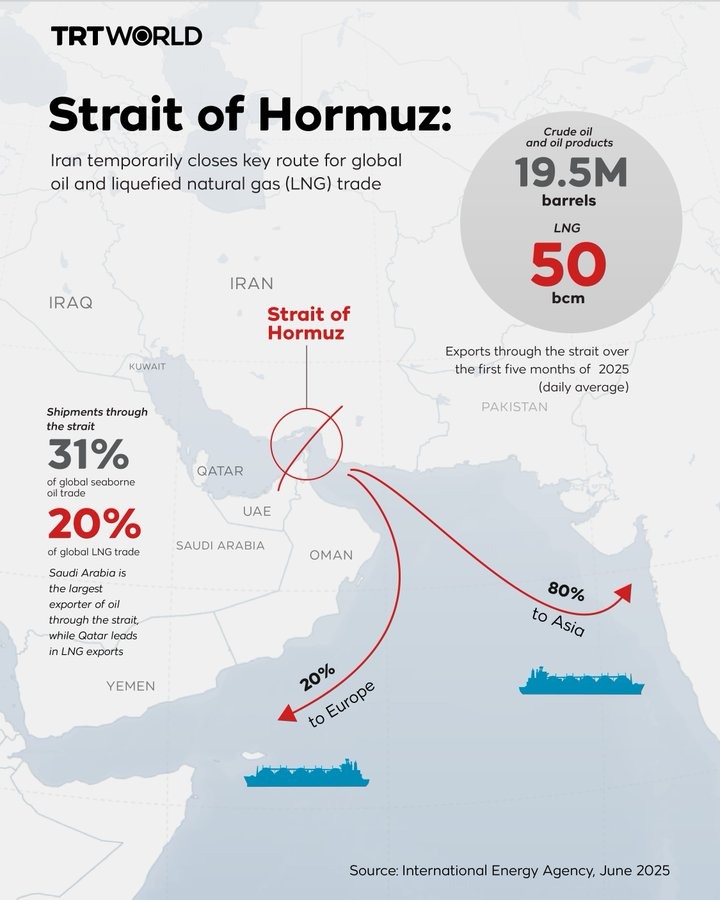
- Potential Iran strikes could disrupt Strait of Hormuz shipping corridor affecting 21% of global oil trade and critical e-commerce logistics networks







)









Overview
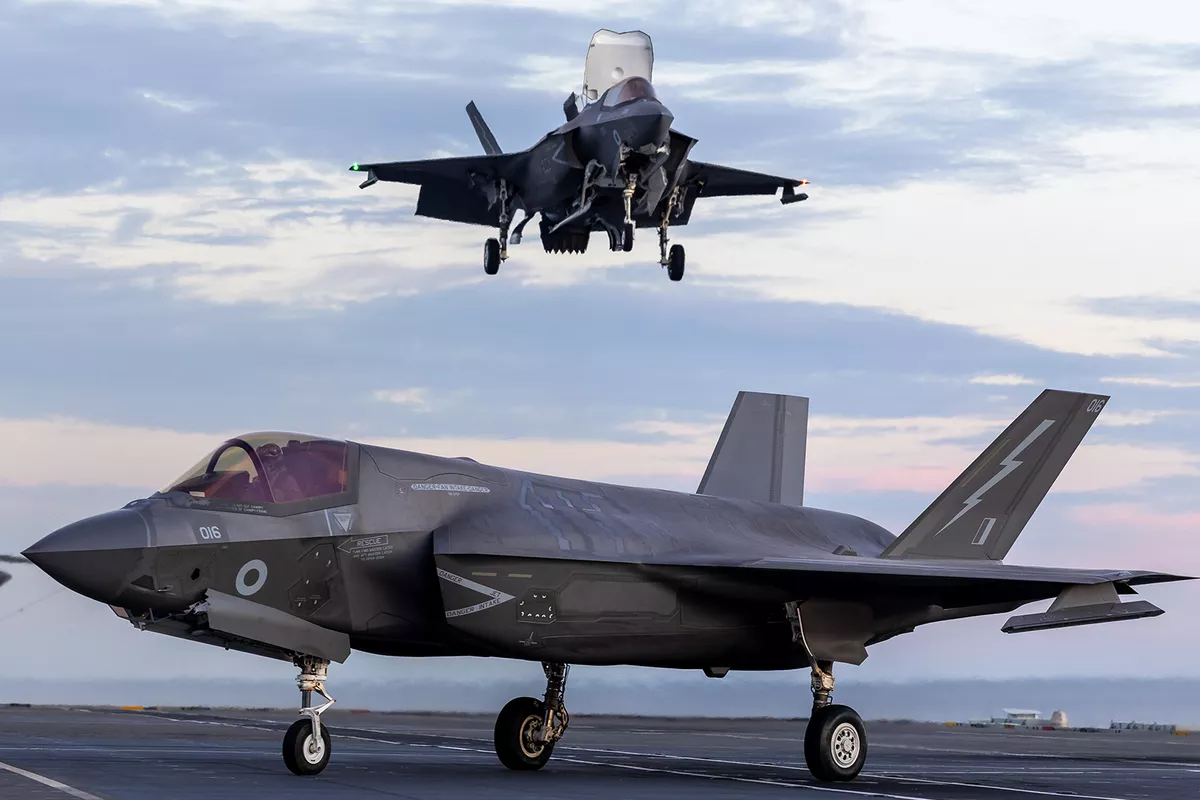
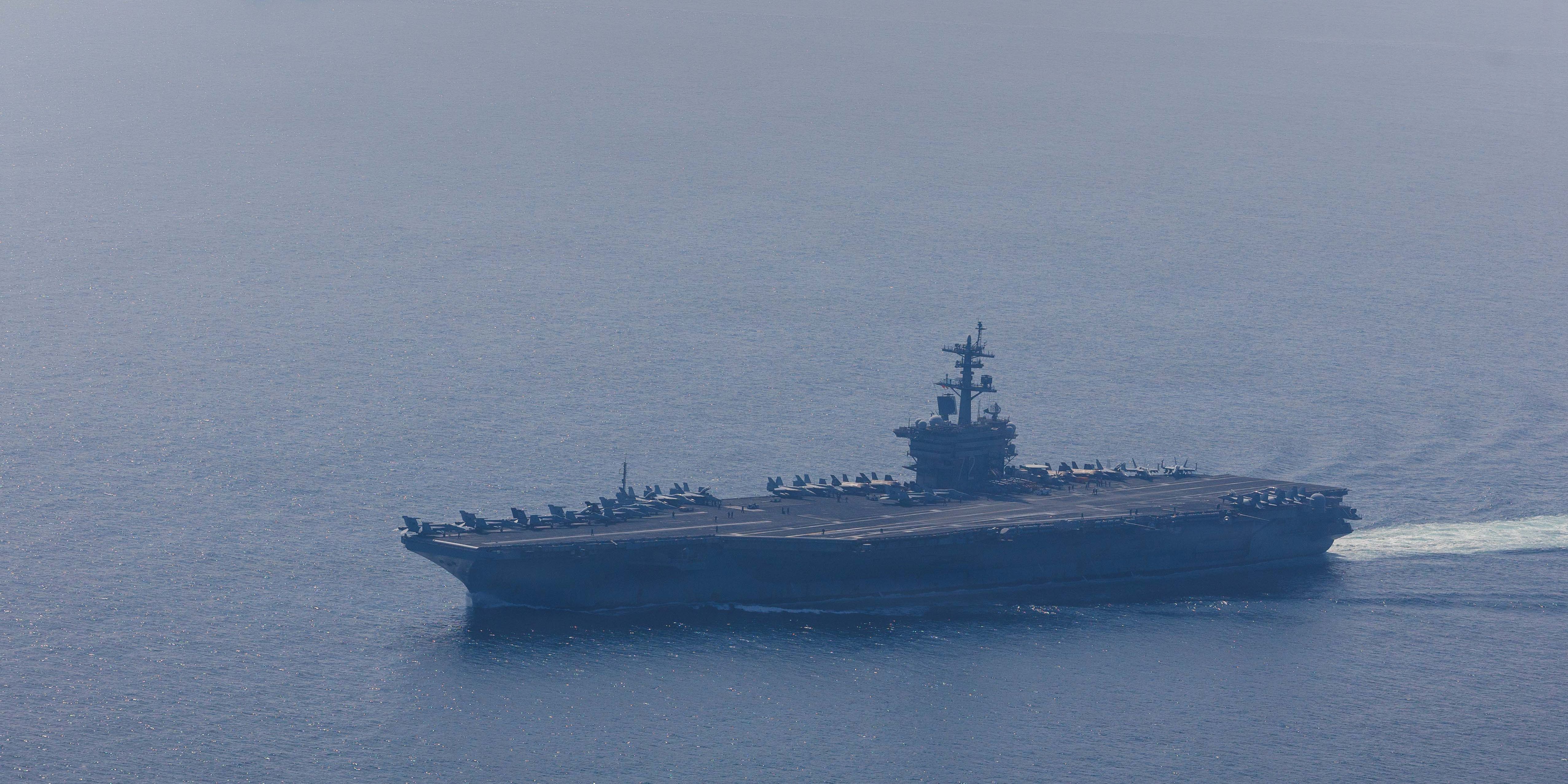
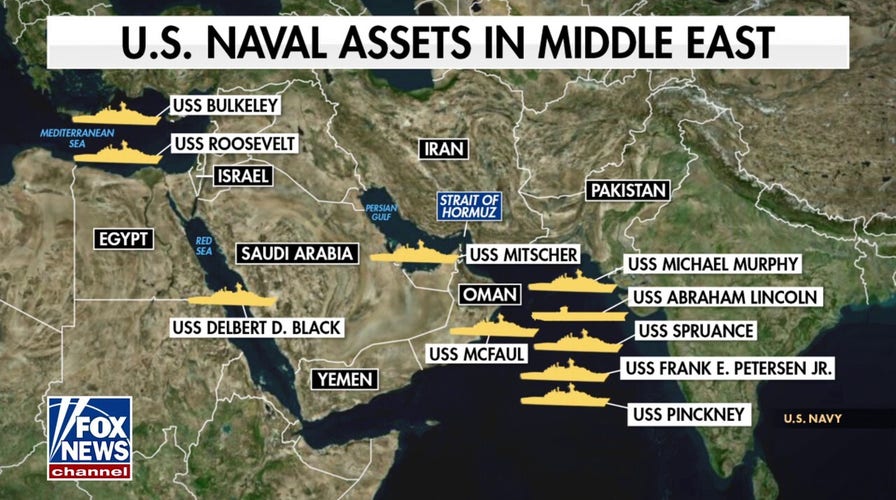
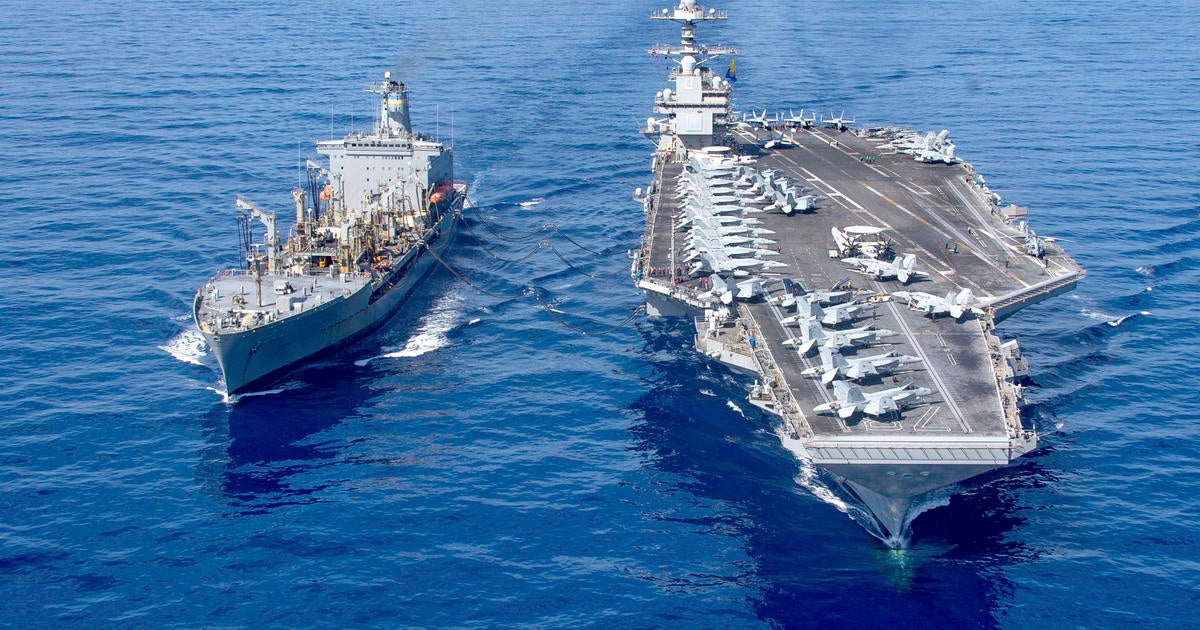
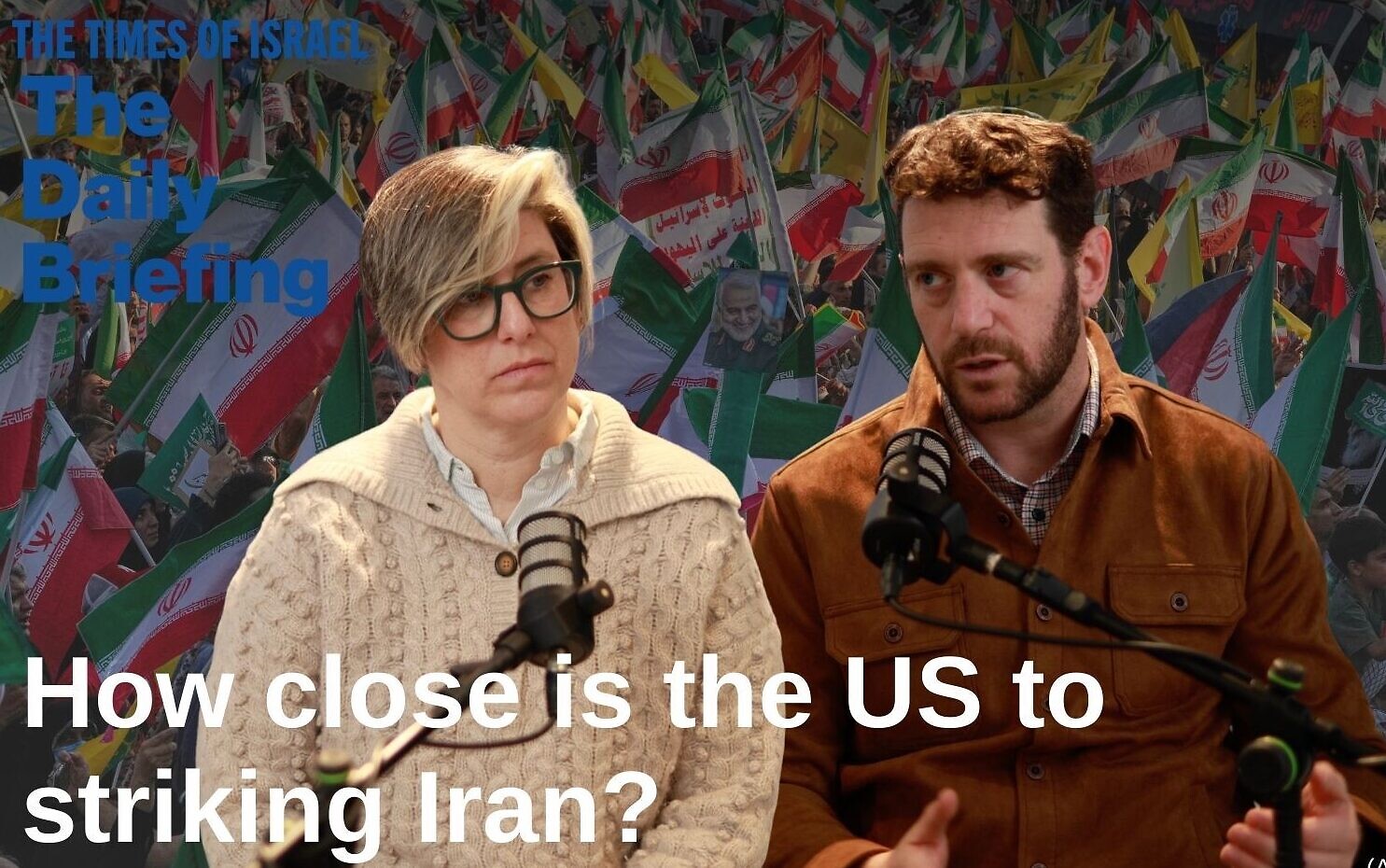
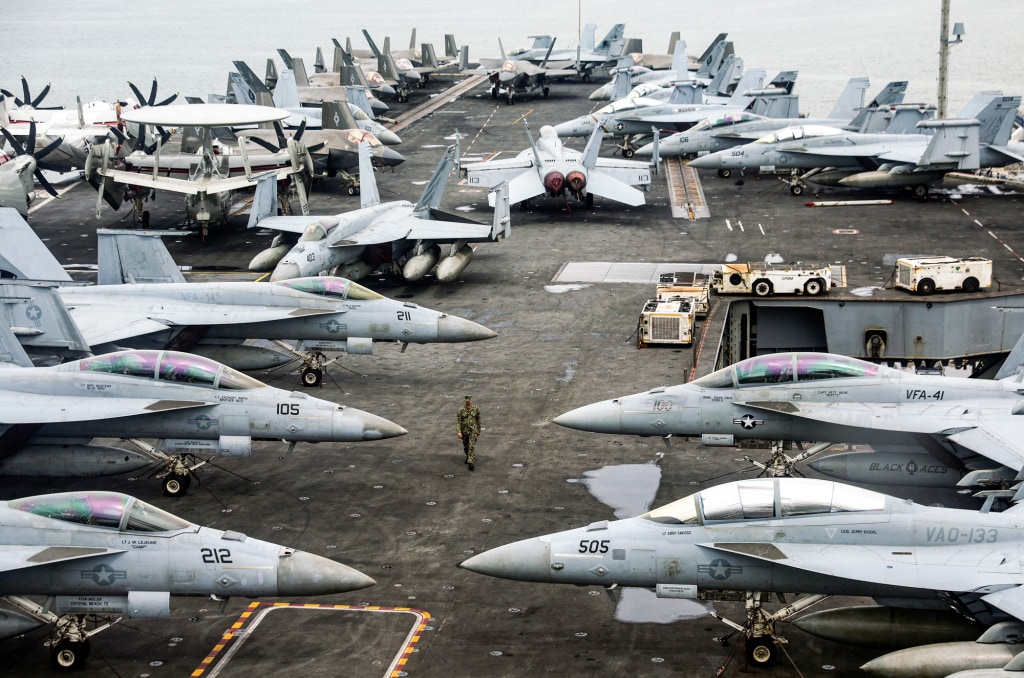
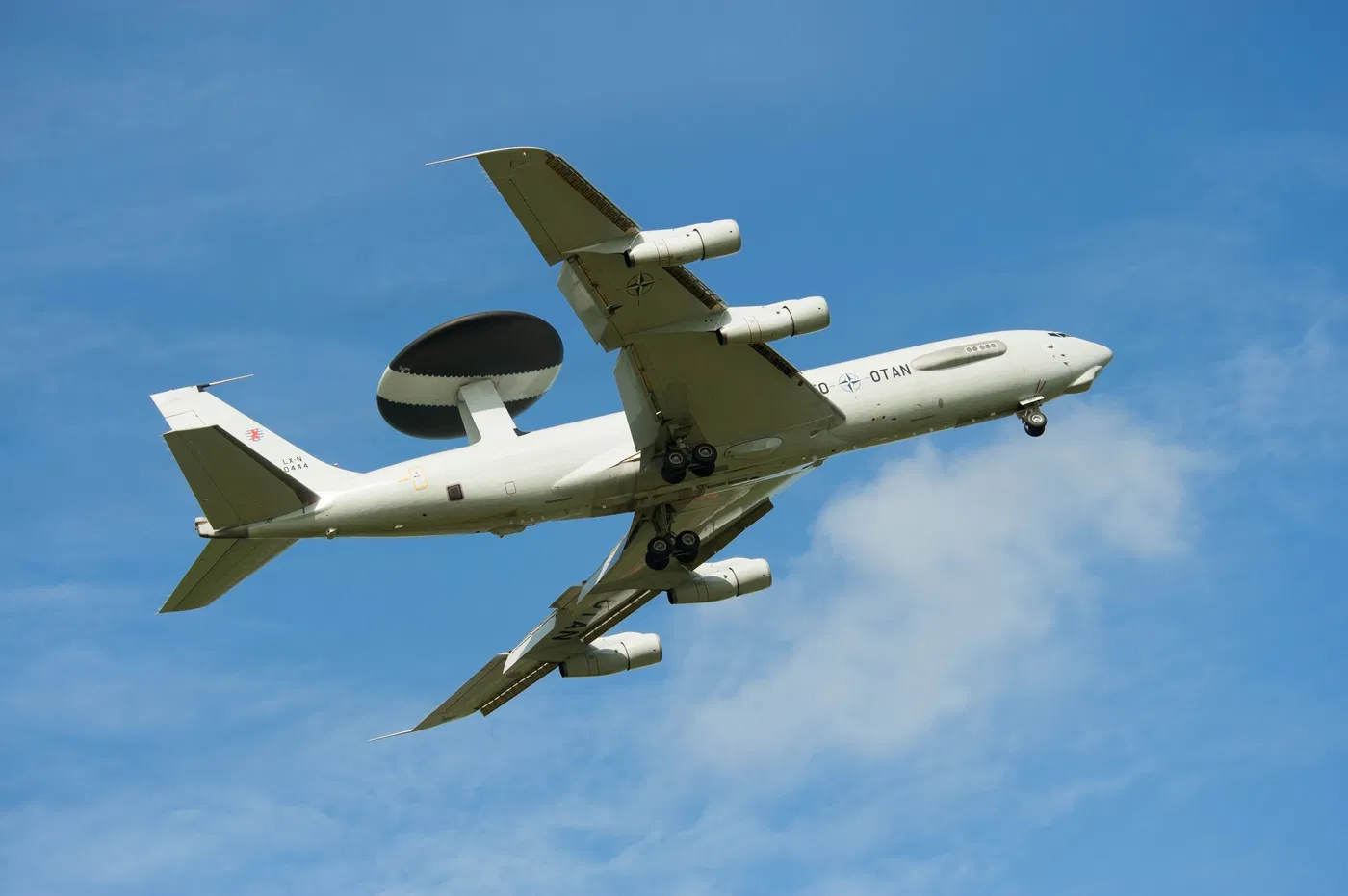
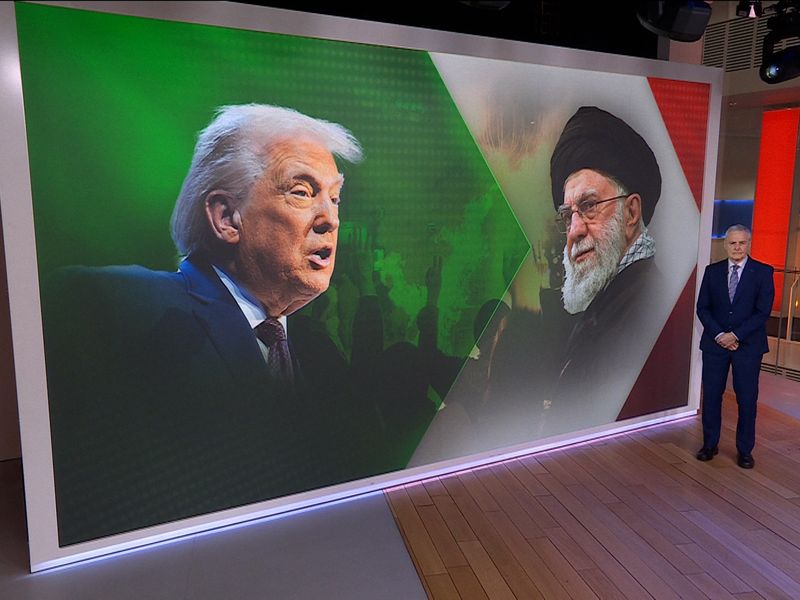
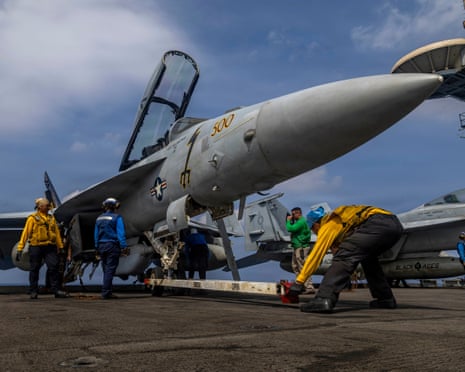
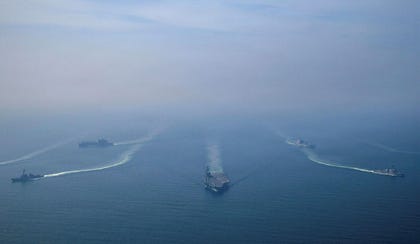
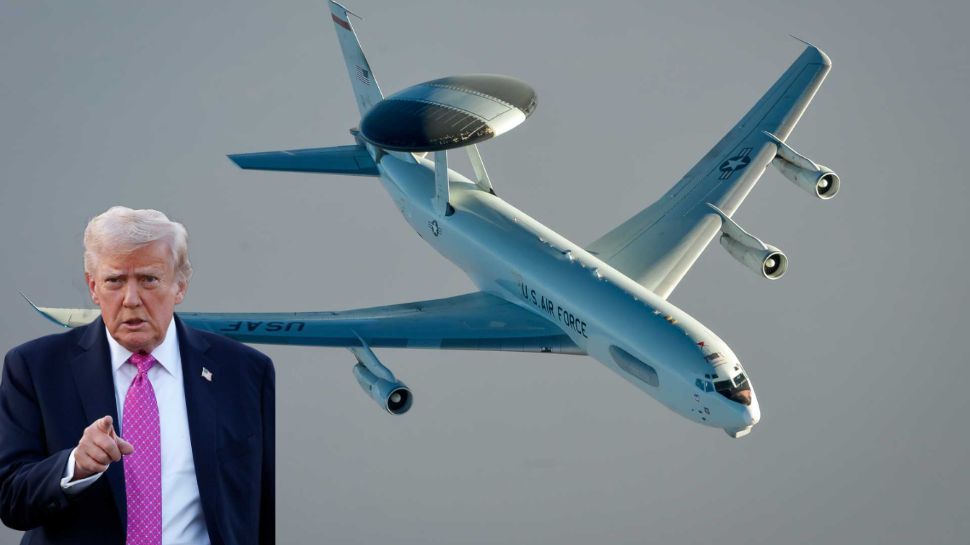
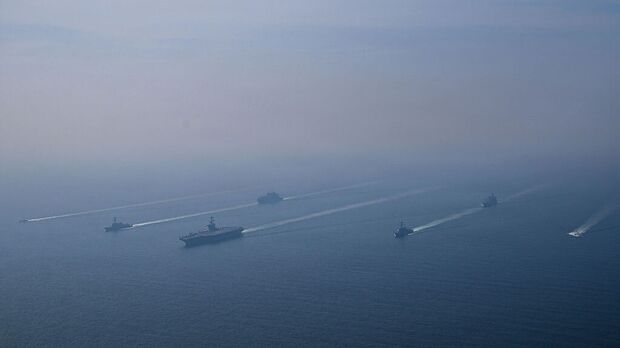
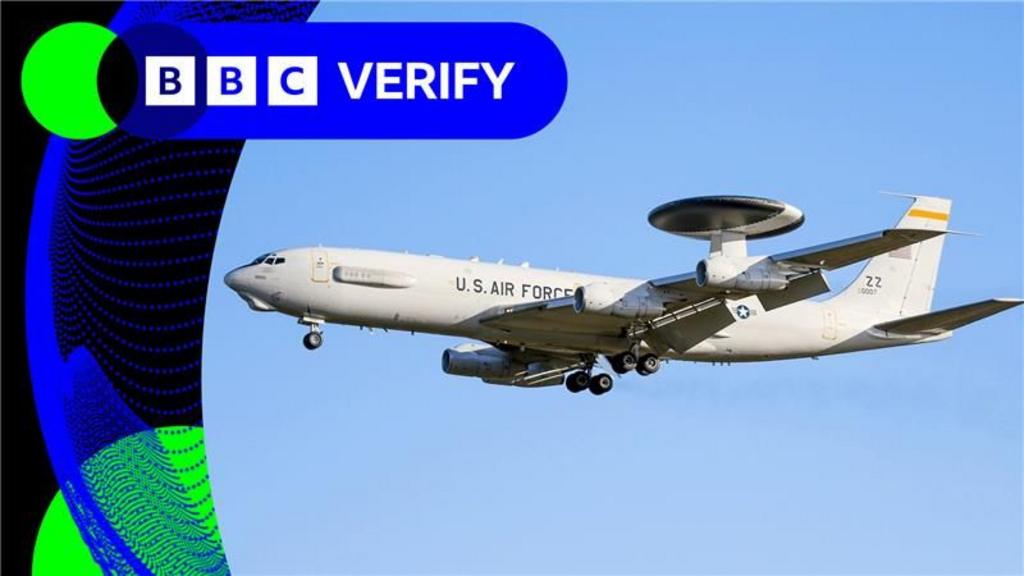
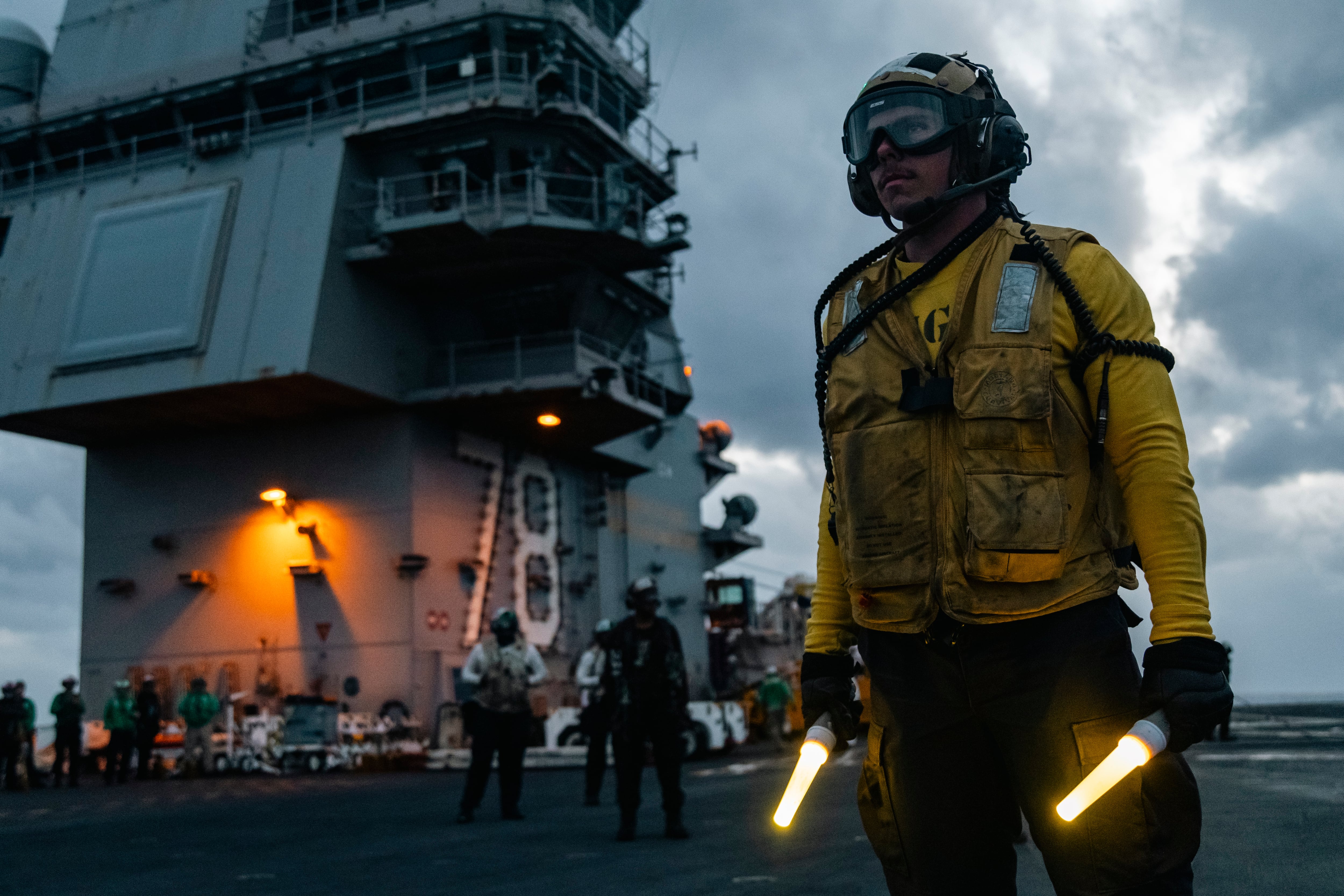
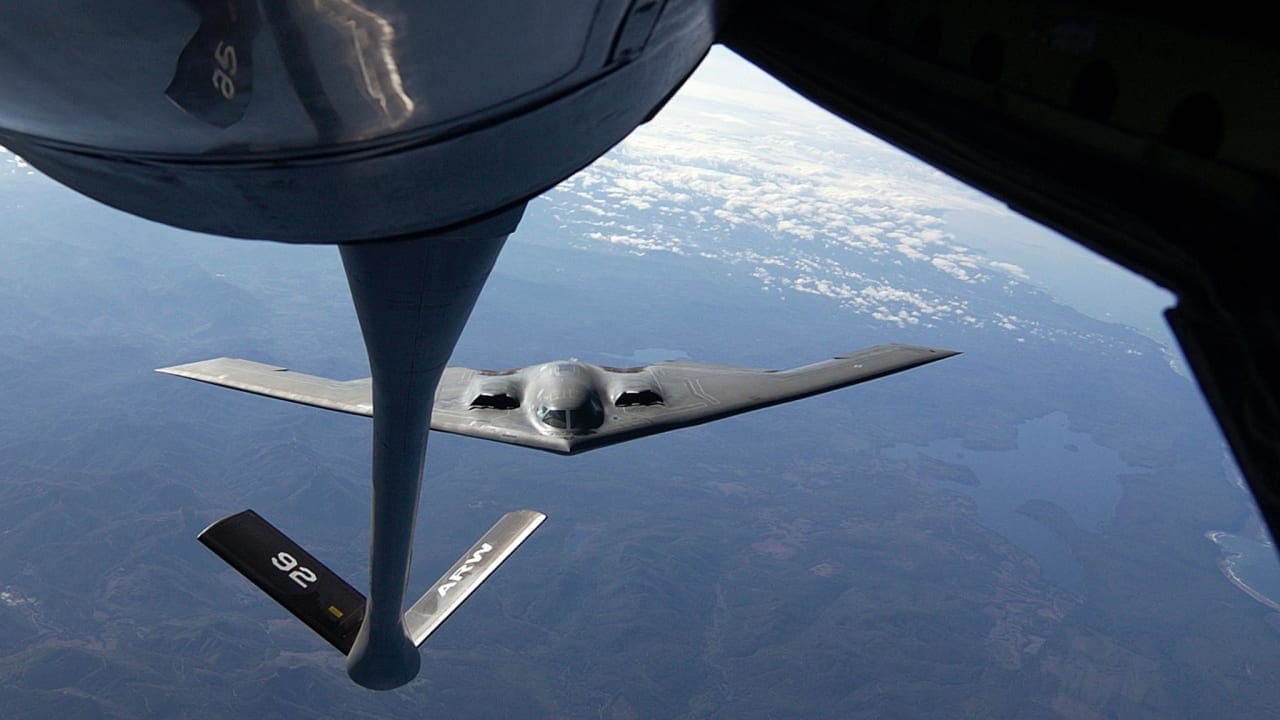
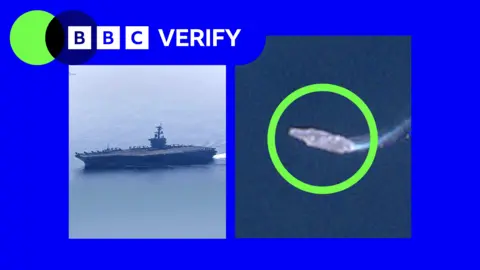
The escalating US-Iran military tensions documented across multiple news sources represent a critical supply chain risk for cross-border e-commerce sellers, particularly those dependent on Middle Eastern logistics corridors and global shipping routes. As of February 2026, President Trump has authorized a significant military buildup in the Middle East with two carrier strike groups (USS Abraham Lincoln and USS Gerald R. Ford), over 50 additional fighter jets (F-35, F-22, F-16 models), and enhanced air defense systems positioned for potential strikes within 10 days if diplomatic talks in Geneva fail. This geopolitical escalation directly threatens the Strait of Hormuz, through which approximately 21% of global petroleum trade and critical containerized cargo flows—essential for e-commerce fulfillment networks.
Supply Chain Vulnerability Assessment: For cross-border sellers, the primary operational risks include: (1) Port disruptions at Middle Eastern hubs (Jebel Ali in Dubai, Hamad Port in Qatar, Port of Aqaba in Jordan) where military bases are concentrated; (2) Increased insurance premiums for shipments through the Persian Gulf, typically adding 2-5% to logistics costs; (3) Potential 7-14 day shipping delays if military operations force rerouting around the Cape of Good Hope; (4) Inventory depletion for sellers importing electronics, textiles, and machinery from Asia through Middle Eastern transshipment points. The previous "Twelve-Day War" in June 2025 resulted in temporary port closures and 18-25% freight rate increases for affected routes. Sellers with inventory in transit or dependent on just-in-time fulfillment face immediate exposure.
Regional Impact Differentiation: Sellers operating in specific regions face asymmetric risks. EU-based sellers shipping to Middle Eastern markets (UAE, Saudi Arabia, Qatar) face direct market access disruption and potential tariff complications if military action triggers sanctions. US sellers importing goods from Asia via Middle Eastern ports experience longer lead times and higher carrying costs. Sellers with 3PL providers in Qatar (Al Udeid air base region) or Jordan (Muwaffaq Salti base area) should immediately contact logistics partners for contingency plans. Amazon FBA sellers with inventory in Middle Eastern fulfillment centers should monitor stock levels and consider temporary reallocation to European or US hubs. The diplomatic window remains open—Iran requested two weeks to develop detailed proposals in Geneva talks—but military readiness timelines suggest decision points within 10 days.
Immediate Operational Implications: Sellers should audit supply chain dependencies: identify shipments in transit through the Strait of Hormuz, review insurance coverage for geopolitical risk, and establish alternative routing protocols with 3PL providers. Freight forwarding costs may increase 8-15% if carriers implement war risk surcharges. Sellers with high-value electronics or time-sensitive inventory should consider air freight alternatives, though costs increase 3-4x versus ocean shipping. Platform-specific actions: Amazon sellers should review FBA inventory levels in Middle Eastern fulfillment centers and prepare for potential temporary closures; eBay sellers should update shipping estimates to account for potential 2-3 week delays; Shopify sellers should communicate transparently with customers about potential shipping delays and consider offering expedited alternatives.
Questions 8
How could US-Iran military escalation impact my cross-border e-commerce shipping costs?
Military escalation in the Middle East directly affects shipping through the Strait of Hormuz, which handles 21% of global petroleum trade and critical containerized cargo. If military operations occur, carriers typically implement war risk surcharges of 2-5% on affected routes, and insurance premiums increase 8-15%. Rerouting around the Cape of Good Hope adds 7-14 days to transit times and increases fuel costs by 25-40%. For sellers importing from Asia or shipping to Middle Eastern markets, expect freight rate increases of $200-800 per 20-foot container depending on origin/destination. Monitor your 3PL provider's pricing updates daily during the 10-day diplomatic window.
What alternative shipping routes should I consider if Strait of Hormuz closes?
Primary alternatives include: (1) Cape of Good Hope route around southern Africa—adds 7-14 days and increases fuel costs 25-40%; (2) Suez Canal via Red Sea—currently operational but faces Houthi-related risks; (3) Air freight from Asia to Europe/US—costs 3-4x ocean freight but delivers in 3-5 days; (4) Transshipment through non-affected ports like Singapore or Hong Kong—adds 2-3 days but avoids Middle Eastern routes. For time-sensitive inventory (electronics, fashion), air freight may be cost-justified despite premium pricing. For bulk/heavy goods, accept longer transit times via Cape route. Discuss routing options with your freight forwarder now before capacity constraints develop.