


Trump Tariffs Hit Midsize E-Commerce Sellers | Margin Compression & Sourcing Shifts
- Midsize sellers face 8-15% landed cost increases; lack scale advantages of Fortune 500 competitors in tariff negotiation and compliance



Overview
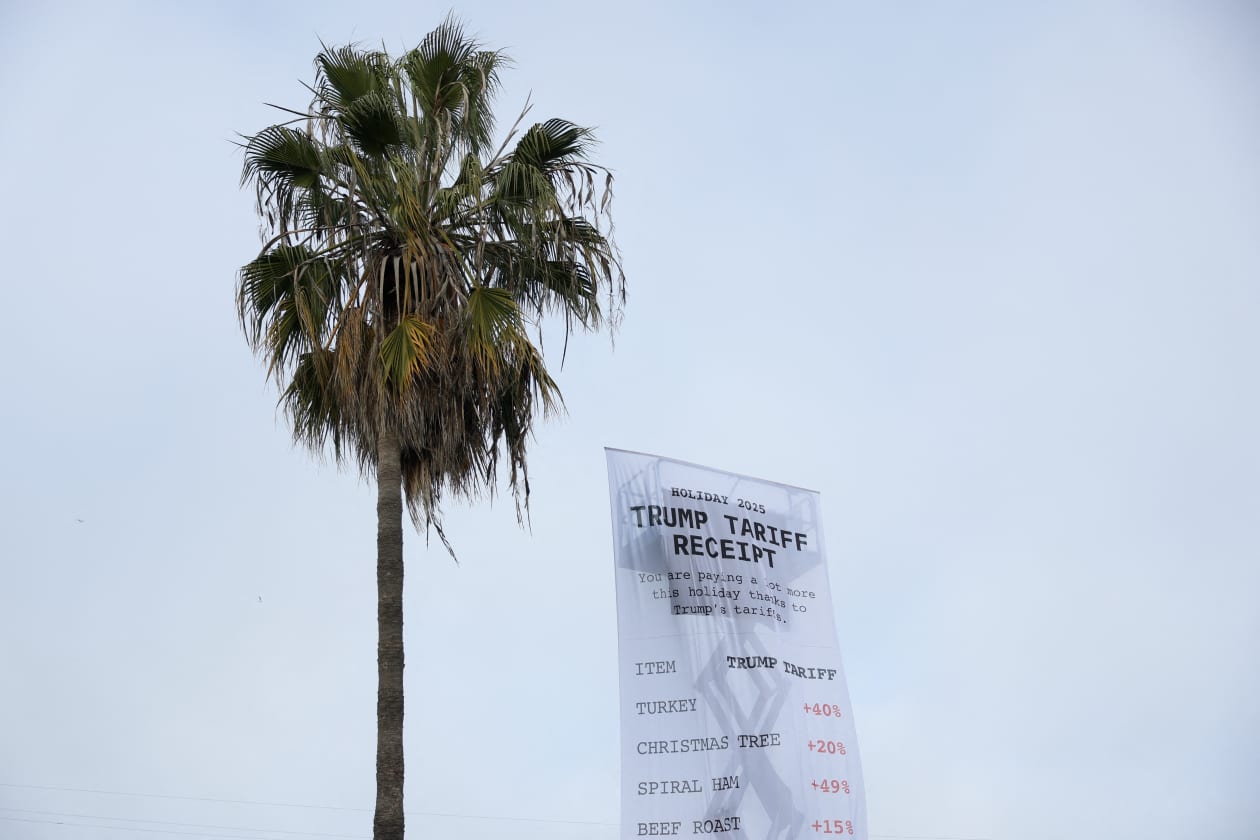
Trump's escalating tariff policies are creating a competitive bifurcation in cross-border e-commerce, disproportionately impacting midsize sellers (annual revenue $5M-$50M) who import from Asia, Europe, and other regions. According to Financial Times reporting, midsize companies operating on 15-25% profit margins cannot absorb tariff cost increases like Fortune 500 enterprises with dedicated trade compliance teams. For e-commerce sellers specifically, this translates to 8-15% increases in landed costs on imported products, directly compressing margins on competitive platforms like Amazon FBA and eBay.
The tariff burden creates three distinct seller segments with divergent outcomes. Large enterprises (>$500M revenue) with in-house customs brokers, tariff engineers, and government relations teams can navigate exemption processes, obtain duty drawback refunds, and negotiate volume discounts with freight forwarders—effectively reducing tariff impact to 2-4%. Midsize sellers ($5M-$50M) lack this infrastructure, paying standard tariff rates without exemptions and standard logistics fees without volume discounts, resulting in 8-15% cost increases. Small sellers (<$5M) face the highest relative burden, with tariff costs consuming 12-20% of already-thin 10-15% margins, forcing immediate price increases or inventory liquidation.
Specific operational impacts for cross-border e-commerce sellers include: (1) Inventory carrying costs increase 15-25% when tariffs delay shipments or require rerouting through alternative ports—a midsize seller with $500K inventory now carries $75-125K in additional holding costs; (2) Customs broker and freight forwarder fees remain fixed despite higher tariff bases, reducing negotiating leverage for sellers without 1000+ monthly shipments; (3) Product mix optimization becomes critical—sellers must identify lower-tariff categories (HS codes with 0-5% rates vs. 25%+ rates) or shift sourcing to tariff-advantaged countries under trade agreements (Mexico, South Korea, Australia under USMCA/FTAs); (4) Tariff classification expertise becomes a competitive advantage—midsize sellers often misclassify products, paying higher rates than necessary, while larger competitors employ tariff specialists to optimize HS code selection.
The policy environment creates both immediate threats and strategic opportunities. Midsize sellers must immediately audit their top 20 SKUs by revenue, identify tariff rates by HS code, and calculate true landed costs including all duties. Strategic opportunities emerge for sellers who: (1) develop tariff-optimized supply chains by sourcing from FTA-advantaged countries; (2) shift product mix toward lower-tariff categories; (3) explore domestic sourcing despite 10-20% cost premiums; (4) offer tariff compliance consulting to other sellers; (5) consolidate shipments to negotiate better freight rates. The window for repositioning is 60-90 days before competitors catch on to tariff arbitrage opportunities in lower-tariff categories.
Questions 8
Which product categories face the highest tariff rates under Trump policies?
Electronics (HS codes 8471-8517) face 25%+ tariffs, while apparel (HS 6204-6206) ranges 16-25%, and furniture (HS 9401-9406) averages 8-12%. Lower-tariff categories include raw materials and components from FTA countries (Mexico, South Korea, Australia under USMCA), which qualify for 0-5% rates. Midsize sellers should audit their top 20 SKUs by revenue to identify tariff rates by HS code and shift inventory toward lower-tariff categories or FTA-sourced products to maintain margins.
How much do Trump tariffs increase landed costs for midsize e-commerce sellers?
Midsize sellers importing from Asia and Europe face 8-15% increases in landed costs, according to Financial Times analysis. For a seller with $500K monthly inventory, this translates to $40-75K in additional monthly tariff expenses. Large enterprises with dedicated tariff teams reduce impact to 2-4% through exemptions and duty drawback programs, while small sellers face 12-20% cost increases that directly compress already-thin 10-15% profit margins. The disparity creates a competitive advantage for Fortune 500 companies with trade compliance infrastructure.