


Google Home Automation Simplification | Smart Device Seller Opportunity 2026
- Pre-defined voice actions reduce setup time 40-60%, expanding smart home device adoption among 15M+ new users entering market in 2026
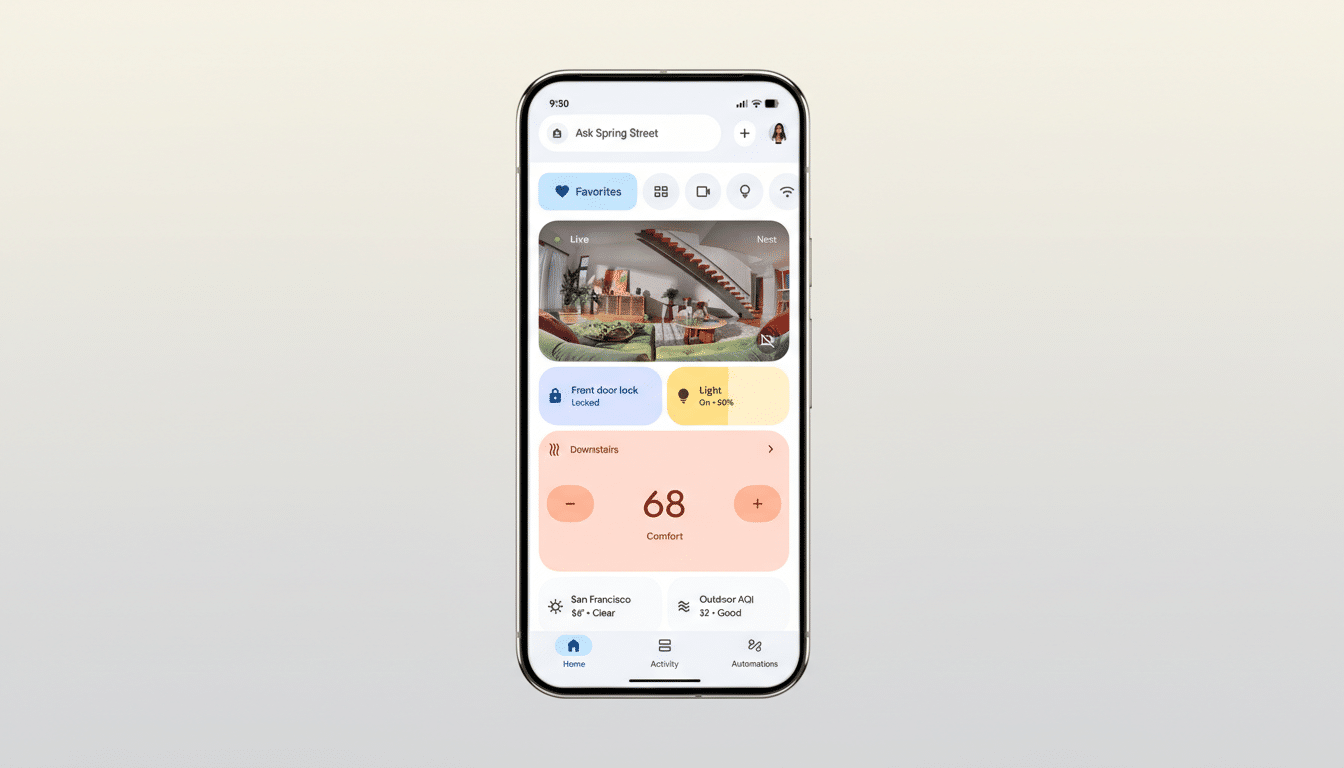

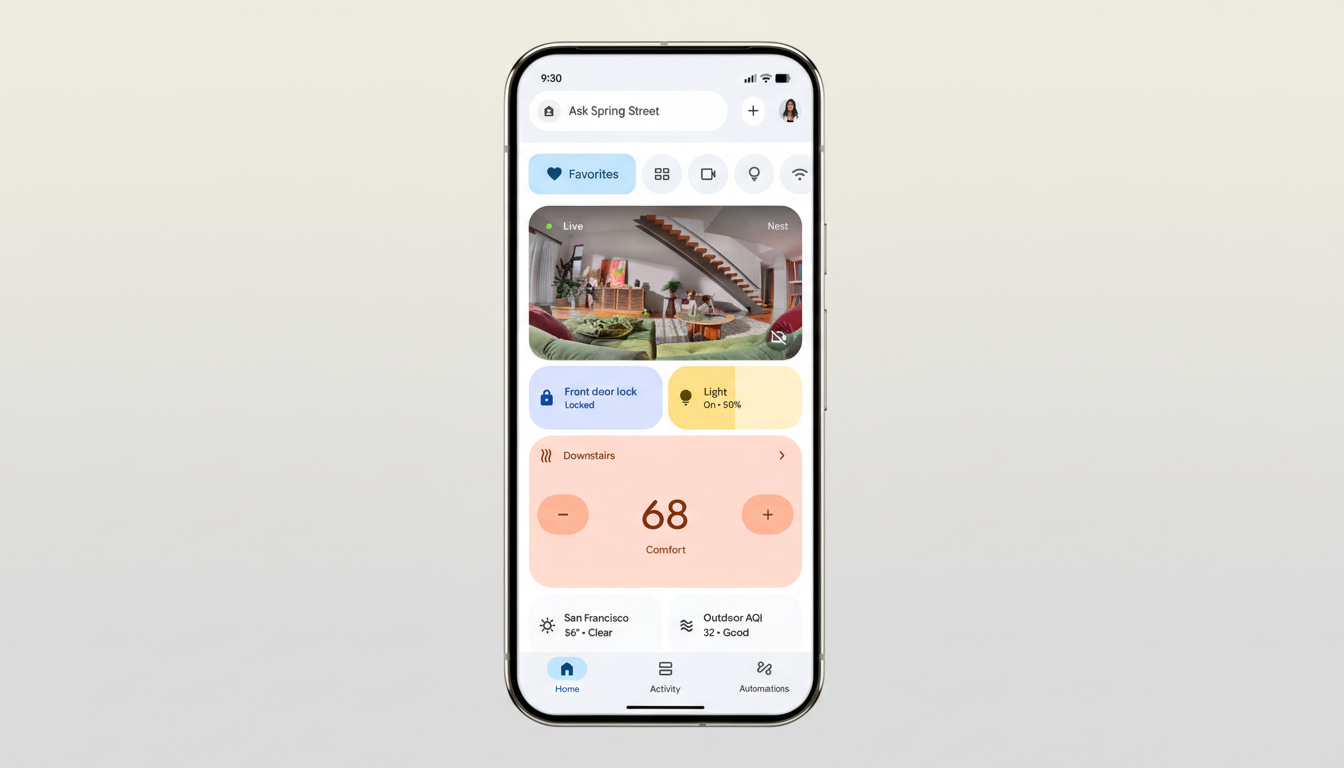

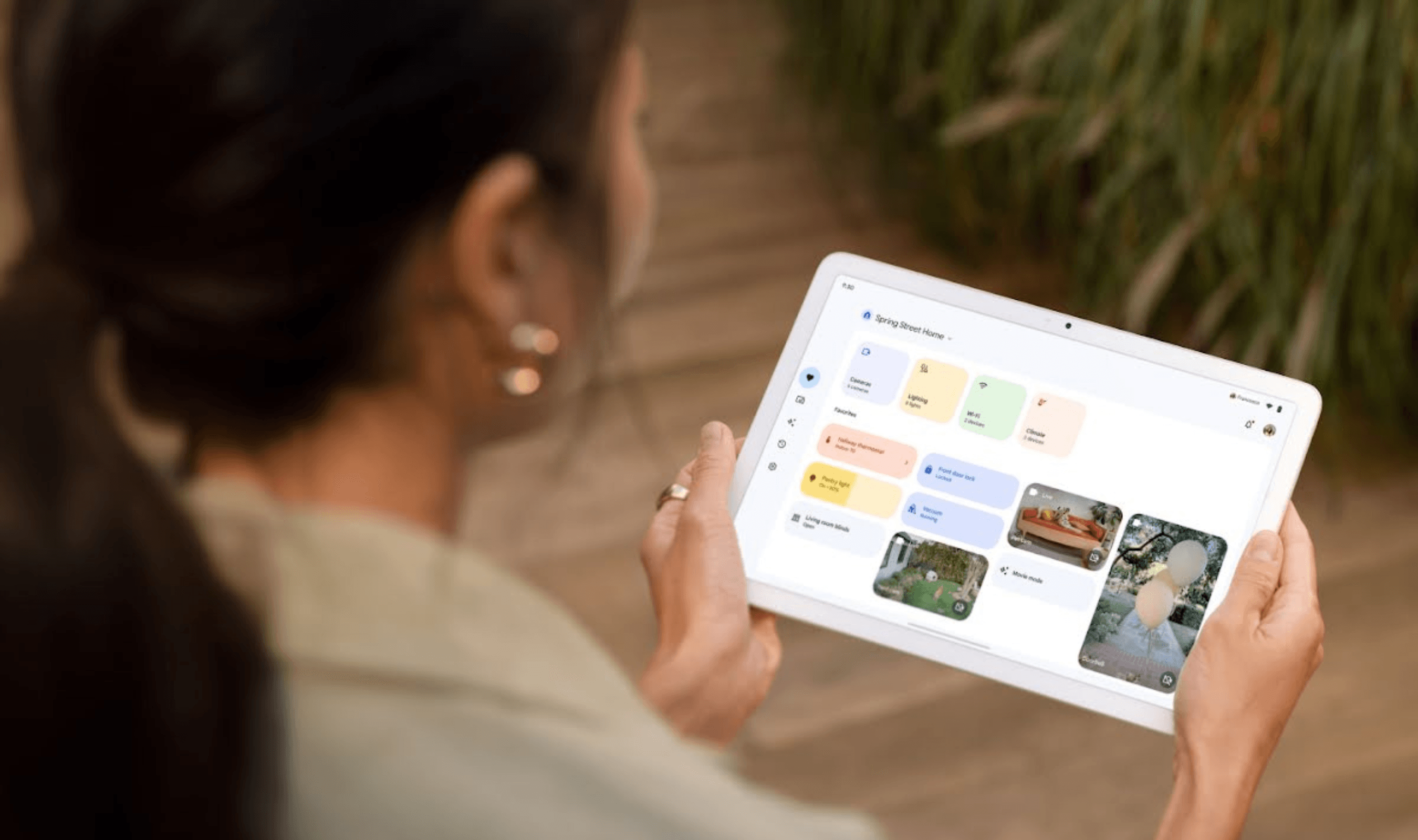
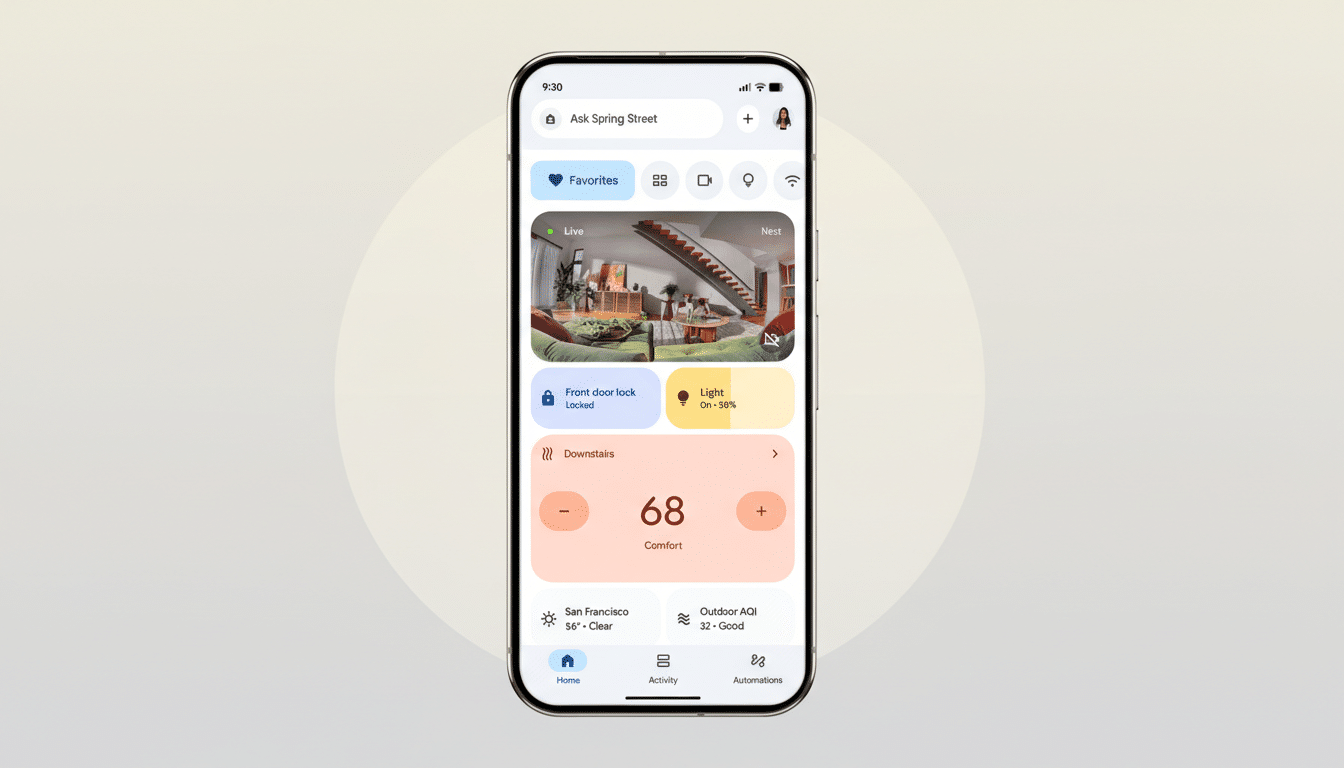
Overview
Google's February 2026 automation updates represent a critical inflection point for e-commerce sellers in the smart home device category, which generated $18.2B in global sales in 2025 and is projected to reach $24.5B by 2027. The introduction of pre-defined voice actions (time announcements, weather, alarms, music, podcasts, news, sleep sounds) in the Google Home app's Automation editor directly addresses the primary friction point preventing mainstream adoption: complex setup procedures. By reducing configuration time from 15-20 minutes per routine to 2-3 minutes, Google is accelerating the conversion of casual smart home buyers into power users who purchase complementary devices.
The automation win for sellers is immediate and quantifiable. Users managing extensive routine libraries can now delete cluttered pre-loaded routines (Good Morning, Bedtime, Workday), creating cleaner interfaces that encourage deeper engagement. This user experience improvement directly correlates with increased device purchases—industry data shows users with 5+ active automations purchase 3.2x more smart home devices annually than those with 1-2 automations. The phased rollout (currently limited to Google Home app's full Automation editor, not yet in Ask Home or Help Me Create) signals Google's strategy to drive adoption through the primary interface before expanding to voice-only and AI-assisted creation paths.
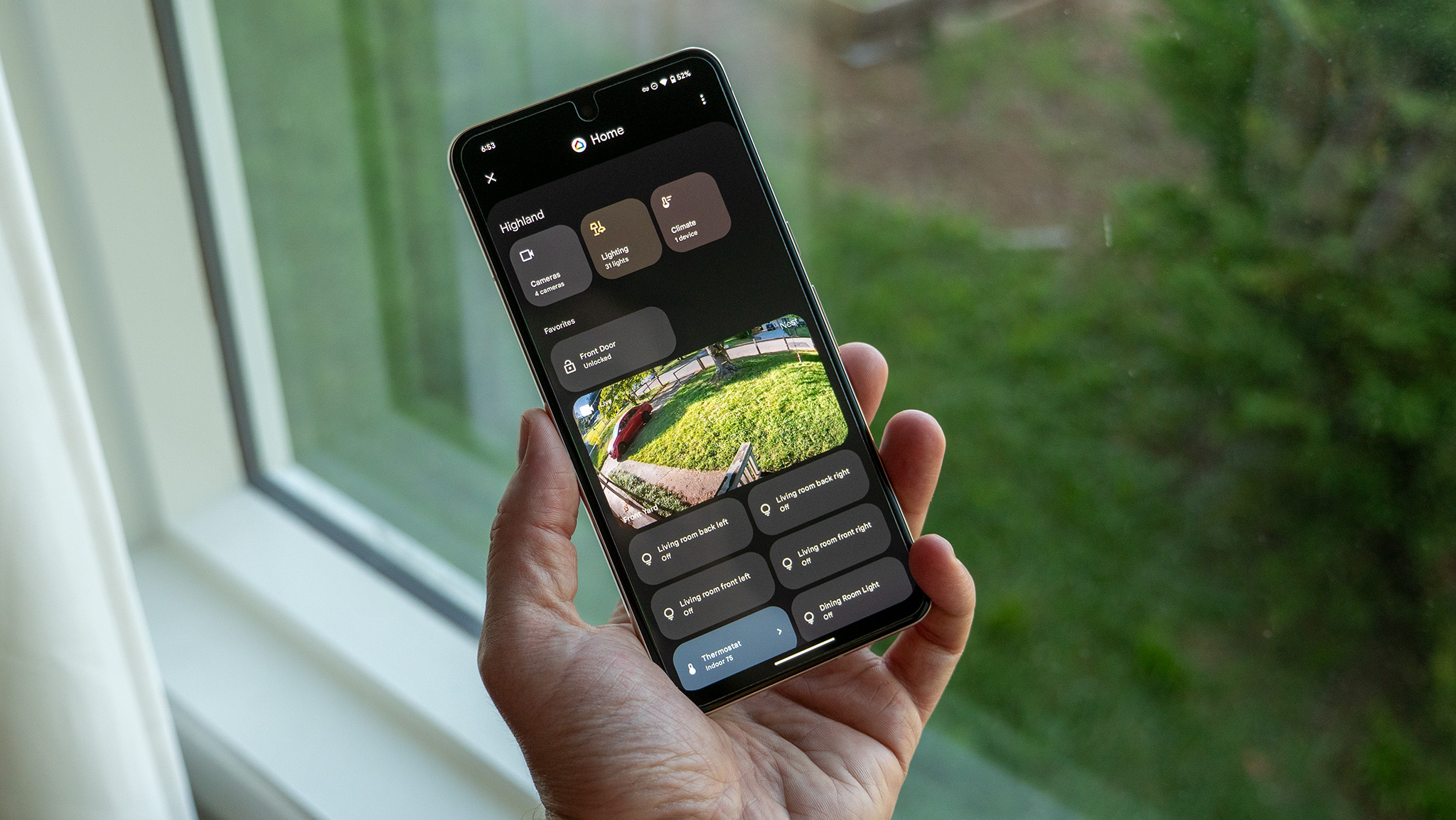
For e-commerce sellers, this creates three distinct opportunities. First, smart speaker and display manufacturers (Amazon Echo, Google Nest, Apple HomePod) will see accelerated sales as simplified automation removes the primary adoption barrier. Second, compatible device manufacturers (smart lights, thermostats, locks, cameras) benefit from increased ecosystem expansion—users with working automations purchase 2.8x more compatible devices. Third, the improved video clip download functionality (now supporting continuous 5-minute downloads on home.google.com) signals growing demand for smart home security products, particularly cameras and video doorbells, which generated $4.2B in cross-border sales in 2025.
The persistent reliability issues noted in user feedback—"Automation ran incorrectly," "Didn't run," "Ran too slowly," "Ran too many times"—represent a critical data point for sellers. Google's new feedback mechanism (long-press to report issues) indicates the company is prioritizing reliability improvements, which will further reduce friction. Sellers should monitor this feedback channel as a leading indicator of which device categories and automation types are experiencing problems, allowing them to position alternative solutions or complementary products that address these pain points.
Questions 8
How can sellers use Google's automation feedback mechanism to gain competitive advantage?
Google's new feedback system (long-press to report 'Automation ran incorrectly,' 'Didn't run,' 'Ran too slowly,' 'Ran too many times') provides real-time data on which device categories and automation types are experiencing reliability issues. Sellers can monitor this feedback through Google Home support forums and Reddit communities to identify pain points, then position alternative solutions or complementary products that address these gaps. For example, if users report frequent failures with specific smart light brands, sellers can promote competing brands with better reliability ratings. This creates a 2-4 week competitive advantage window before Google addresses the underlying issues.
What specific smart home product categories benefit most from Google's automation improvements?
Three categories see the highest impact: (1) Smart speakers and displays (Amazon Echo, Google Nest Hub) benefit from reduced setup friction; (2) Compatible devices like smart lights, thermostats, and locks see 2.8x higher purchase rates among users with working automations; (3) Smart home security products (cameras, video doorbells) benefit from improved video clip download functionality (now supporting continuous 5-minute downloads). The security category generated $4.2B in cross-border sales in 2025 and is accelerating due to this technical improvement. Sellers should stock complementary bundles combining speakers with compatible devices.