






NFL Contract Chess: Kyler Murray's Uncertain Cardinals Future Reveals Strategic Team Management
- Financial maneuvering exposes the high-stakes contract negotiations in professional football



























































































Overview
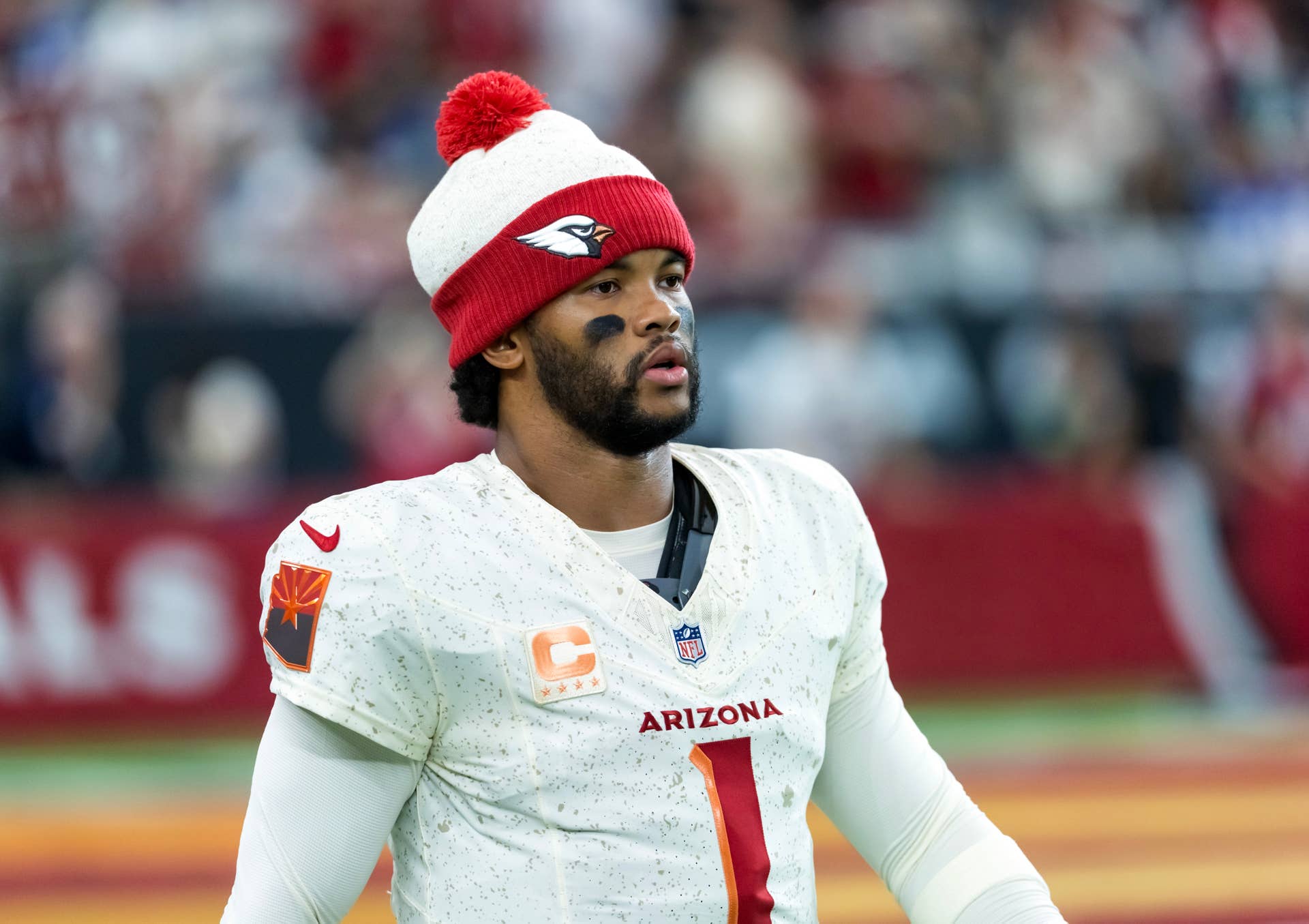
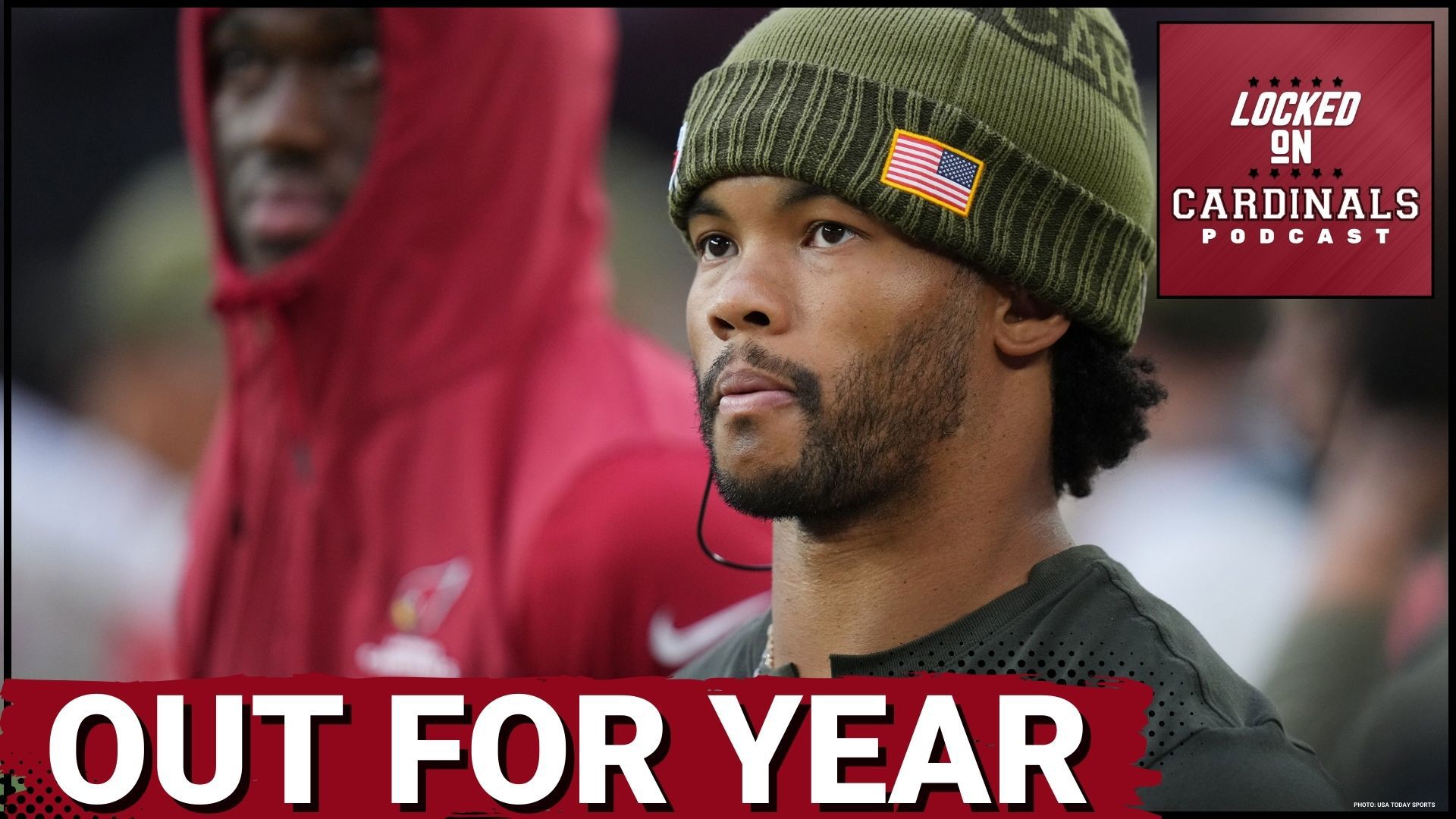
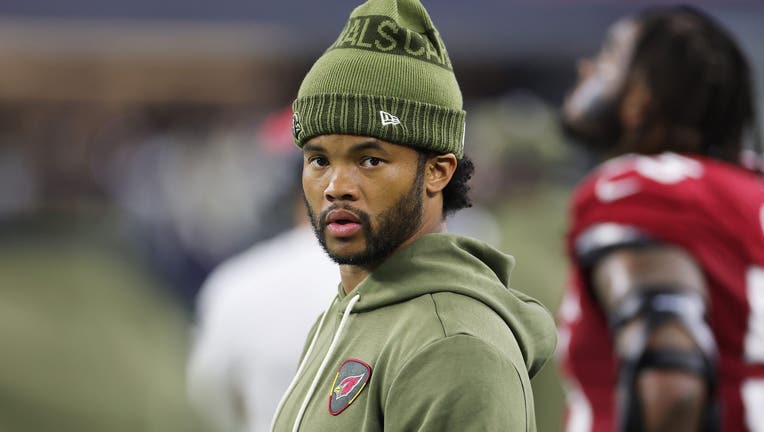
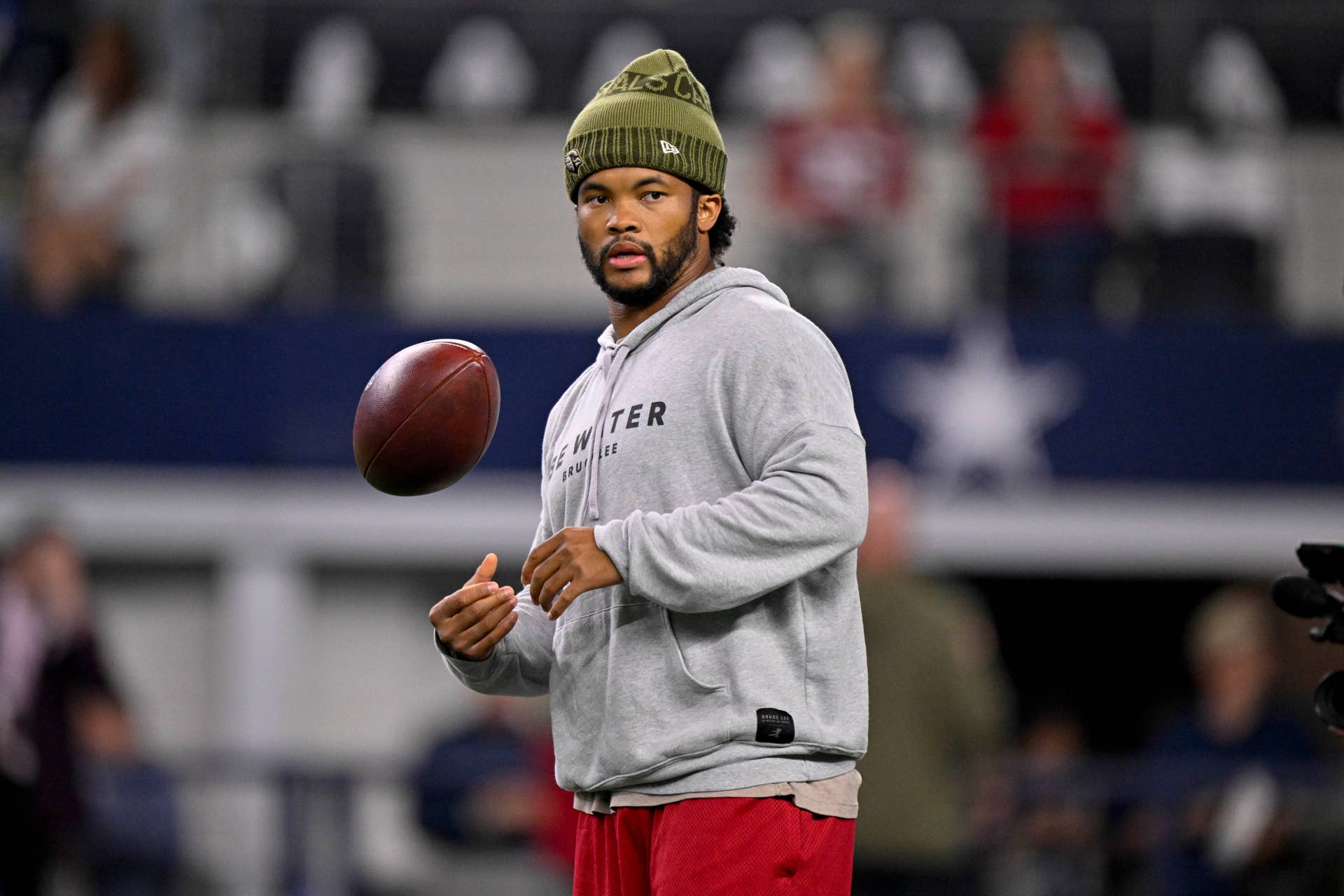
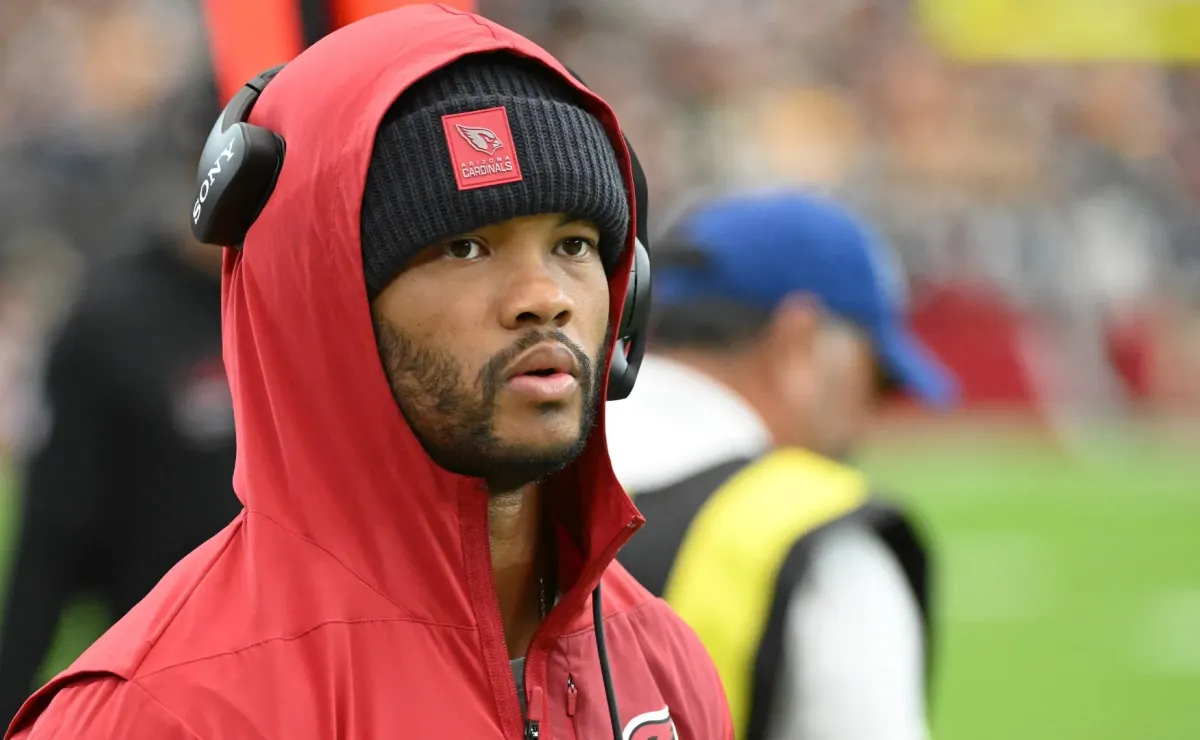
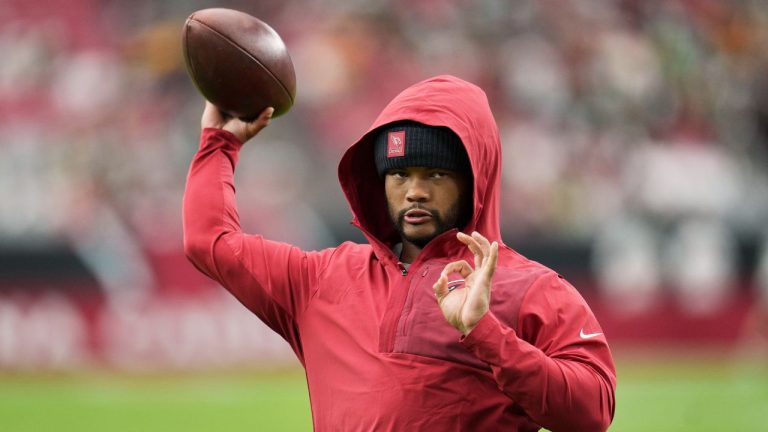
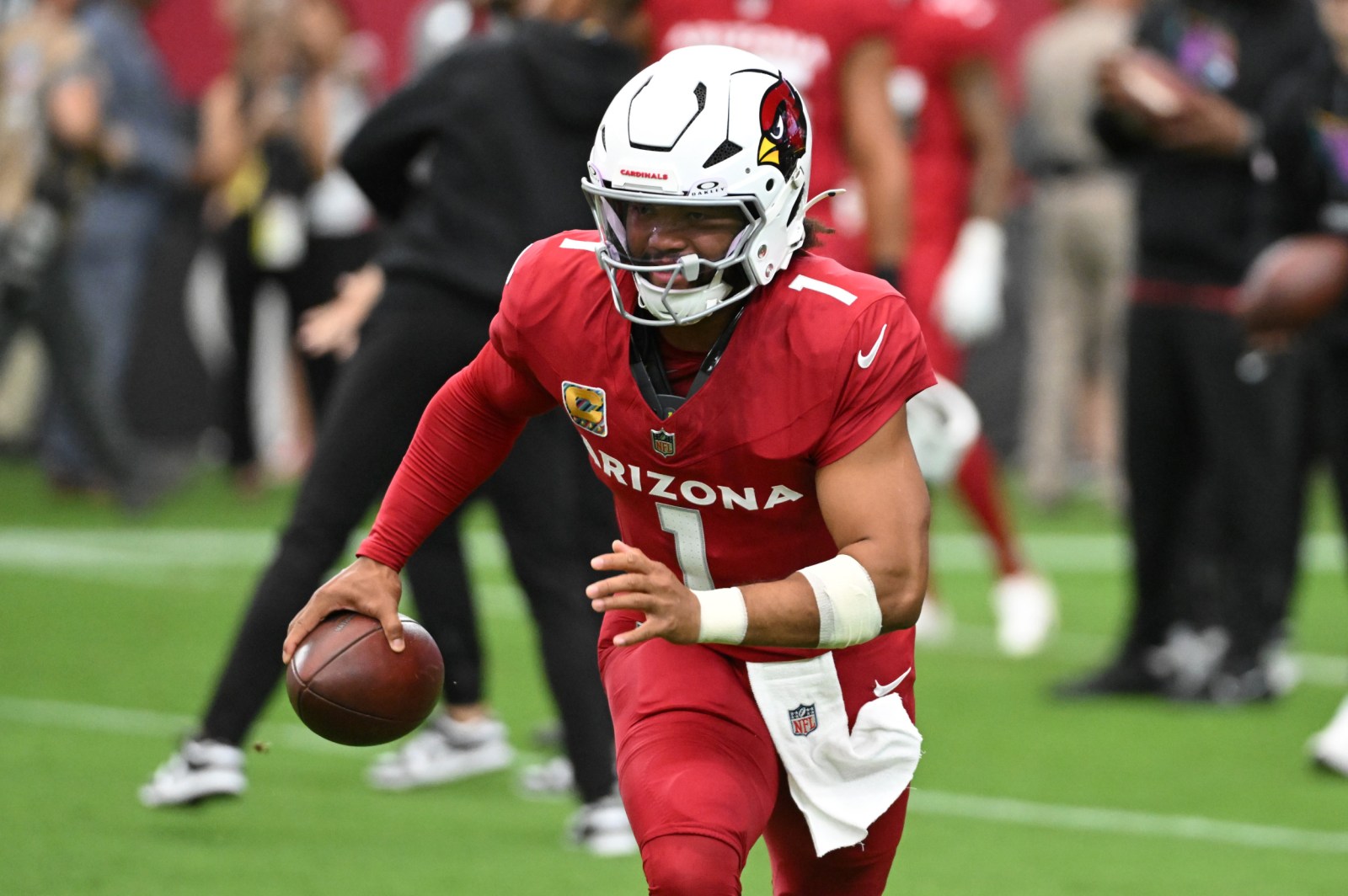
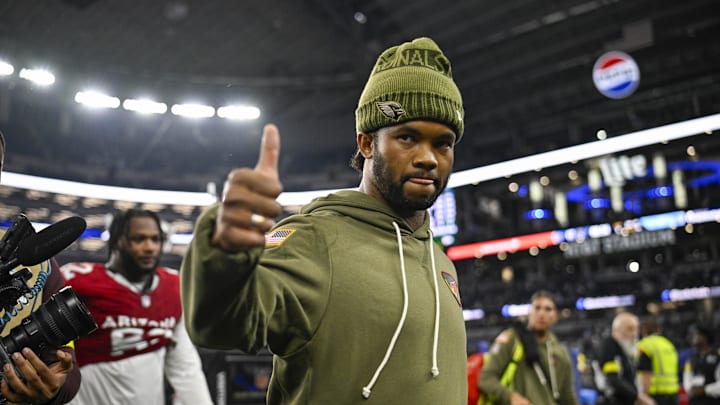
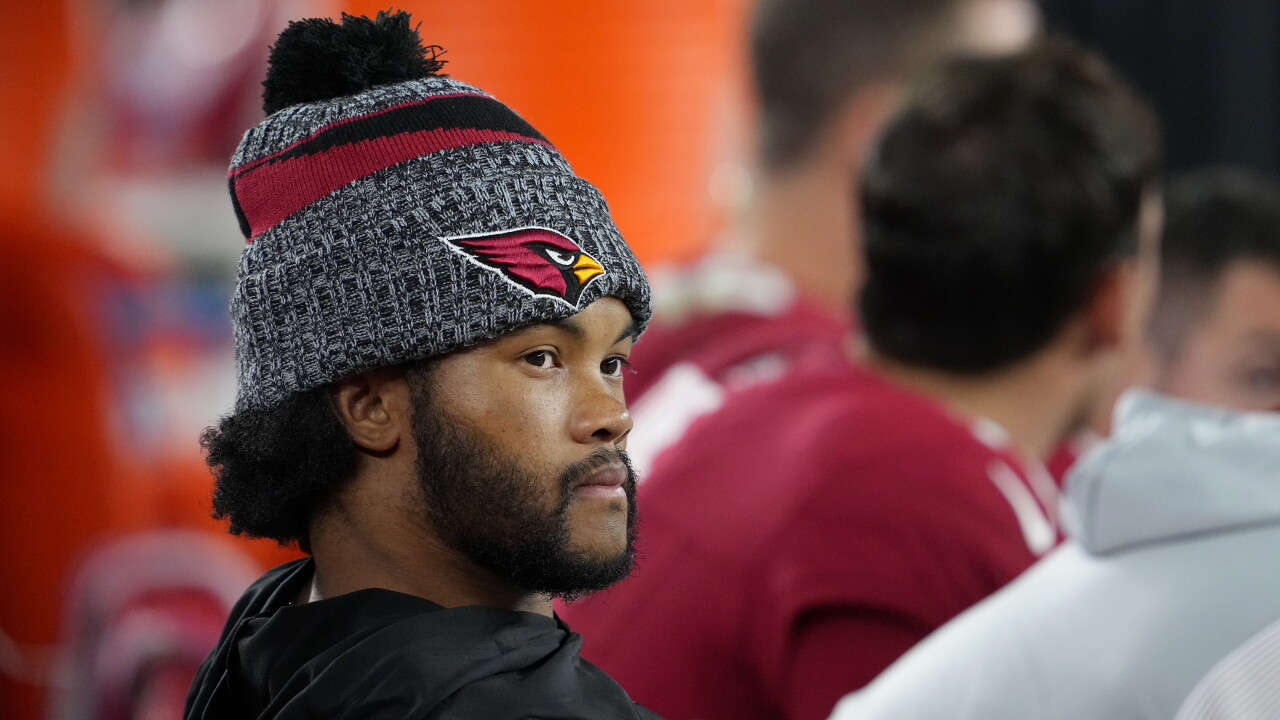
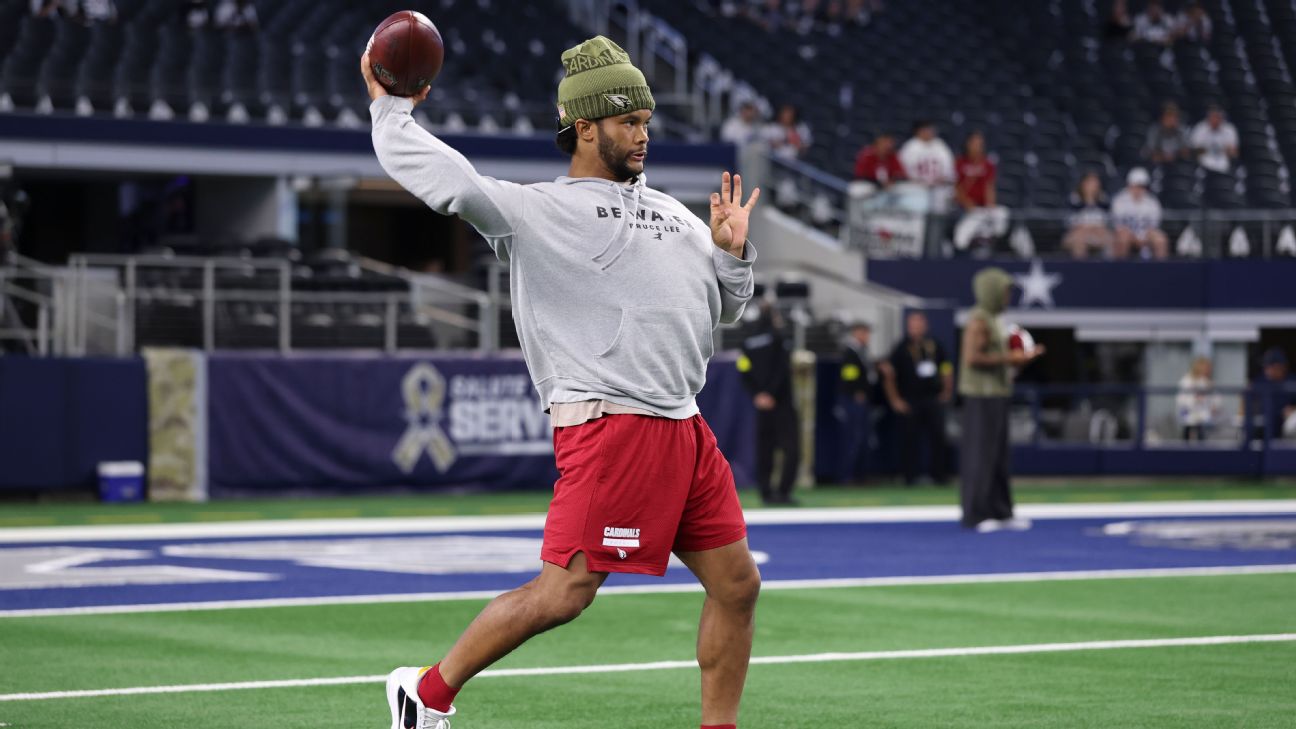
The Arizona Cardinals are navigating a complex strategic crossroads with Kyler Murray, demonstrating how modern NFL teams use contract management as a critical competitive tool. By shutting down Murray for the season, the team is executing a calculated financial defense that goes far beyond simple injury management. The core strategy revolves around avoiding a $19.5 million guaranteed salary for 2027, while already committed to $39.8 million for Murray's 2026 contract.
Strategic Contract Manipulation has become a sophisticated playbook in professional football. The Cardinals join a growing trend of teams strategically managing quarterback contracts by preemptively ending seasons—a tactic now seen in four consecutive years across NFL franchises like the Raiders, Broncos, and Giants. This approach reveals a deeper transformation in how teams view player contracts: not as fixed obligations, but as flexible financial instruments to be strategically adjusted.
Murray's situation epitomizes the modern NFL's complex economic landscape. His potential departure in 2026 isn't just about performance, but about intricate financial calculations that balance team salary cap flexibility, player value, and long-term strategic positioning. The Cardinals are essentially using season-ending decisions as a sophisticated risk management technique, protecting themselves from potentially burdensome future financial commitments while maintaining strategic optionality for the team's future roster construction.
The broader implications are profound: NFL teams are increasingly treating player contracts as dynamic assets to be actively managed, not static agreements. This shift suggests a new era of sports management where financial engineering becomes as crucial as on-field performance in determining a team's long-term success.
Questions 3
Is this a common practice in the NFL?
Yes, this is part of a growing trend. This is the fourth consecutive year an NFL team has strategically shut down a starting quarterback to manage contract obligations, indicating a sophisticated approach to financial management in professional football.
What does this mean for Kyler Murray's future with the team?
Murray's future is uncertain. With $39.8 million already guaranteed for 2026 and the team's strategic contract maneuvering, he could potentially be traded or remain with the Cardinals under significantly restructured terms.