





European Defence Fragmentation Signals Supply Chain Restructuring Opportunities for B2B Sellers
- €100B FCAS programme split creates sourcing diversification for aerospace/defence suppliers; Airbus supply chain disruptions open market gaps for alternative component vendors across EU/NATO regions









)











Overview
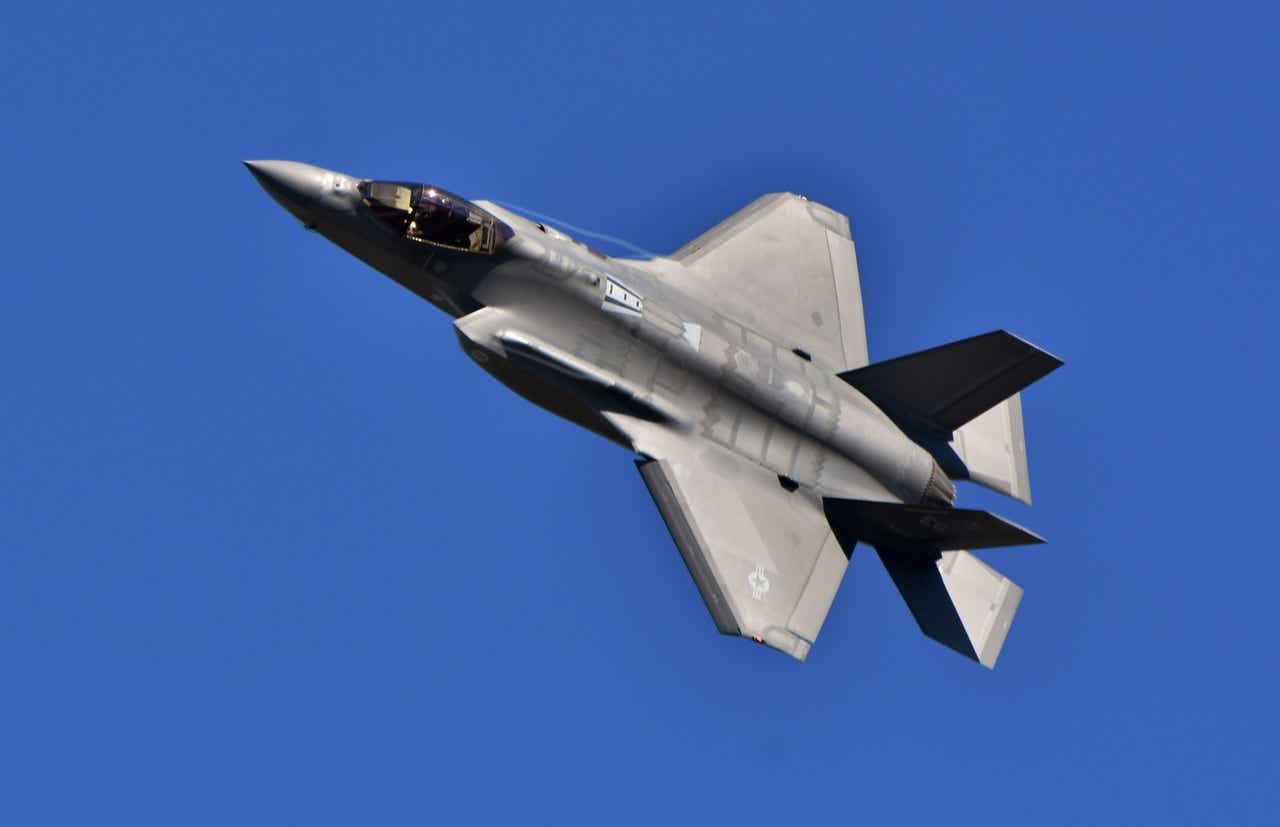
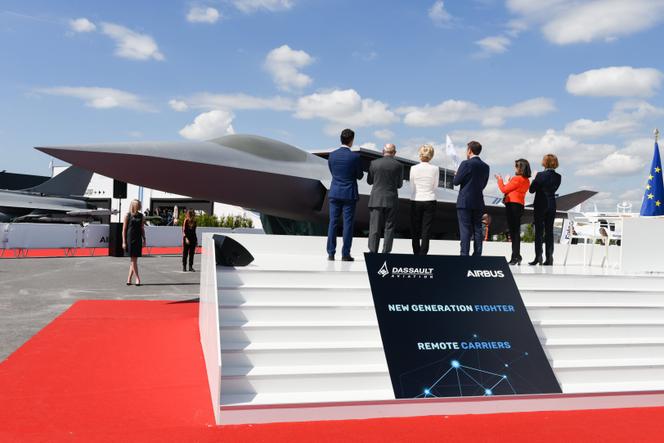
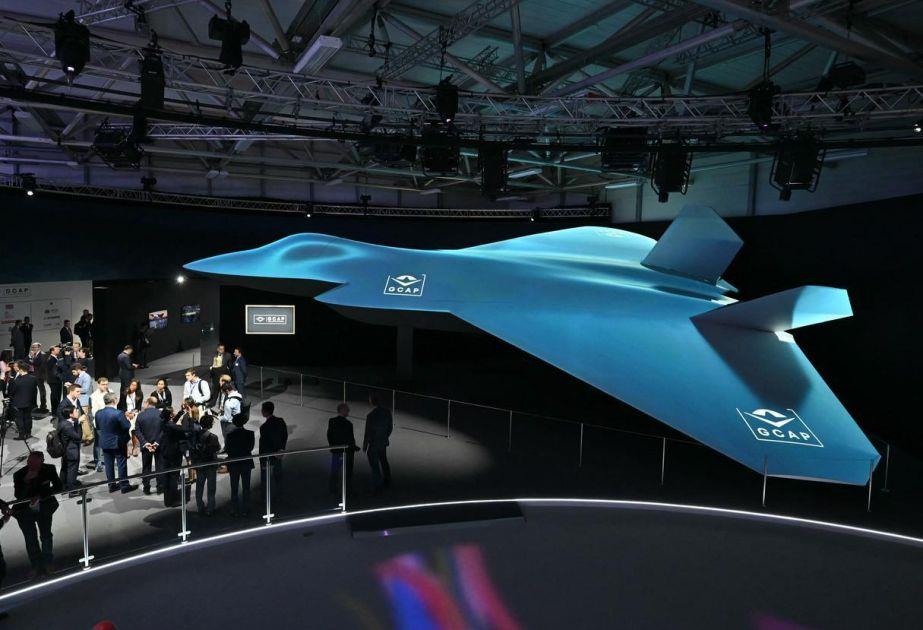
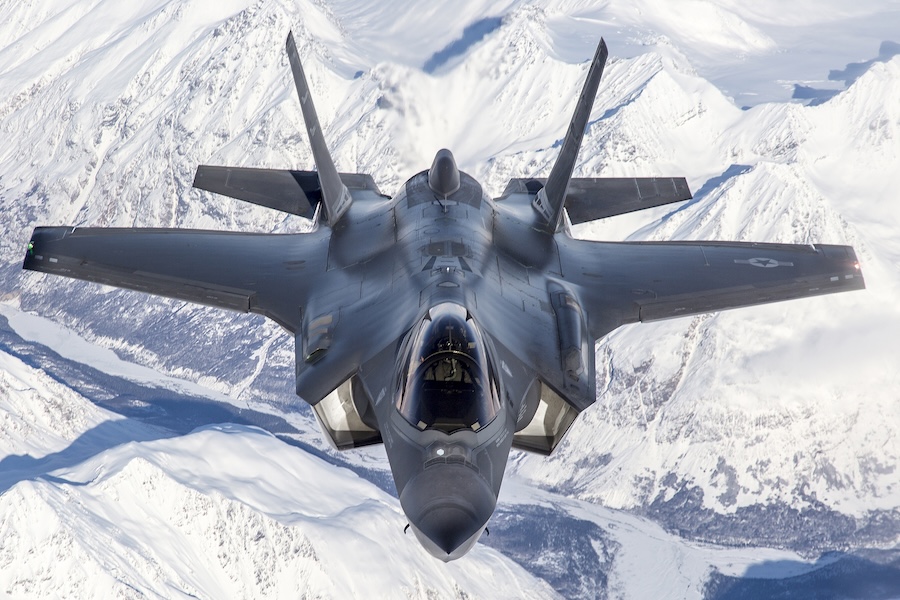
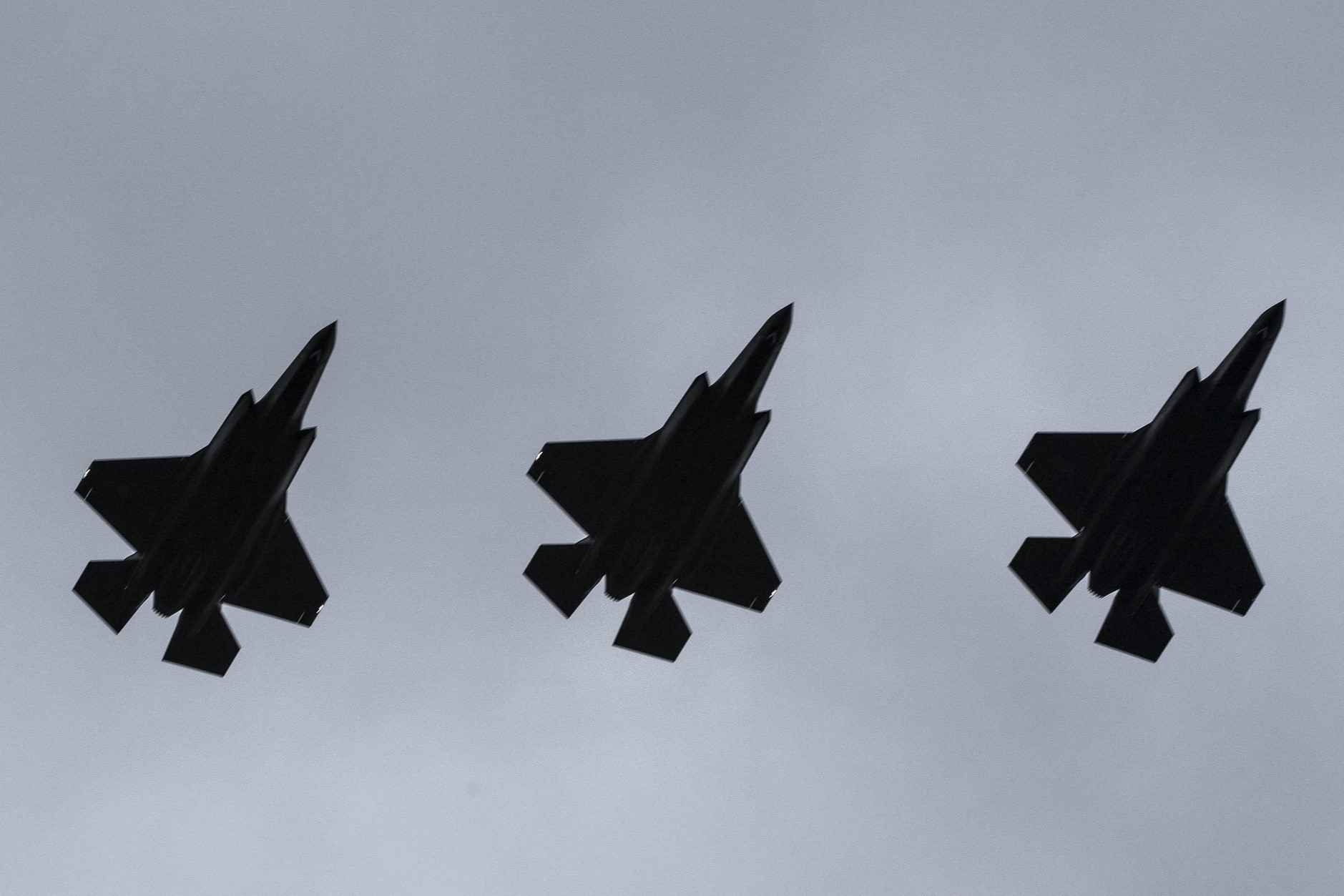
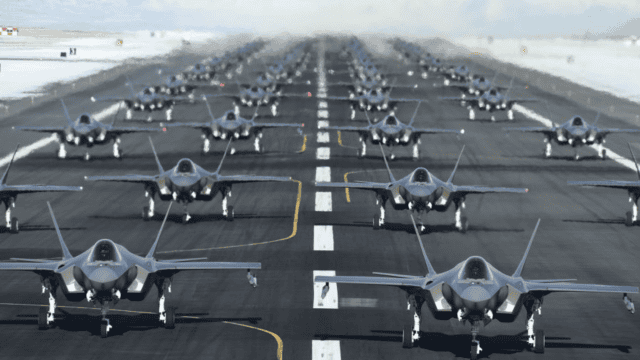
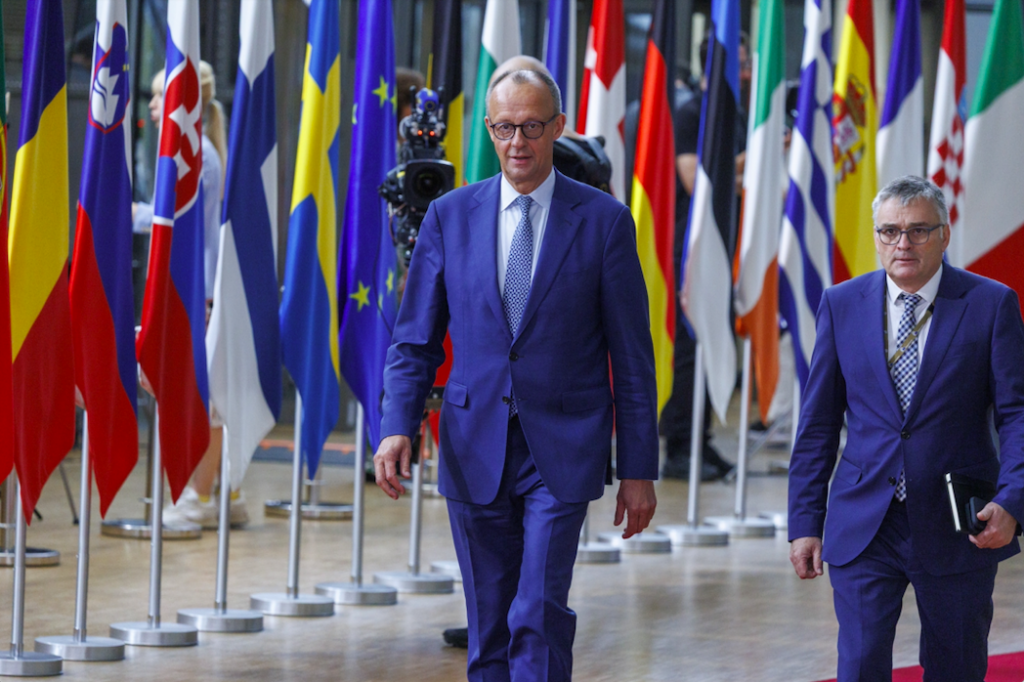
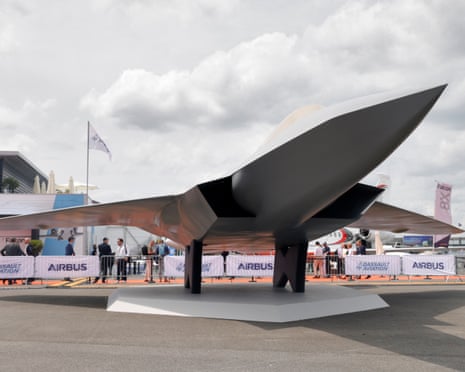
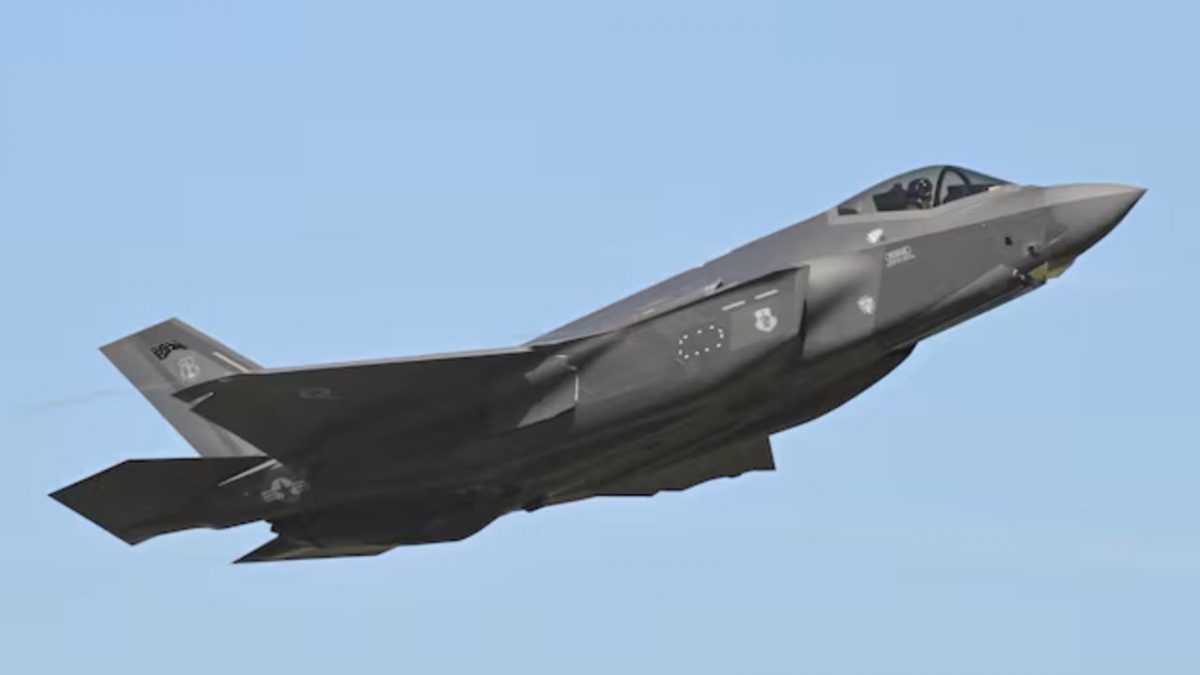
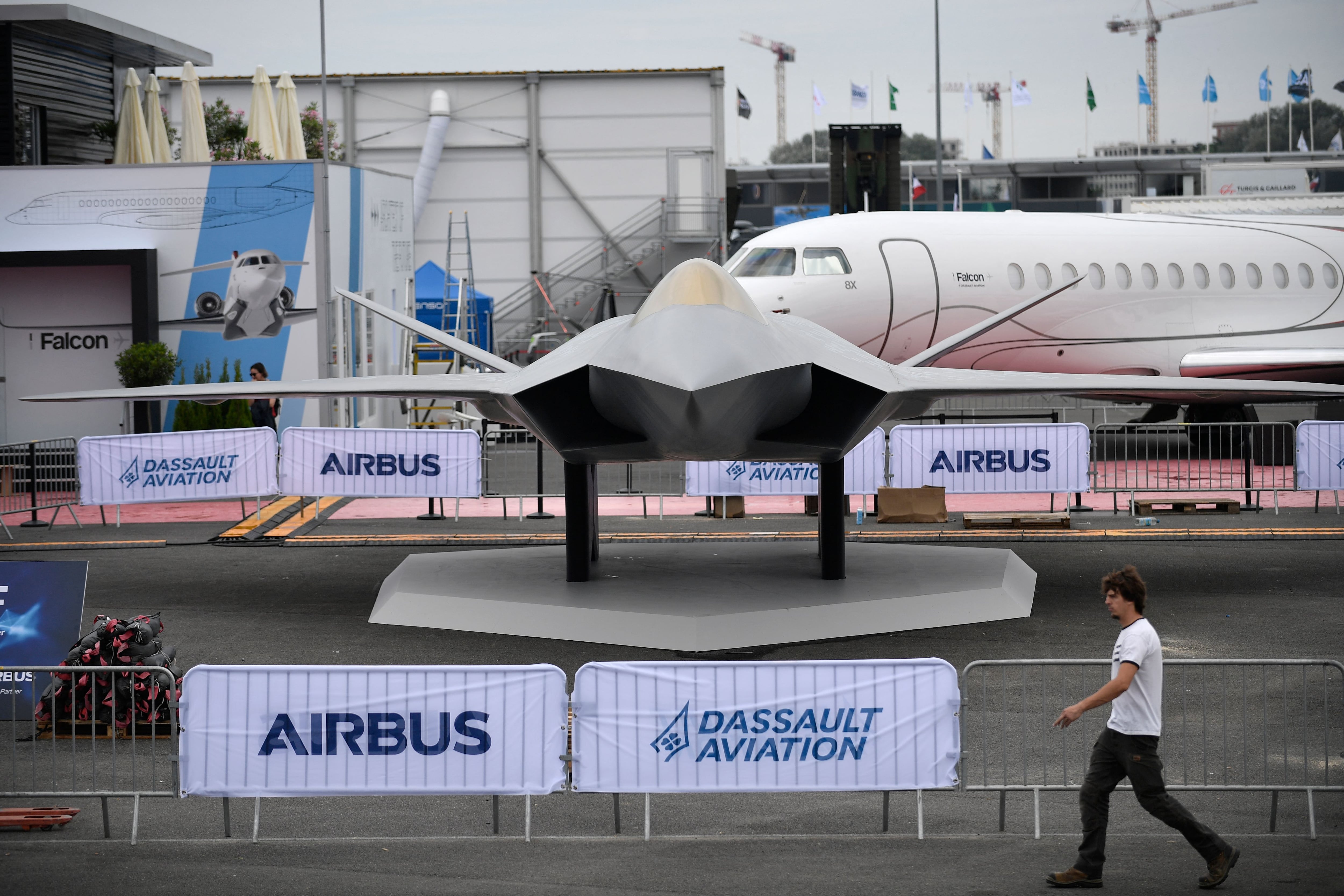
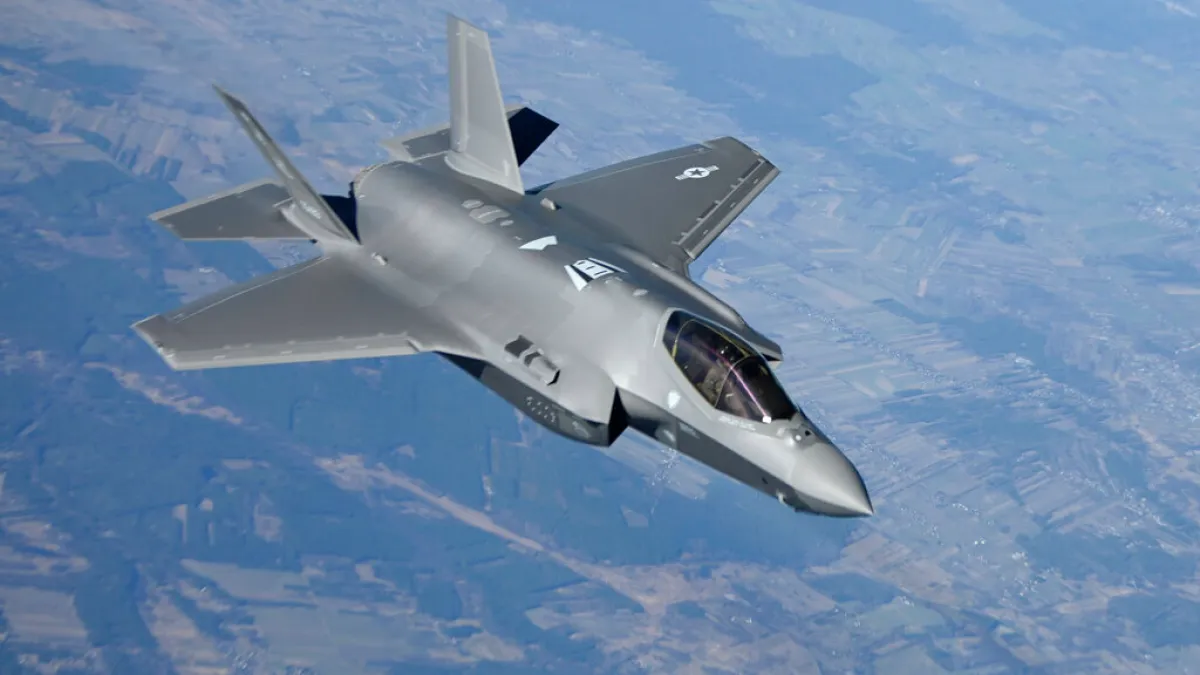
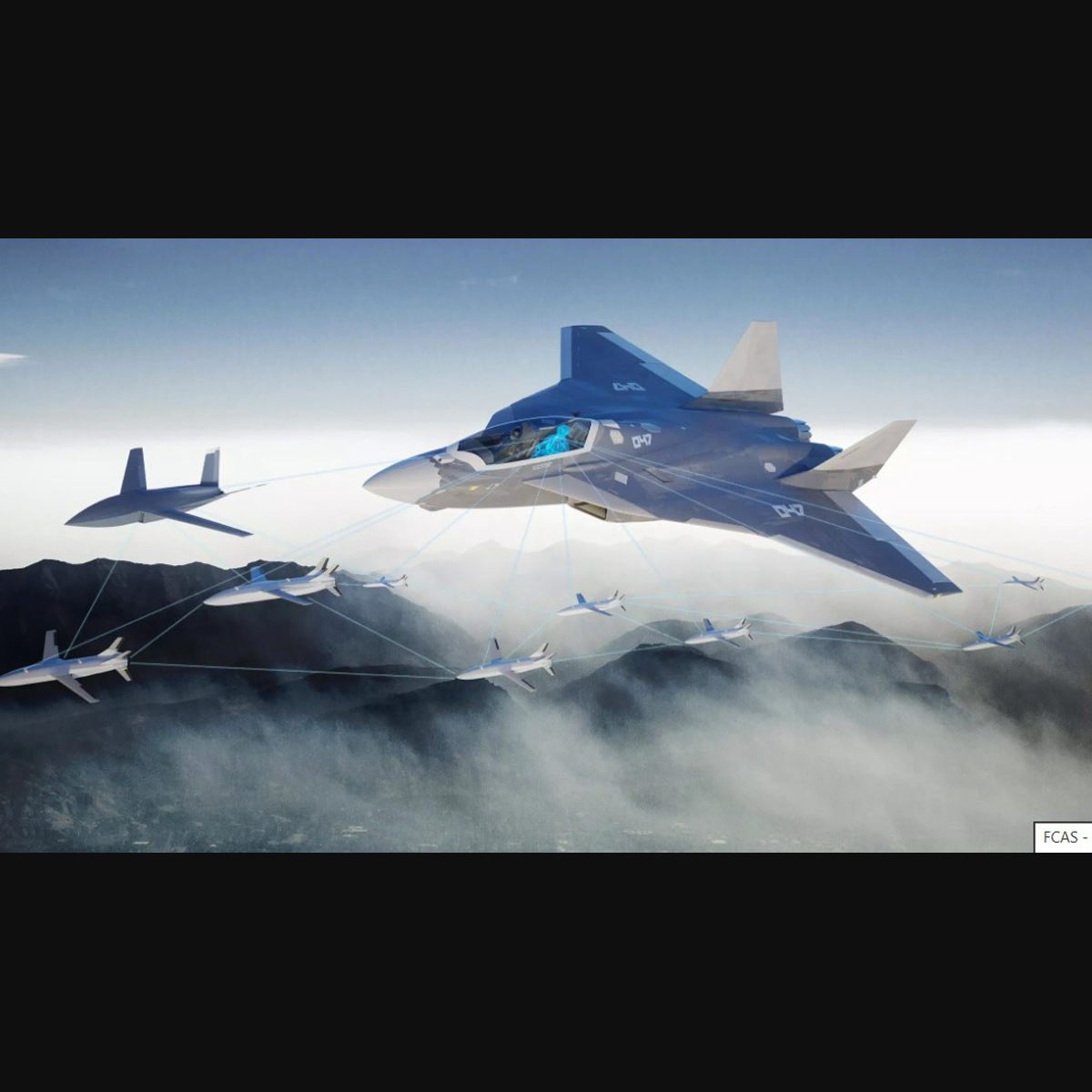
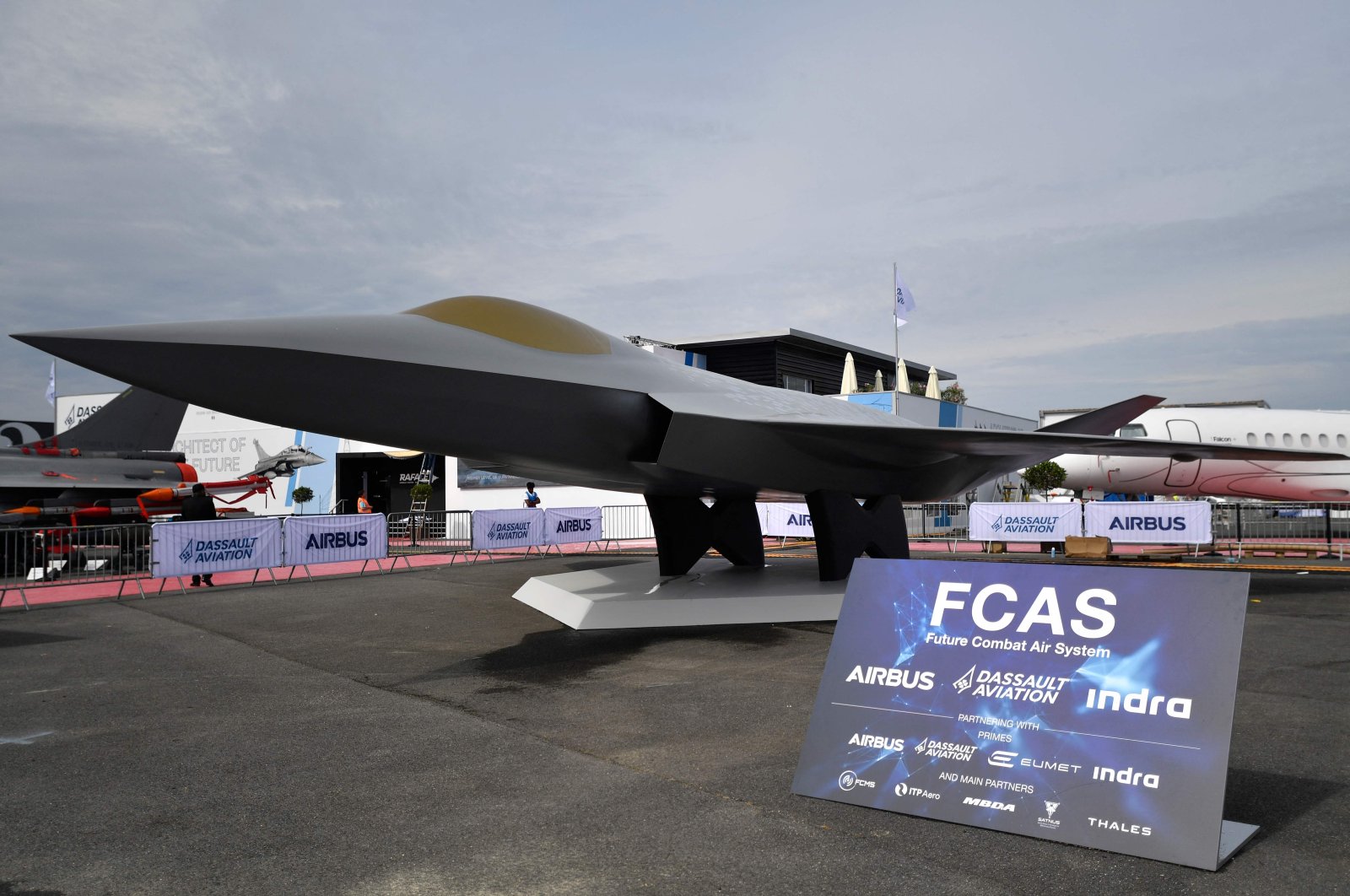
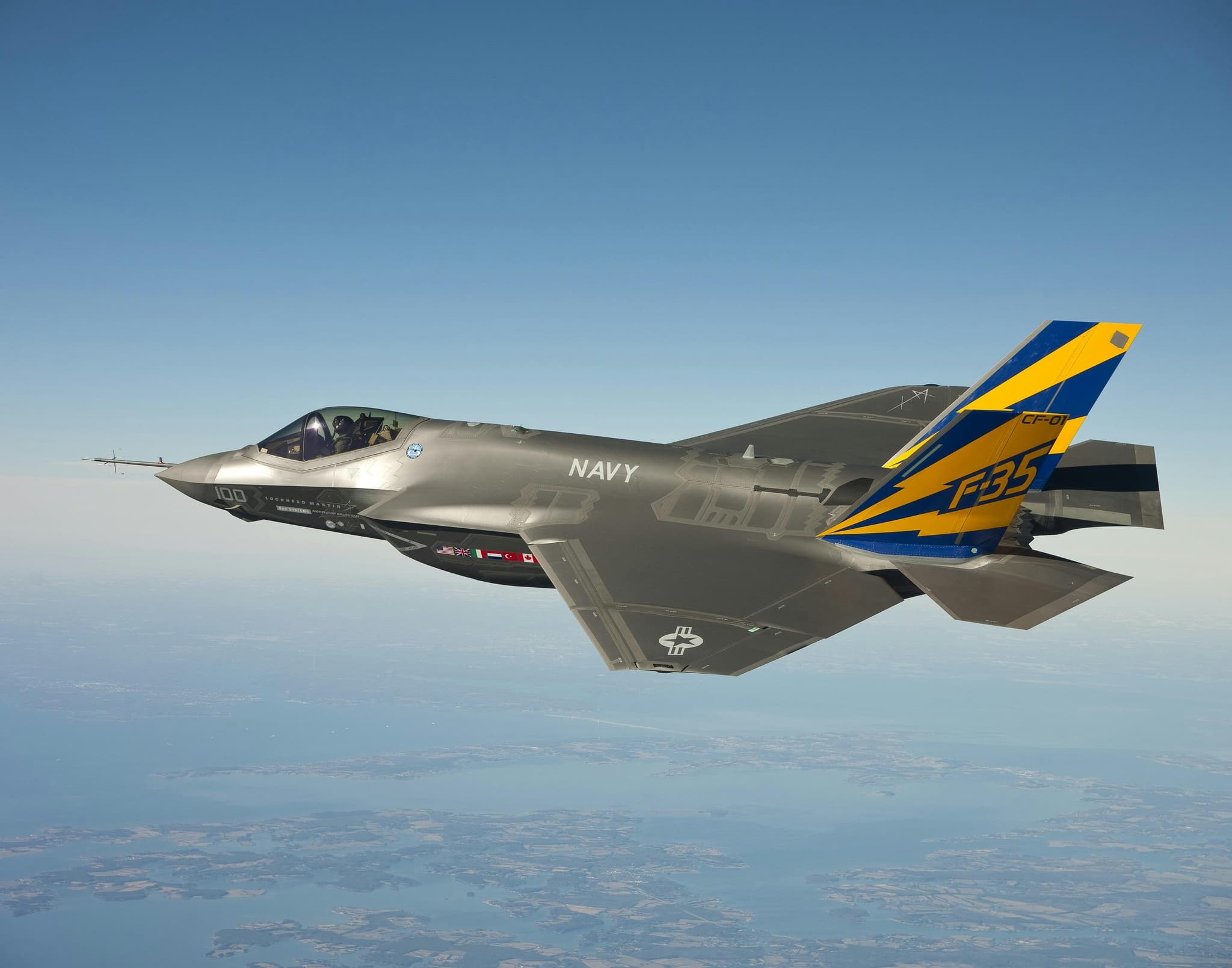
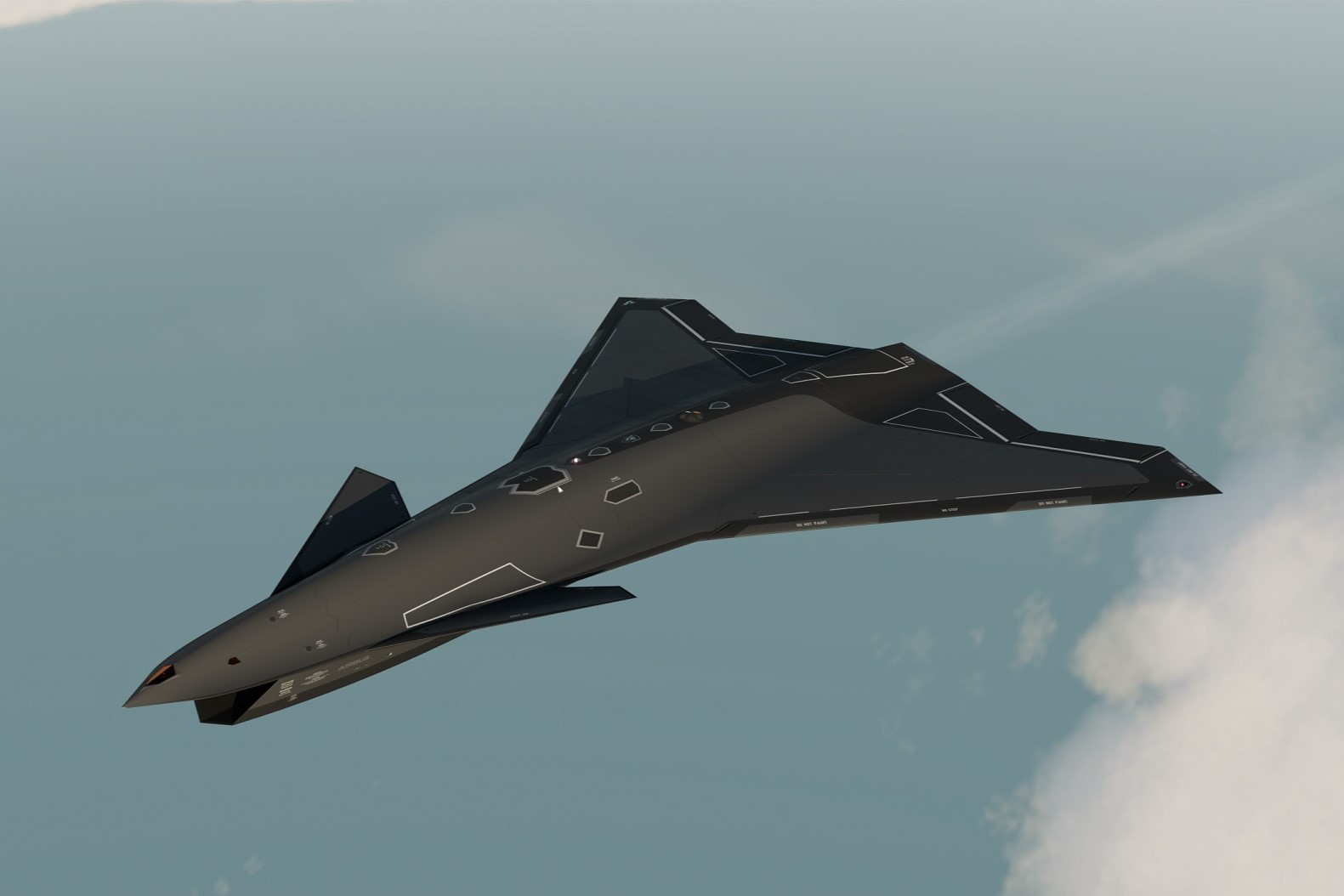
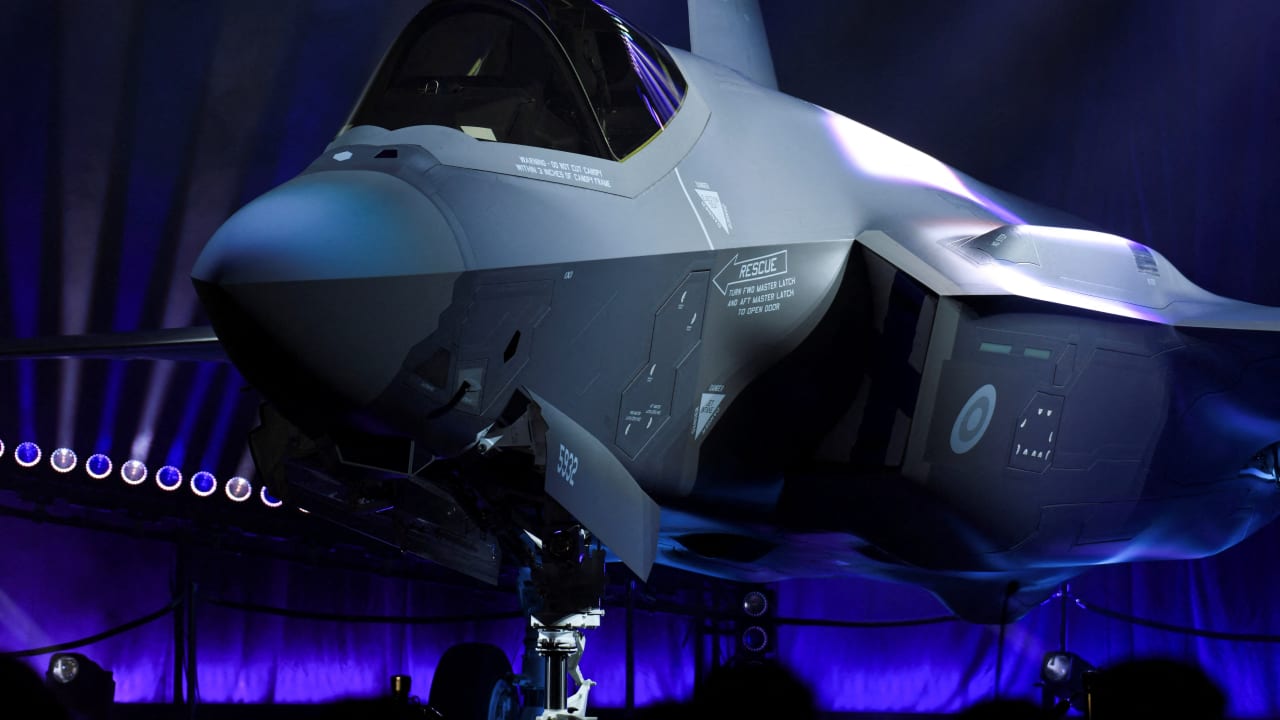
The €100 billion FCAS (Future Combat Air System) programme deadlock announced February 19, 2026, represents a critical inflection point for B2B sellers in aerospace, defence electronics, and industrial components. Airbus CEO Guillaume Faury's proposal to split the fighter jet programme into two separate warplanes—driven by fundamental disagreements between Germany (non-nuclear capable) and France (nuclear-capable requirements)—signals a major restructuring of European defence procurement and supply chains.
Supply Chain Fragmentation Creates Sourcing Opportunities: The split solution enables participation from additional NATO members with divergent operational requirements, fragmenting what was a consolidated €100B programme into parallel development tracks. This directly impacts B2B sellers in several ways: (1) Component suppliers face increased demand as two separate fighter programmes require duplicated avionics, hydraulics, materials, and electronics systems; (2) Specialized manufacturers in Germany, France, Spain, and potentially Poland, Czech Republic, and other NATO members will compete for contracts, creating sourcing arbitrage opportunities; (3) Supply chain diversification becomes mandatory—sellers currently dependent on single-source Airbus or Dassault contracts must develop alternative supplier relationships across multiple countries.
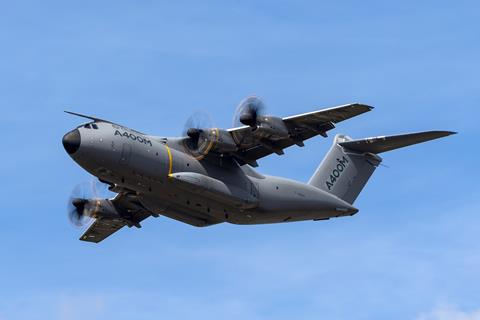
Competitive Advantage for Agile Suppliers: Airbus's 23% profit jump to €5.2 billion in 2025 masks critical supply chain vulnerabilities—the 6% share decline reflects supply chain issues affecting A320 production targets. This indicates capacity constraints and delivery delays in Airbus's existing supplier network. B2B sellers positioned in non-traditional aerospace regions (Poland, Czech Republic, Romania, Portugal) can exploit this gap by offering alternative sourcing for components currently bottlenecked in German/French supply chains. The programme's decision point (Germany, France, Spain must soon decide on next stage) creates a 6-12 month window before new supplier contracts are finalized.
Geopolitical Sourcing Shifts: The deadlock reflects diverging European defence doctrines and national security priorities. This fragmentation mirrors broader NATO expansion trends—the split solution "could attract additional European partners," signaling that Eastern European NATO members (Poland, Romania, Hungary) may enter the supply chain for specific components. Sellers with manufacturing or distribution capabilities in these regions gain competitive advantage for contracts that require NATO-compatible sourcing or geographic diversification away from France-Germany concentration.
Questions 8
How should B2B sellers position for FCAS contract opportunities?
Immediate actions (Q1-Q2 2026): (1) Obtain NATO CAGE codes and defence contractor certifications, (2) Audit manufacturing capacity against potential FCAS component specifications, (3) Establish relationships with Airbus, Dassault, and Spanish defence contractors' procurement teams. Medium-term (Q3-Q4 2026): (1) Respond to RFQs with competitive pricing and delivery timelines, (2) Develop alternative sourcing strategies to address Airbus's documented supply chain constraints, (3) Consider partnerships with established defence suppliers to strengthen bids. Strategic positioning: Sellers in Eastern Europe or with excess manufacturing capacity have 12-18 month window to establish credibility before contract awards lock in for decade-long programmes. The €100B programme size justifies significant investment in compliance and relationship-building.
What product categories see the highest demand from FCAS programme fragmentation?
The split creates demand across multiple HS codes: (1) Avionics and flight control systems (HS 8803-8804), (2) Radar and communications equipment (HS 8526-8529), (3) Hydraulic and pneumatic components (HS 8481-8483), (4) Composite materials and structural components (HS 3916, 7007), (5) Electrical connectors and wiring (HS 8544-8548). The duplication effect means suppliers in these categories can expect 40-80% volume increases as two programmes require parallel component sourcing. Sellers should prioritize these categories for NATO-certified manufacturing capacity expansion.