





Architectural Legacy Meets Acoustic Innovation Frank Gehry's Transformative Design Vision
- Exploring the Intersection of Creativity and Precision in Modern Architectural Design




























































Overview
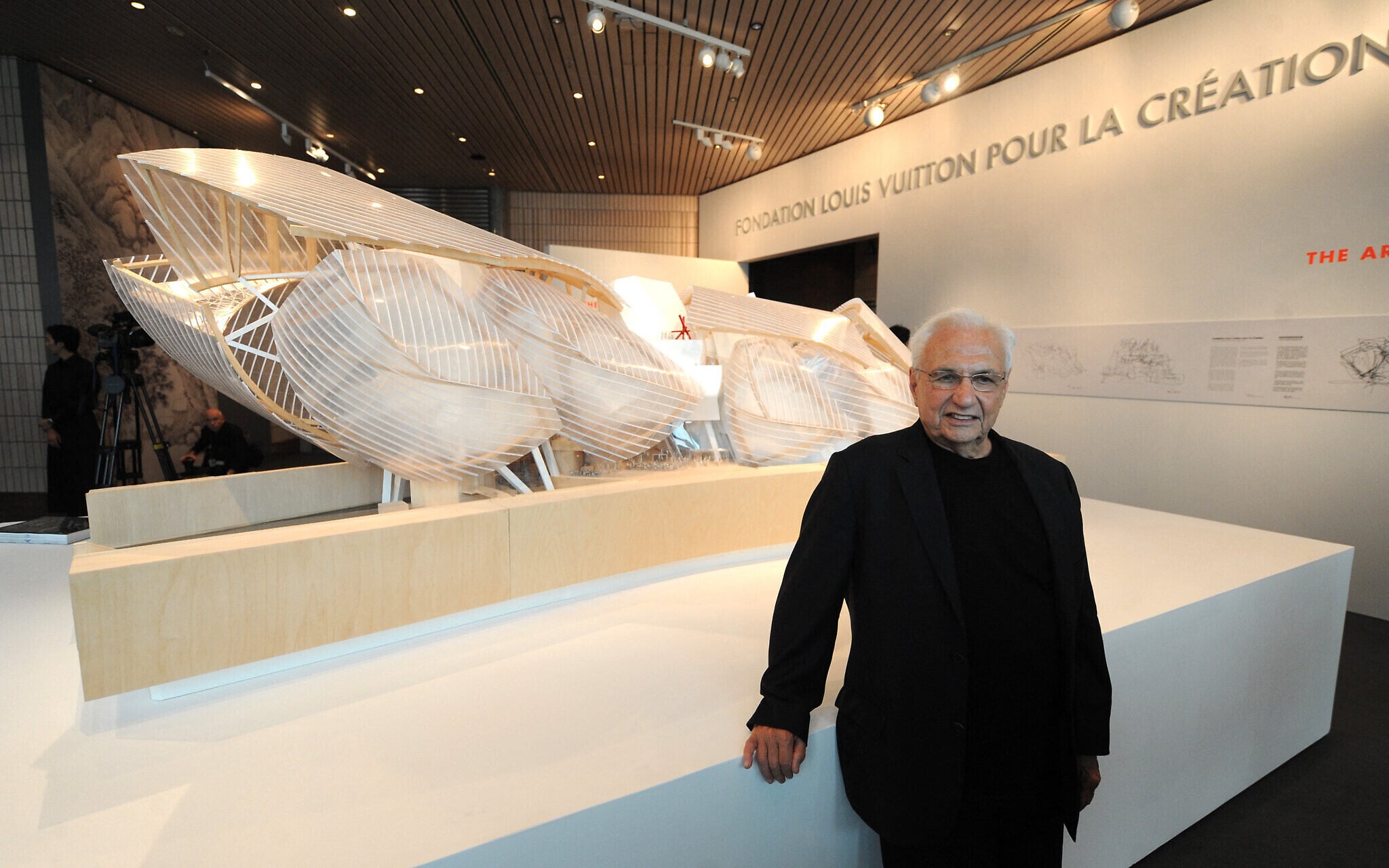
Architectural innovation transcends mere visual spectacle, as exemplified by Frank Gehry's groundbreaking approach to concert hall design. The recent obituary celebrating Gehry's architectural legacy reveals a profound narrative of creative collaboration and acoustic excellence that extends far beyond traditional architectural boundaries.
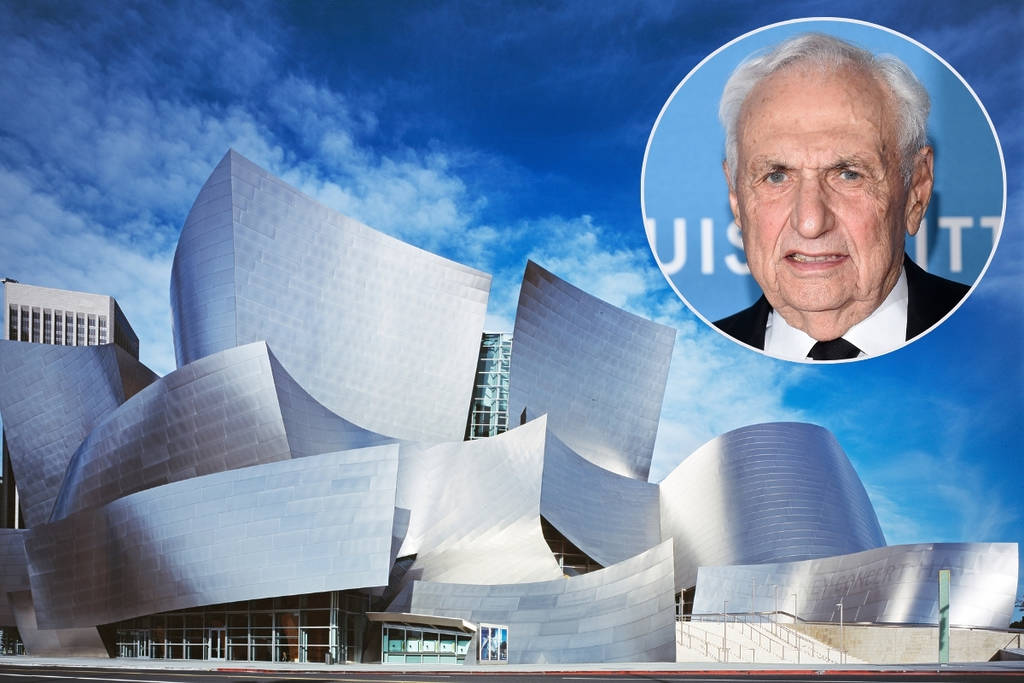
Gehry's Design Philosophy represents a radical reimagining of how buildings interact with sound and human experience. His most iconic work, the Walt Disney Concert Hall in Los Angeles, stands as a testament to his unique ability to merge sculptural form with acoustic precision. Unlike conventional architects who treat sound as a secondary consideration, Gehry approached acoustic design as a collaborative art form, working intimately with musicians and sound engineers to create spaces that are not just visually stunning but aurally transformative.
The Collaborative Essence of Design emerges as a critical insight from Gehry's approach. His work demonstrates that truly revolutionary architecture requires breaking down traditional disciplinary boundaries. By engaging directly with musicians and acousticians, Gehry transformed concert halls from mere performance spaces into living, breathing instruments. This approach reflects a broader principle of interdisciplinary innovation—where expertise from multiple domains converges to create something genuinely groundbreaking.
Architectural Storytelling Through Sound represents Gehry's most profound contribution. Each of his buildings tells a story not just through visual form, but through the way sound moves, resonates, and transforms within the space. The Walt Disney Concert Hall becomes more than a building; it's a sophisticated acoustic instrument that shapes musical experiences, turning architectural design into a form of sensory storytelling.
The legacy of Frank Gehry challenges us to reimagine architecture as a multisensory, collaborative art form. His work demonstrates that true innovation occurs at the intersection of creativity, technical precision, and interdisciplinary dialogue—a principle that extends far beyond the realm of architectural design.
Questions 3
What broader lessons can be learned from Gehry's architectural approach?
Gehry's work teaches us that true innovation occurs through interdisciplinary collaboration, breaking down traditional boundaries between different fields of expertise. His approach demonstrates the power of combining creative vision with technical precision across multiple domains.
How did Gehry's Walt Disney Concert Hall represent his design philosophy?
The Walt Disney Concert Hall exemplifies Gehry's approach of merging sculptural form with acoustic precision. It was designed through extensive collaboration with sound experts, creating a space that is both a visual landmark and an acoustically refined performance venue that actively shapes musical experiences.