


China's AI Chip Revolution Sparks Global Tech Transformation
- Domestic Innovation Challenges Global Semiconductor Landscape












































Overview
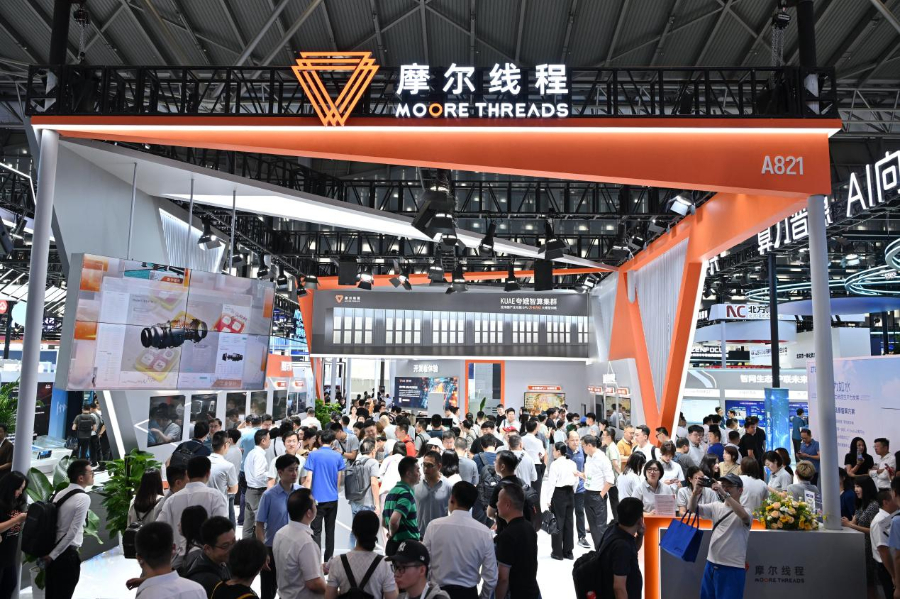
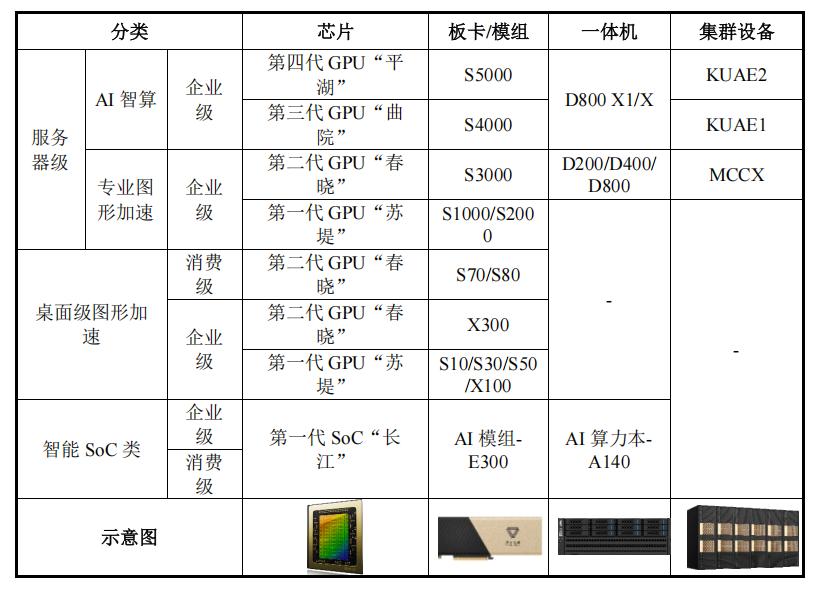
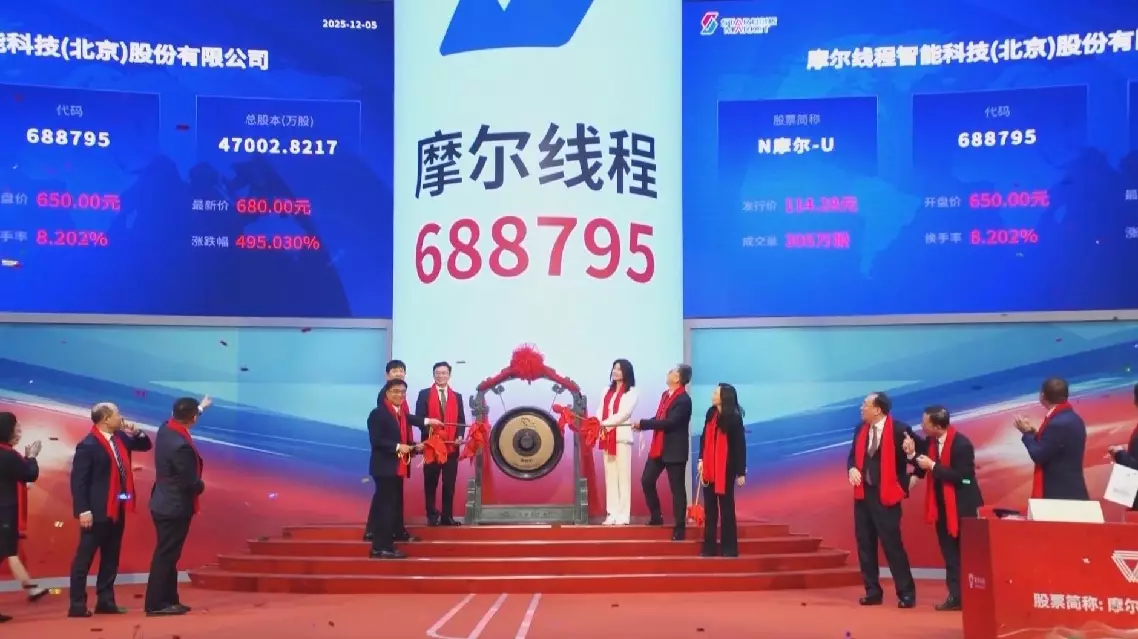
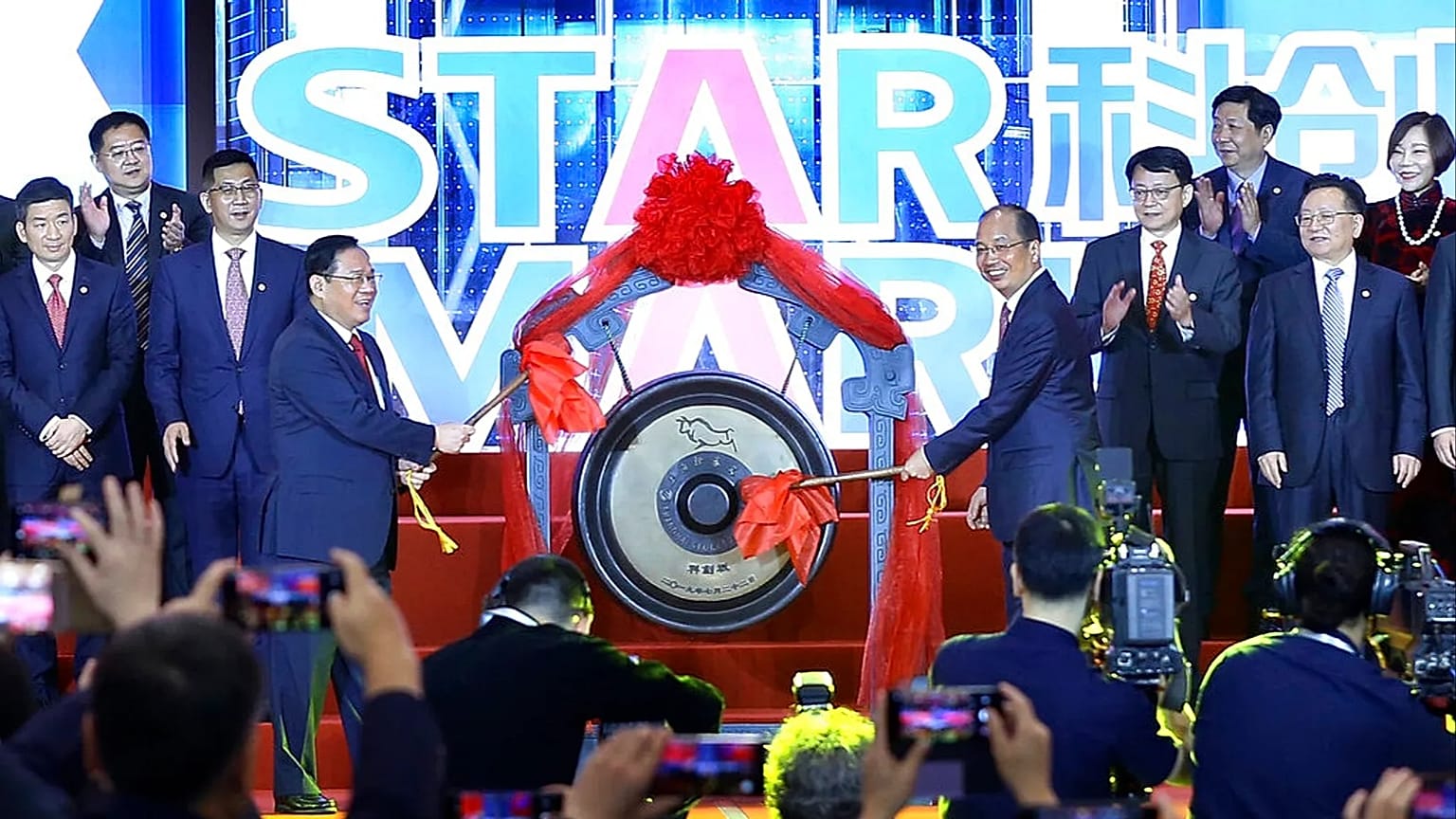
The extraordinary market debut of Moore Threads represents a pivotal moment in China's technological self-sufficiency strategy, signaling a profound shift in the global semiconductor and AI infrastructure landscape. With an unprecedented 425% IPO surge and retail investor demand exceeding available shares by 2,750 times, this event transcends a mere financial milestone—it's a strategic declaration of technological independence.
Strategic Technological Decoupling is the underlying narrative driving this remarkable performance. By raising over 8 billion yuan ($1.13 billion), Moore Threads demonstrates China's commitment to developing indigenous AI chip capabilities that can challenge established international players like Nvidia. The overwhelming investor enthusiasm reveals a deeper geopolitical and technological narrative: a concerted effort to reduce reliance on foreign semiconductor technologies.
The IPO's success is not just about one company, but represents a broader ecosystem transformation. Government-backed innovation, combined with strategic talent recruitment (notably, the founder's background as a former Nvidia executive), creates a powerful mechanism for technological leap-frogging. This approach goes beyond mere imitation—it's about creating competitive alternatives that can potentially redefine the global AI computational infrastructure.
For technology investors and strategists, this signals a critical inflection point. The market is signaling that domestic technological capabilities are no longer a distant aspiration but an immediate, investable reality. The extraordinary investor response suggests a growing confidence in China's ability to develop cutting-edge semiconductor and AI technologies that can compete on a global stage.
Critically, this development has profound implications beyond the semiconductor sector. It represents a blueprint for how emerging technological ecosystems can strategically develop indigenous capabilities by combining government support, targeted talent acquisition, and aggressive market positioning.
Questions 3
How does this IPO impact the global semiconductor landscape?
Moore Threads' successful debut challenges the existing semiconductor ecosystem by demonstrating that Chinese tech companies can develop advanced AI computational infrastructure. This creates potential competitive pressure on established international players and suggests a more multipolar technological innovation landscape.
What makes Moore Threads' IPO significant beyond its financial performance?
The IPO represents China's strategic push for technological self-sufficiency in AI and semiconductor technologies. By attracting massive investor interest and raising substantial capital, Moore Threads signals China's capability to develop competitive indigenous technological alternatives to global leaders like Nvidia.