


Trump's Middle East Diplomatic Recalibration: Geopolitical Tensions and Strategic Realignment
- Navigating Complex Regional Dynamics with Nuanced Policy Interventions for Multinational Stakeholders










Overview
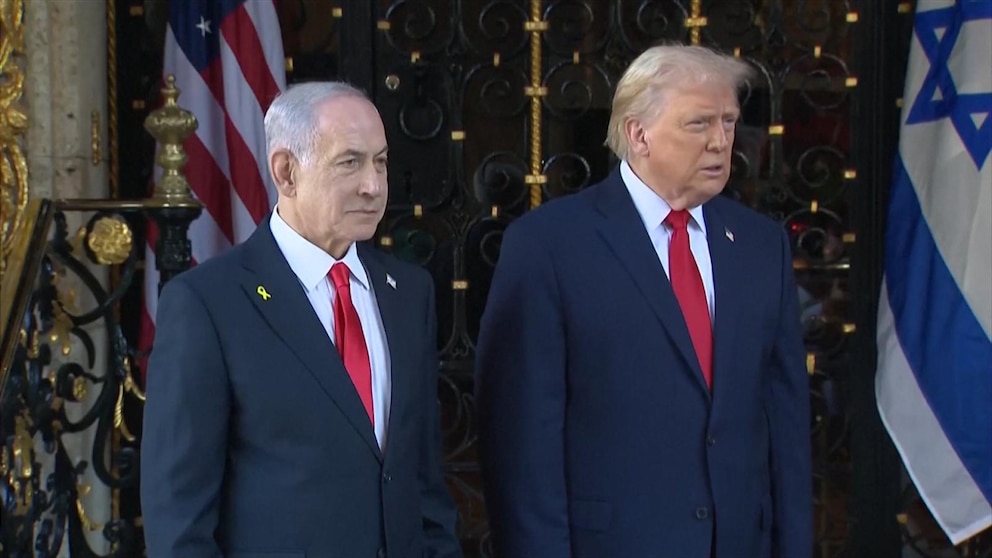
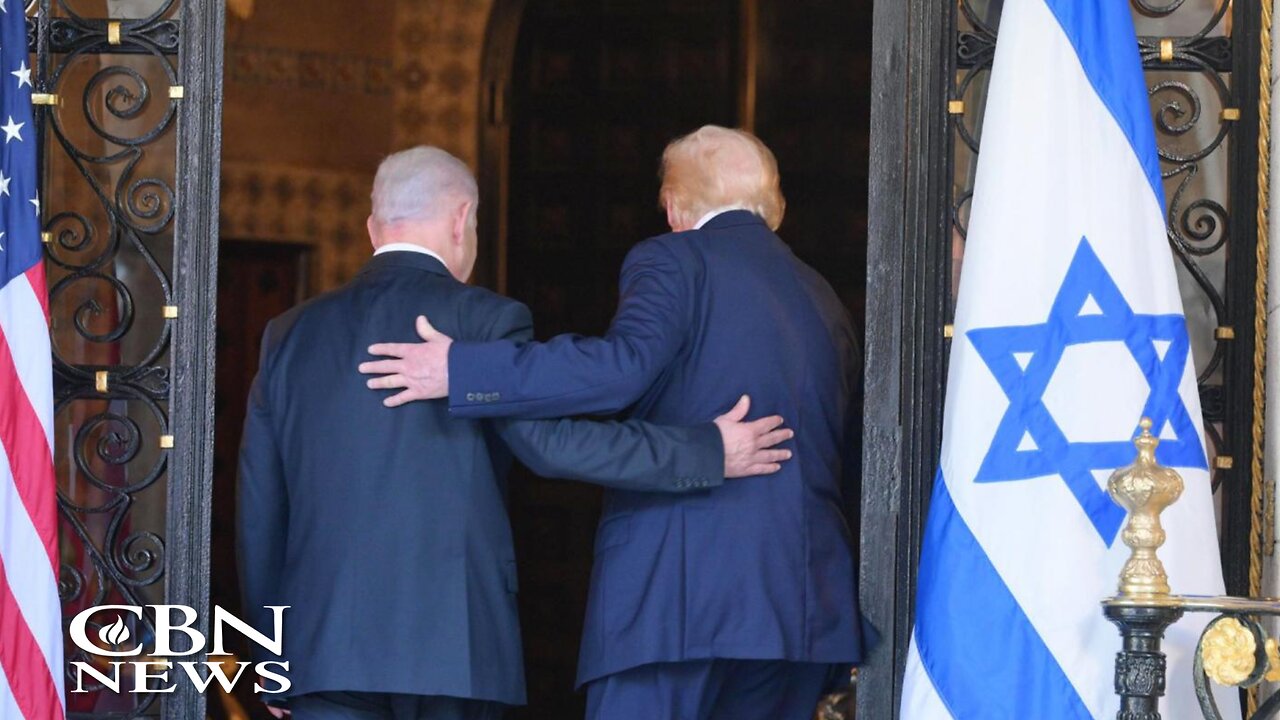
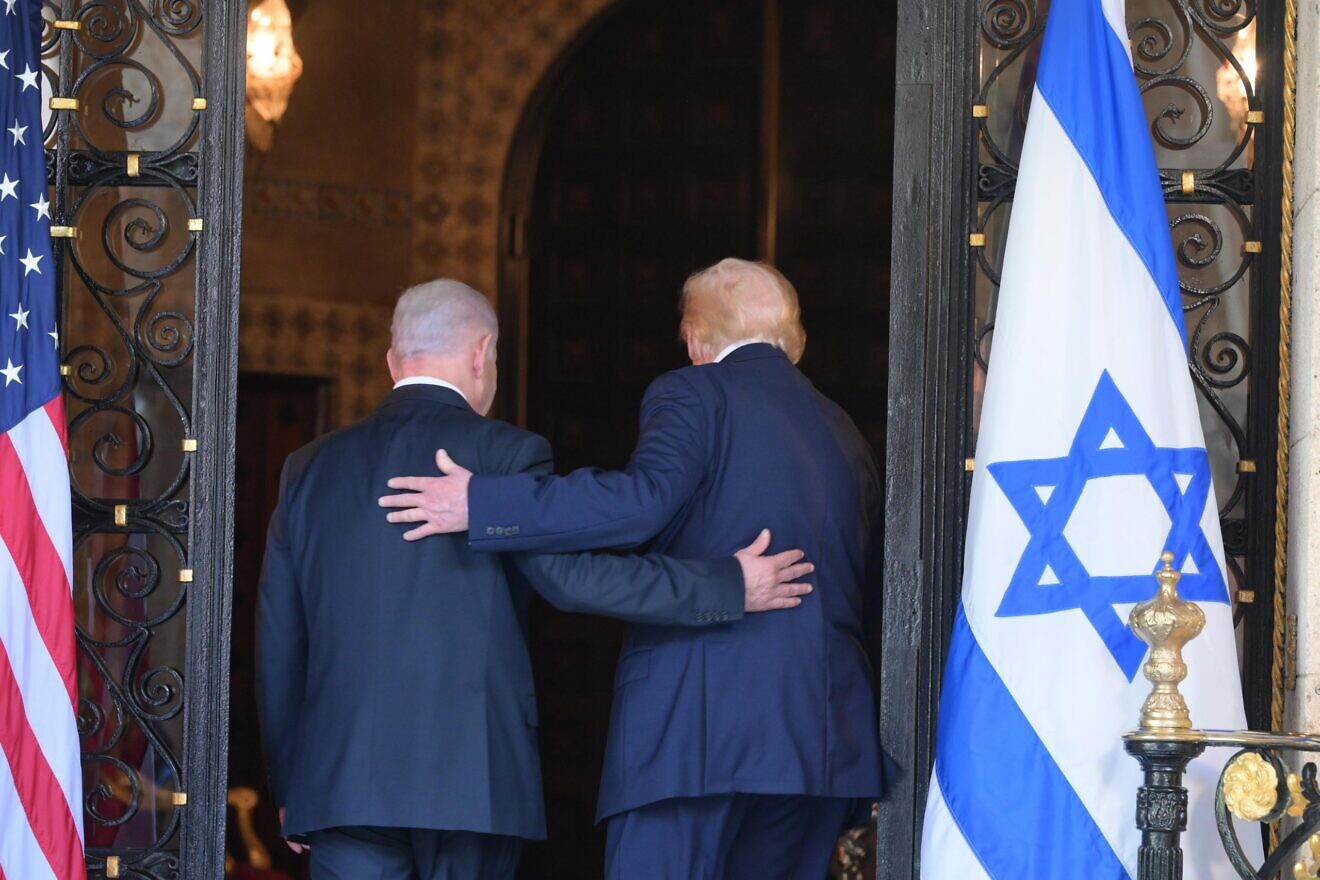
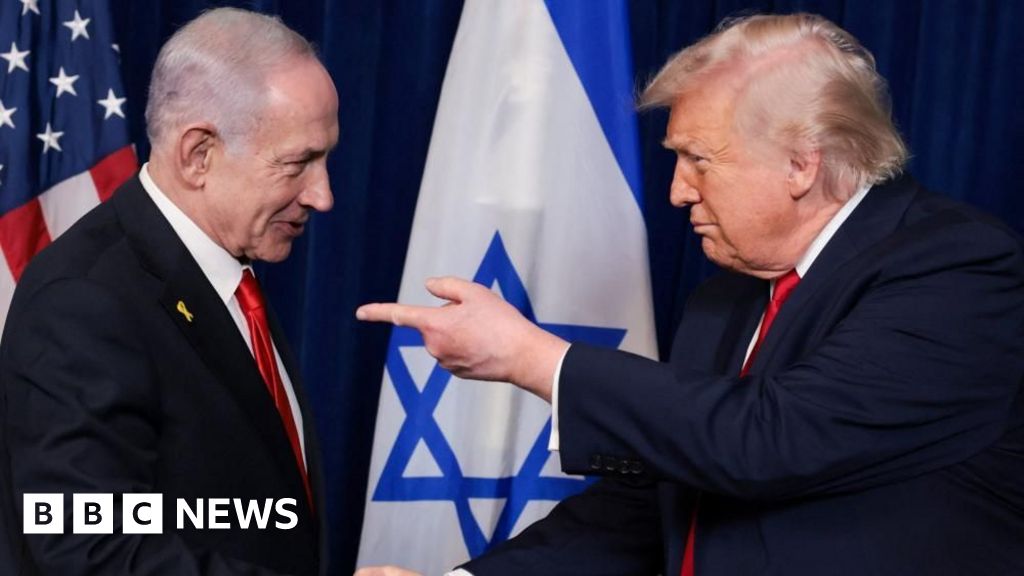
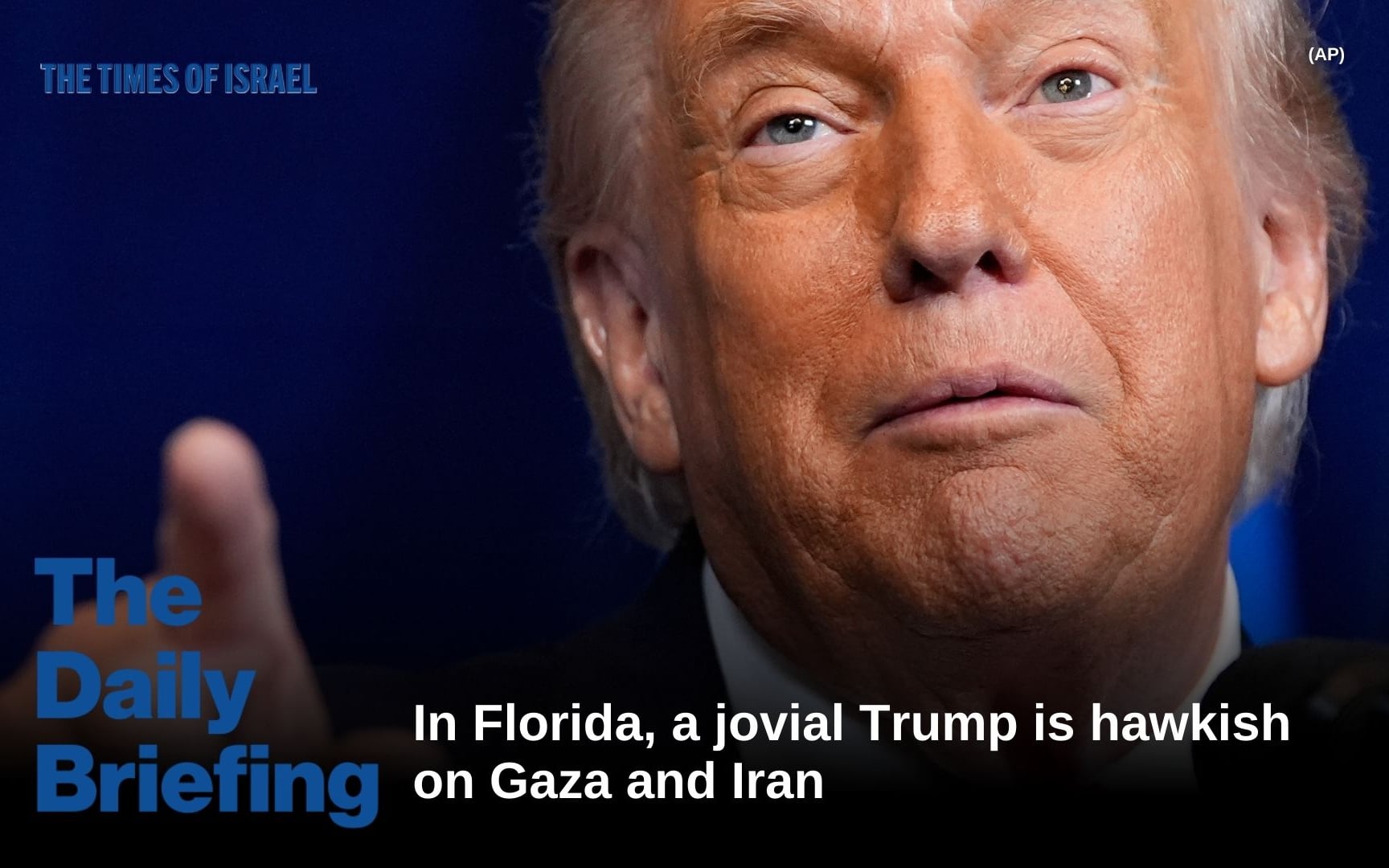
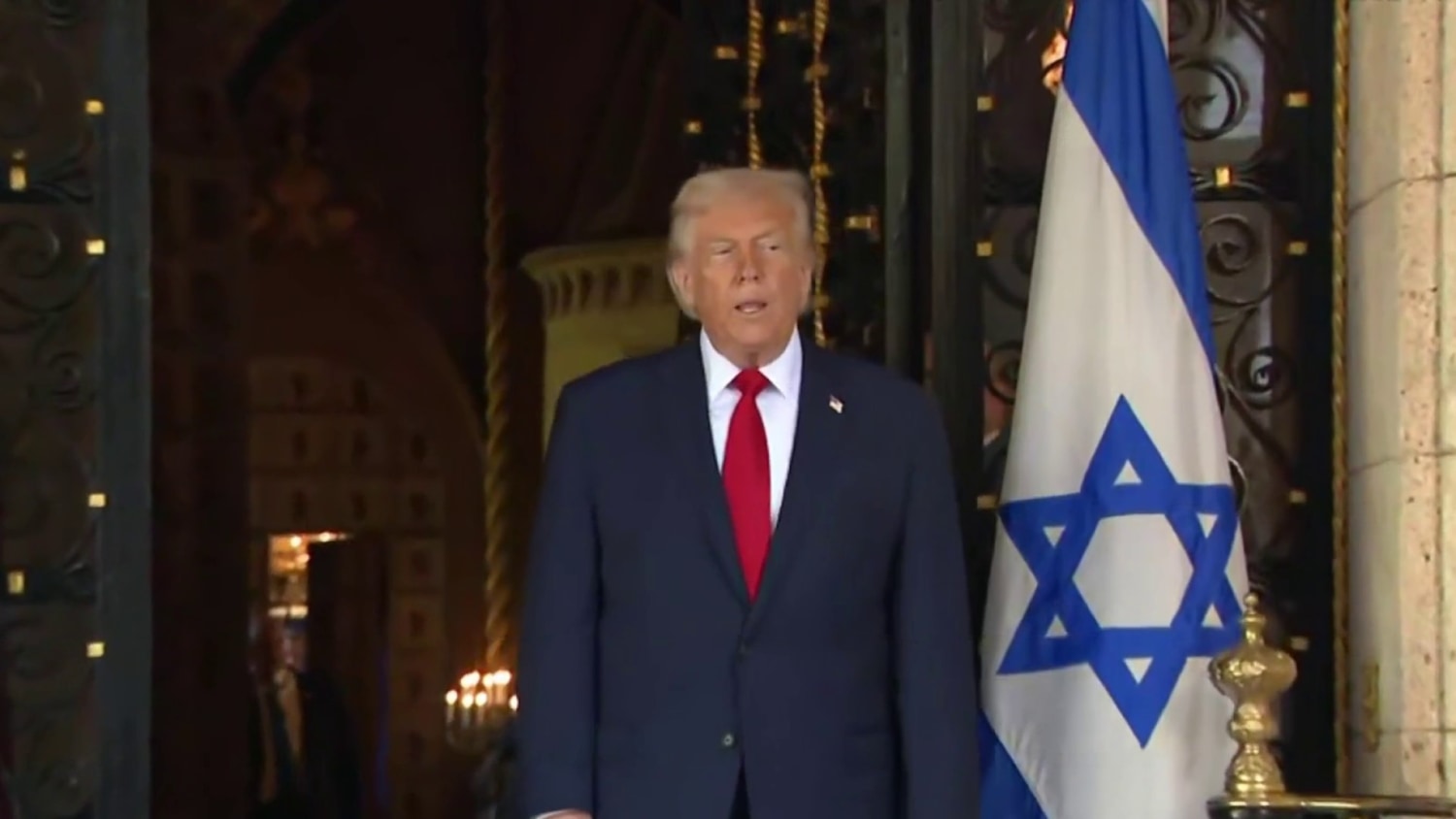
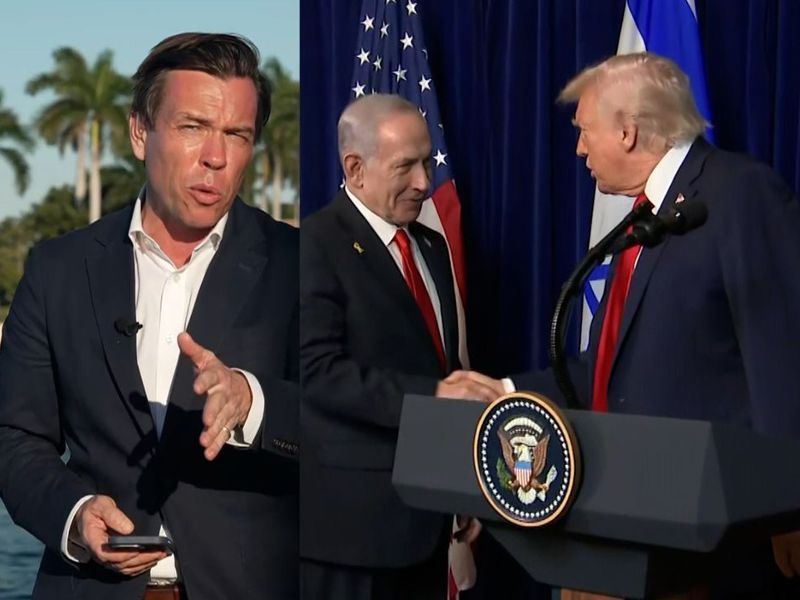
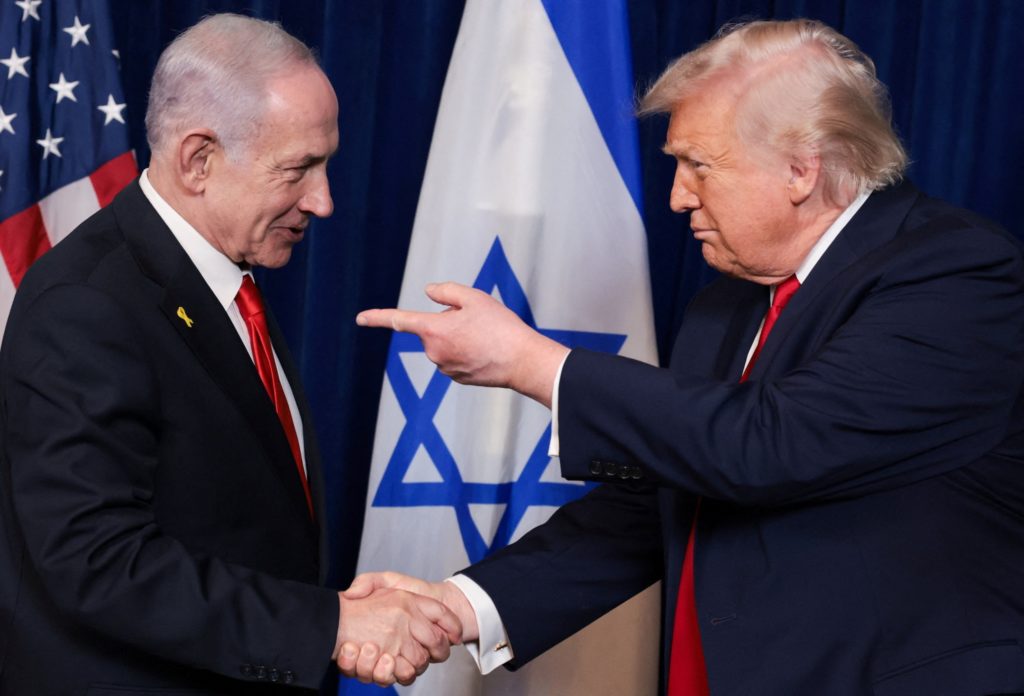
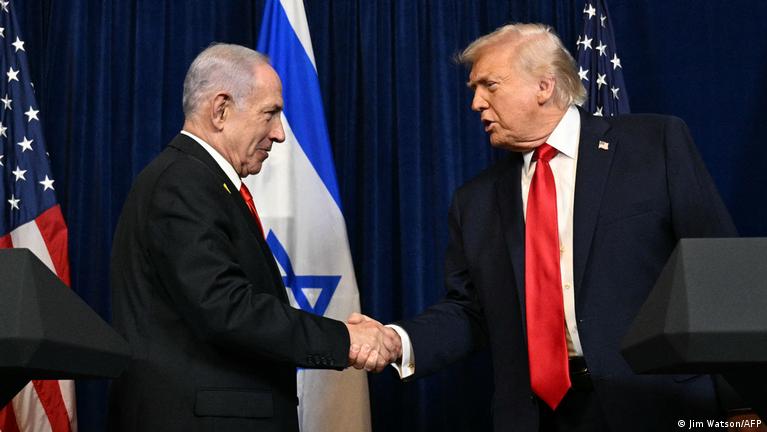
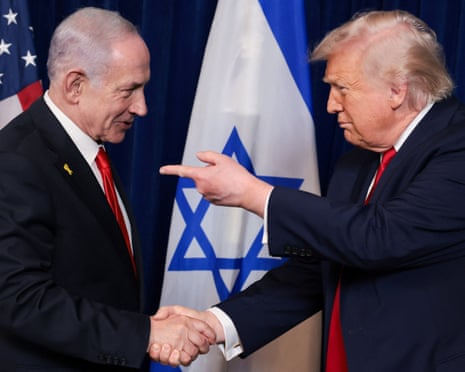
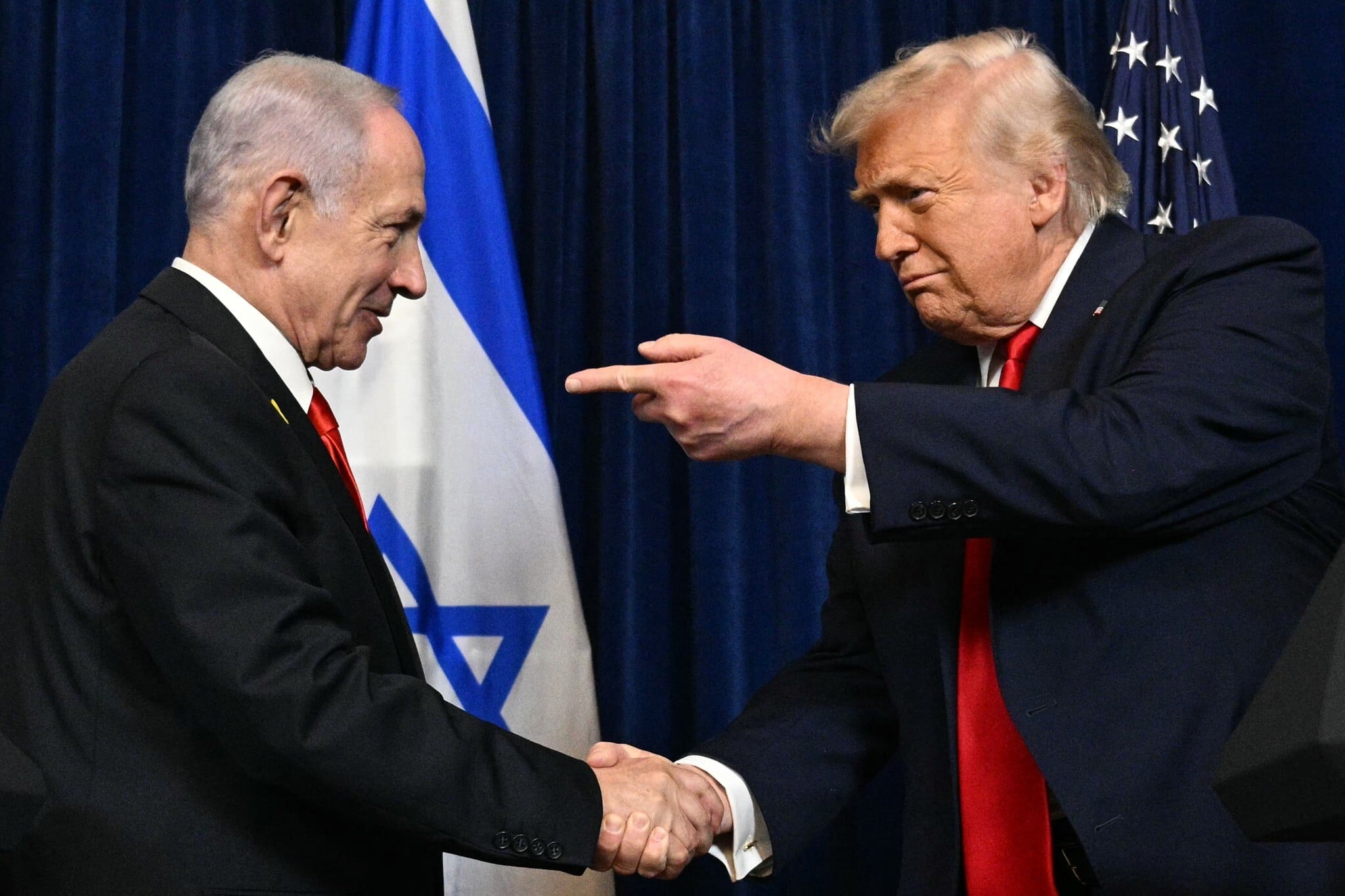
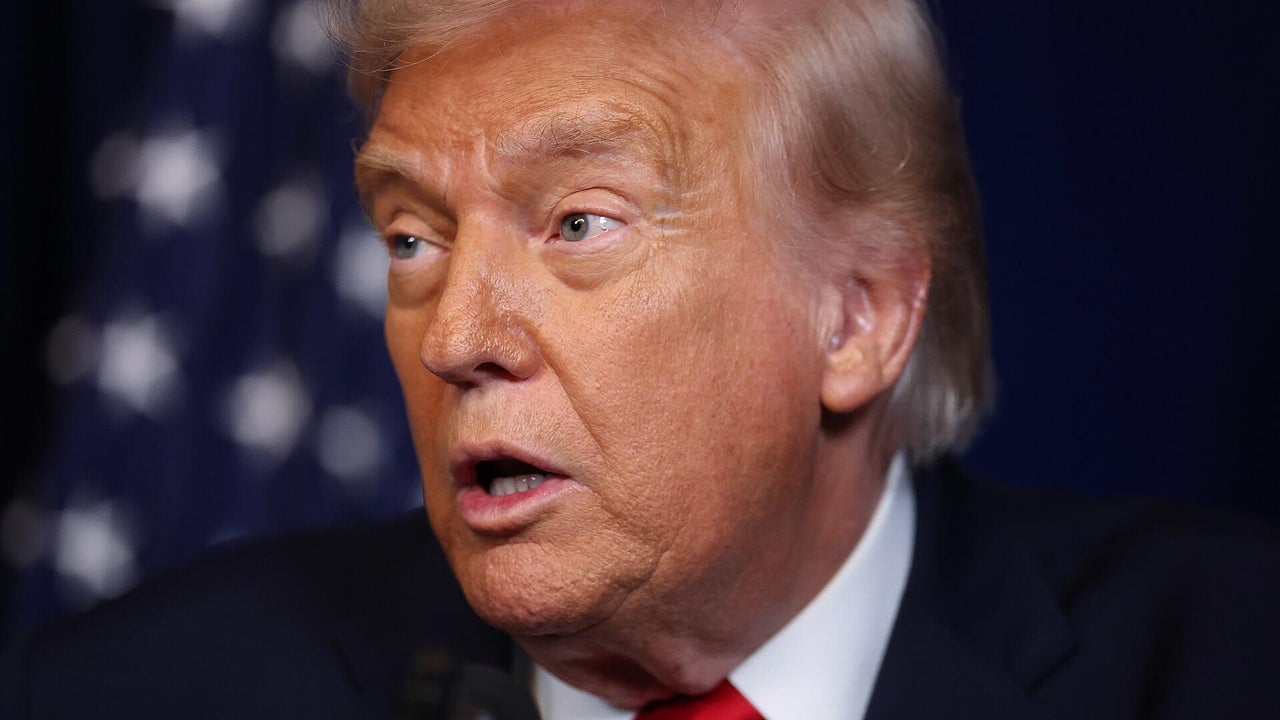
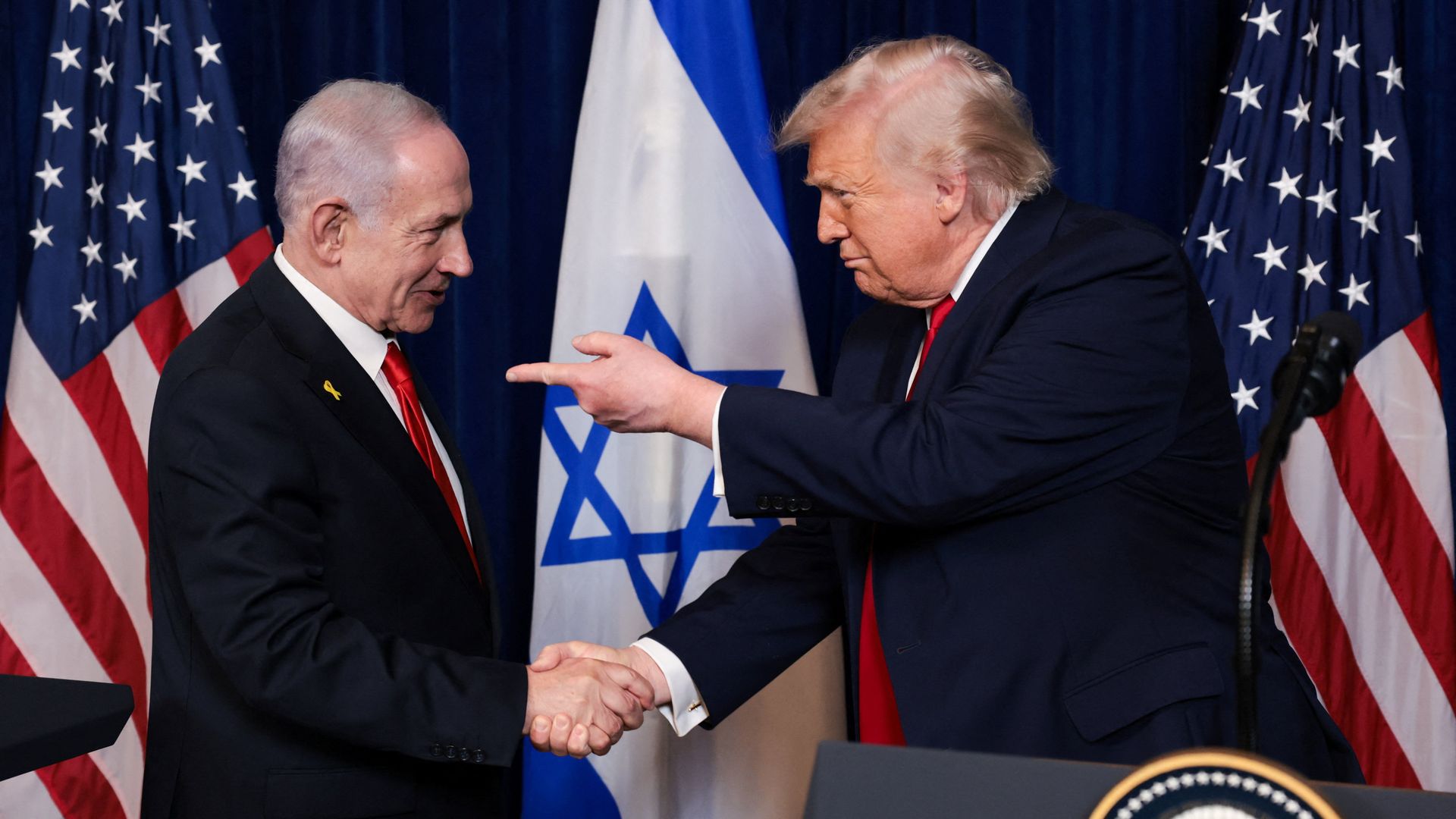
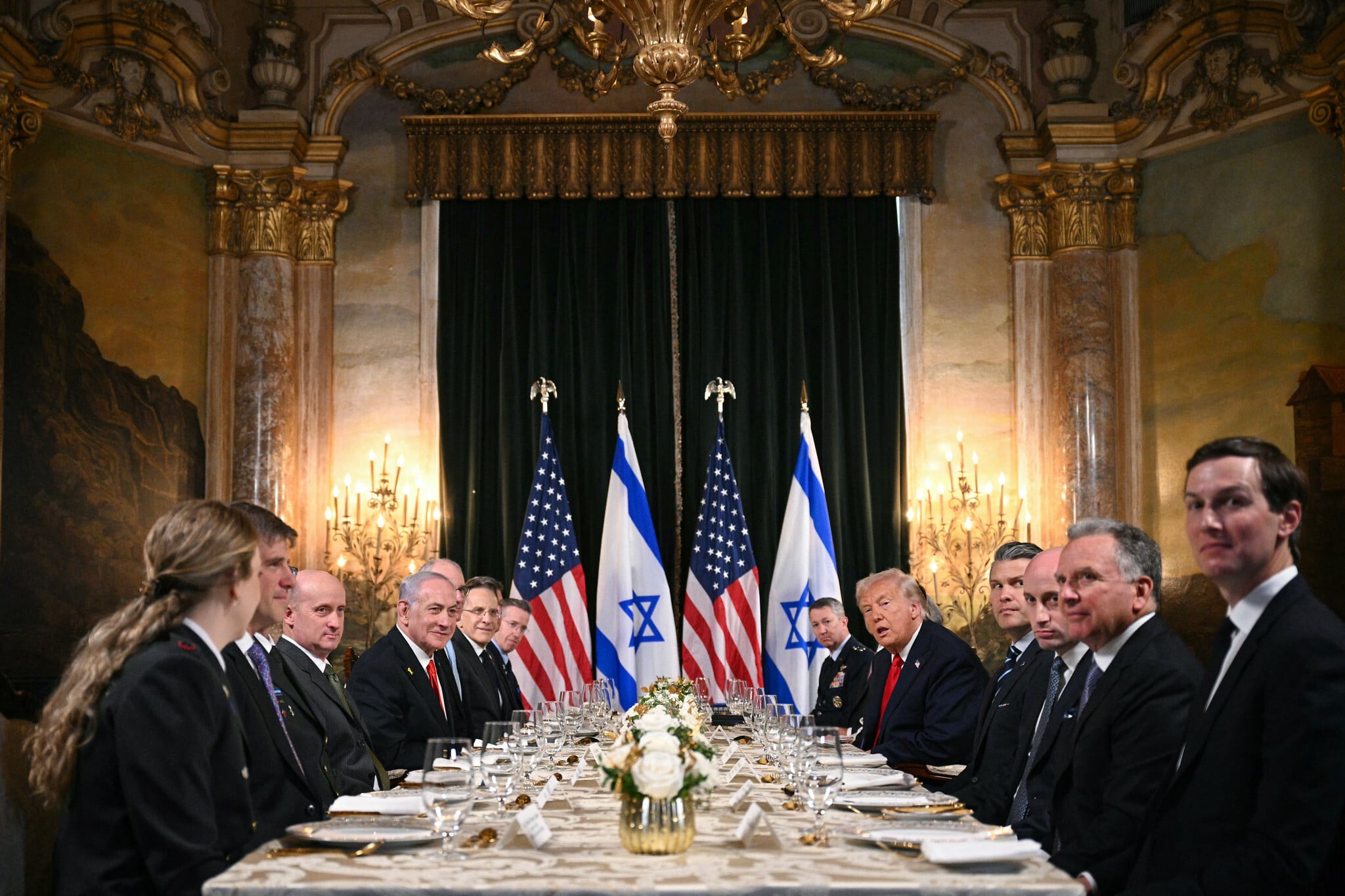
The recent diplomatic interactions between President Trump and Israeli Prime Minister Netanyahu reveal a sophisticated geopolitical recalibration with profound implications for regional stability and international business strategies. At the core of these discussions lies a delicate balancing act: managing Israeli-Palestinian tensions while preserving strategic partnerships and preventing potential escalations.
Diplomatic Pressure Points: Trump's administration strategically engaged Netanyahu on multiple fronts, focusing on critical issues like settler violence and West Bank policy. By requesting significant policy changes, the White House demonstrated a nuanced approach to regional conflict management. The discussions went beyond traditional diplomatic exchanges, addressing concrete concerns about financial instability of the Palestinian Authority and potential settlement expansions.
The geopolitical landscape emerging from these meetings suggests a strategic realignment with multiple layers of complexity. Trump's commitment to supporting potential Israeli actions against Iran, combined with efforts to de-escalate West Bank tensions, indicates a multifaceted diplomatic strategy. This approach aims to maintain regional stability while providing flexibility for strategic interventions.
For international businesses operating in the Middle East, these developments signal a critical need for adaptive strategies. The diplomatic discussions highlight potential regulatory uncertainties and compliance challenges. Companies must develop robust risk management frameworks that can quickly respond to geopolitical shifts. The potential for disrupted supply chains, changing investment landscapes, and complex regulatory environments demands proactive monitoring and strategic flexibility.
The underlying message is clear: geopolitical stability remains a crucial factor in international business strategies. Multinational stakeholders must view these diplomatic interactions not just as political events, but as critical indicators of potential market transformations. The ability to interpret and anticipate these nuanced diplomatic signals will separate successful global enterprises from those caught unprepared.
Questions 3
How might these diplomatic discussions impact international businesses in the Middle East?
Businesses should anticipate potential regulatory uncertainties, supply chain disruptions, and complex compliance environments. The diplomatic interactions suggest a need for adaptive strategies that can quickly respond to geopolitical shifts, with particular attention to investment landscapes and market access conditions.
What are the potential long-term implications of these diplomatic negotiations?
The negotiations signal a potential restructuring of regional dynamics, with implications for strategic partnerships, conflict management, and economic cooperation. International stakeholders should expect continued diplomatic complexity and the need for flexible, proactive approaches to regional engagement.