



Bangladesh's Political Dynastic Transition Signals Emerging Geopolitical Recalibration
- Khaleda Zia's Death Marks Pivotal Moment in Bangladesh's Democratic Evolution



)
















)


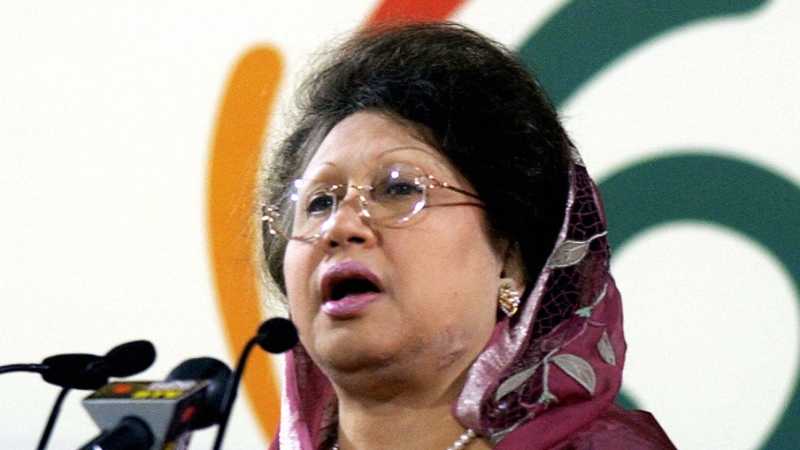

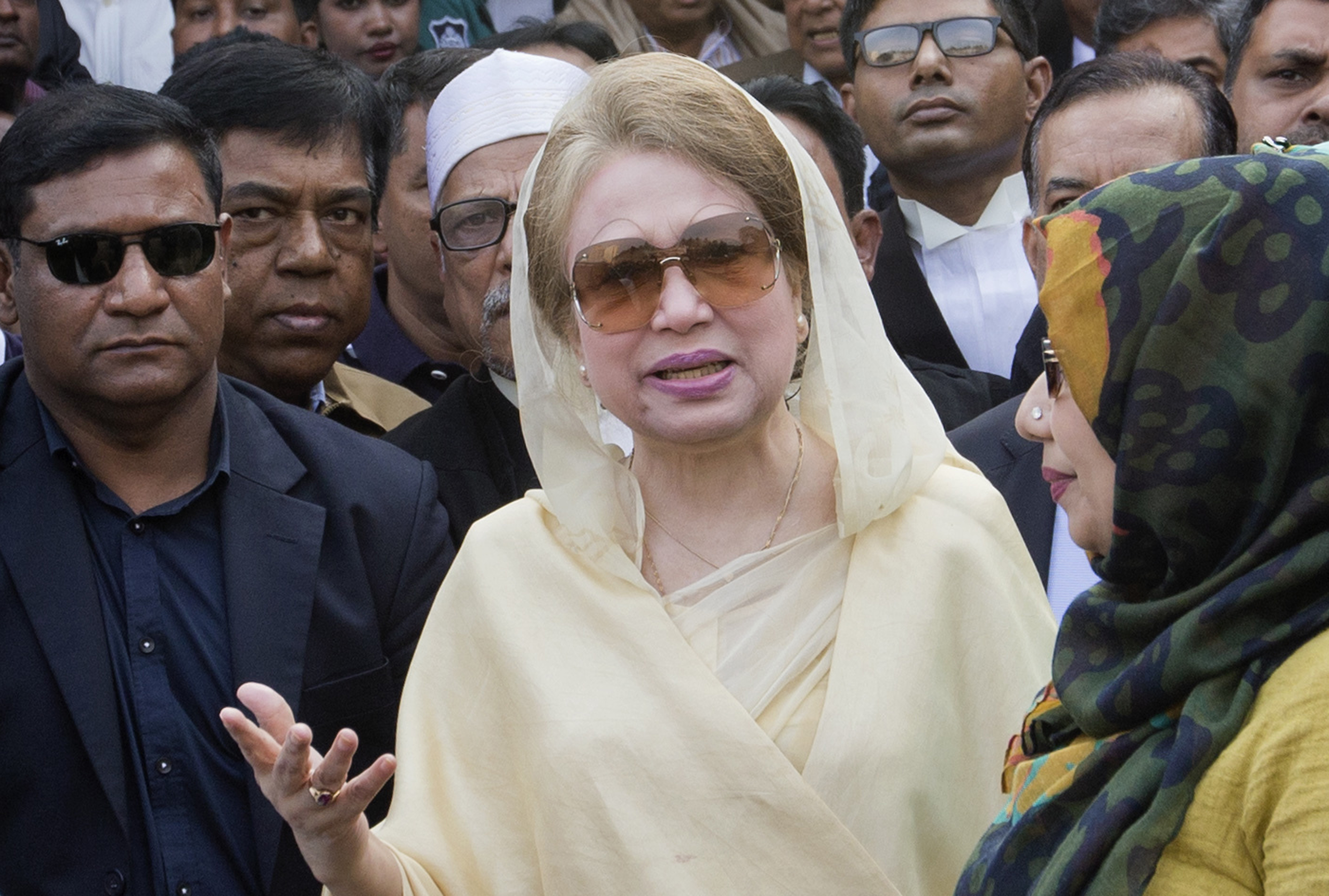


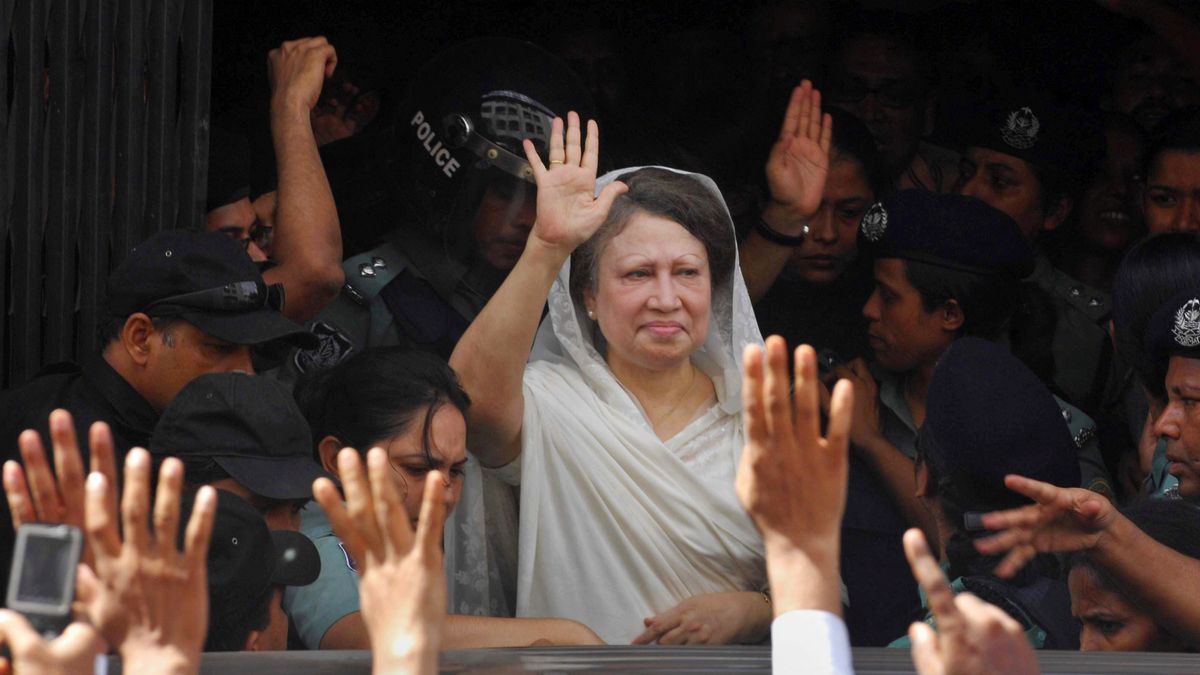
)





)





Overview
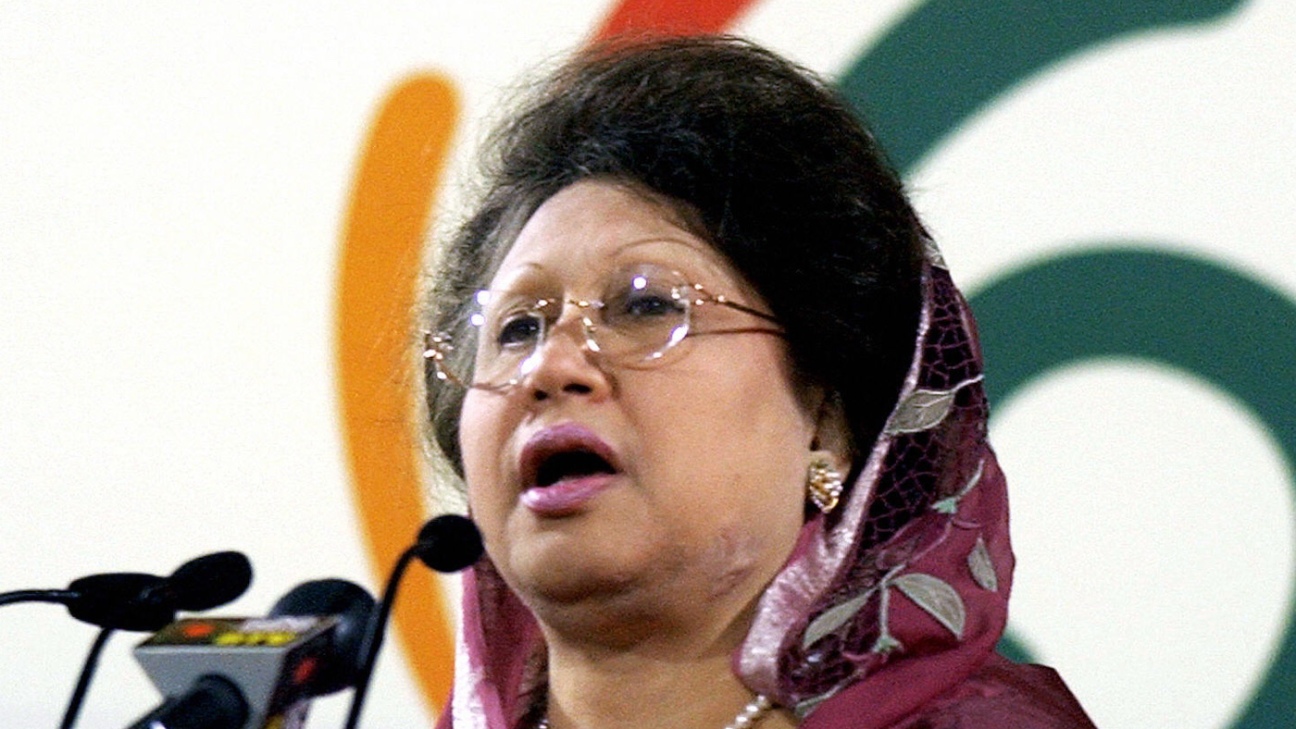
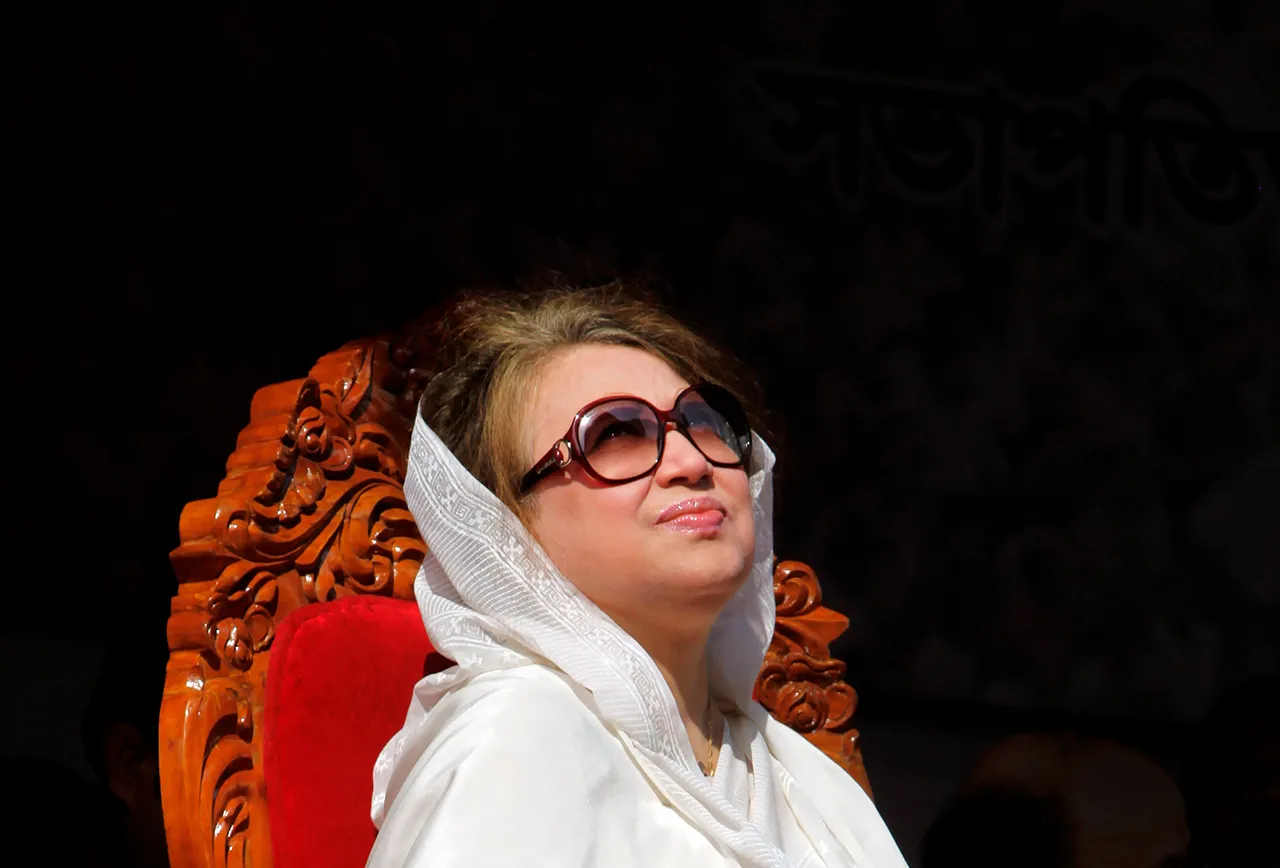
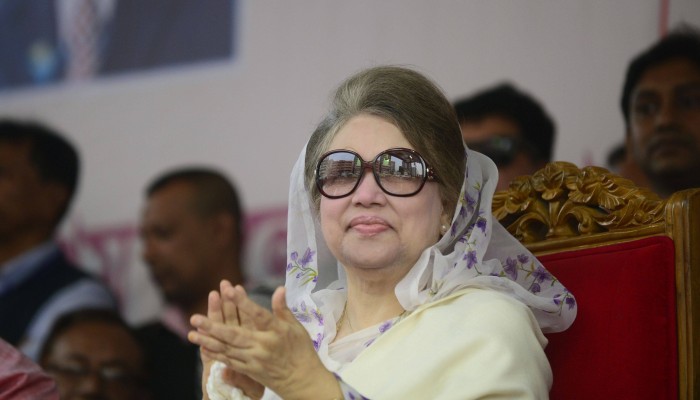
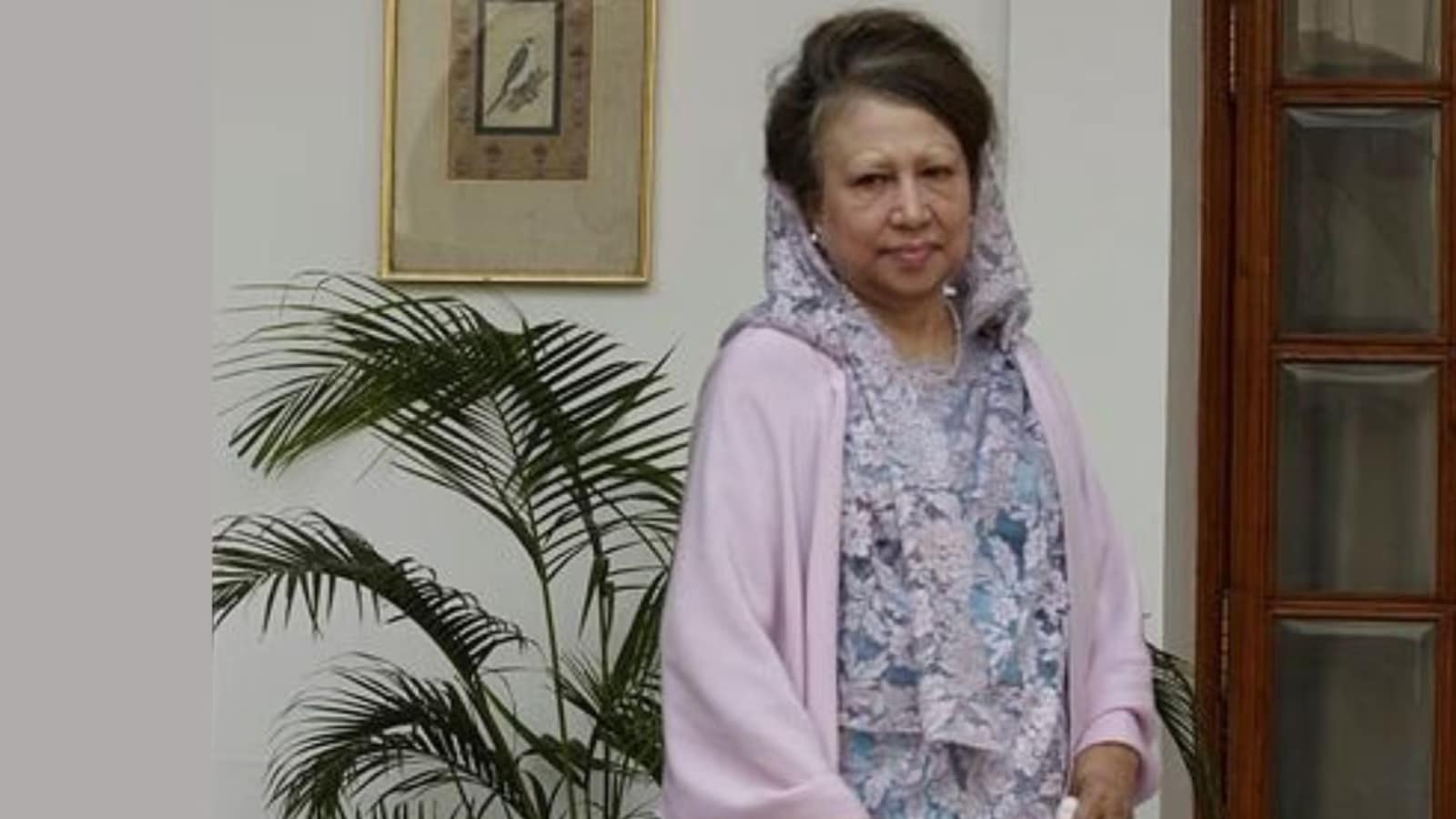
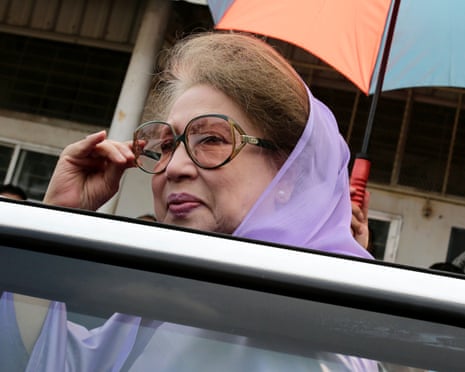
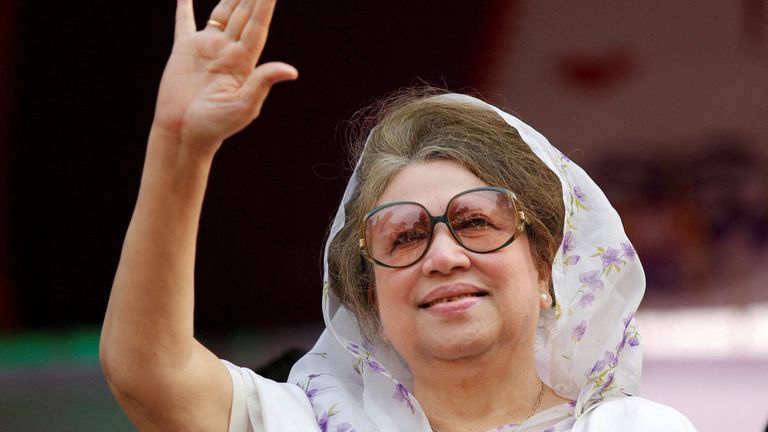
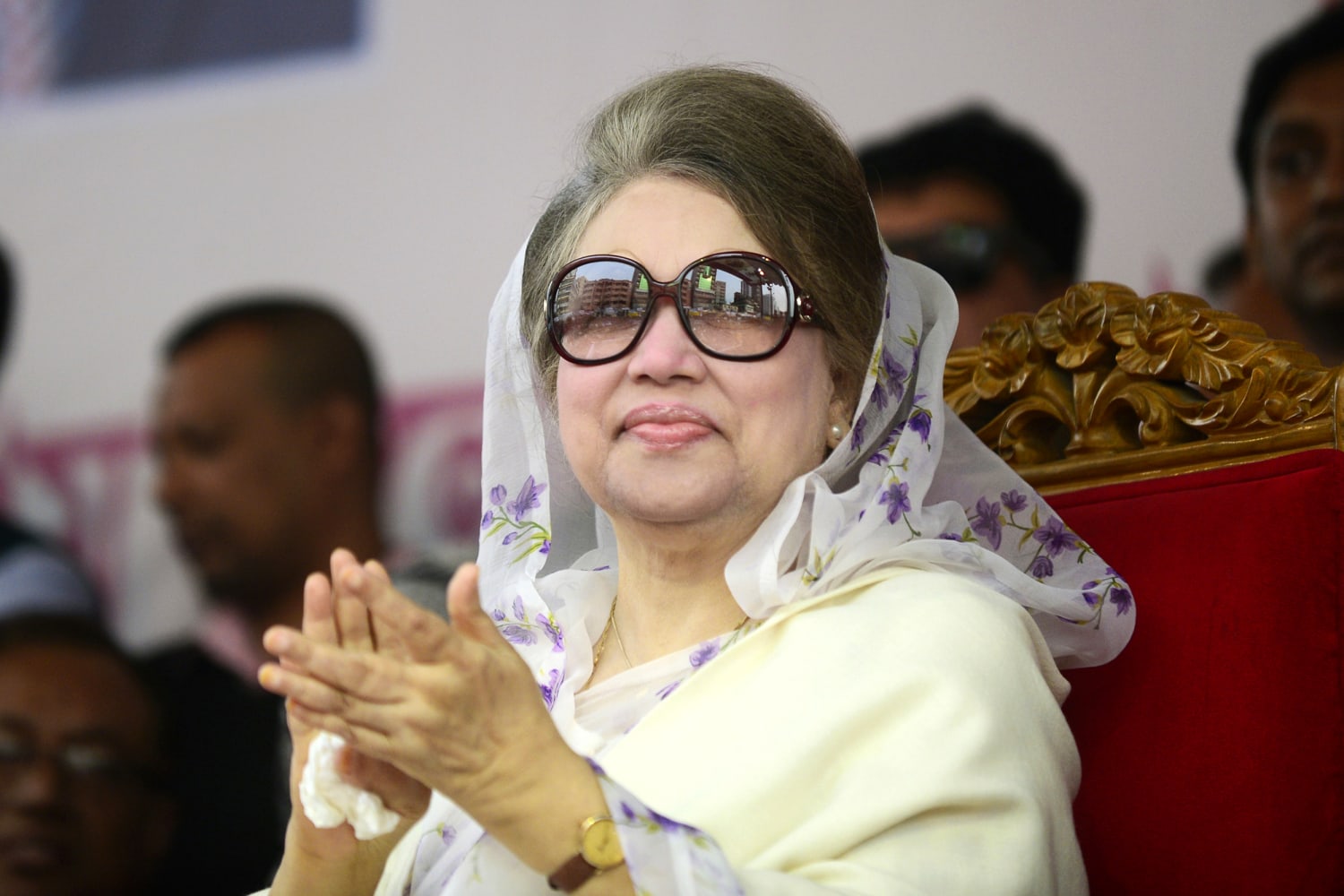
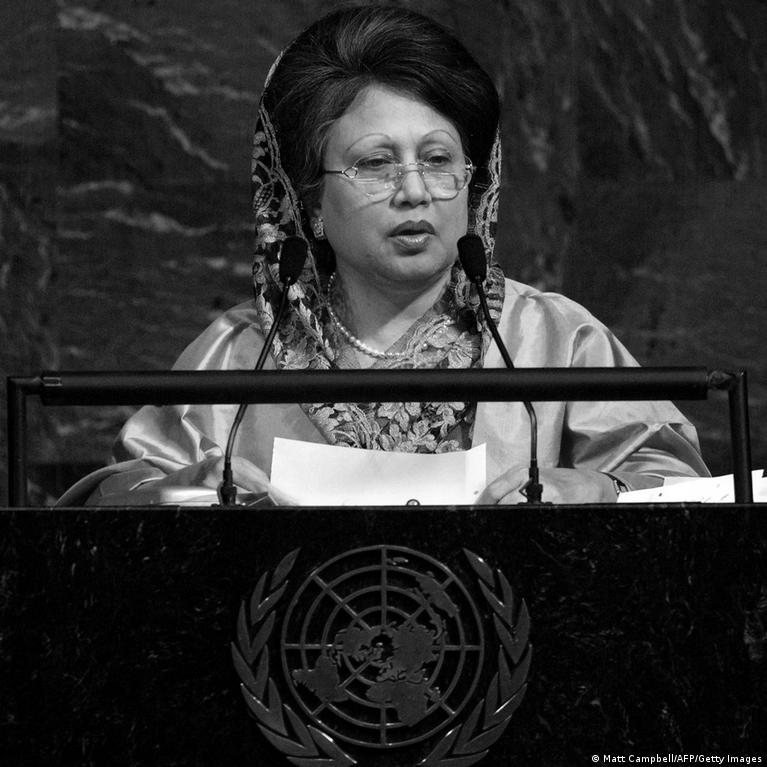
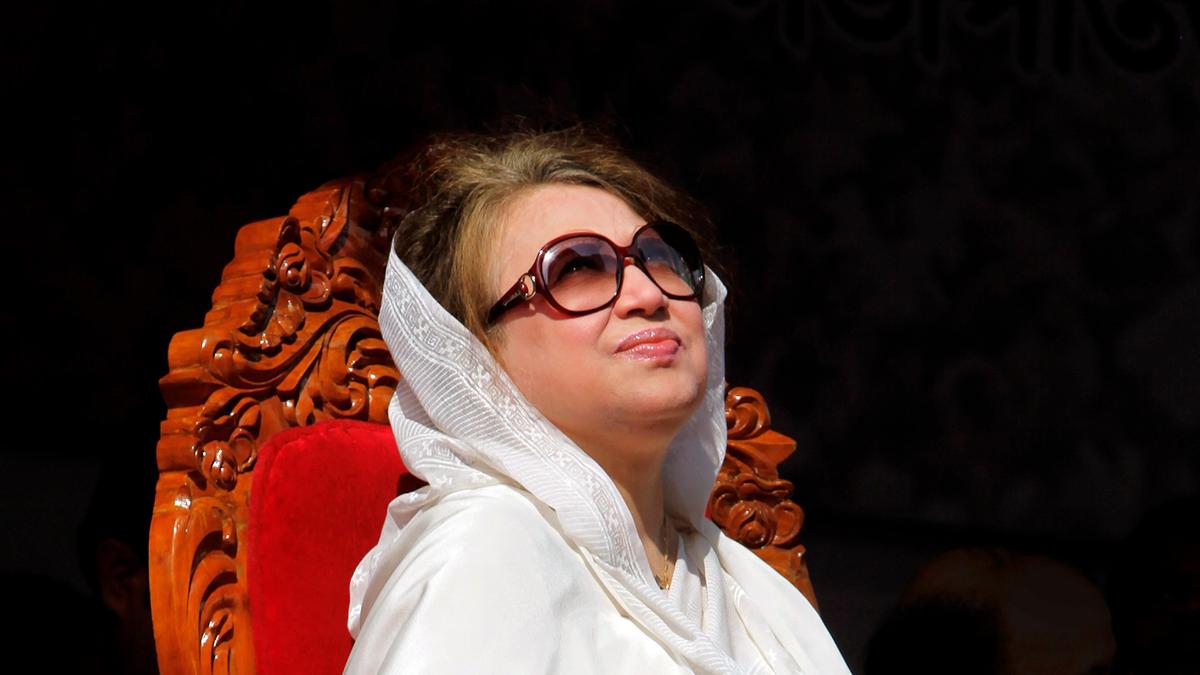
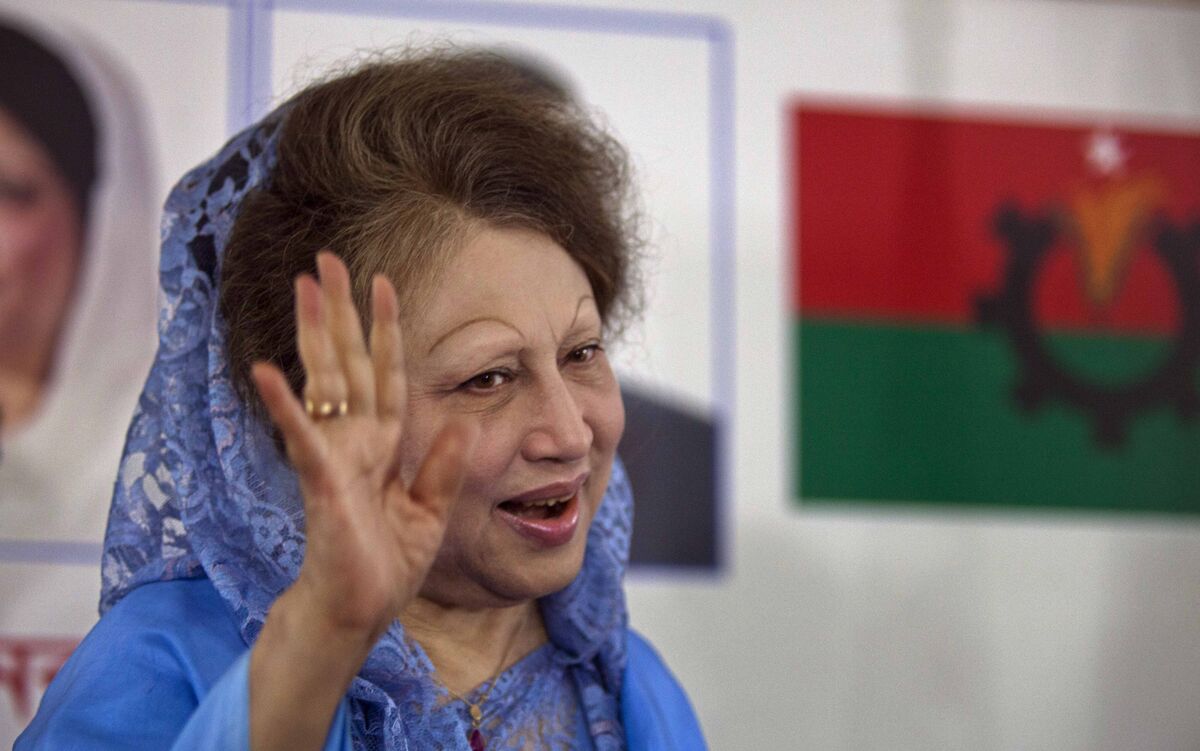
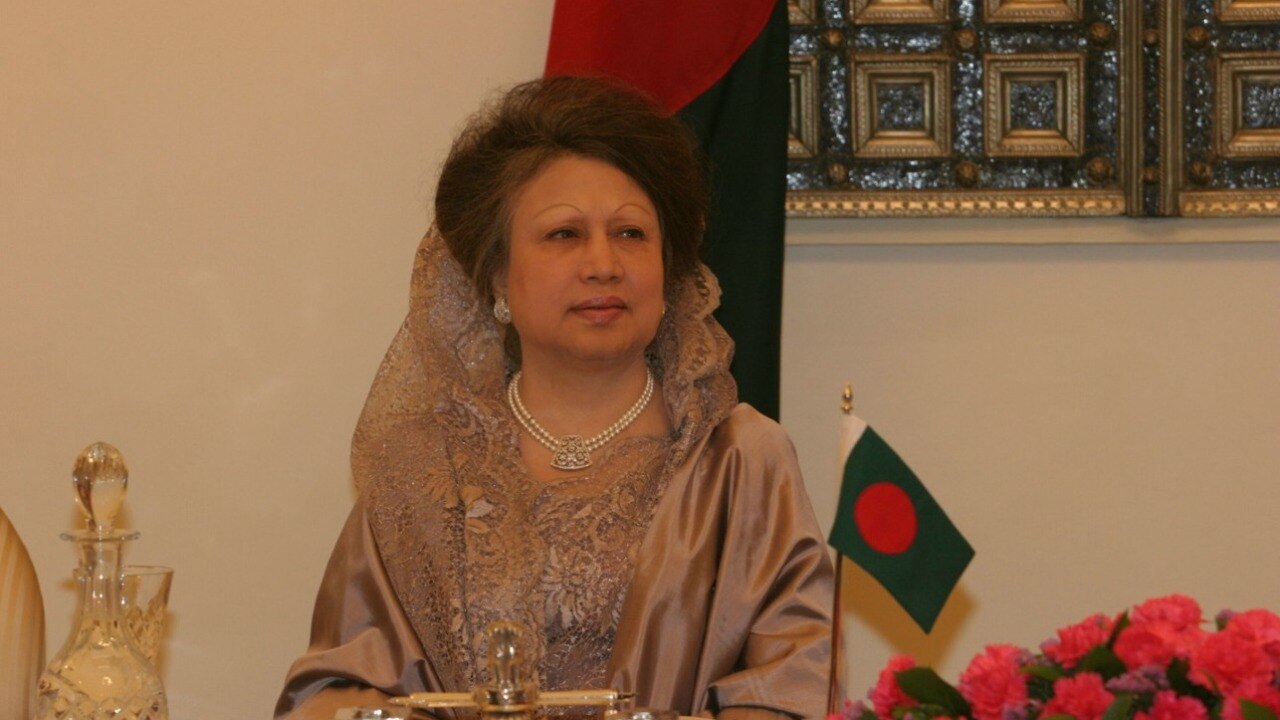
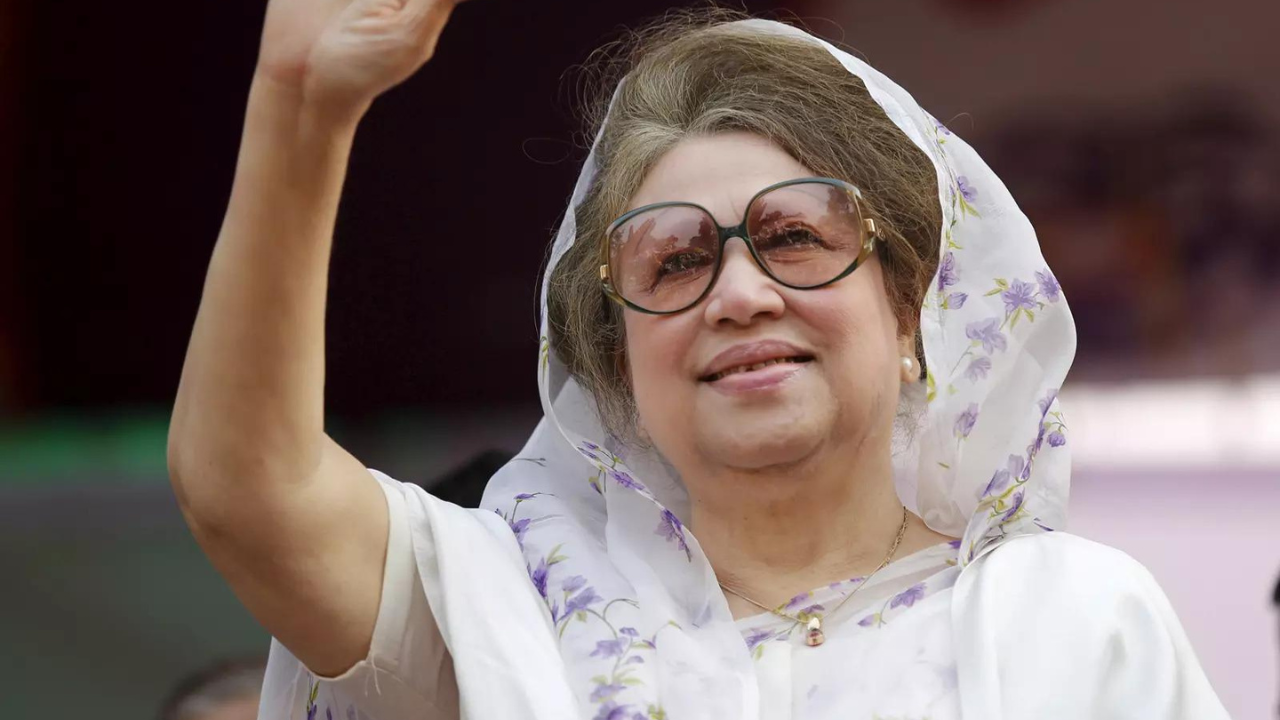
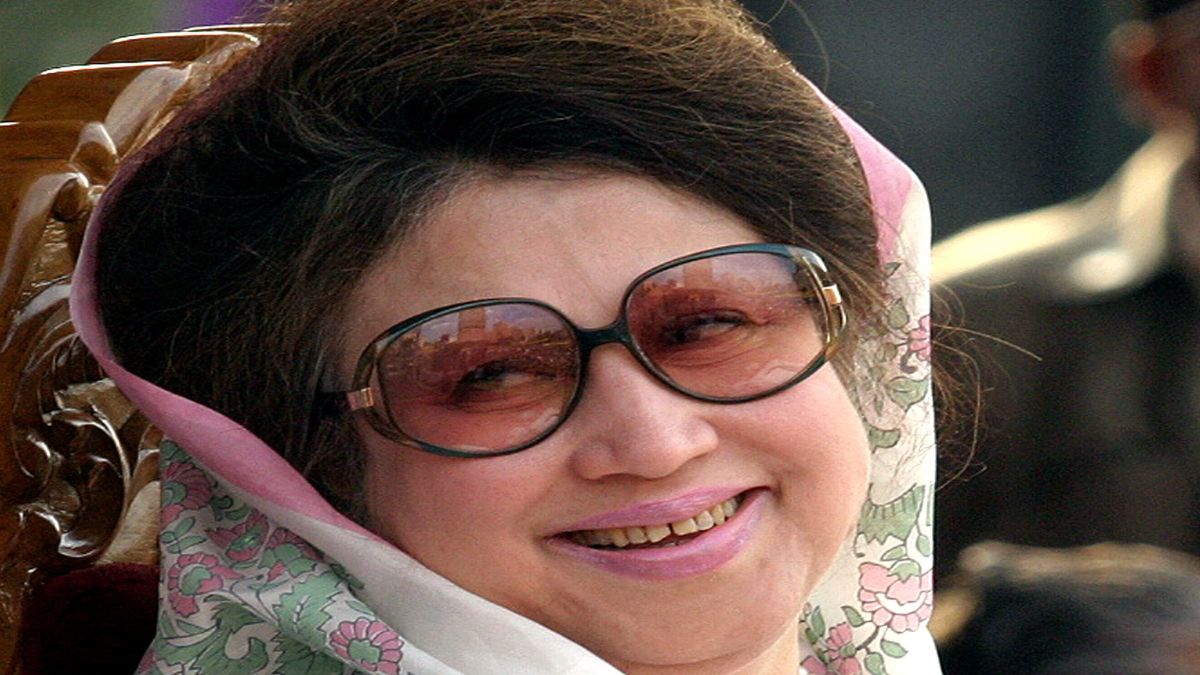
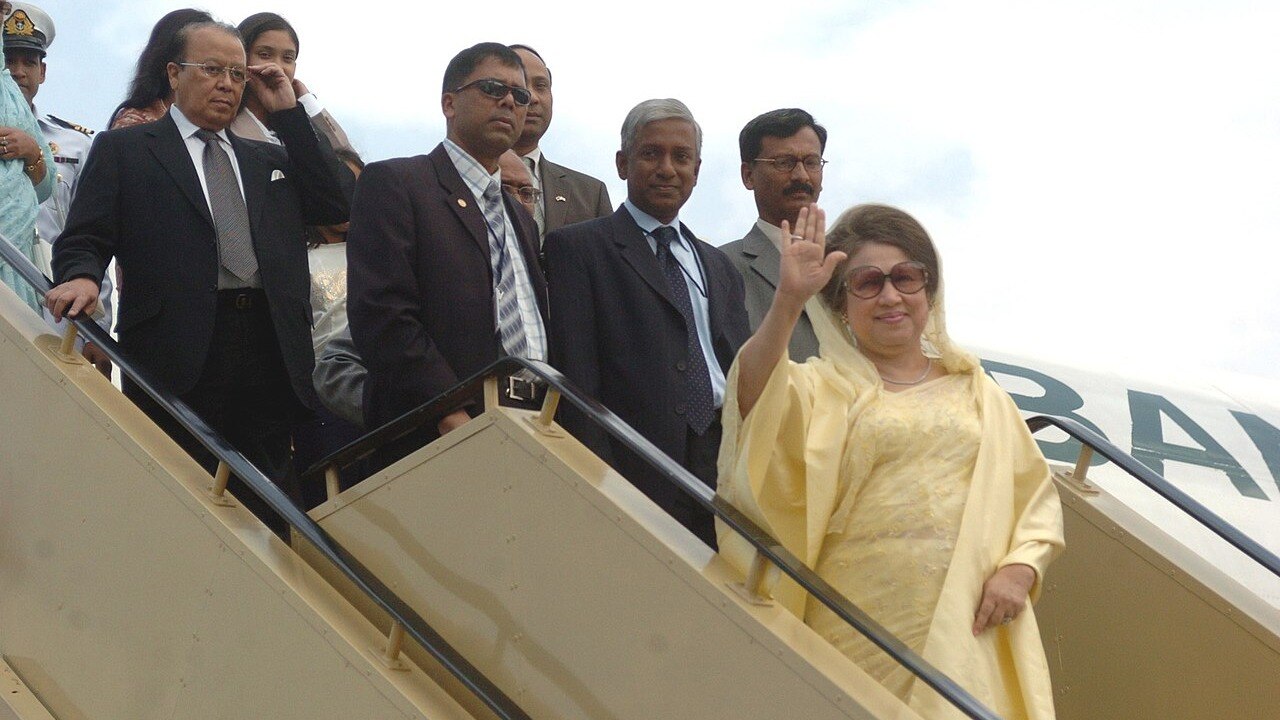
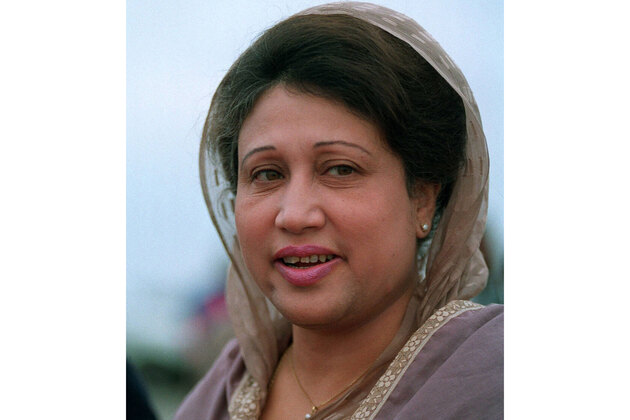
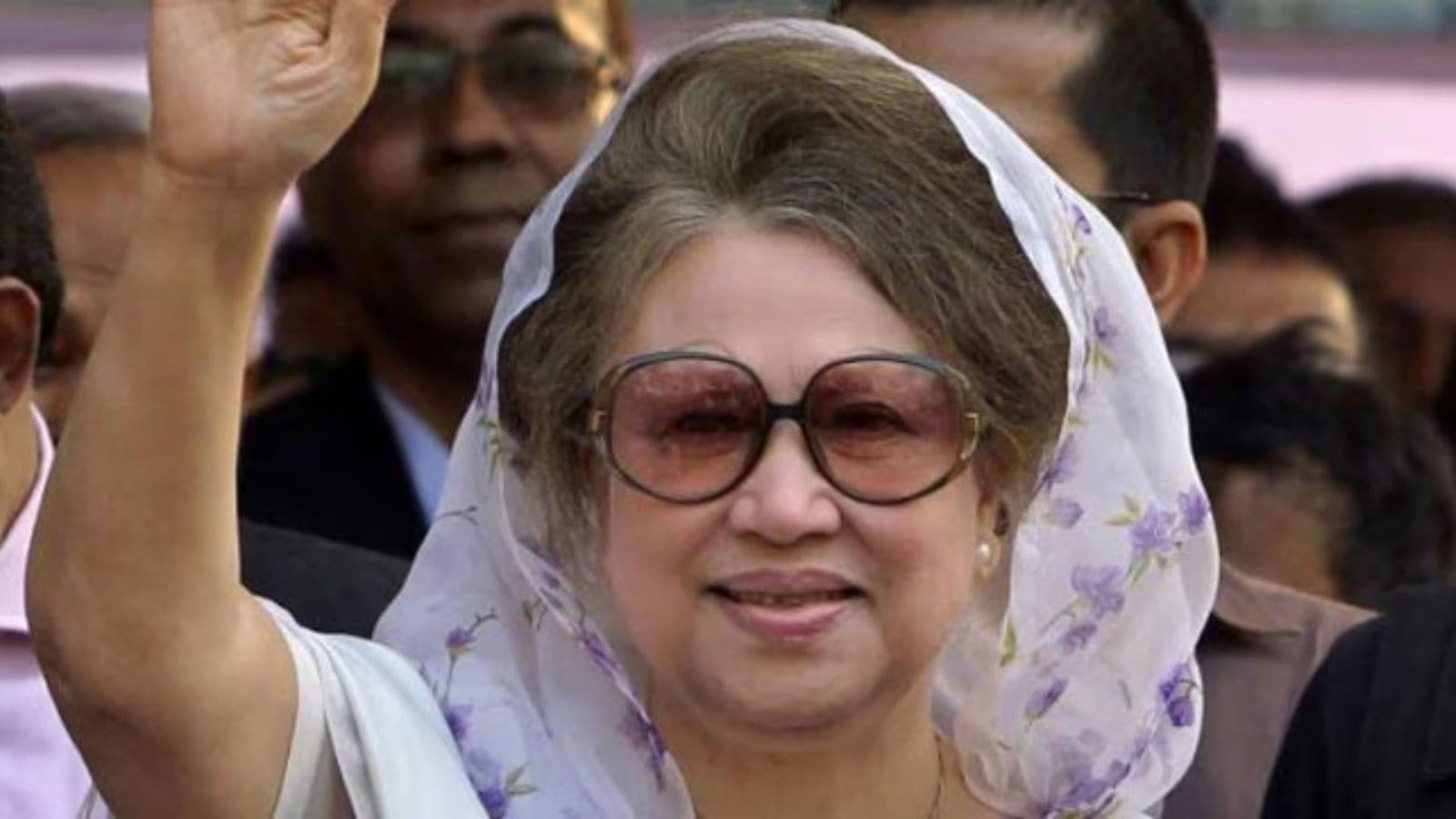
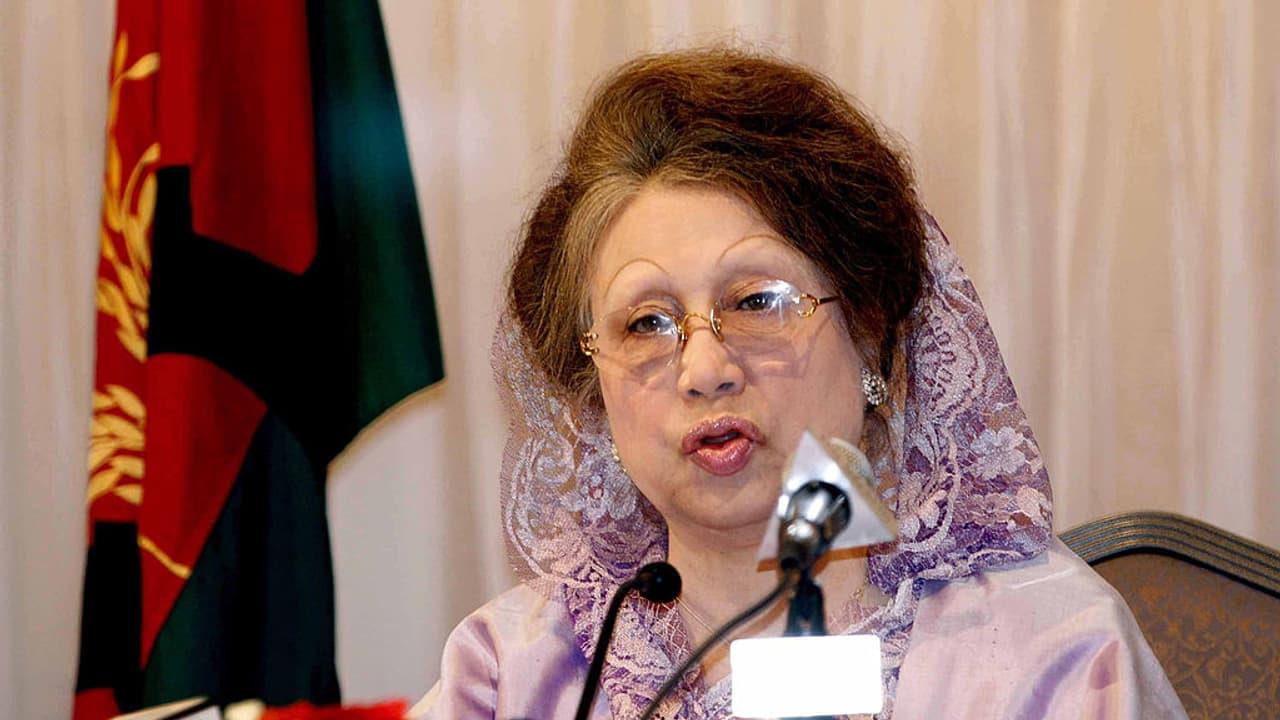
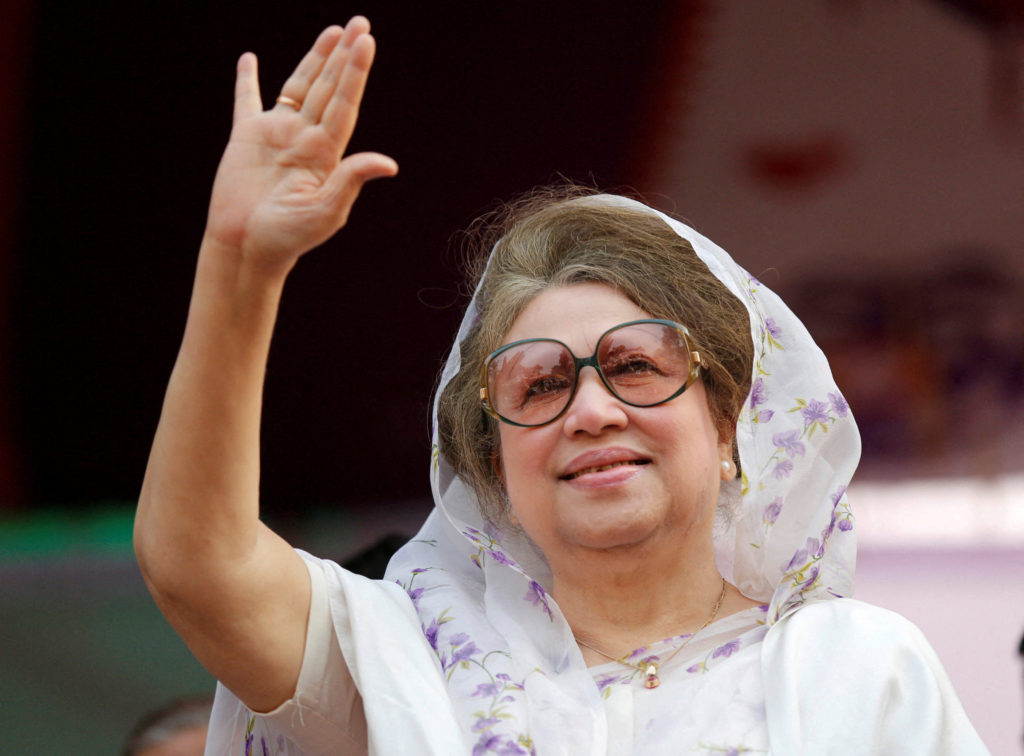
The passing of Khaleda Zia represents more than a personal political loss—it symbolizes a profound inflection point in Bangladesh's complex democratic landscape. As the country's first female prime minister, Zia embodied a transformative political era characterized by intense dynastic rivalry, legal challenges, and persistent institutional tensions.
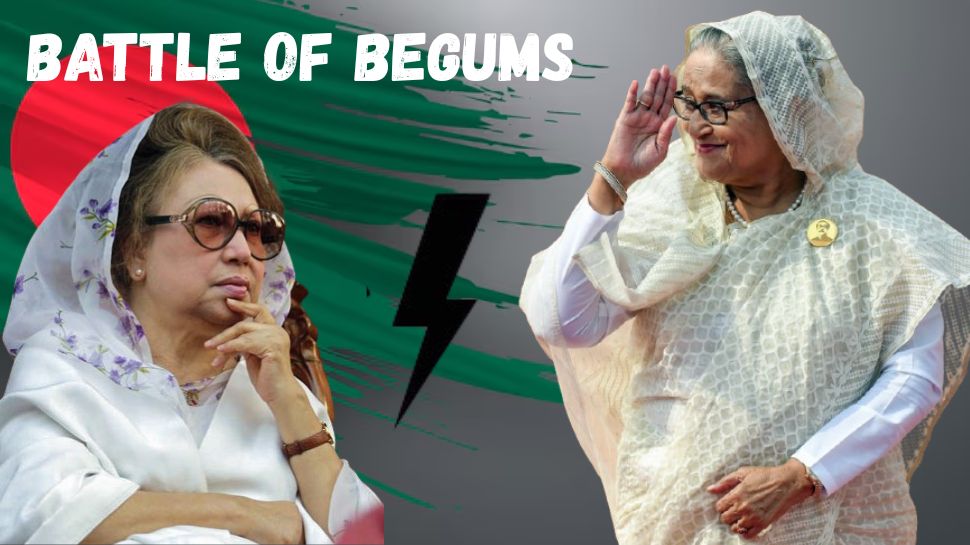
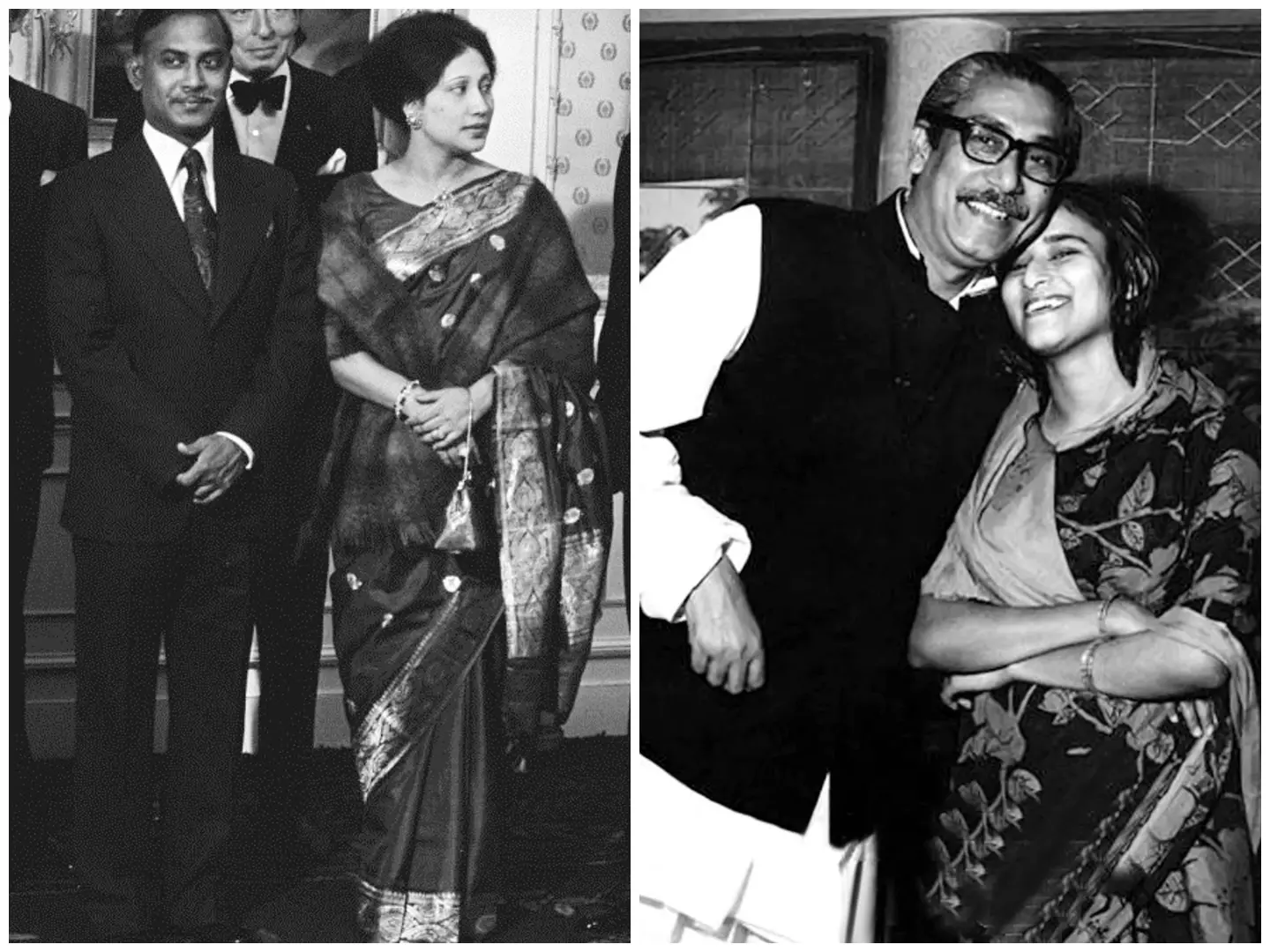
Strategic Political Dynamics: Zia's political journey was defined by her intricate relationship with rival leader Sheikh Hasina, creating a decades-long power oscillation that has fundamentally shaped Bangladesh's governance model. Her multiple terms as prime minister, punctuated by legal battles and political marginalization, reveal the deeply personalized nature of the country's political competition.
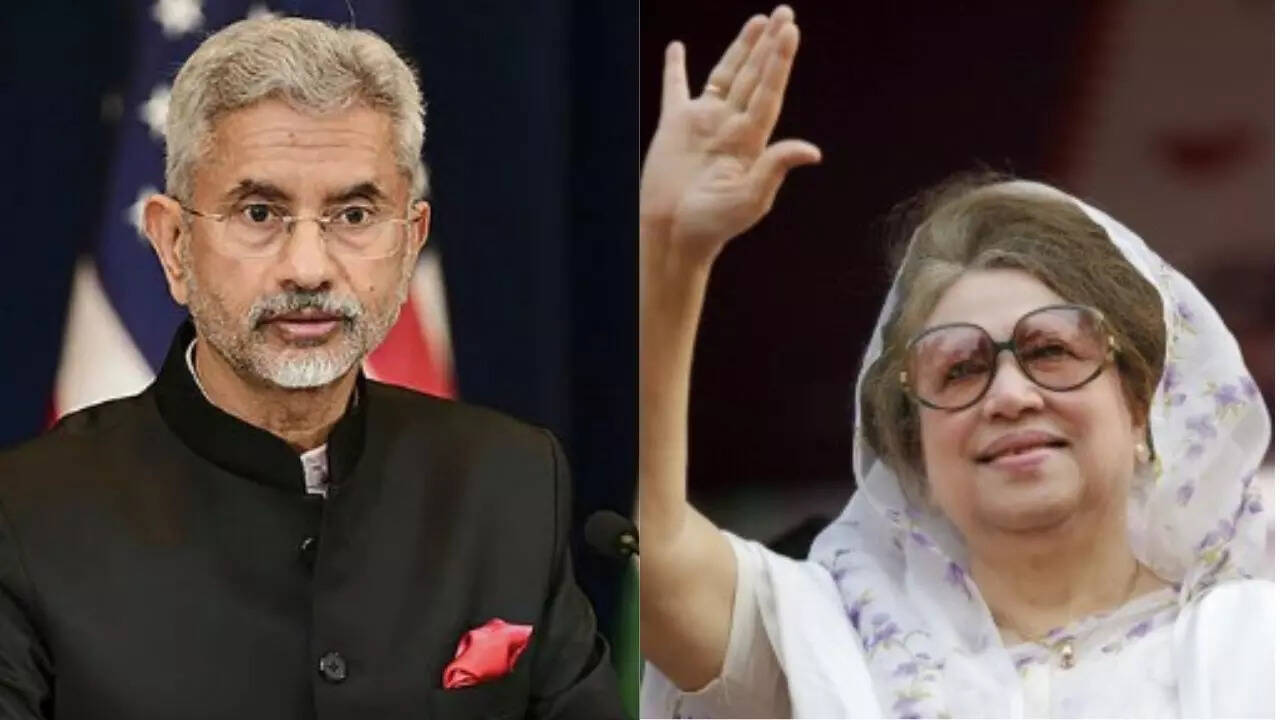
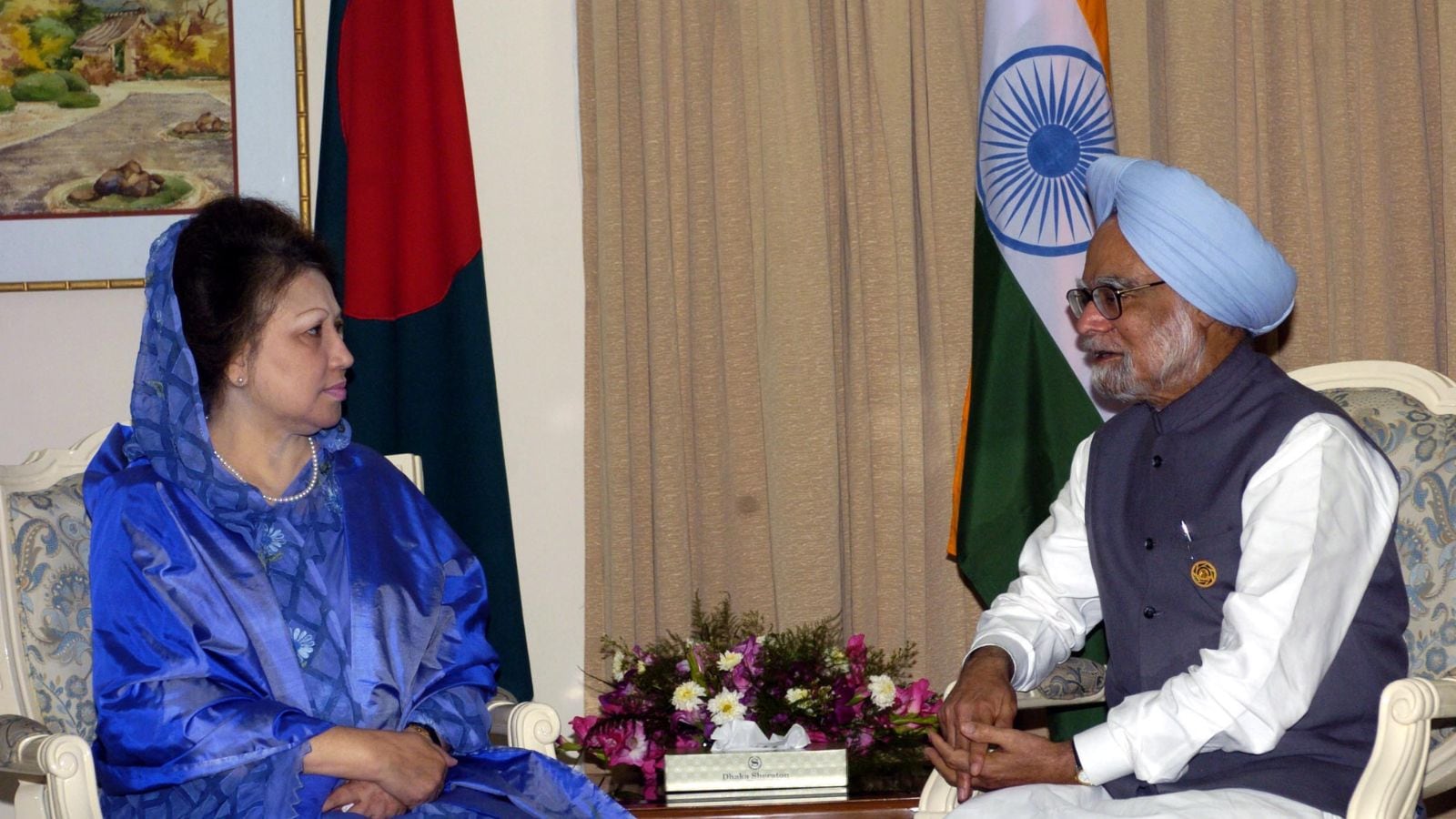
Geopolitical Implications: Zia's death occurs at a critical juncture, with her Bangladesh Nationalist Party (BNP) positioning for potential political resurgence. The anticipated leadership transition, potentially involving her son Tarique Rahman, suggests potential shifts in Bangladesh's diplomatic and economic relationships. Her historically complex stance towards neighboring India and her opposition to military interventions underscored her nuanced geopolitical approach.
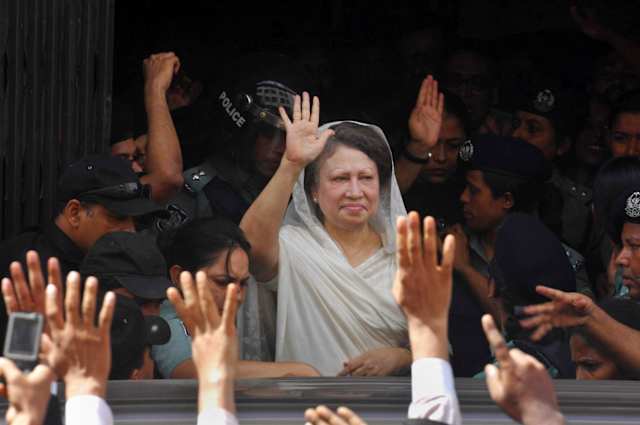
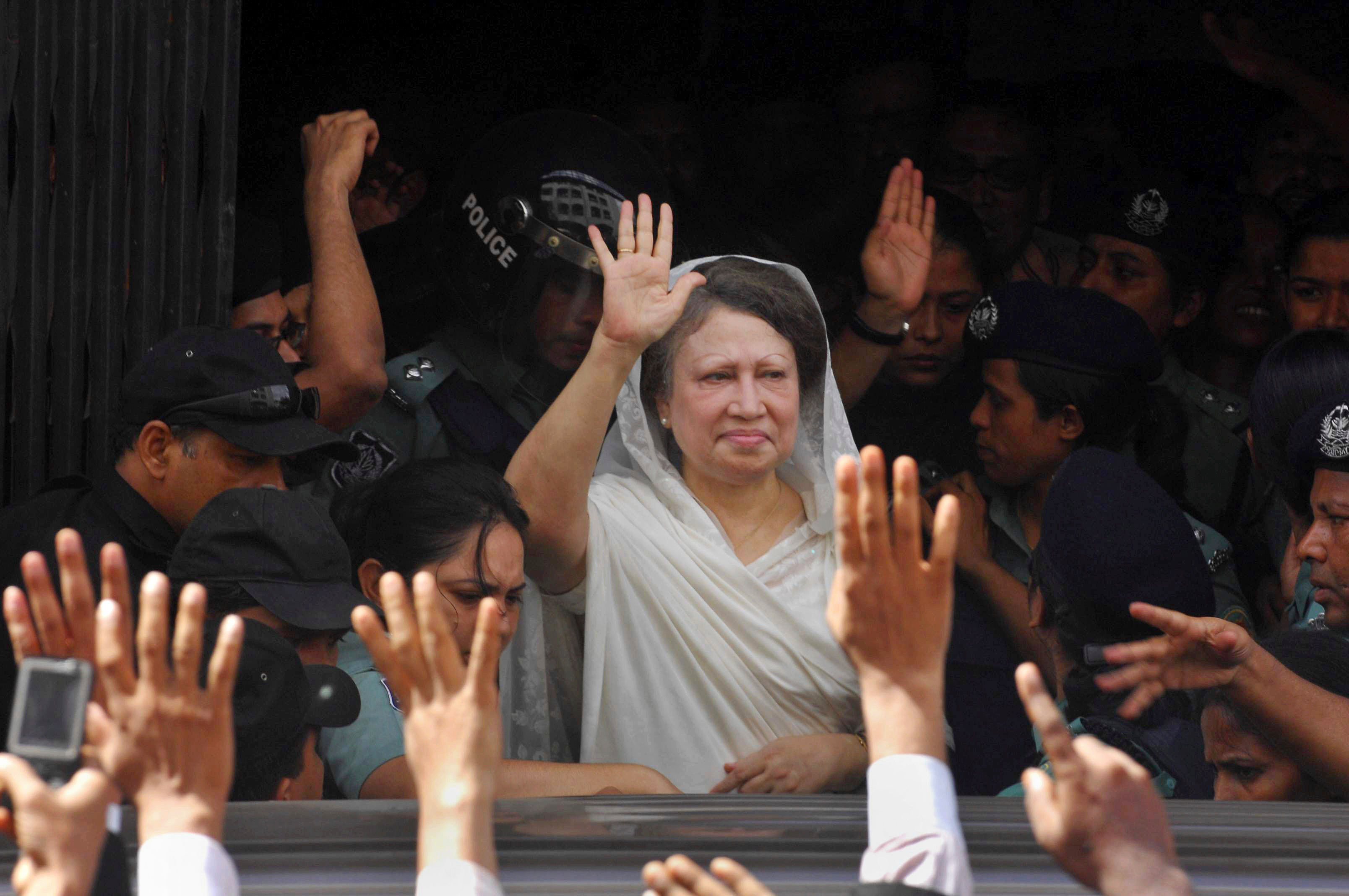
Institutional Resilience: Despite facing multiple corruption cases—which she consistently portrayed as politically motivated—Zia maintained significant political relevance. Her January 2025 acquittal, which would have enabled her February election participation, highlights the dynamic and contested nature of Bangladesh's legal-political ecosystem.
The broader context reveals a nation navigating complex democratic challenges: balancing political dynasties, managing institutional transitions, and developing economic infrastructure amid persistent political turbulence. For international observers and potential investors, Zia's legacy underscores the importance of understanding deep-rooted political narratives that extend far beyond surface-level electoral mechanics.
Questions 3
What are the potential political implications of Khaleda Zia's death for Bangladesh?
Zia's passing could trigger a significant leadership transition within the BNP, potentially positioning her son Tarique Rahman as a key political figure. This might reshape the power dynamics between the BNP and Sheikh Hasina's ruling party, potentially influencing future electoral strategies and governance approaches.
How might Zia's political legacy impact Bangladesh's international relationships?
Zia was known for her complex diplomatic stance, particularly towards India. Her legacy suggests that Bangladesh's foreign policy could continue to be characterized by nuanced, strategic positioning that balances regional interests and maintains diplomatic flexibility.