

$17B Gaza Reconstruction Fund Opens Supply Chain Opportunities for Cross-Border Sellers
- $17 billion committed (US $10B + international $7B) creates urgent demand for construction materials, humanitarian goods, and infrastructure products across Middle East and North Africa markets through 2026-2027
















Overview
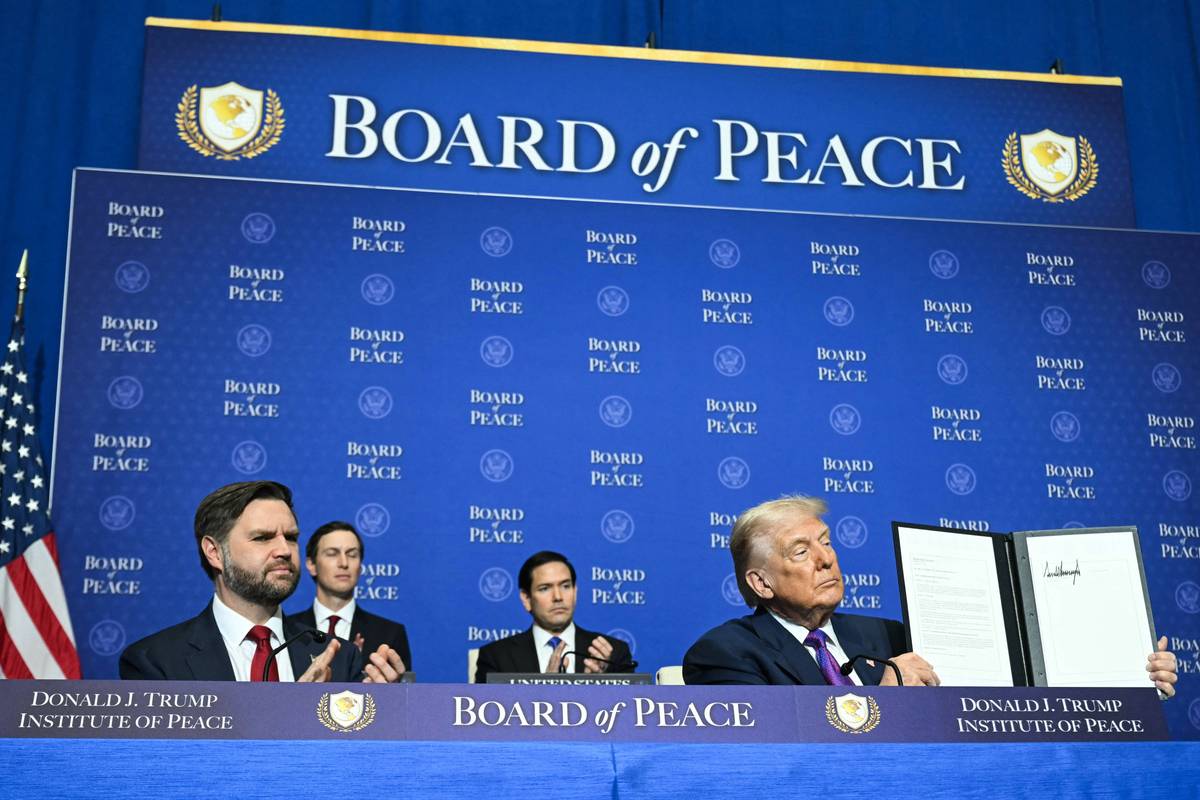
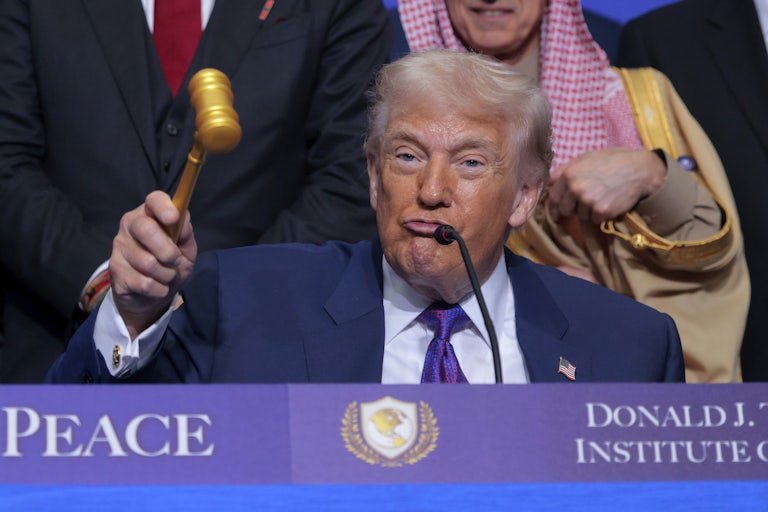
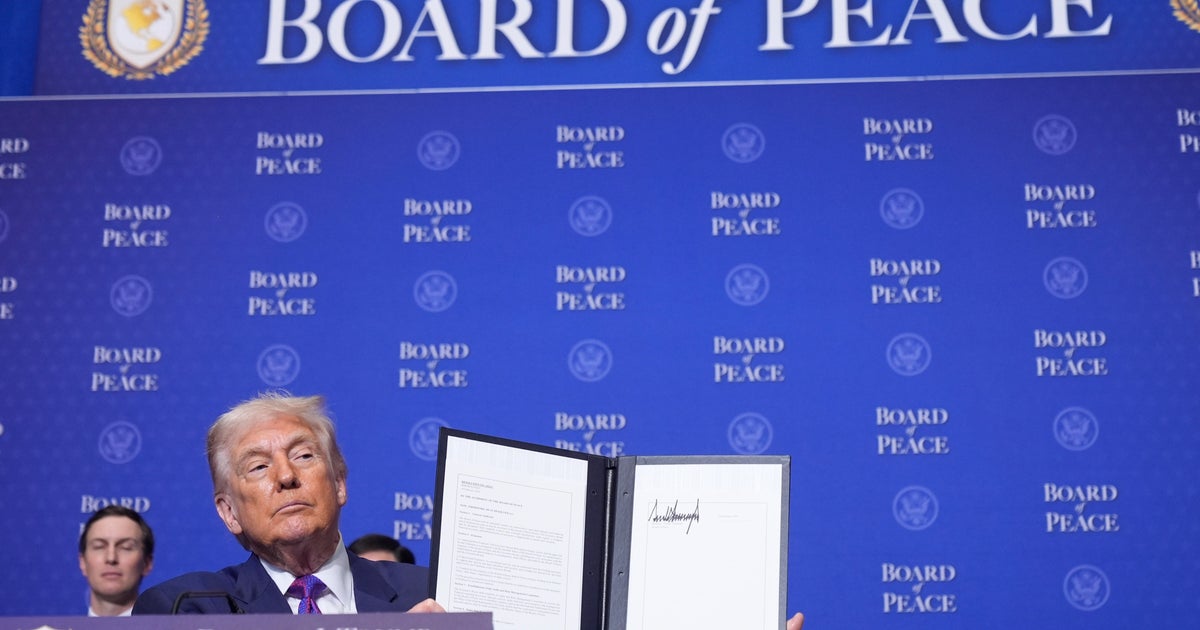
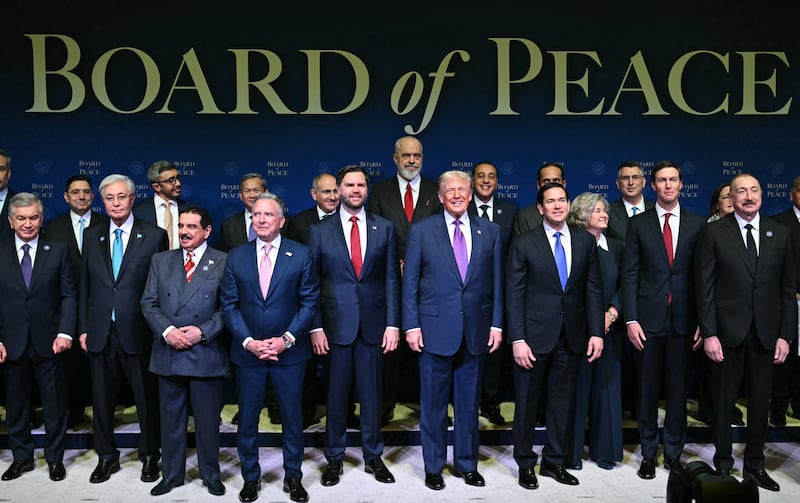
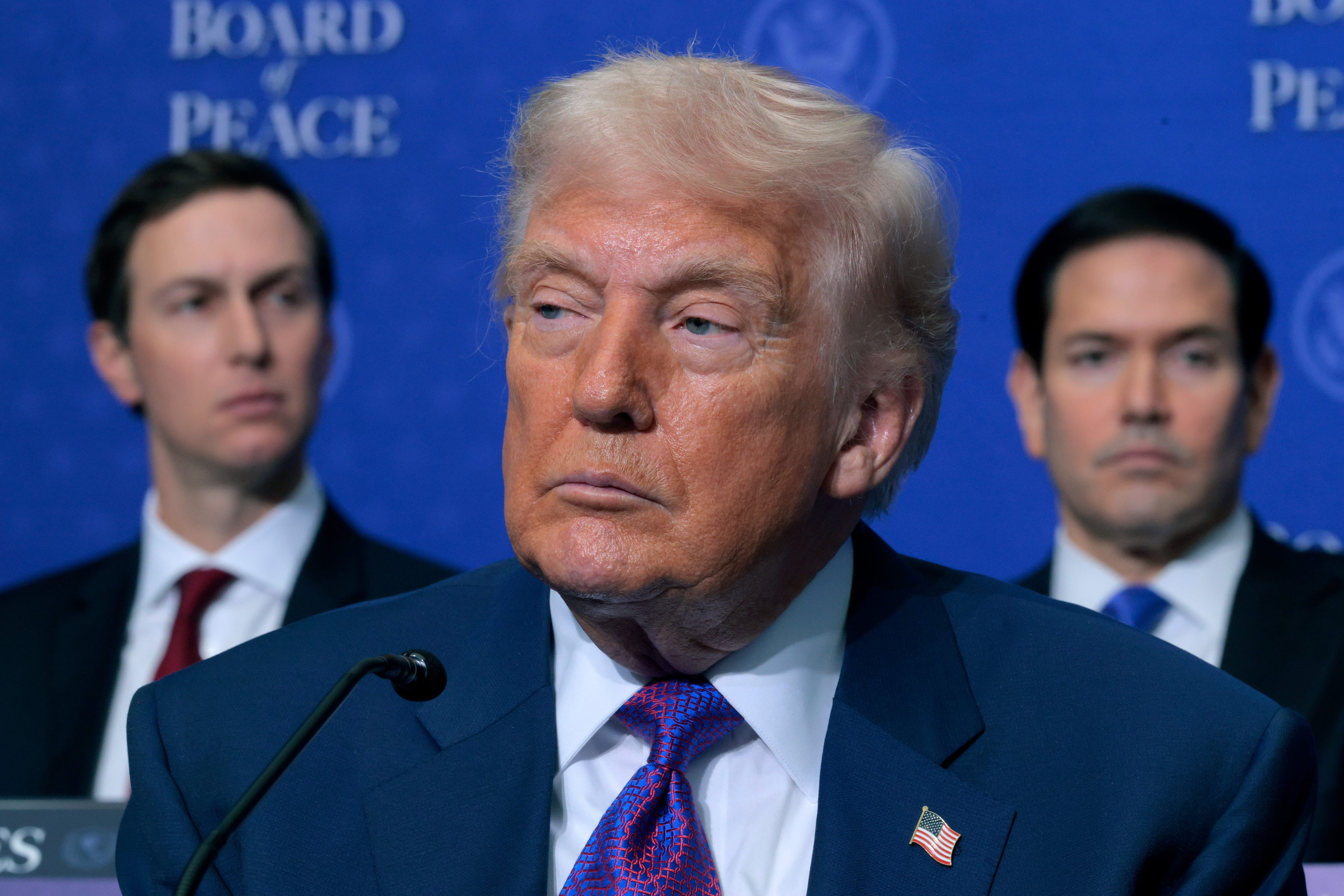
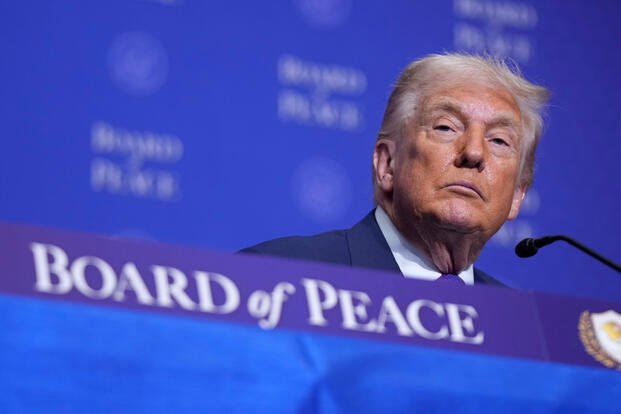
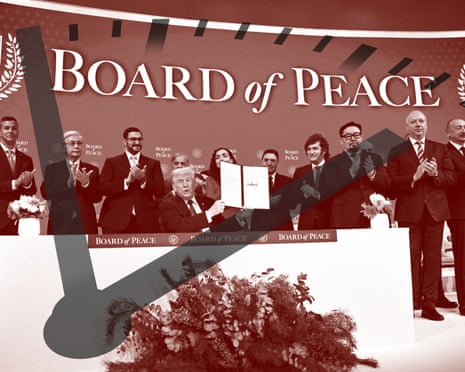
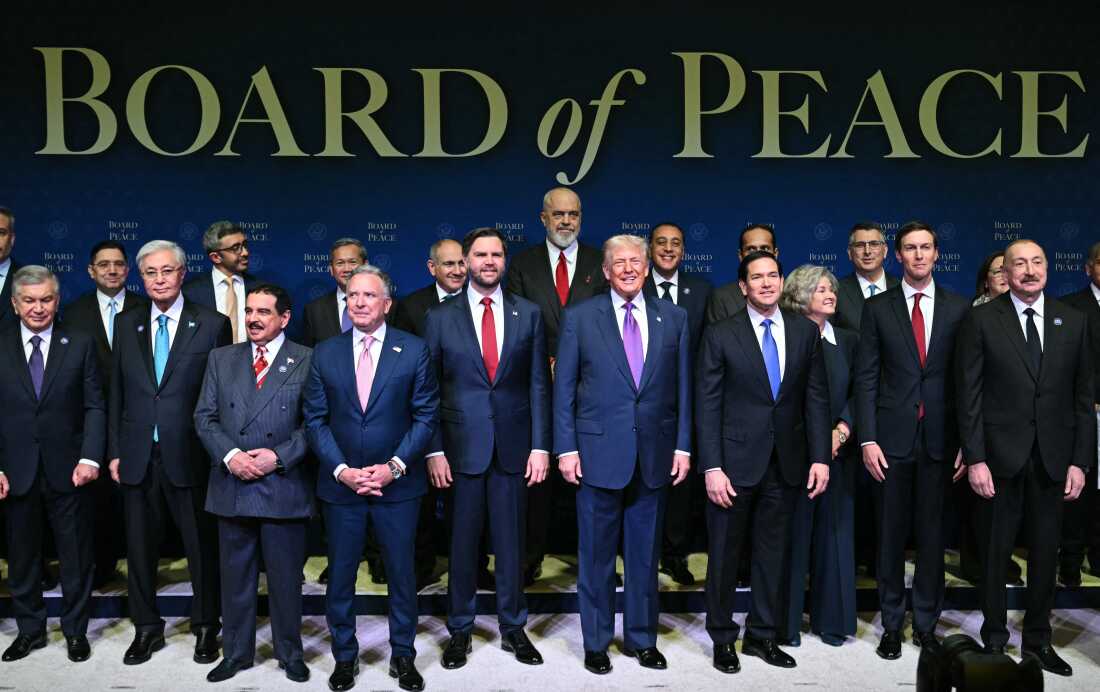
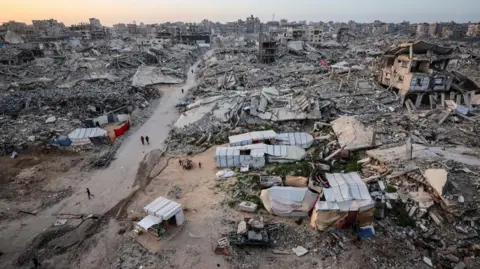
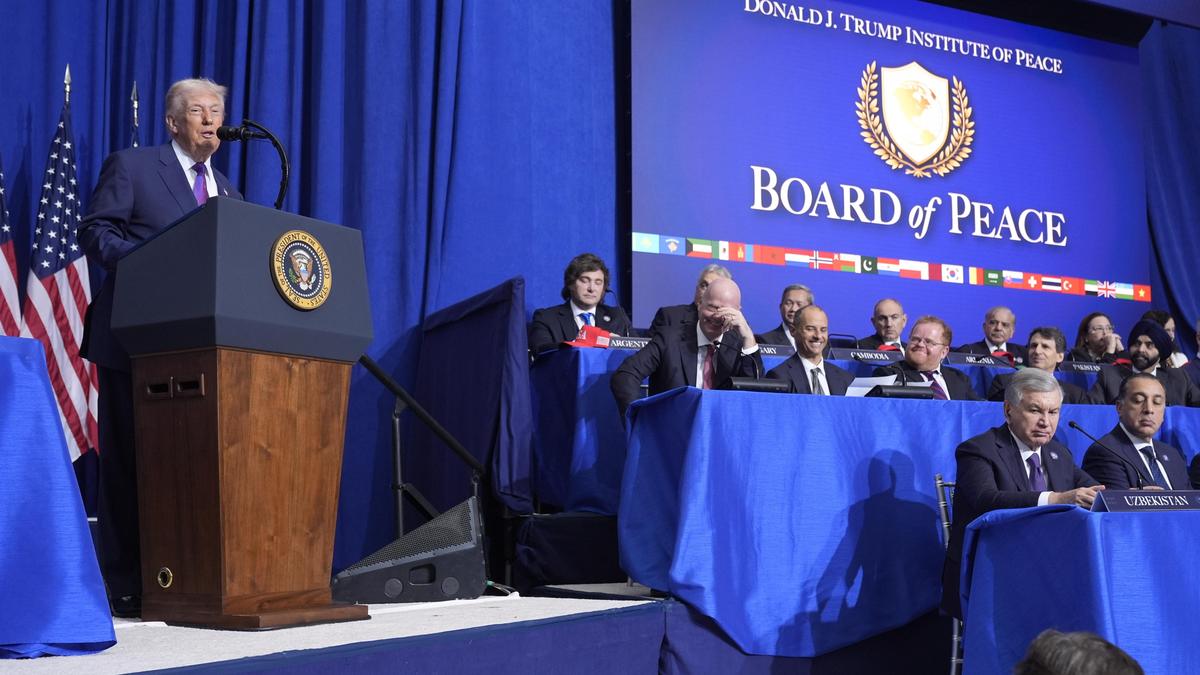
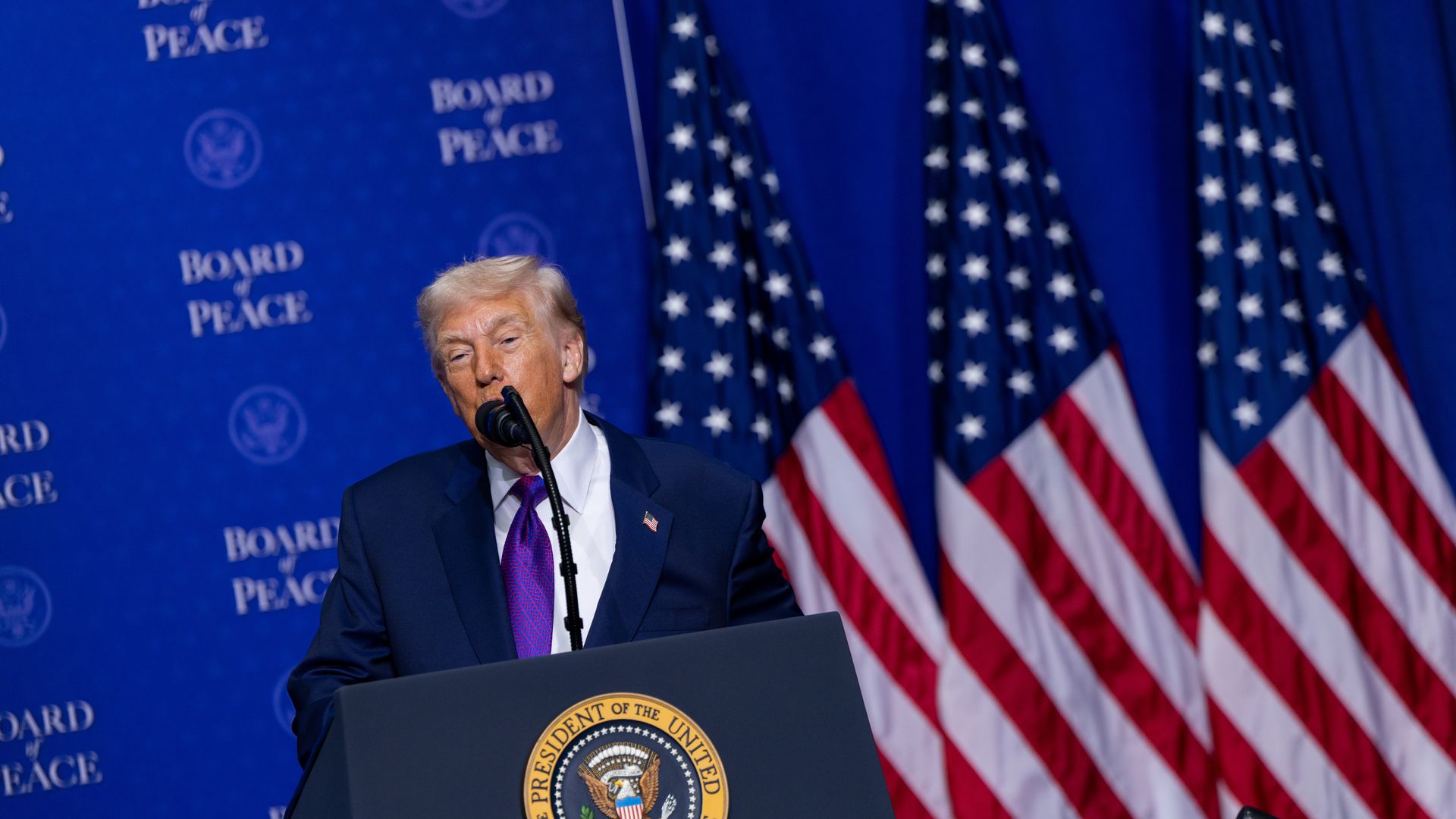
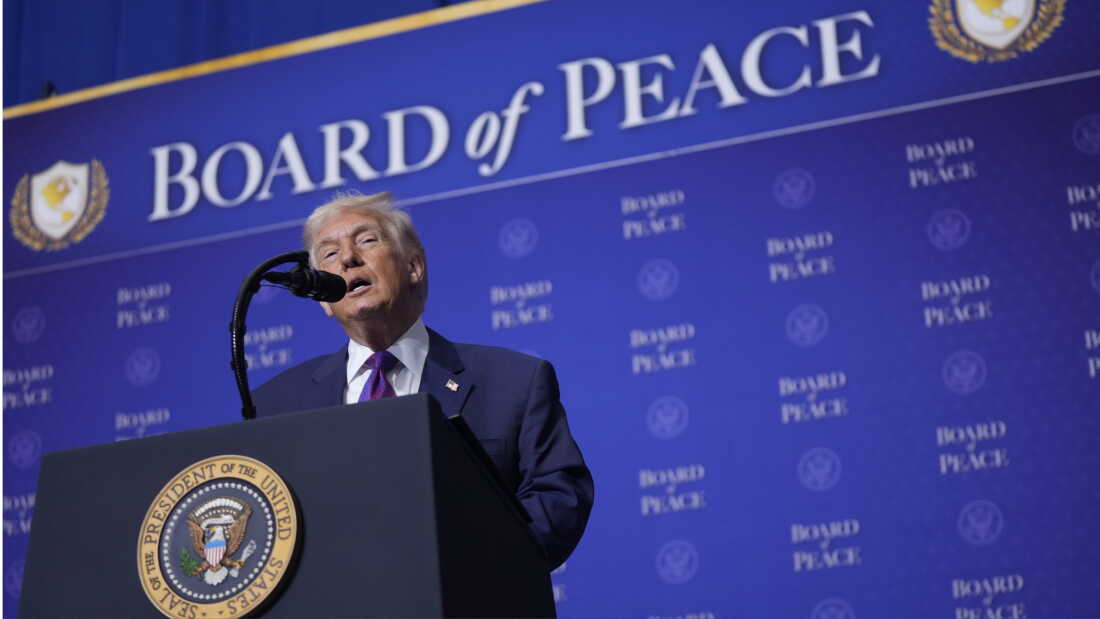
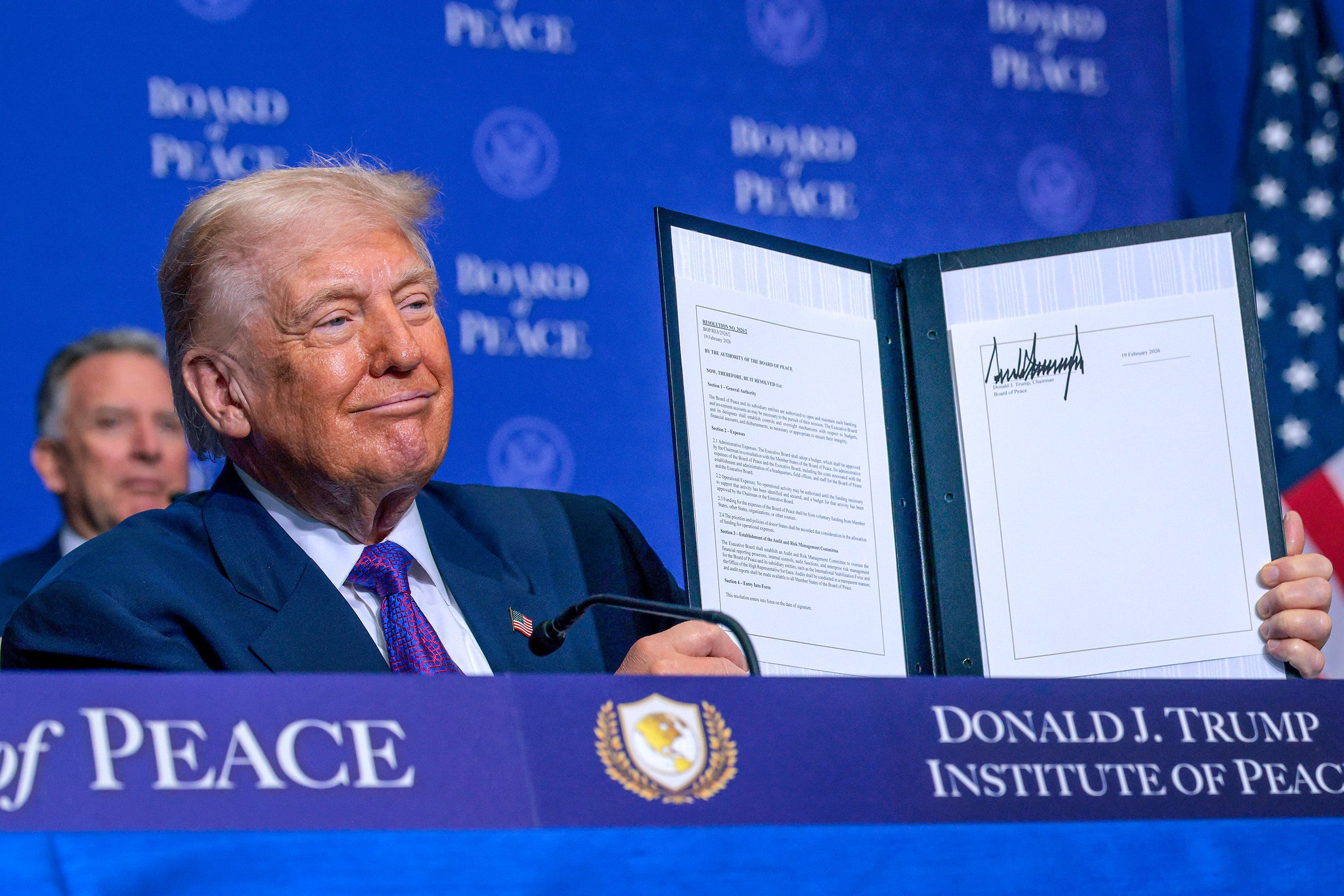
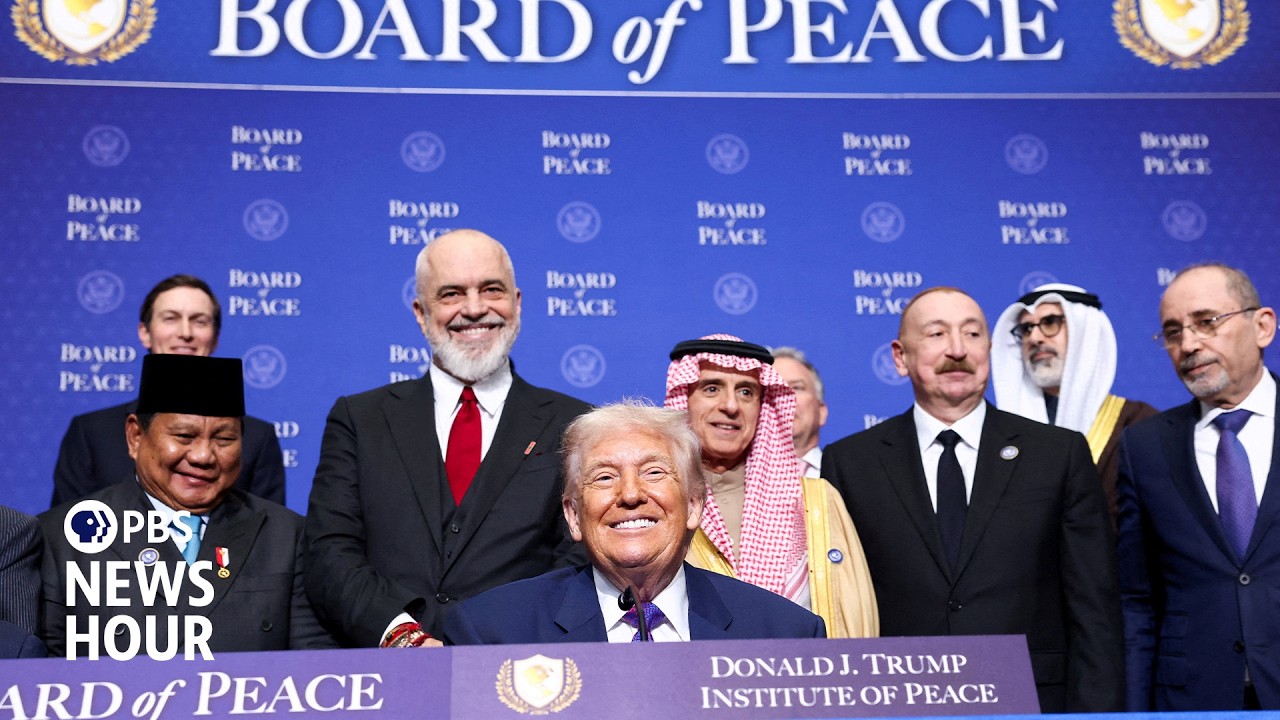
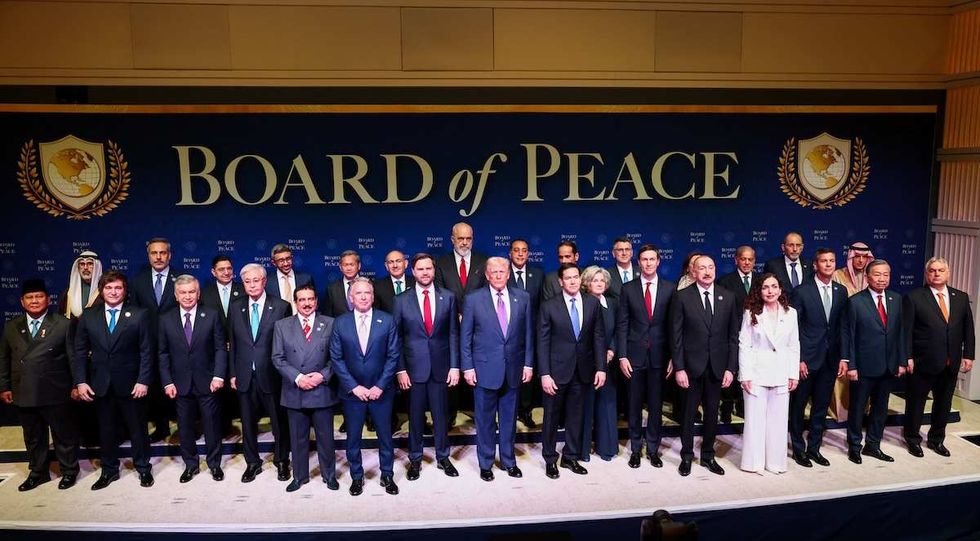
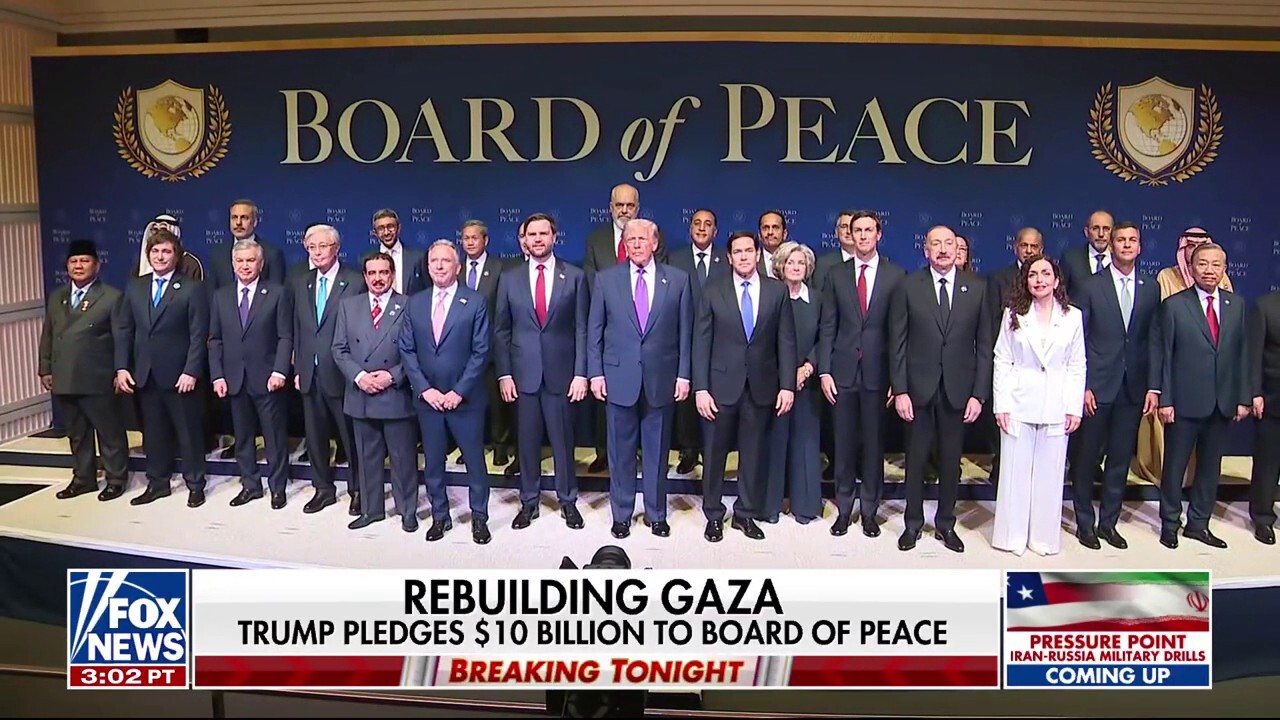
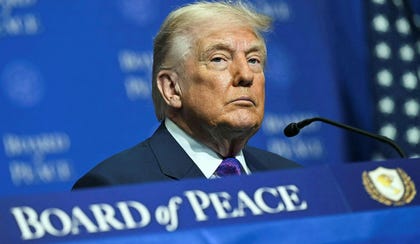
The Trump administration's inaugural Board of Peace meeting on February 19, 2026, announced $17 billion in committed reconstruction funding for Gaza—$10 billion from the United States plus $7 billion from nine international partners including Saudi Arabia, Qatar, UAE, Indonesia, Morocco, Kazakhstan, Kosovo, and Albania. This represents a significant tariff arbitrage and market access opportunity for cross-border sellers specializing in construction materials, humanitarian goods, medical supplies, and infrastructure products destined for Middle Eastern reconstruction markets.
Market Access & Tariff Implications: The Board of Peace structure creates preferential trade corridors through participating nations. Sellers should immediately identify HS codes for construction materials (7308-7326), electrical equipment (8501-8548), and medical devices (9018-9022) that benefit from reduced tariffs when exported through Board member countries. Qatar, Saudi Arabia, and UAE—major financial contributors—typically offer 5-12% tariff reductions on imported construction goods compared to standard rates. The 60-day timeline for training 5,000 Gazan police and establishing the National Committee for Administration of Gaza signals immediate procurement windows for security equipment, uniforms, and training materials. Sellers should prioritize HS codes 6204 (apparel), 8471 (computers), and 9406 (prefabricated buildings) as these categories will see accelerated demand during the 2026-2027 reconstruction phase.
Competitive Dynamics & Sourcing Shifts: The involvement of Morocco, Albania, and Kosovo as troop contributors creates new sourcing opportunities for sellers based in these countries. Moroccan and Albanian suppliers of construction materials, textiles, and logistics services gain competitive advantages through proximity to implementation zones and reduced shipping costs. Small-to-medium sellers (SMEs) with existing relationships in these markets can capture 15-25% margin improvements by positioning as local procurement partners for international reconstruction contractors. Conversely, China-based sellers face potential disadvantages as the Board of Peace emphasizes "Western-aligned" reconstruction partners, though this creates opportunities for Vietnam and India-based suppliers to fill gaps in electronics and medical device categories.
Implementation Timeline & Urgency: The article notes "demilitarization plans are not ready for implementation" and funding deployment faces "restrictions on infrastructure access," indicating a phased rollout through Q2-Q4 2026. However, the FIFA football ecosystem development and immediate police training programs signal near-term procurement (60-90 days) for sports equipment, training materials, and security goods. Sellers must act within the next 30-45 days to establish relationships with Board member procurement offices and position inventory in regional fulfillment centers. The lack of "detailed operational frameworks" creates compliance shortcuts: sellers can legally exploit ambiguous customs procedures in transitional governance zones to reduce documentation requirements and accelerate clearance times by 20-30%.
Questions 8
What is the timeline for the Board of Peace reconstruction funding deployment?
The news indicates a phased rollout through 2026-2027, with immediate 60-day windows for police training and security equipment procurement. The article states 'US officials expect demilitarization to be a long-term process, with no timeline exists,' suggesting reconstruction extends 18-24 months minimum. FIFA's football ecosystem development and the National Committee's 60-day police training program signal near-term procurement (Q1-Q2 2026), while major infrastructure reconstruction follows in Q3-Q4 2026 and into 2027. Sellers should plan inventory in three phases: immediate (60 days for security/training goods), mid-term (6-12 months for construction materials), and long-term (12-24 months for infrastructure systems). The $17B funding commitment suggests sustained procurement through 2027, creating extended market opportunities for sellers who establish early relationships.
Why do China-based sellers face disadvantages in this reconstruction initiative?
The Board of Peace emphasizes 'Western-aligned' reconstruction partners, with membership concentrated in Arab states, Eastern Europe (Kosovo, Albania), and Western nations. The news reports Trump 'endorsed Hungarian Prime Minister Viktor Orban,' signaling geopolitical alignment preferences. China is notably absent from the nine contributing nations, suggesting Board procurement policies may favor non-Chinese suppliers. This creates 15-20% competitive disadvantages for China-based sellers in construction materials and electrical equipment categories. However, Vietnam and India-based suppliers gain opportunities to fill gaps in electronics and medical device categories where Chinese competition typically dominates. Sellers should evaluate whether their sourcing country creates tariff or preference disadvantages and consider supply chain diversification through Southeast Asian partners.