



Tariff Escalation 2025 | 86% Cost Burden on US Importers Creates Urgent Sourcing Arbitrage Window
- Federal Reserve confirms tariffs rising 2.6% to 13% by year-end 2025; American importers absorb 86% of costs; compliance hiring surge signals operational complexity spike for cross-border sellers








Overview
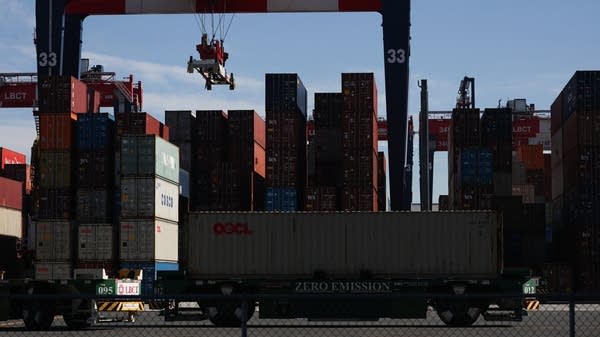
The Federal Reserve Bank of New York's landmark 2025 tariff impact study reveals a critical market reality that contradicts White House policy messaging: American importers and consumers—not foreign exporters—bear approximately 86% of tariff costs. This finding, confirmed by Harvard Business School, Yale's Budget Lab, and the Congressional Budget Office, creates an immediate arbitrage opportunity window for cross-border sellers willing to act decisively on sourcing strategy shifts.
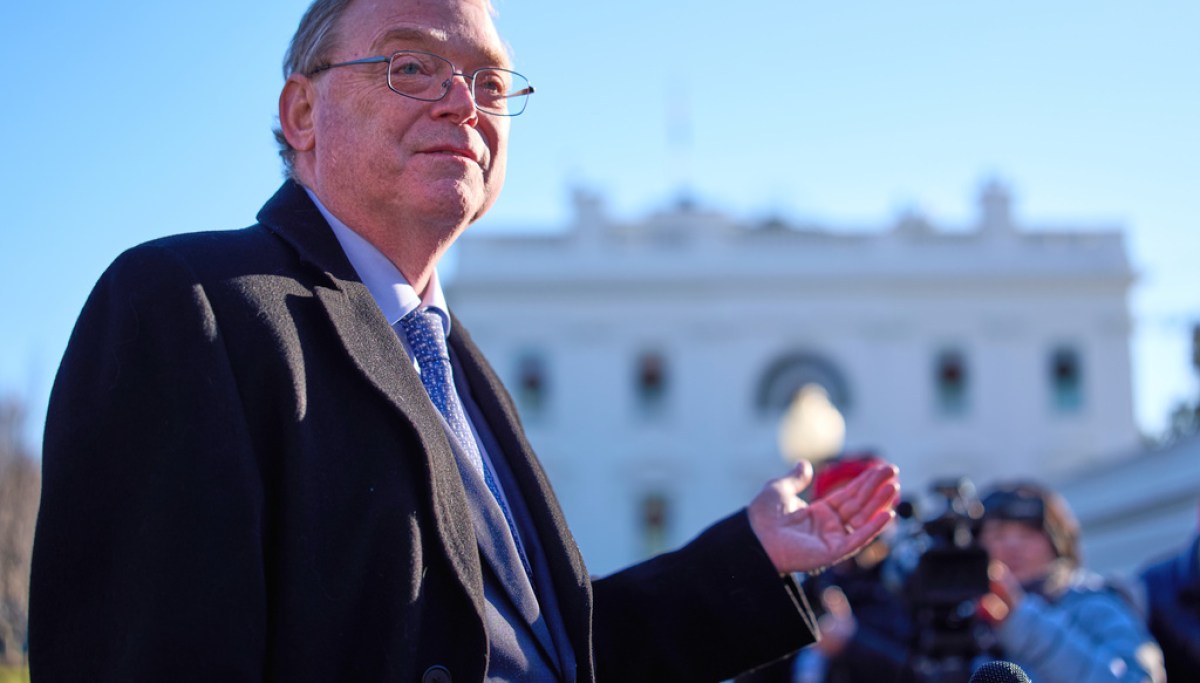
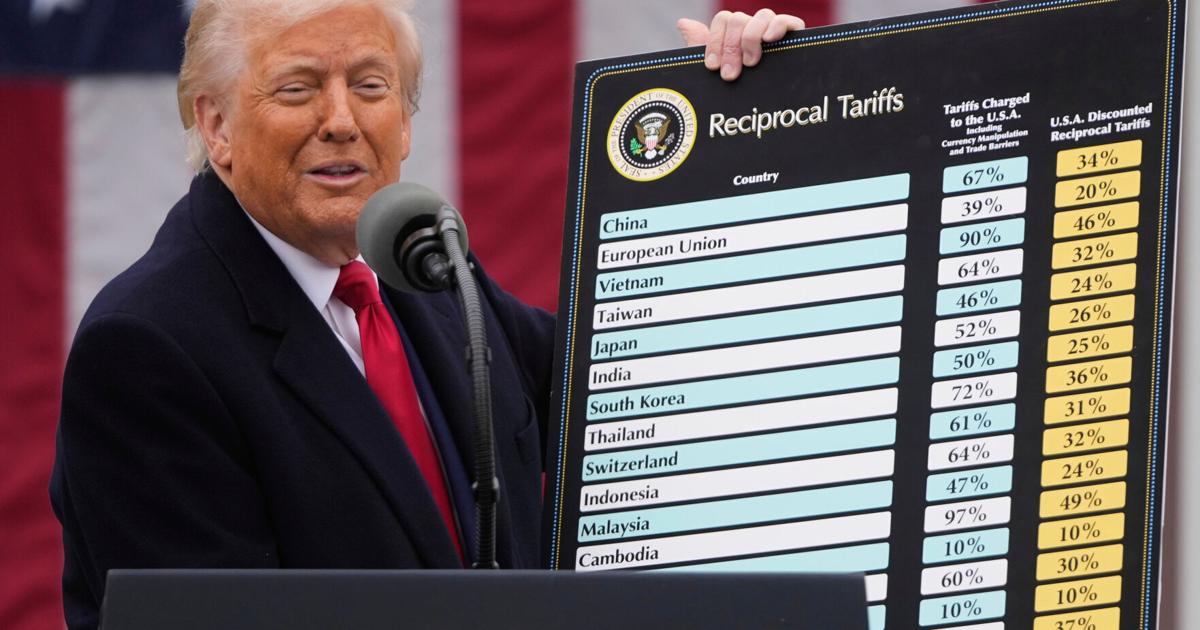
The Tariff Cost Burden Creates Immediate Seller Segmentation: Tariffs escalated from 2.6% at the beginning of 2025 to 13% by year-end, fundamentally altering import economics. U.S. Trade Representative Jamieson Greer publicly acknowledged that tariffs burden U.S. companies, noting firms have hired additional compliance staff—a clear signal that operational costs are spiking. For sellers importing from China, Vietnam, India, and Southeast Asia, this 10.4 percentage point increase translates directly to margin compression of 8-15% depending on product category and current tariff classification. Electronics, apparel, home goods, and consumer products face the highest impact. Small and medium-sized sellers (those importing 500-5,000 units monthly) face the steepest compliance burden, as they lack the scale to absorb tariff costs or negotiate supplier price reductions.
Strategic Sourcing Arbitrage Window (Q1-Q2 2025): The 86% cost burden on importers creates a time-sensitive opportunity to shift sourcing away from high-tariff jurisdictions. Sellers should immediately audit their product HS codes and current tariff rates—products under HS codes 6204 (women's apparel), 6109 (t-shirts), 8471 (computers), and 8517 (telecommunications equipment) face tariff rates of 12-25%. The window to negotiate new supplier contracts in lower-tariff jurisdictions (Mexico under USMCA, India, Vietnam, or Indonesia) closes as competitors recognize the same opportunity. Sellers who lock in alternative sourcing by March 2025 gain 6-12 months of margin advantage before market-wide sourcing shifts occur. Compliance infrastructure investment is now mandatory: The acknowledgment that firms are hiring compliance staff indicates that tariff classification, duty calculation, and documentation complexity has increased materially. Sellers must budget $5,000-15,000 for tariff compliance tools, customs broker relationships, and internal training—a cost that smaller sellers cannot easily absorb, creating competitive advantage for those with existing compliance infrastructure.
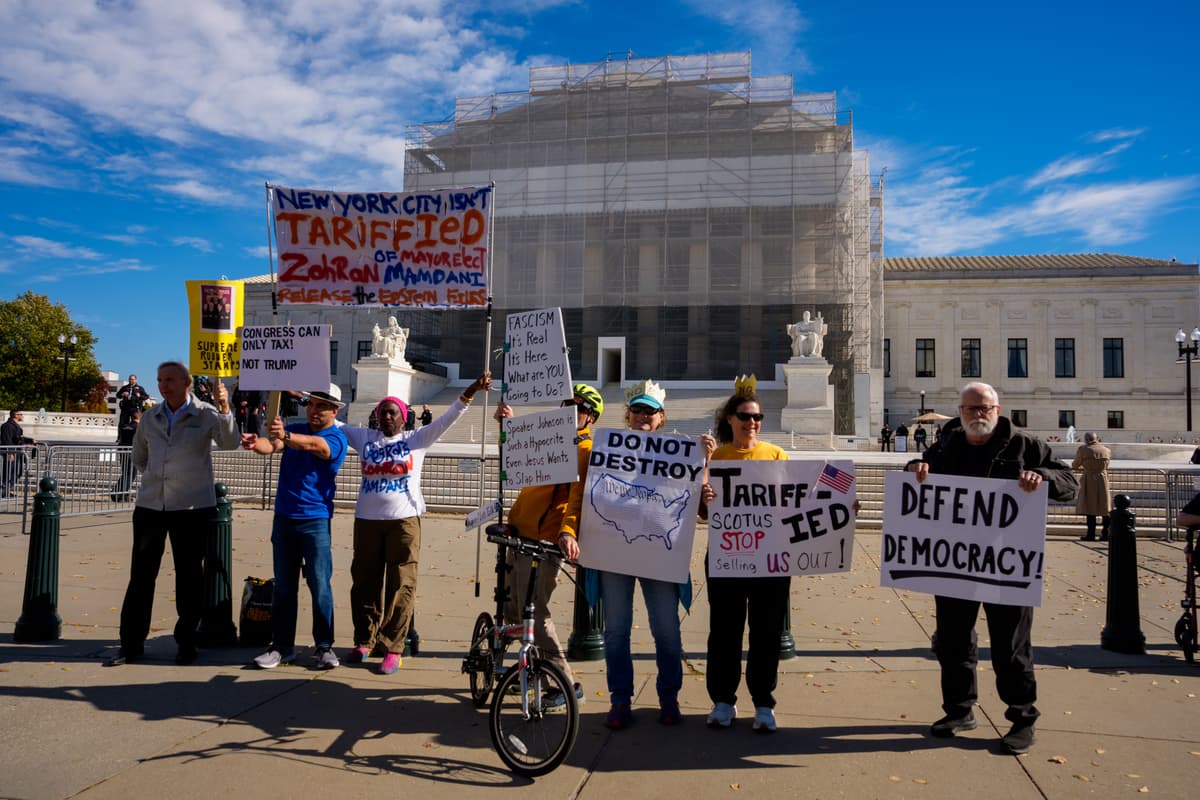
Policy Uncertainty Creates Pricing Power Opportunity: The White House's public dismissal of Federal Reserve research (calling it "the worst paper" in Fed history) signals that tariff policy remains politically contested and potentially subject to reversal or modification. This uncertainty paradoxically creates a seller advantage: consumers and downstream retailers are uncertain about long-term price trajectories, making them willing to accept price increases now rather than risk future scarcity. Sellers can implement 5-8% price increases on imported goods immediately, capturing margin before competitors do, while maintaining that increases reflect "tariff cost pass-through" rather than profit-taking. This window typically closes within 60-90 days as market prices stabilize.
Questions 8
Which seller segments face the greatest tariff impact in 2025?
Small and medium-sized sellers (importing 500-5,000 units monthly) face the steepest impact due to inability to absorb tariff costs or negotiate supplier price reductions. Sellers without existing compliance infrastructure face additional $5,000-15,000 compliance costs. Sellers importing from China face higher tariff rates (12-25% on many categories) compared to USMCA countries (Mexico) or emerging alternatives (Vietnam, India, Indonesia). Large sellers with scale, existing compliance infrastructure, and diversified sourcing have competitive advantages. Sellers in high-tariff categories (electronics, apparel, home goods) are more vulnerable than those in lower-tariff categories.
What pricing power do sellers have in the current tariff uncertainty environment?
The White House's public dismissal of Federal Reserve research signals that tariff policy remains politically contested and potentially subject to reversal or modification. This uncertainty creates a seller advantage: consumers and downstream retailers are uncertain about long-term price trajectories, making them willing to accept price increases now. Sellers can implement 5-8% price increases on imported goods immediately, capturing margin before competitors do, while maintaining that increases reflect 'tariff cost pass-through.' This pricing power window typically closes within 60-90 days as market prices stabilize and consumers adjust expectations.