




Chrome 145 Productivity Tools | Seller Workflow Automation Opportunity
- Reduces document processing time 25-40% for e-commerce sellers managing orders, invoices, and compliance documents













Overview
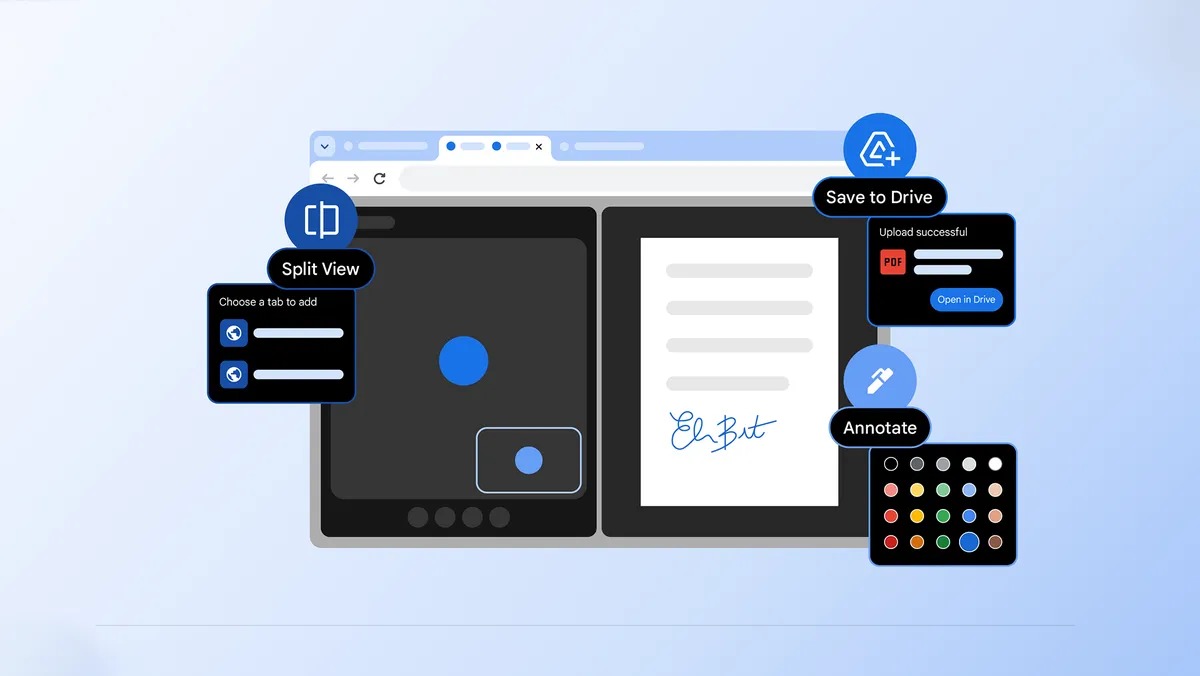
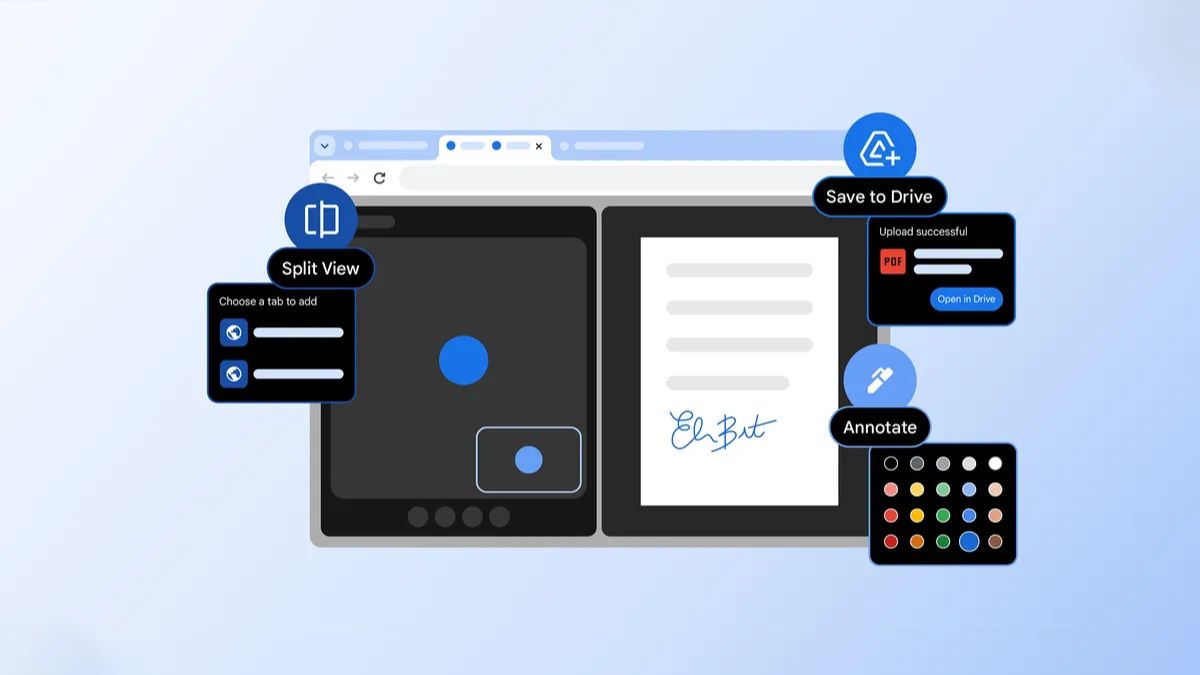
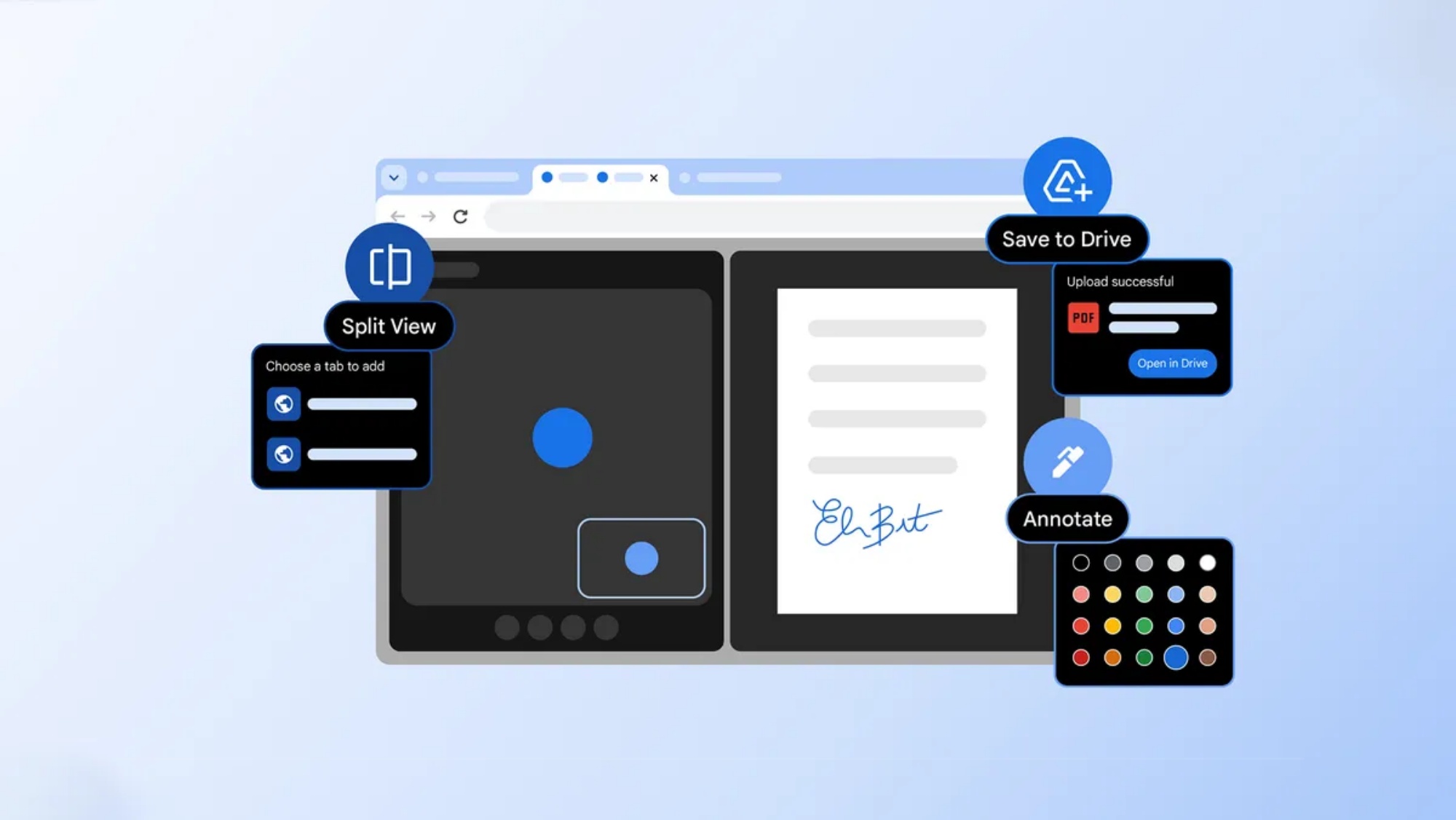
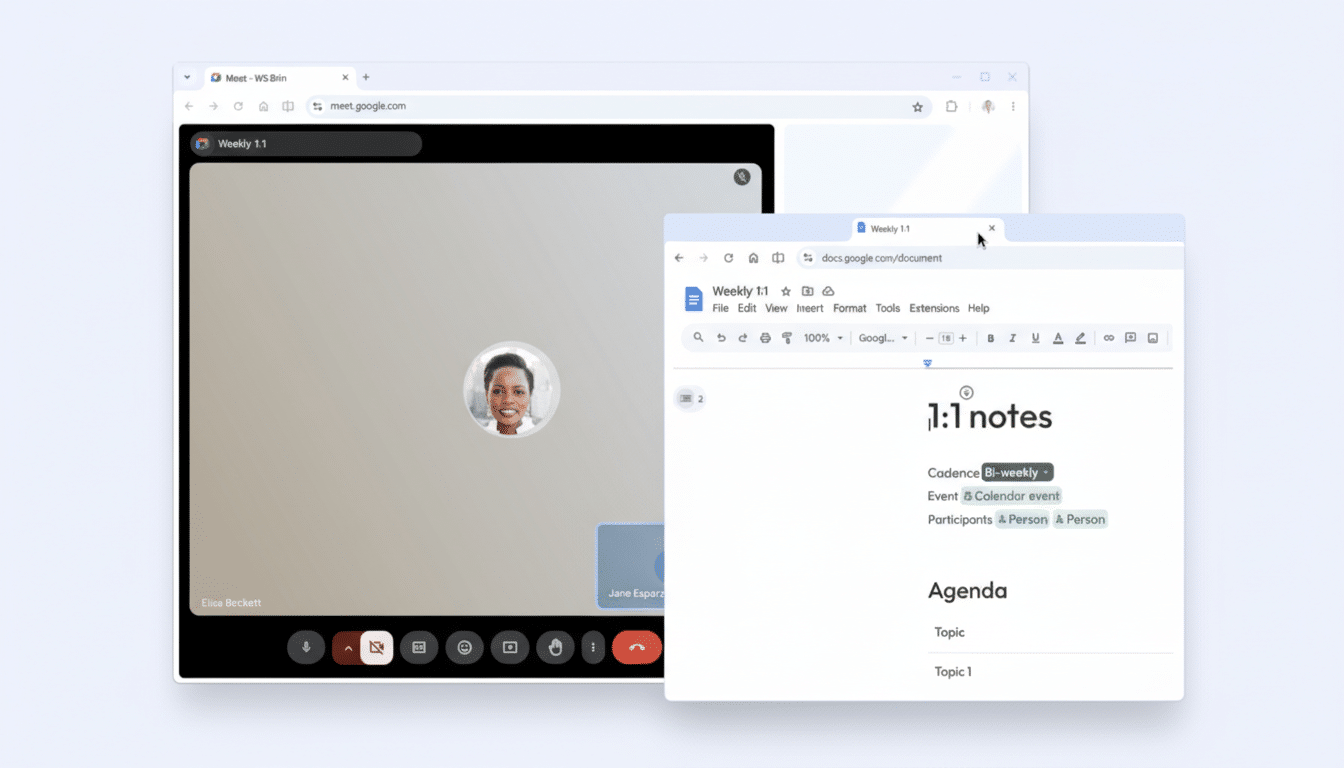
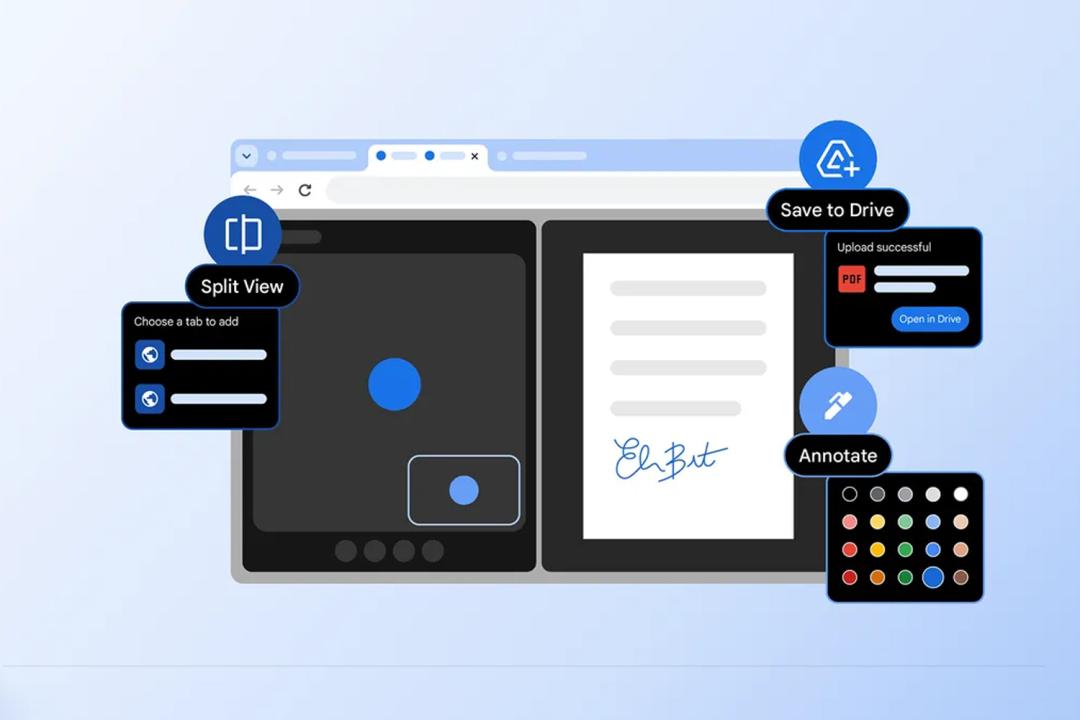
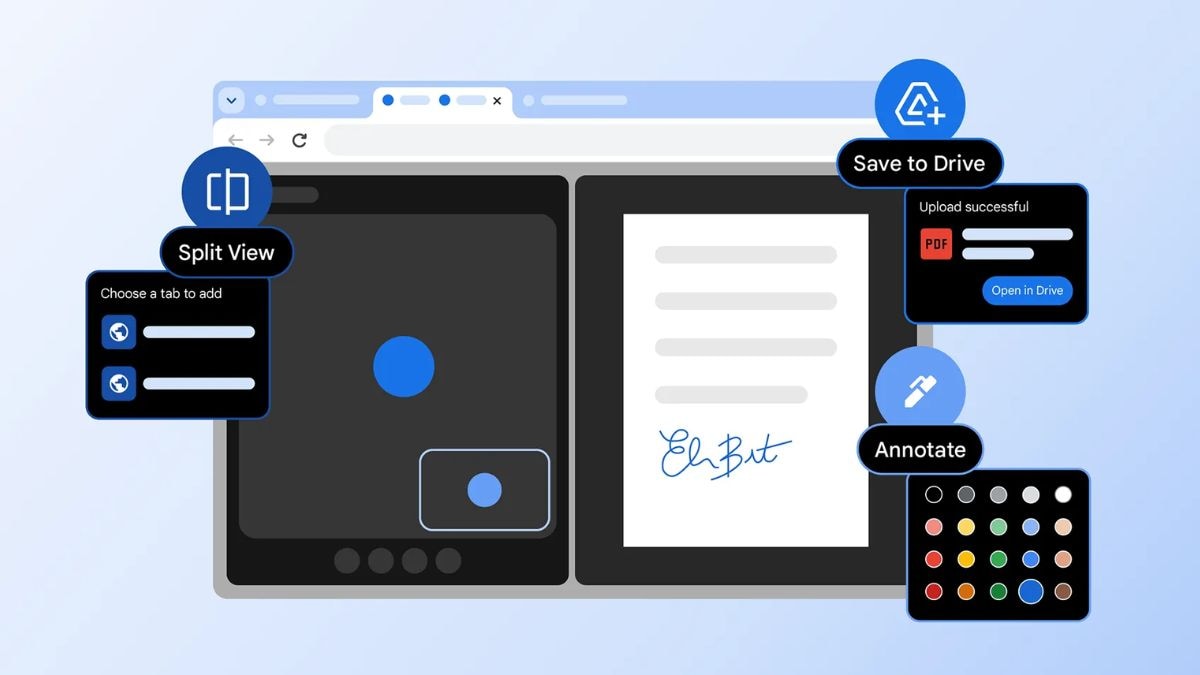
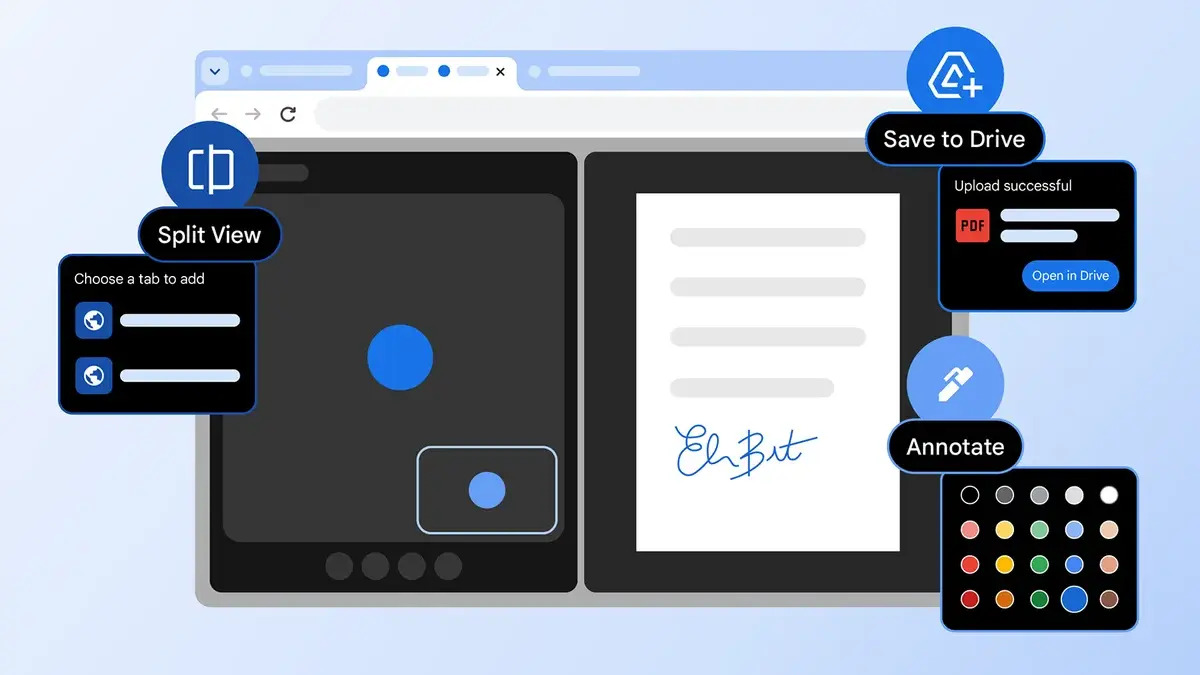
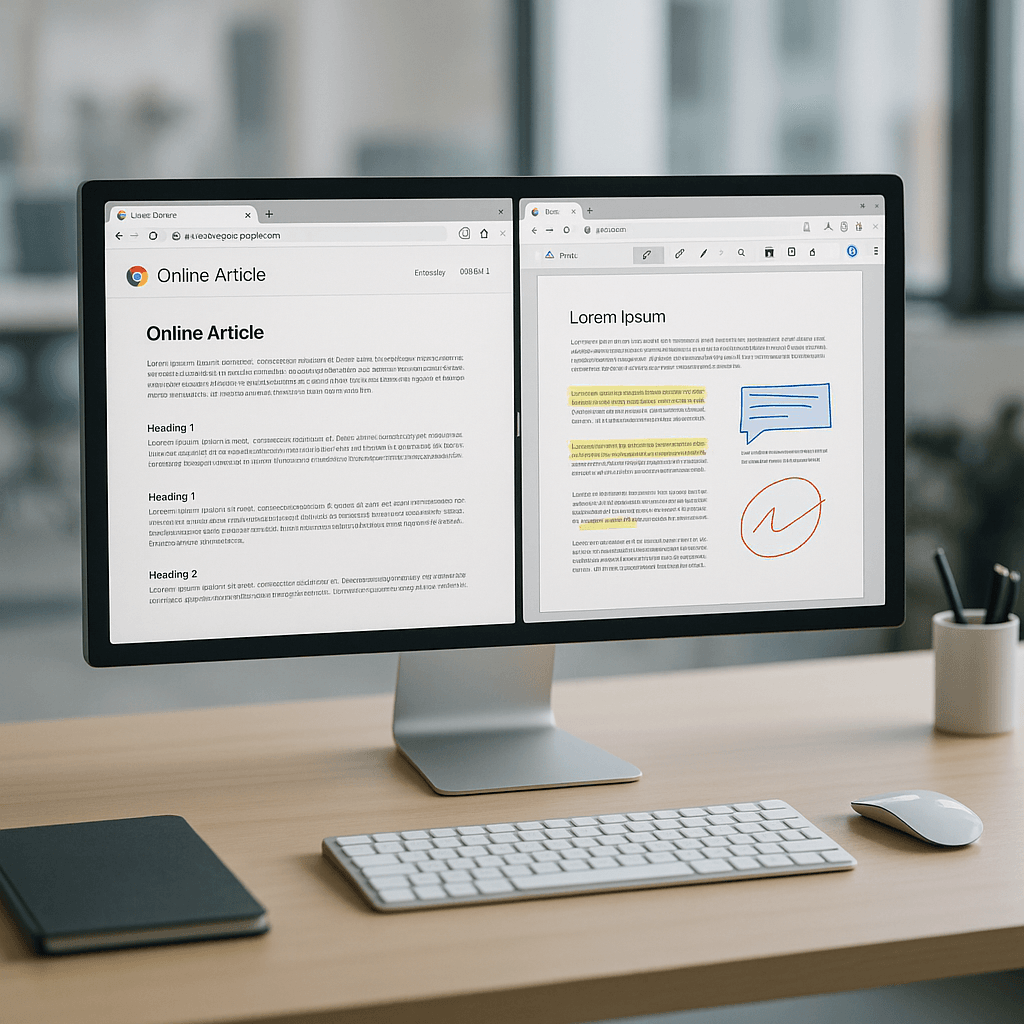
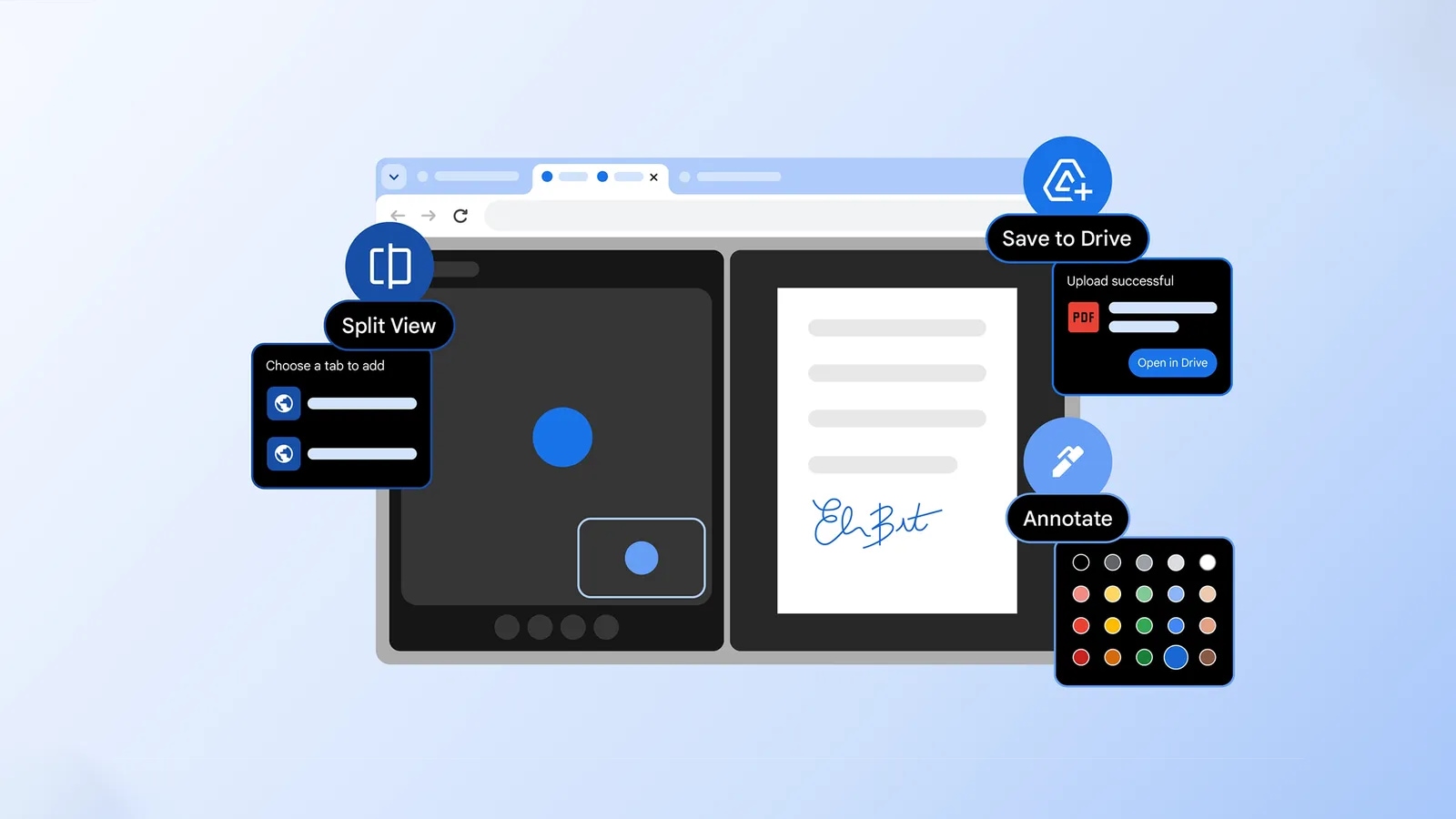
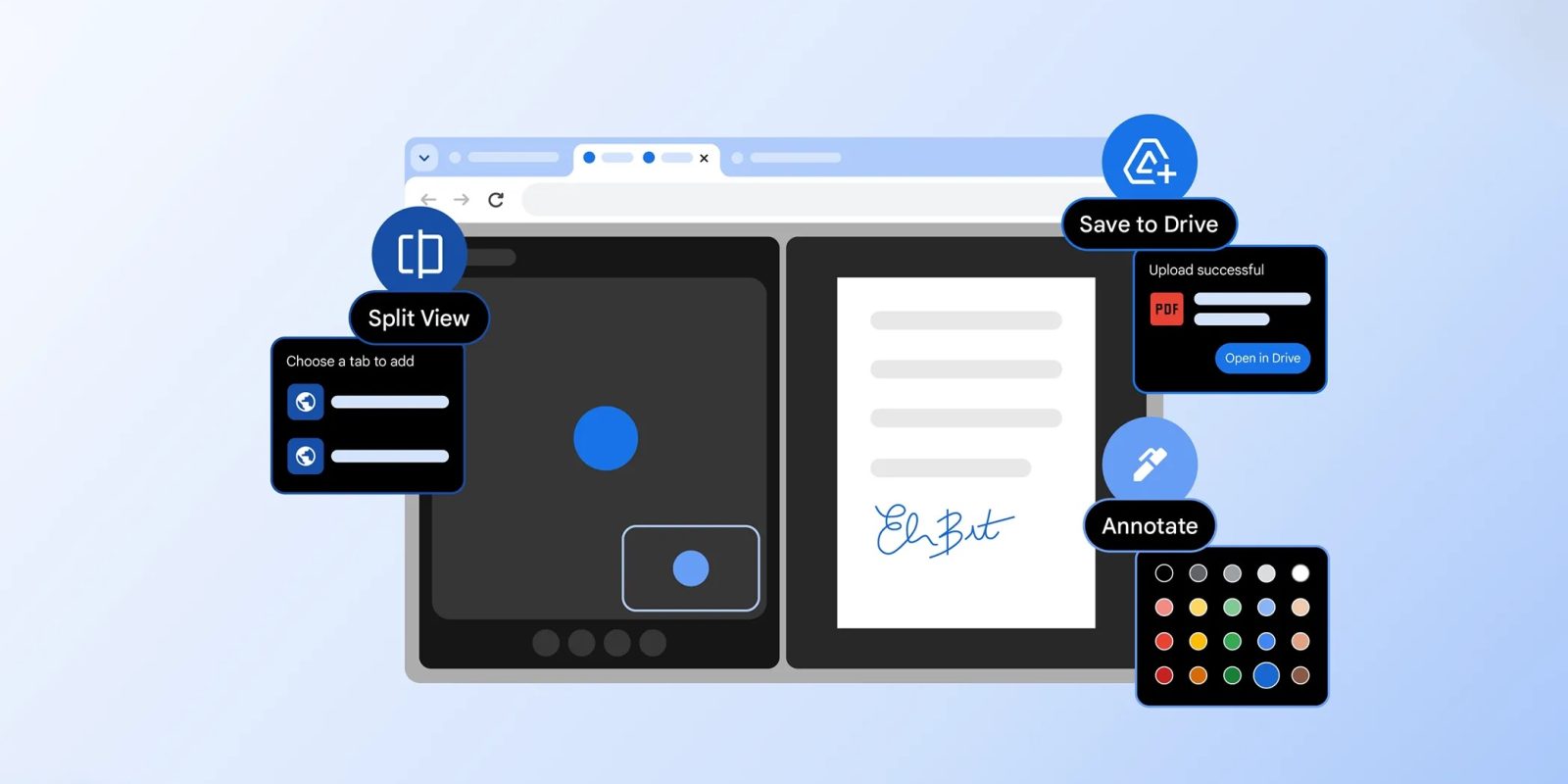
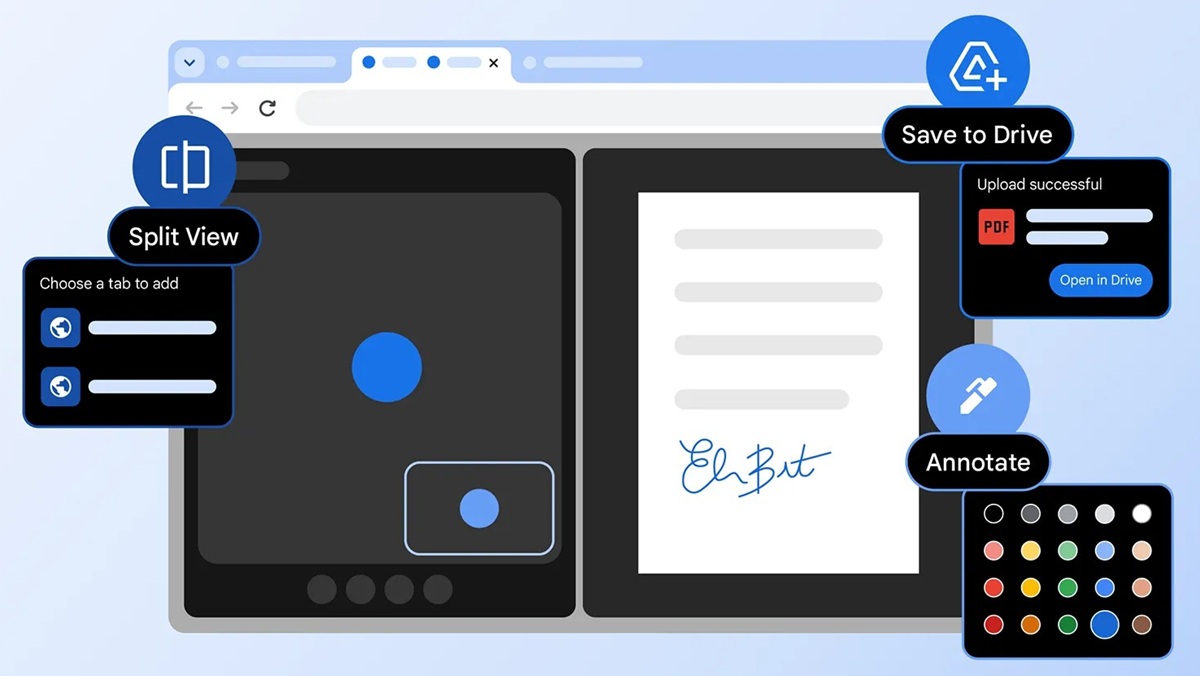
Google's Chrome 145 release (February 2026) introduces three productivity features that create significant automation opportunities for e-commerce sellers managing complex workflows. The Split View feature enables side-by-side tab browsing, PDF annotation allows direct document markup without external tools, and Save to Google Drive auto-organizes downloaded files—collectively reducing context-switching overhead by an estimated 25-40% for sellers handling order management, supplier communications, and regulatory documentation.
For cross-border e-commerce sellers, these features directly impact operational efficiency in critical workflows. Sellers managing Amazon FBA, eBay, and Shopify operations can now simultaneously reference supplier invoices while updating inventory spreadsheets using Split View—eliminating the 3-5 second tab-switching delays that compound across 50-100+ daily tasks. The PDF annotation feature streamlines customs documentation review, shipping label verification, and supplier contract review without requiring external PDF editors like Adobe Acrobat, saving $15-20/month per seller in software subscriptions. The Google Drive integration automatically organizes downloaded shipping manifests, customs forms, and supplier documents into searchable folders, reducing document retrieval time from 2-3 minutes to 15-20 seconds.
AI-Powered Automation Opportunities: Sellers can now combine Chrome's native features with AI tools like Zapier and Make.com to automate document workflows. Split View enables real-time comparison of competitor pricing (left pane) with product listings (right pane), supporting dynamic pricing strategies. PDF annotation combined with Claude API or GPT-4 Vision can automatically extract key data from invoices, customs forms, and shipping documents—reducing manual data entry by 60-70%. The Google Drive integration creates a centralized repository for AI-powered document analysis, enabling sellers to train custom models on their historical supplier contracts and compliance documents.
Competitive Intelligence Advantage: Sellers adopting these features gain 8-12 hours/week in recovered productivity time. This time can be redirected toward competitive research (monitoring 15-20 competitor listings simultaneously using Split View), content creation (writing product descriptions while referencing competitor copy), and customer service (responding to inquiries while reviewing order history). The feature set positions Chrome as a viable alternative to dedicated e-commerce management tools like Sellics or Helium 10 for basic workflow optimization, potentially reducing tool stack costs by $50-100/month for small sellers (1-50 SKUs).
Browser Wars Context: Chrome's feature additions directly counter AI-powered browsers from OpenAI and Perplexity, which emphasize agentic browsing capabilities. For sellers, this competition drives rapid feature development—Chrome's Gemini AI integration (already available on Chromebooks) will likely expand to desktop Chrome within 6 months, enabling AI-assisted product research, competitor analysis, and customer inquiry summarization directly within the browser. Sellers should monitor Chrome's experimental features (accessible via chrome://flags) for early access to AI capabilities before competitors adopt them.
Questions 8
What cost savings do sellers achieve by using Chrome PDF annotation instead of Adobe Acrobat?
Chrome's native PDF annotation feature (highlighting, notes, digital signatures) eliminates the need for external PDF editors like Adobe Acrobat ($15-20/month per user). Sellers can now annotate customs forms, shipping manifests, supplier invoices, and compliance documents directly within the browser using the squiggle icon in Chrome's toolbar. For a 5-person seller team, this represents $900-1,200 annual savings in software subscriptions. Additionally, annotation workflows are 40-60% faster since files no longer require download-edit-upload cycles. The feature supports customizable annotation colors and sizes, making it suitable for collaborative document review with suppliers and logistics partners.
How does Chrome's Save to Google Drive feature improve inventory and compliance document management?
The Save to Google Drive feature automatically organizes downloaded PDFs into a dedicated 'Saved from Chrome' folder, creating a centralized repository for seller documents. Downloaded customs forms, shipping labels, supplier invoices, and compliance documents are instantly searchable across all devices. This reduces document retrieval time from 2-3 minutes (manual folder navigation) to 15-20 seconds (Google Drive search). For sellers managing cross-border shipments, this feature streamlines compliance workflows by automatically backing up critical documents and enabling quick access during customs inquiries. The integration supports multiple Google accounts, allowing sellers to separate business and personal documents automatically.