

Migrant Worker Risks Exposed: The Human Cost of International Conflict Zones
- Tragic death highlights global labor vulnerability in high-risk international environments






Overview
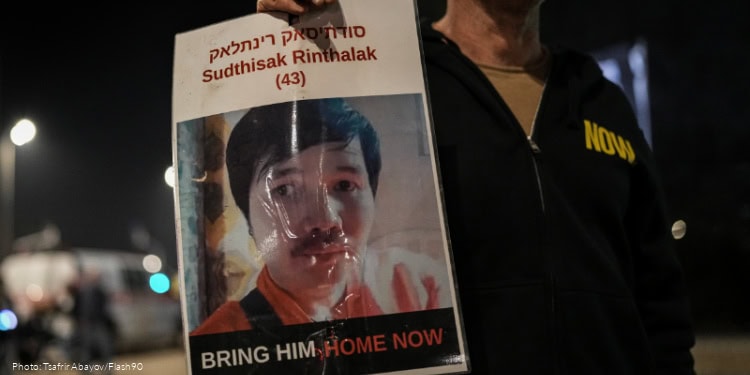
The story of Sudthisak Rinthalak, a Thai worker tragically killed during the October 7, 2023 Hamas attack in Israel, unveils a critical yet often overlooked dimension of international labor markets: the profound human vulnerability of migrant workers in conflict zones.
Global Labor Mobility's Hidden Risks emerge starkly through this narrative. Migrant workers, seeking economic opportunities beyond their home countries, frequently find themselves exposed to unprecedented dangers that traditional employment protections fail to address. The ceasefire agreement's provision to return Rinthalak's remains symbolizes not just a humanitarian gesture, but a stark reminder of the systemic risks facing international laborers.
Geopolitical Complexity and Worker Protection represent a critical intersection rarely examined in depth. This incident exposes multiple layers of vulnerability: economic desperation driving workers into high-risk environments, inadequate corporate and governmental safety mechanisms, and the complete lack of comprehensive international frameworks protecting migrant workers in conflict regions. The Thai worker's death is not an isolated incident, but a symptom of a broader structural challenge in global labor migration.
The broader implications are profound. For developing countries relying on international remittances, such risks threaten not just individual lives but entire economic ecosystems. Families like Rinthalak's bear not only emotional trauma but potentially devastating economic consequences. This case underscores an urgent need for enhanced international labor protection protocols, more robust risk assessment mechanisms, and a fundamental reimagining of how we approach worker safety in increasingly complex global landscapes.
Questions 3
What economic impacts do such incidents have on migrant workers' home countries?
Incidents like these can dramatically disrupt remittance flows, which are critical economic lifelines for many developing nations. The loss of a worker not only represents personal tragedy but can significantly impact family and community economic stability.
How do international organizations currently address worker safety in conflict regions?
Current frameworks are fragmented and reactive. While organizations like the ILO provide guidelines, there's no comprehensive, enforceable international protocol specifically designed to protect migrant workers in high-risk geopolitical environments. The Rinthalak case highlights these systemic gaps.