





Microplastics Contamination Surge Reshapes Packaging Standards | E-Commerce Sellers Face Regulatory Pressure & Market Opportunities
- Microplastic concentrations in human brain tissue increased 50% between 2016-2024; dementia cases show 10x higher levels, driving consumer demand for sustainable packaging alternatives and creating compliance challenges for food/beverage e-commerce sellers











Overview
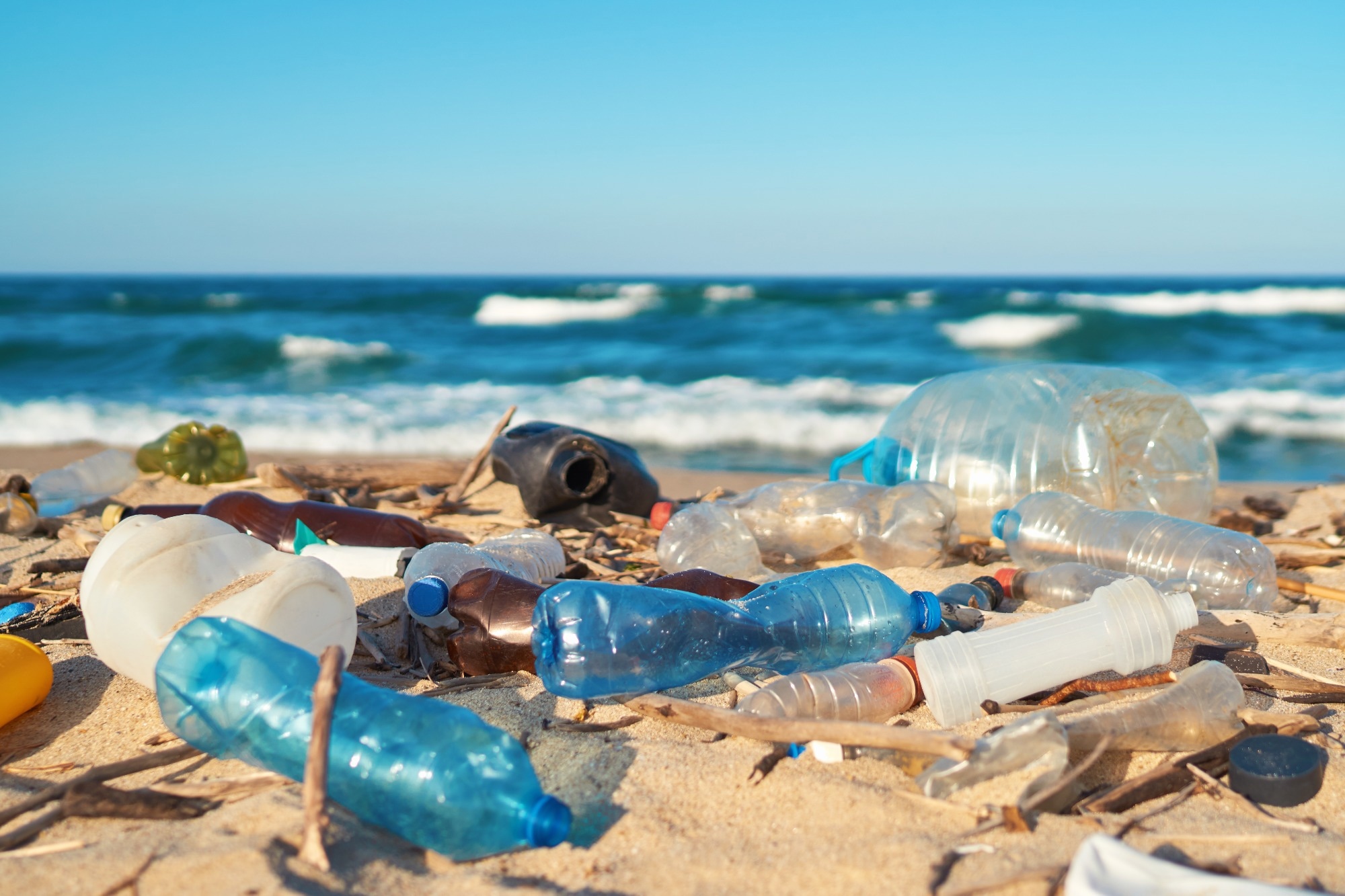
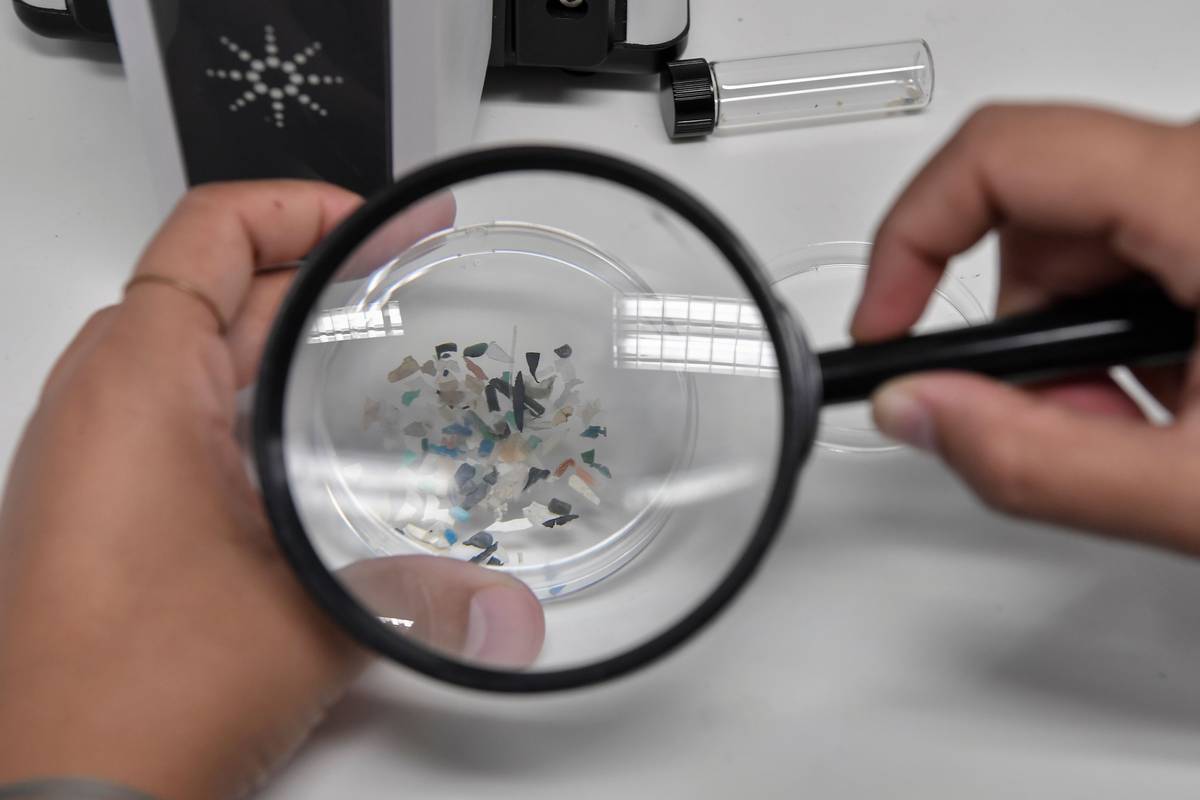
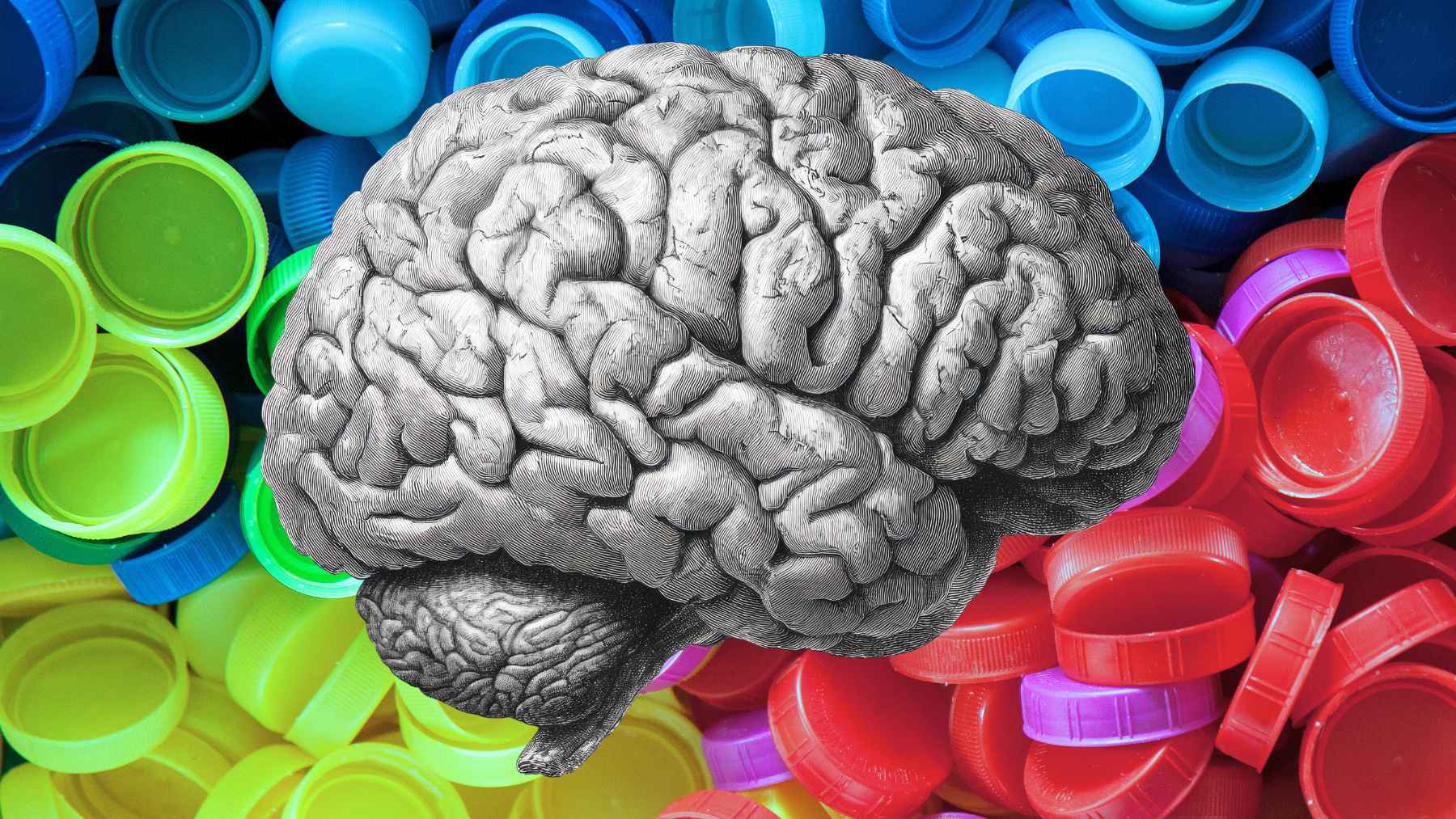
The microplastics crisis has escalated from environmental concern to direct human health threat, fundamentally reshaping product packaging standards and creating dual pressures for e-commerce sellers. A Nature Medicine study by University of New Mexico researchers analyzing 91 brain samples from 2016-2024 detected 12 types of plastic polymers in human brain tissue, with median concentrations of 4,900 micrograms per gram—7 to 30 times higher than liver and kidney samples. Most alarming: brains from dementia patients showed median levels exceeding 26,000 micrograms per gram, up to ten times higher than control samples. Plastic concentrations in brain tissue increased approximately 50% over the eight-year period, mirroring global plastic waste surge. Polyethylene comprises 75% of detected plastic mass, with particles ranging from 500 micrometers to nanometer scale.
This scientific evidence is driving immediate market transformation. The Wall Street Journal reported on February 18, 2026, that global concern over microplastics has sparked bipartisan legislative action and corporate innovation. The United Nations Environment Program confirms over 400 million metric tons of plastic are produced annually worldwide, with only 10% being recycled. Manufacturers including Dow Chemical are developing more durable, ductile products that resist fragmentation, while alternative makers like Anew Material capitalize on consumer demand for microplastic-free cosmetics—though alternative materials typically exceed fossil fuel-based plastics in price by significant margins. Surveys indicate shoppers in the U.S. and Canada actively avoid products based on packaging materials, creating market demand for sustainable alternatives.
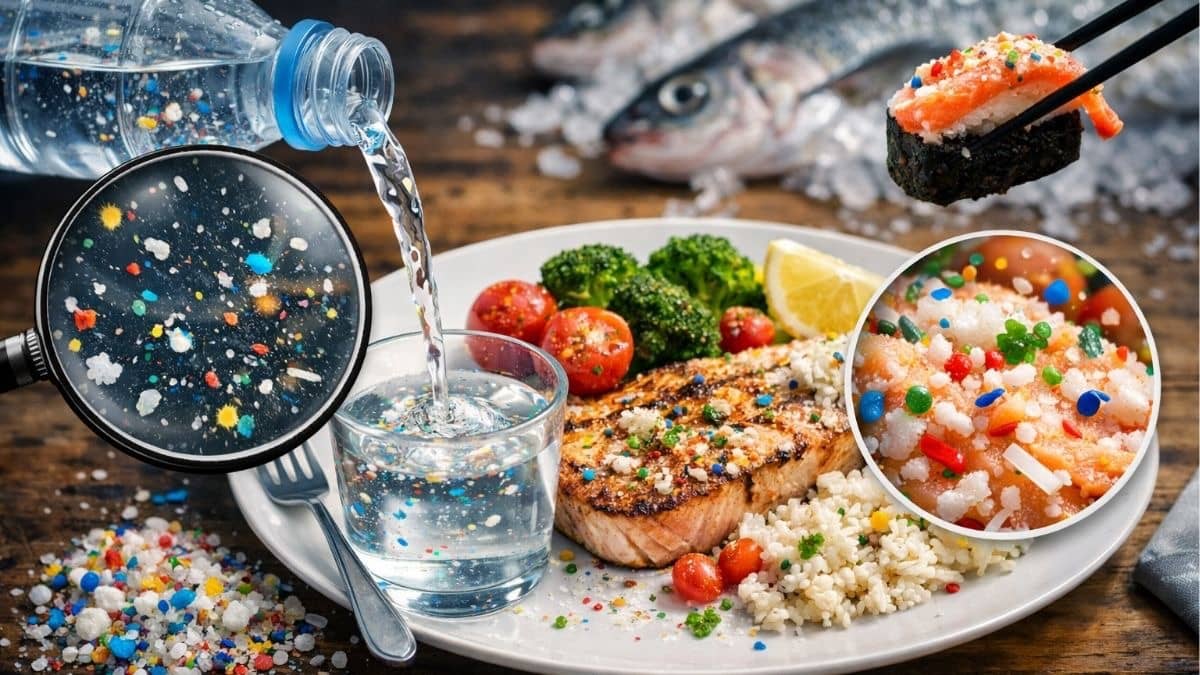
For e-commerce sellers, this trend presents dual implications: increased regulatory pressure on product packaging and sourcing, alongside emerging market opportunities in sustainable alternatives. Food and beverage sellers face particular scrutiny—research from the European Association for Gastroenterology conference documents that one liter of bottled water contains approximately 240,000 microplastic pieces, processed protein products expose American adults to 11,000 microplastic particles annually, and commercial tea bags release billions of particles when steeped in boiling water. Dairy products show higher contamination due to plastic's chemical affinity with fat molecules. E-commerce sellers in food, cosmetics, and beverage categories must anticipate increased consumer scrutiny regarding product sourcing, packaging materials, and manufacturing processes. Future regulatory frameworks may mandate disclosure of microplastic contamination levels or require adoption of alternative packaging materials, similar to existing plastic reduction initiatives in Europe and North America. The scientific consensus, while debated on methodological grounds, confirms plastic presence in human bodies—creating consumer awareness that translates directly to purchasing behavior and marketplace demand for certified sustainable alternatives.
Questions 8
How can e-commerce sellers reduce microplastic exposure in their products?
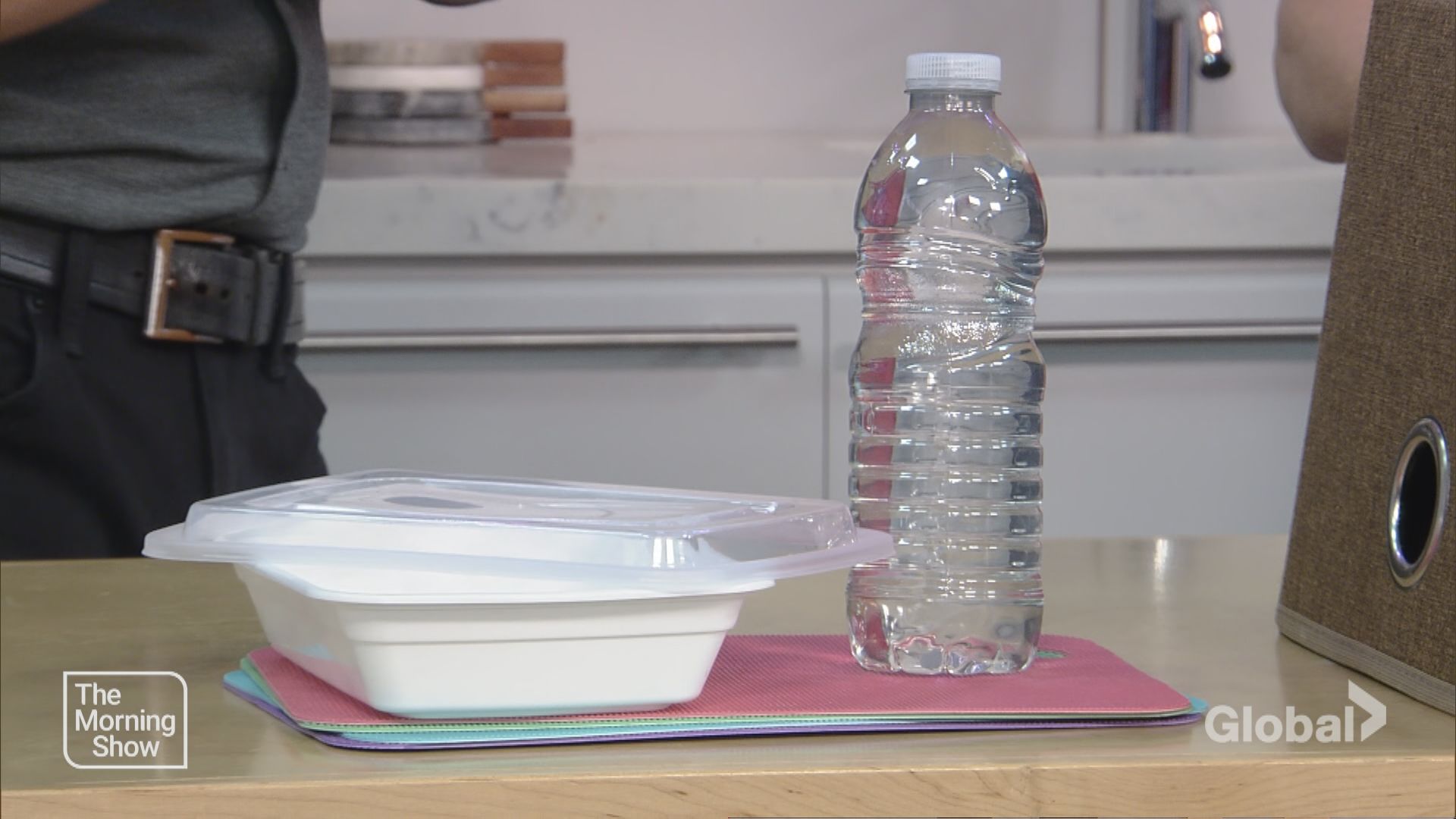
Experts recommend reducing exposure through practical measures: avoiding heating food in plastic containers, limiting plastic tea bags and bottles with hot liquids, and choosing filtered tap water over bottled water—potentially reducing annual microplastic intake from 90,000 to 4,000 particles. For e-commerce sellers, this translates to sourcing decisions: evaluate supplier practices regarding plastic container heating, consider alternative packaging materials for hot-fill products, and promote filtered water systems as complementary products. Dow Chemical and other manufacturers are developing more durable, ductile products that resist fragmentation into microparticles. Sellers should audit their supply chain for fragmentation-prone materials and transition to certified durable alternatives, particularly for products targeting health-conscious consumers.
What is the scientific consensus on microplastics in human bodies?
While measuring microplastics in human tissue presents genuine methodological challenges, the scientific consensus confirms plastic presence in human bodies. Peer-reviewed research consistently demonstrates plastic-associated signals in human samples, with some findings proving more robust than others over time. The Nature Medicine study and European Association for Gastroenterology research represent normal, healthy scientific progress rather than crisis-level findings. However, growing animal research demonstrates microplastics can cross the gut-blood barrier and reach the brain within weeks, potentially disrupting the blood-brain barrier or triggering inflammation. For e-commerce sellers, the key insight is that consumer awareness of this scientific consensus—regardless of methodological debates—is driving purchasing behavior toward sustainable alternatives and away from products with plastic-shedding packaging.