



South Korea's Political Corruption Scandal Exposes Systemic Governance Risks
- Unprecedented Probe Reveals Dangerous Intersection of Political Power and Personal Enrichment














)





Overview
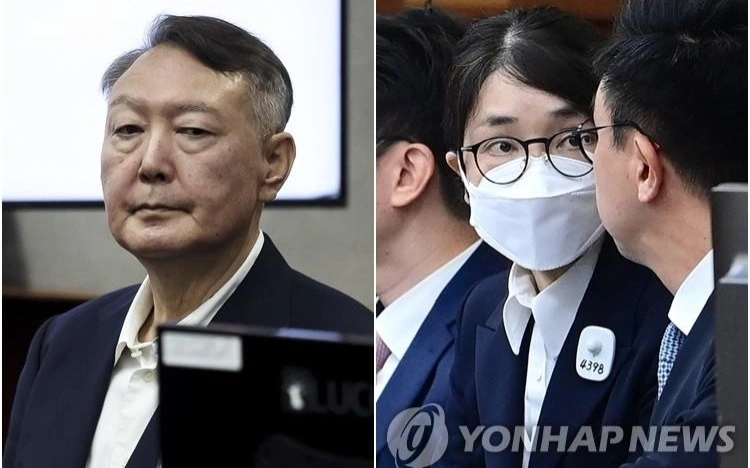
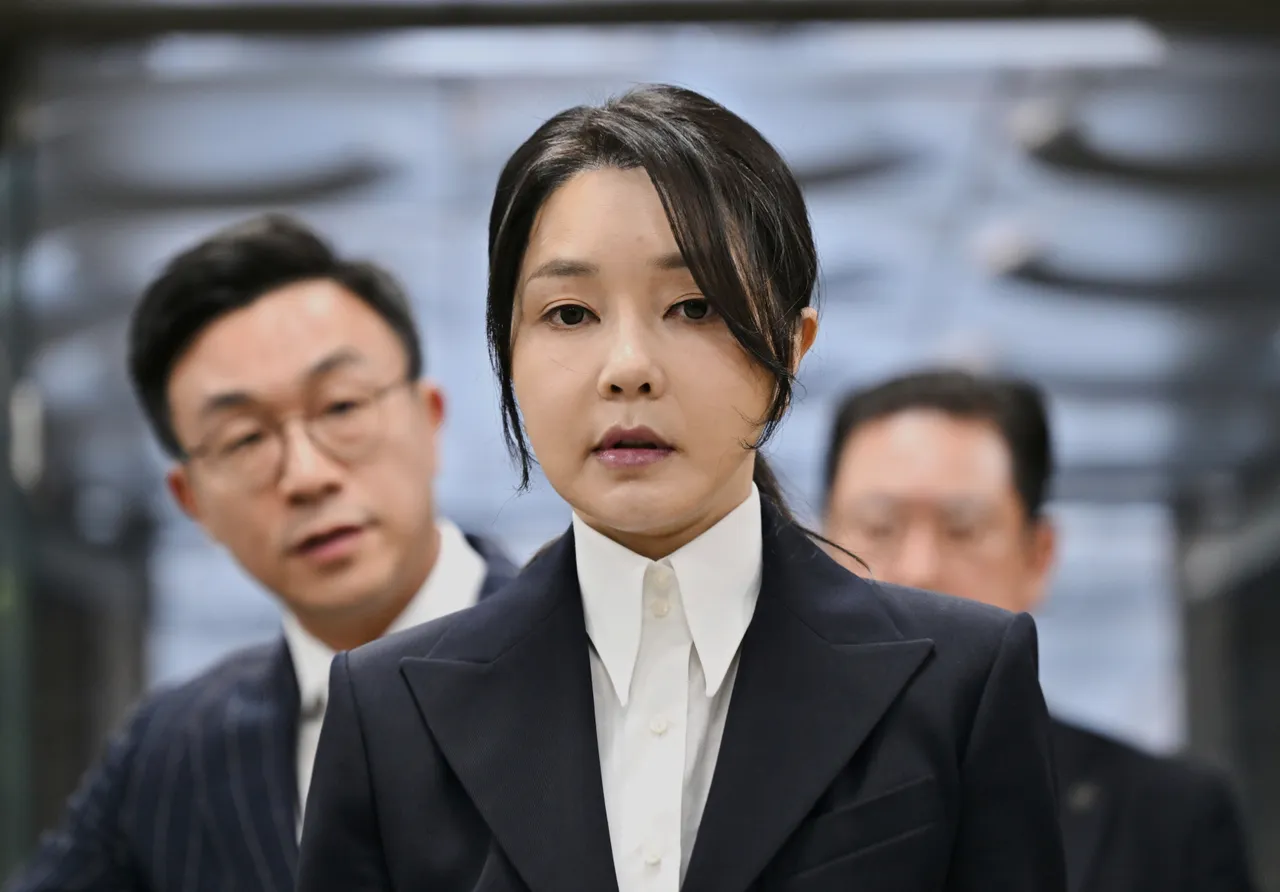
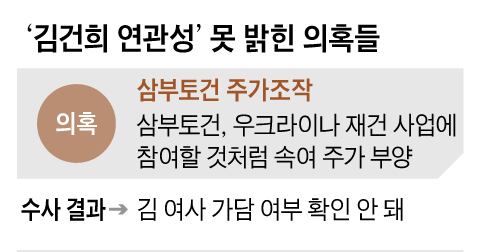
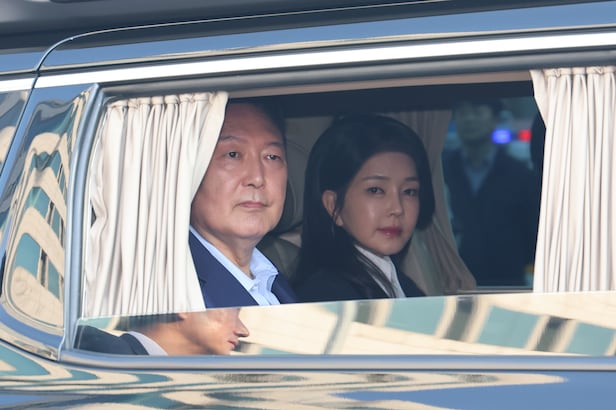
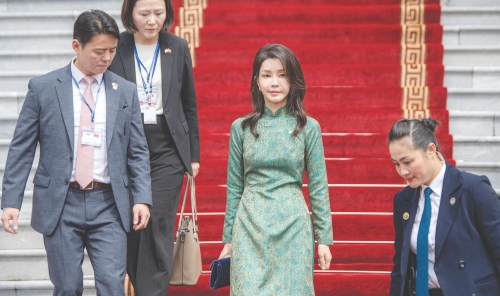
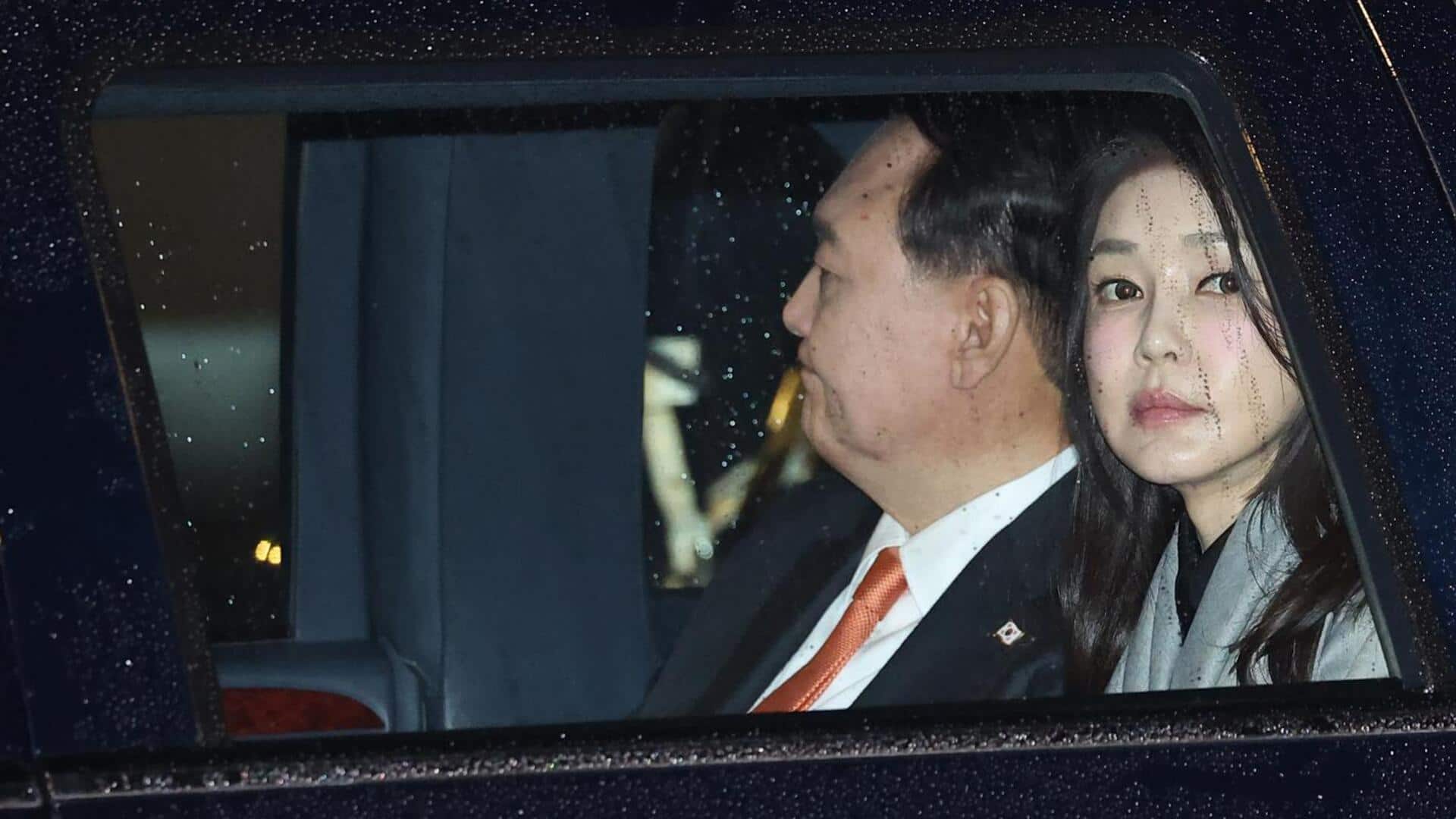
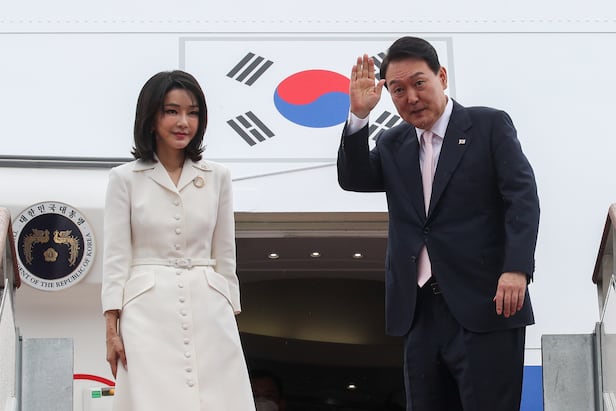
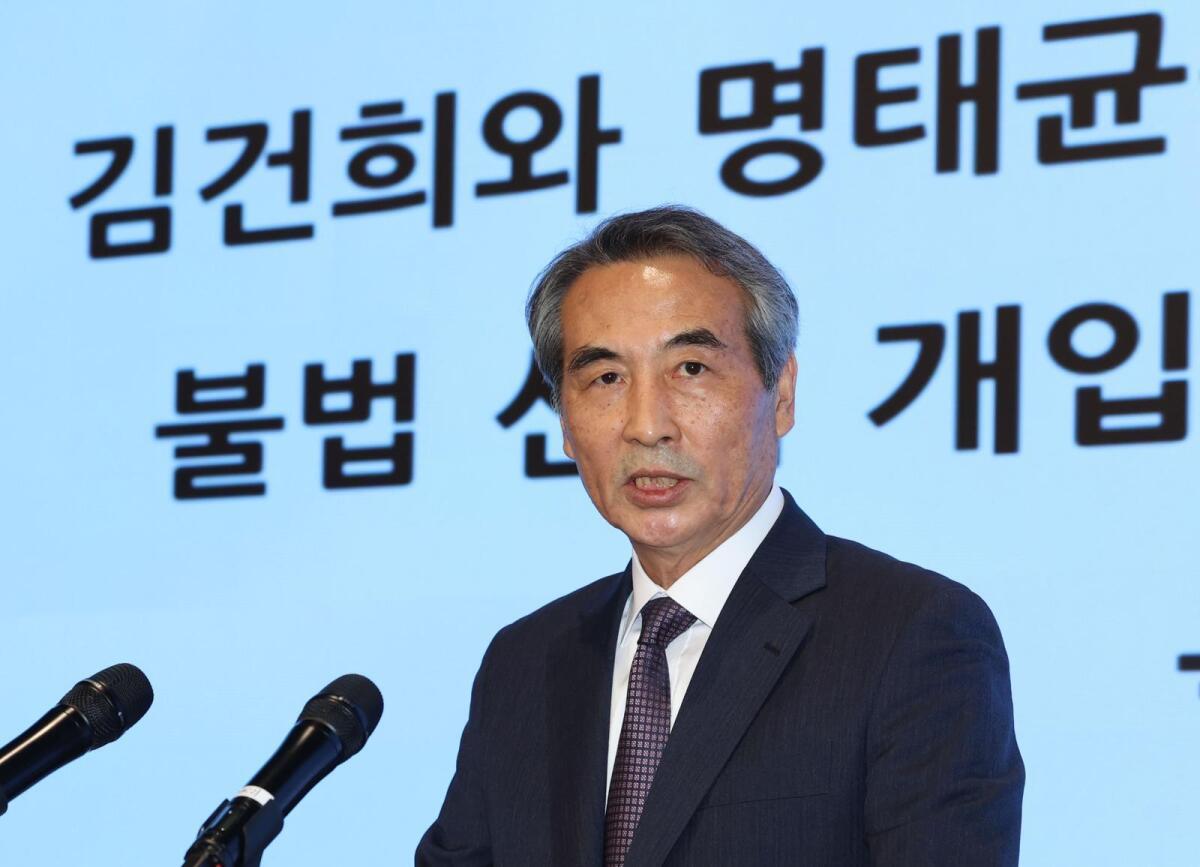
The South Korean political corruption investigation represents a watershed moment in governmental accountability, exposing profound systemic vulnerabilities at the highest levels of state leadership. At the center of this unprecedented scandal is former First Lady Kim Keon-hee, who stands accused of systematically exploiting her spouse's presidential position to accumulate 377.25 million won (approximately $263,000) through a complex network of bribes and improper influence.
The investigation reveals a disturbing pattern of institutional corruption that extends far beyond individual misconduct. Prosecutors have meticulously documented how Kim allegedly leveraged her status to receive luxury items—including two Chanel bags, a diamond necklace, and a valuable painting by Lee Ufan—from various entities, most notably the Unification Church. This suggests a sophisticated mechanism of political patronage where access and influence are traded like commodities.
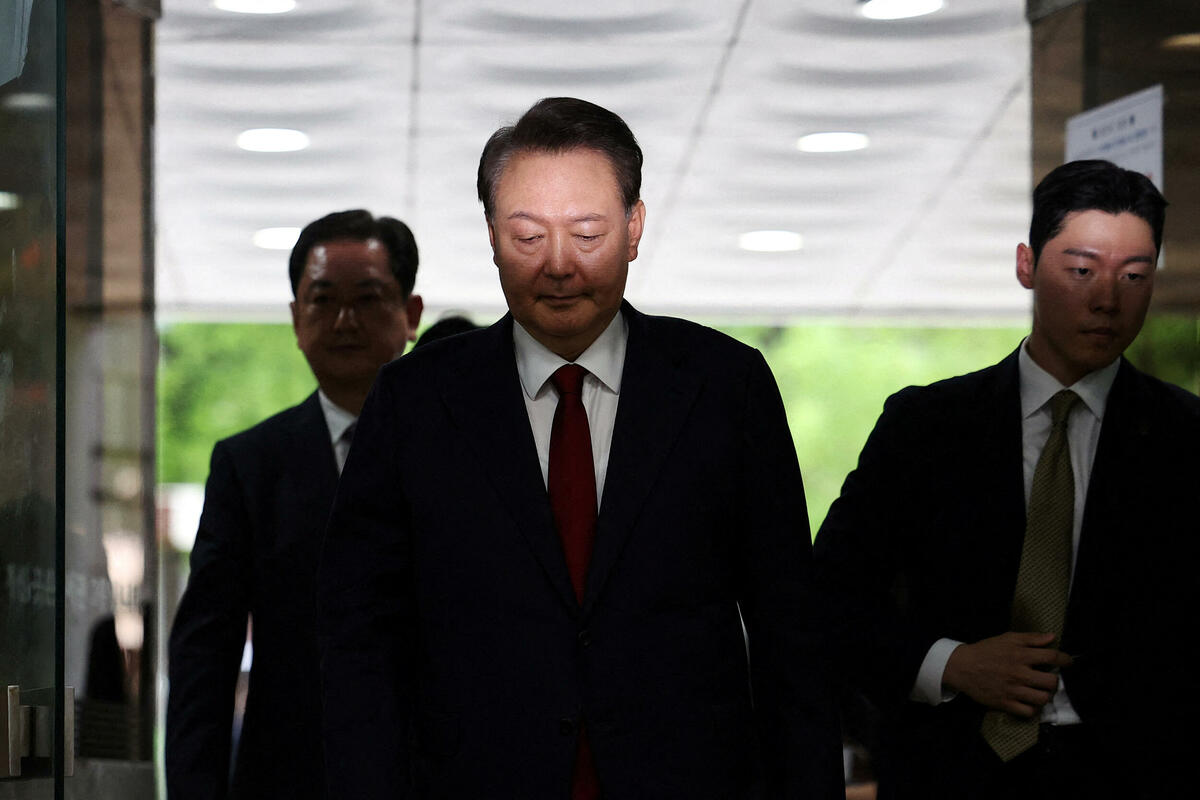
What makes this case particularly significant is its broader contextual implications. The investigation is not an isolated incident but part of a comprehensive probe into the entire Yoon administration's governance, with former President Yoon Suk-yeol himself facing potential life sentencing for suspected insurrection charges. This signals a critical inflection point in South Korean political culture—a systematic attempt to dismantle entrenched networks of corruption and restore institutional integrity.
For international businesses and governance experts, this case offers crucial insights into the risks of political entanglement. The allegations demonstrate how personal connections can create complex webs of influence that compromise governmental decision-making. The prosecution's aggressive stance—seeking a 15-year prison sentence for Kim—indicates a zero-tolerance approach to such systemic corruption, potentially reshaping expectations for political accountability in the region.
The investigation ultimately transcends a simple corruption scandal. It represents a profound institutional reckoning, where long-standing informal power structures are being systematically dismantled. By pursuing high-profile figures like Kim and Yoon, South Korean authorities are sending an unambiguous message: no political figure is above legal scrutiny, regardless of their previous status or connections.
Questions 3
What are the potential implications for international businesses operating in South Korea?
The investigation signals increased regulatory scrutiny and a zero-tolerance approach to political entanglements. International businesses must now be extremely cautious about interactions with government-connected individuals and ensure transparent, arms-length relationships to avoid potential legal complications.
How significant are these corruption charges in South Korean political context?
These charges are unprecedented in their scope and targeting of a presidential spouse. The investigation represents a systemic effort to dismantle informal power networks and demonstrates a commitment to institutional accountability at the highest levels of government.