


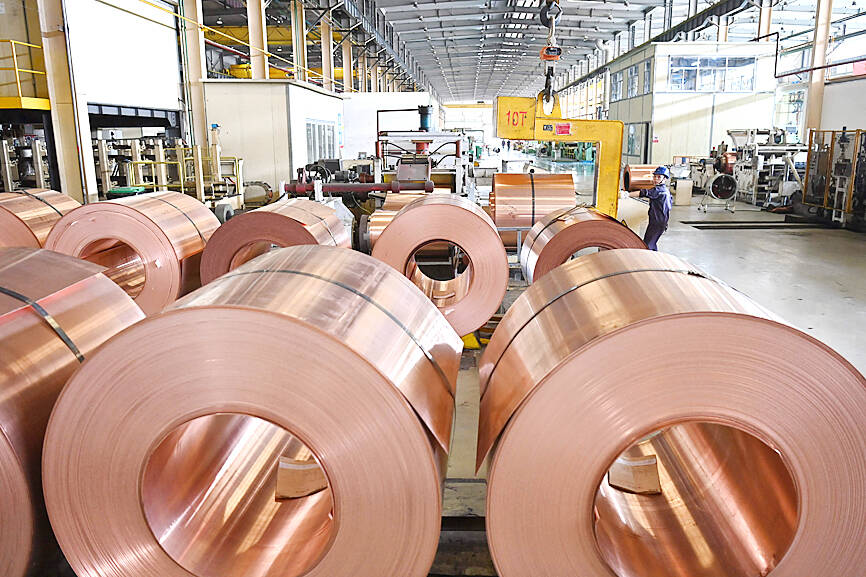

Copper's Digital Revolution: How AI and Green Tech Are Reshaping Global Supply Chains
- Transformative market dynamics driving unprecedented copper demand across technology and infrastructure sectors













&format=webp&quality=medium)


Overview
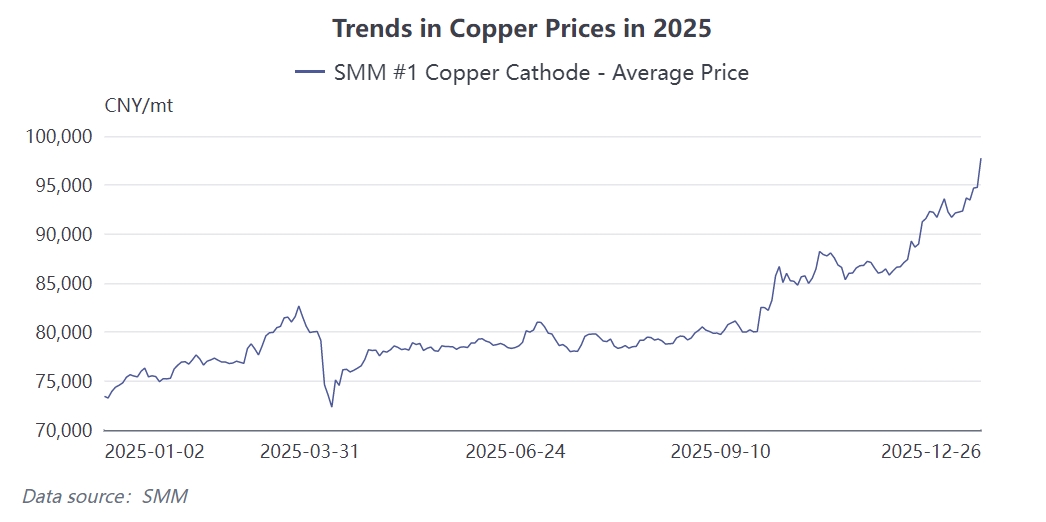
The global copper market is experiencing a profound transformation, driven by the convergence of artificial intelligence infrastructure and green technology expansion. With prices surging over 41% in 2025 and reaching near-record highs of 12,493 per ton, copper has emerged as a critical strategic commodity that extends far beyond traditional industrial applications.
Technological infrastructure is the primary catalyst for this remarkable rally. Data centers now require up to 10 times the electrical load of traditional facilities, creating an unprecedented demand for specialized copper components. The AI revolution and electric vehicle transition are fundamentally restructuring copper's role in the global economy. Analysts from JPMorgan and Goldman Sachs project sustained growth, with long-term copper prices potentially reaching 15,000 by 2035 – signaling a structural shift in technological investment.
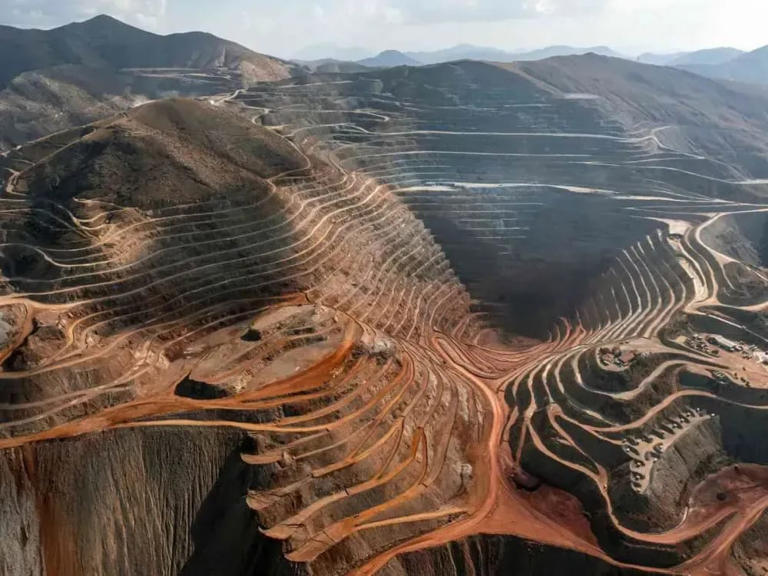
The supply dynamics are equally compelling. BloombergNEF estimates a potential copper shortfall of 19 million tonnes in the coming 25 years without significant mining developments or recycling improvements. This scarcity is creating a complex market environment where strategic sourcing becomes crucial for technology and green energy sellers. Manufacturers must now develop alternative sourcing strategies and potentially hedge against price volatilities.
For cross-border e-commerce and technology infrastructure sellers, these developments represent both a challenge and an opportunity. The copper price surge will directly impact manufacturing expenses for electronic components, data center equipment, and renewable energy infrastructure. Sellers must now consider more sophisticated inventory management and pricing strategies that account for these volatile commodity dynamics.
Historically known as 'Dr. Copper' – an economic growth indicator – the metal is now transitioning into a critical component of next-generation technologies. This is not just a commodity rally, but a fundamental restructuring of how technological infrastructure is conceived, developed, and deployed globally.
Questions 3
What are the long-term projections for copper demand?
Analysts predict copper demand could triple over the next 20 years, particularly in energy transition sectors. BloombergNEF estimates a potential 19 million tonnes copper shortfall, indicating sustained high prices and strategic importance for technological infrastructure.
Why are copper prices experiencing such a significant rally?
The rally is primarily driven by massive investments in AI infrastructure, data centers, and green technology. Emerging technologies like electric vehicles and power grid expansions require substantially more copper, creating unprecedented demand that outpaces current supply capabilities.