



Silver's Volatile Rollercoaster: How Margin Requirements and Market Speculation Reshaped Precious Metals Trading in 2025
- Unprecedented price swings signal critical transformation in global commodity markets for investors and industrial players










Overview
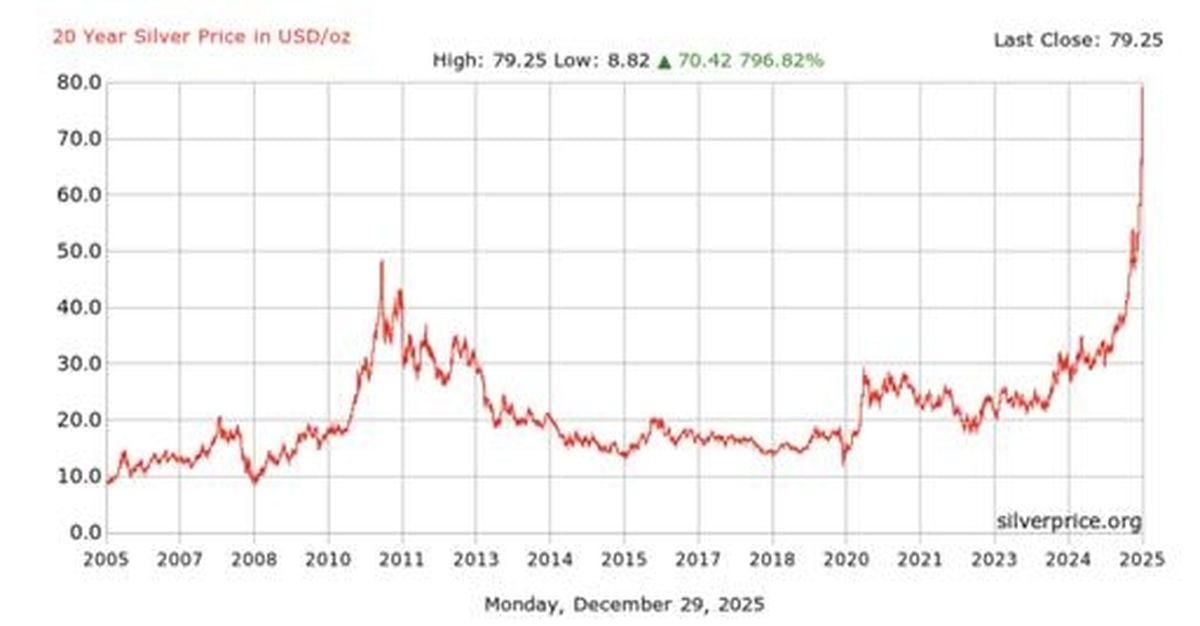
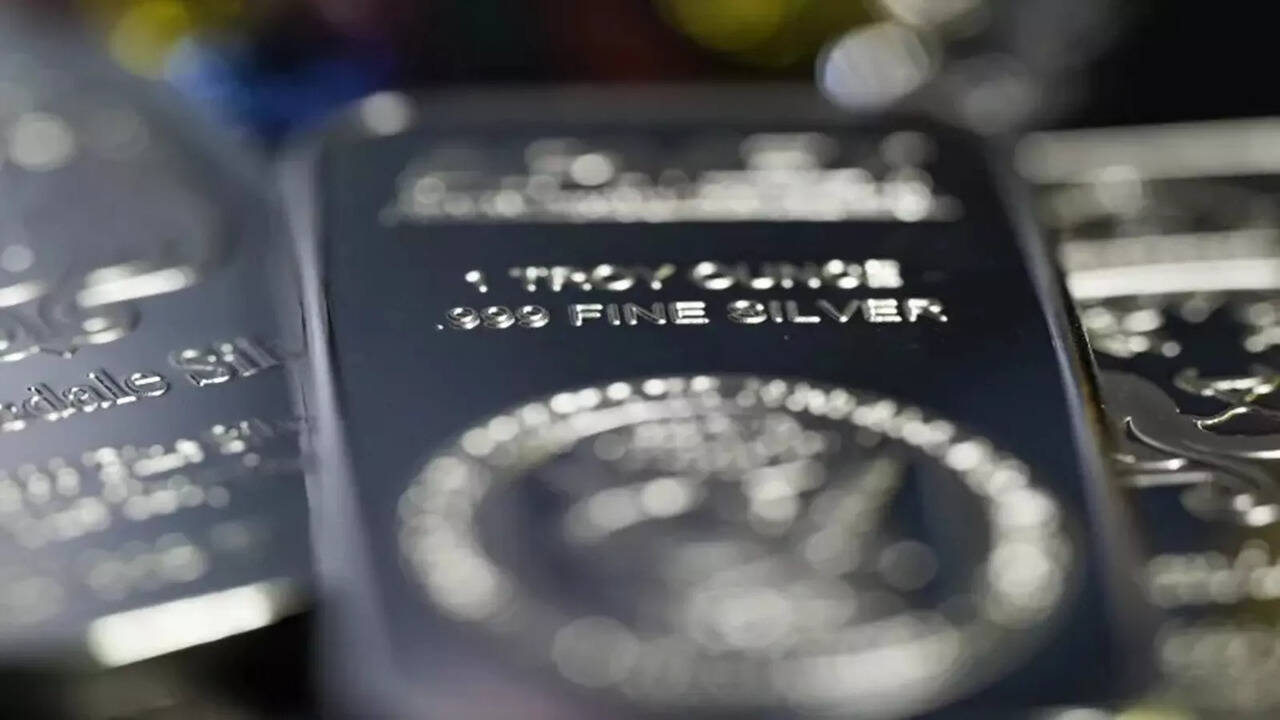
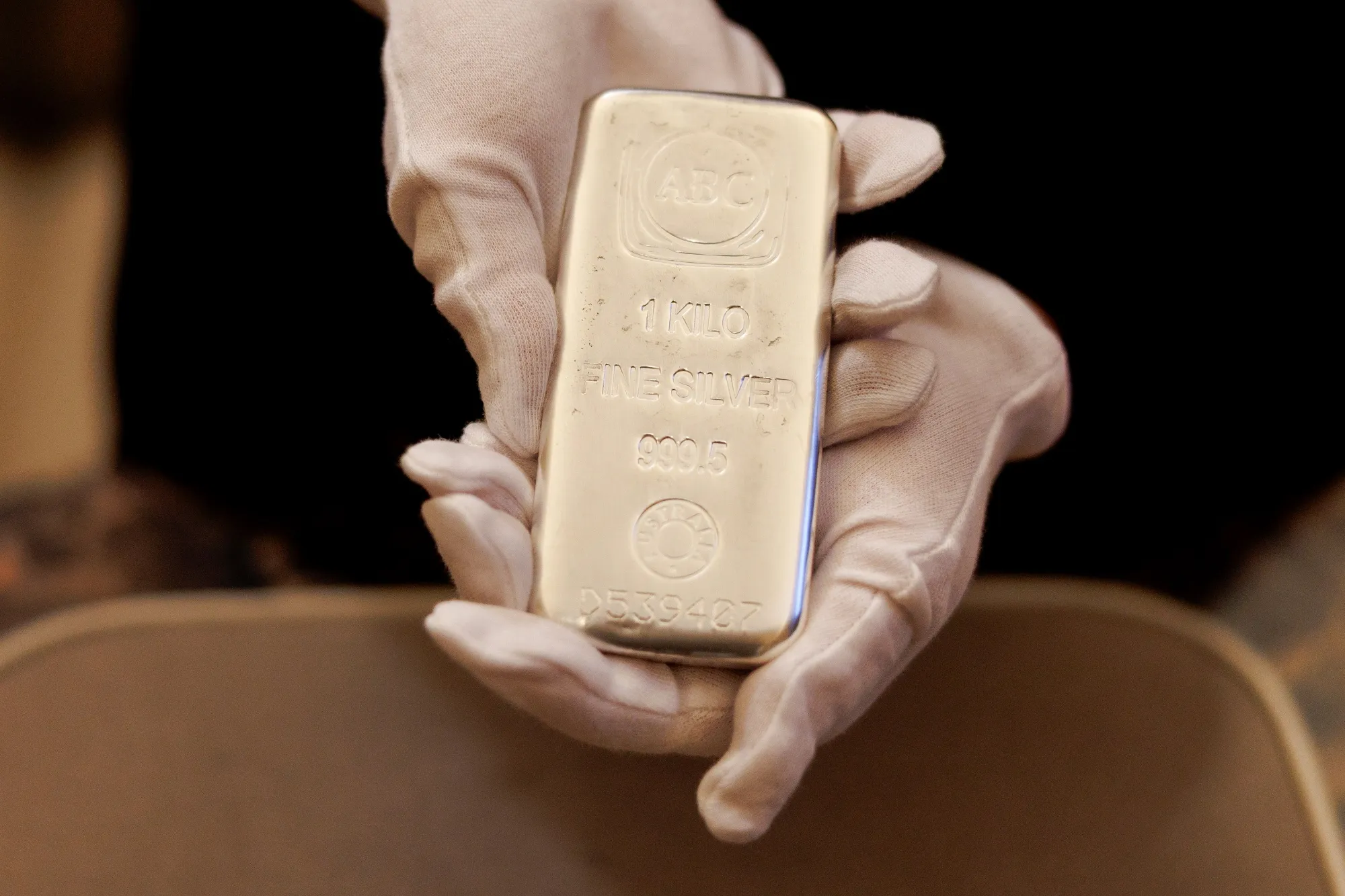
The silver market experienced a seismic transformation in 2025, characterized by extraordinary volatility that exposed the intricate dynamics of global commodity trading. Unprecedented price fluctuations saw silver surge to a record high of $84 per ounce before dramatic corrections, reflecting a complex interplay of speculative investment, regulatory interventions, and industrial demand.
The year's most striking feature was the 153% year-to-date gains driven by multiple converging factors. Chinese investor interest played a pivotal role, with the Shanghai Gold Exchange witnessing record-high premiums and silver funds becoming so overwhelmed that they stopped accepting new customers. This speculative frenzy was matched by substantial institutional movements, including a 150 million ounce increase in physical-backed silver ETF holdings.
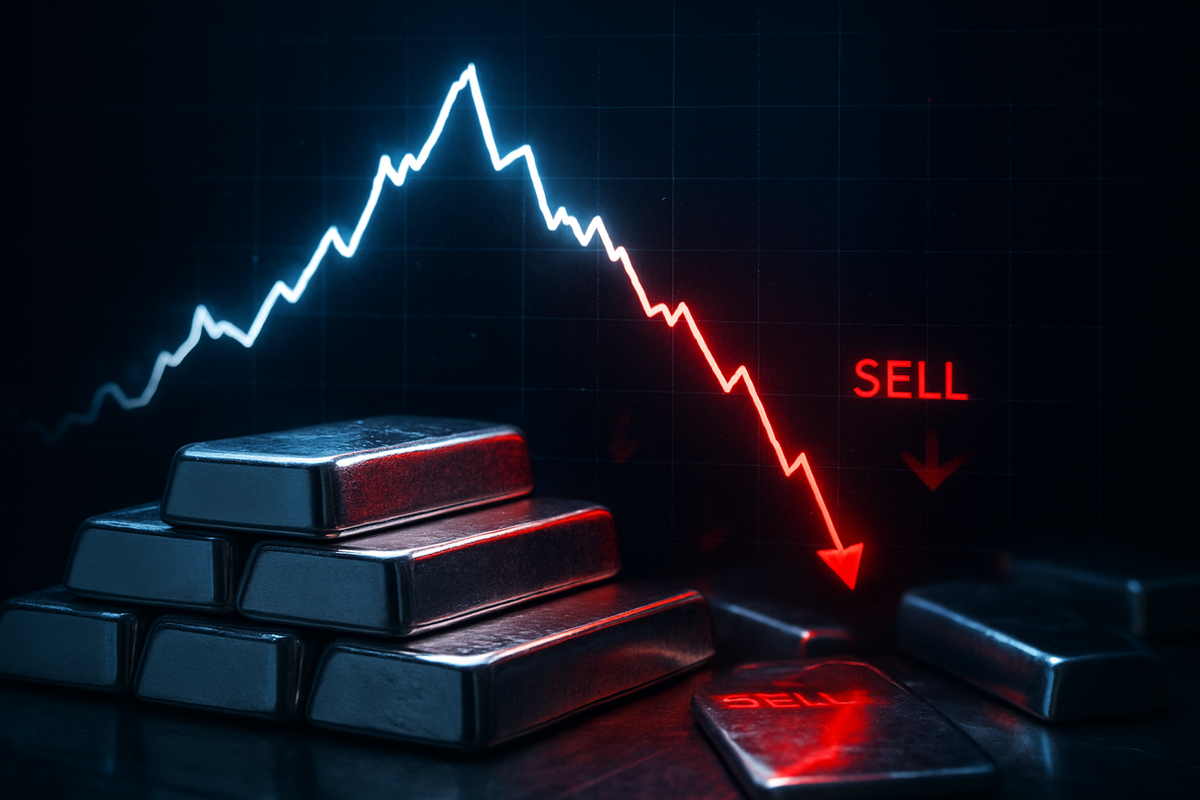
Regulatory mechanisms emerged as a critical market stabilization tool. CME Group's strategic margin requirement adjustments became a powerful lever in managing market volatility. By requiring traders to put down more cash for metals contracts, the exchange effectively dampened the wild rally, causing silver futures to plummet 8.7% in a single session. This intervention highlights the delicate balance between market freedom and systemic risk management.
Industrial dynamics added another layer of complexity. Tesla CEO Elon Musk's highlighting of potential silver supply constraints, coupled with China's upcoming export restrictions, signaled potential long-term structural changes. Silver's critical role in electronics, solar panels, and electric vehicles means these market shifts have profound implications beyond pure investment speculation.
For cross-border e-commerce and technology sellers, these developments represent both a challenge and an opportunity. Supply chain disruptions and potential input cost increases demand agile strategic responses. Manufacturers must now closely monitor silver prices, potentially redesigning sourcing strategies and pricing models to mitigate risks.
Looking forward, the precious metals market is poised for a significant transition. Analysts predict a shift from defensive to more cyclical performances in 2026, suggesting that silver's safe-haven appeal might diminish as global economic reacceleration takes hold. Investors and industrial players must remain vigilant, recognizing that the silver market's volatility is now a feature, not an anomaly.
Questions 3
How might these silver market dynamics impact cross-border e-commerce and technology manufacturers?
Manufacturers face potential supply chain disruptions and increased input costs, particularly in electronics and renewable energy sectors. Companies must develop agile sourcing strategies, potentially exploring alternative silver suppliers or redesigning products to mitigate price volatility risks.
What regulatory mechanisms are emerging to manage commodity market risks?
CME Group demonstrated a powerful approach by dynamically adjusting margin requirements, effectively cooling down speculative markets. These interventions require traders to put down more cash for contracts, creating a self-regulating mechanism that prevents excessive market speculation.