


Federal Reserve Power Struggle Threatens Economic Stability
- Geopolitical Tensions Escalate with Potential Leadership Disruption in Monetary Policy



)










Overview
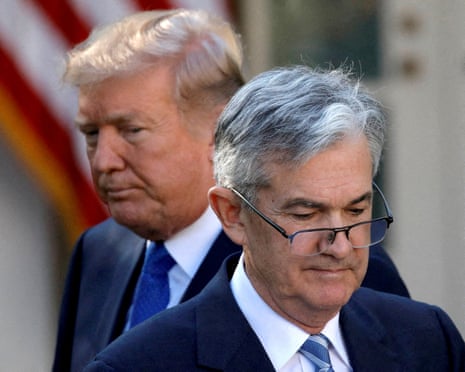
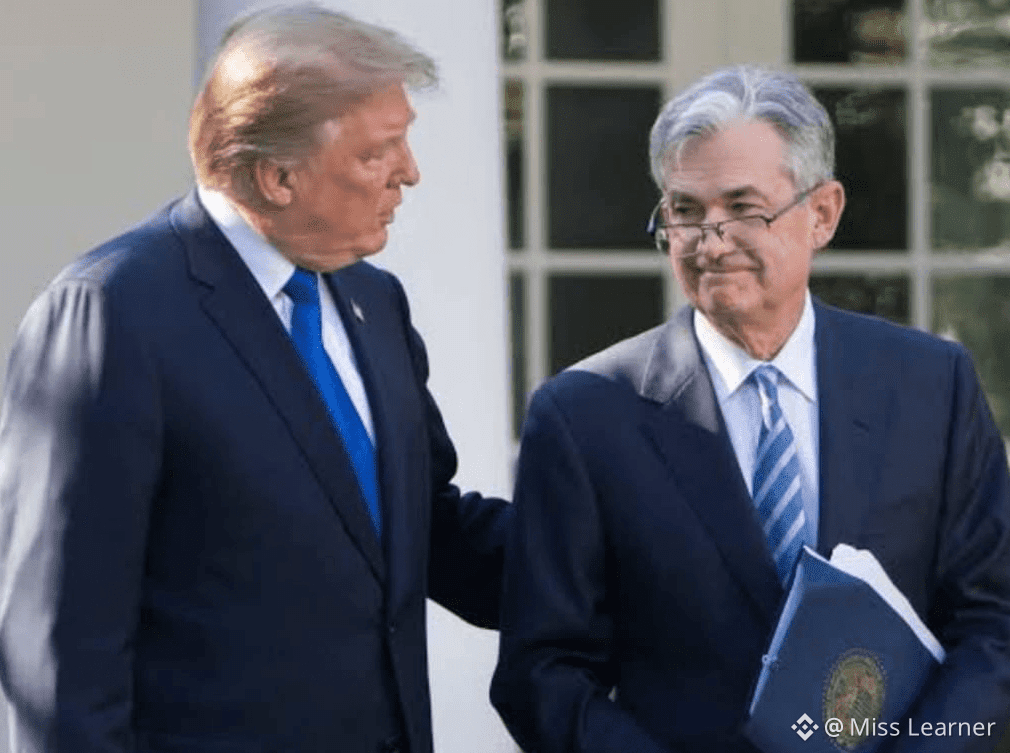
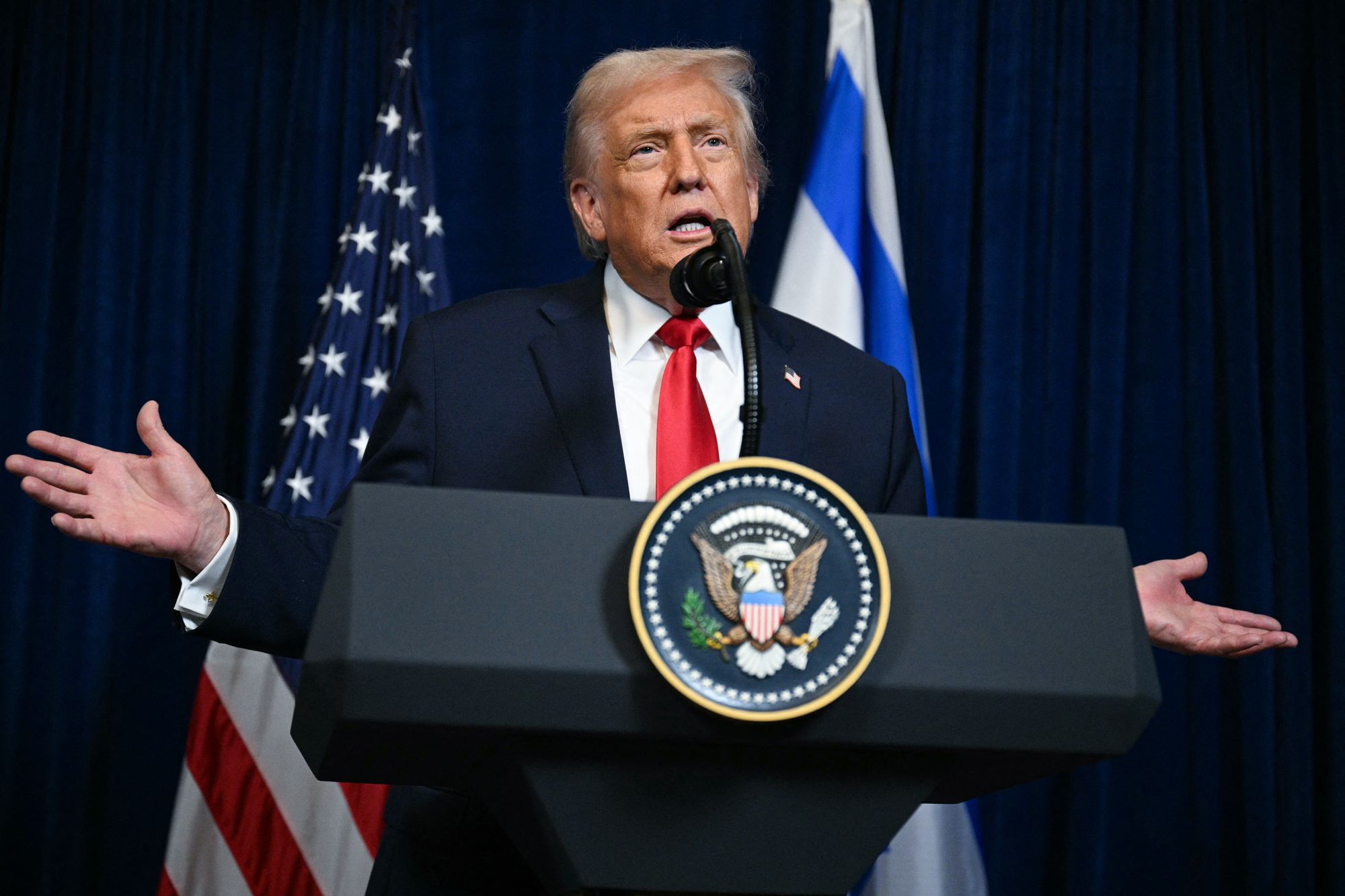
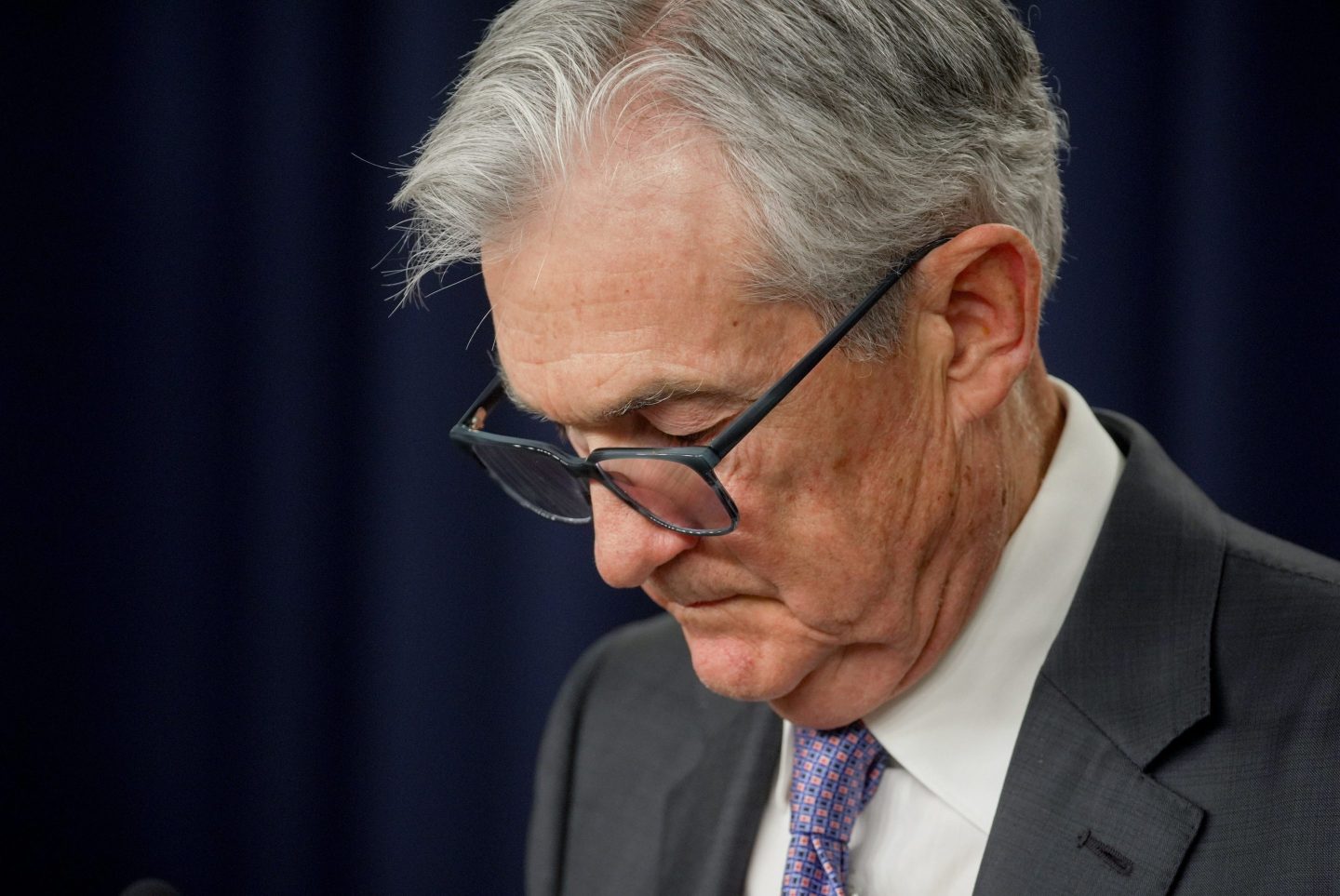
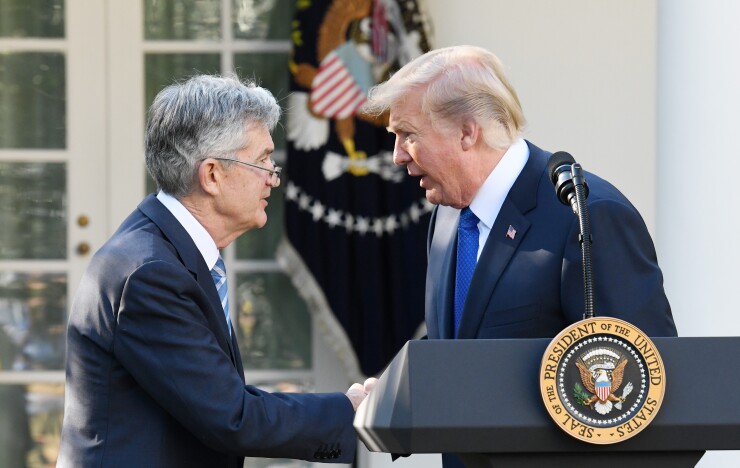
The emerging conflict between former President Donald Trump and Federal Reserve Chair Jerome Powell represents a critical inflection point in U.S. monetary governance that could dramatically reshape economic policy landscapes. Trump's unprecedented threat to sue Powell for "gross incompetence" signals a profound challenge to the traditional independence of central banking institutions, with potentially far-reaching consequences for cross-border financial markets.
Monetary Policy Confrontation emerges as the core strategic dynamic. Trump's lawsuit threat, made on December 29, 2025, is more than political theater—it represents a direct assault on institutional boundaries between executive power and financial regulation. By suggesting he might replace Powell and hinting at legal action, Trump is weaponizing political pressure against monetary policy mechanisms. For international financial actors, this creates a high-uncertainty environment where predictable policy frameworks suddenly appear fragile.
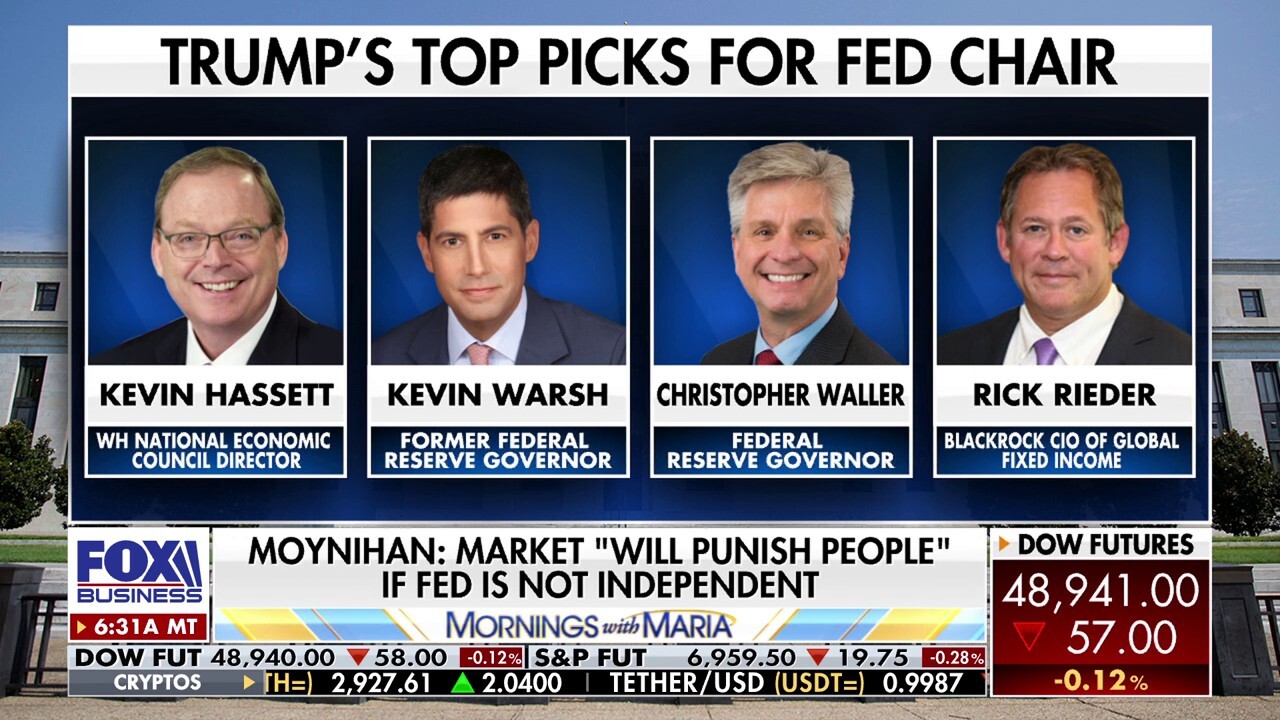
The implications extend beyond personal conflict. Currency markets and international investment environments face significant potential volatility. Trump's suggested preferred Federal Reserve chair candidate implies a potential fundamental shift in monetary strategy. Cross-border e-commerce sellers must recognize this as a signal to develop more adaptive financial strategies. The risk isn't just policy uncertainty, but potential systemic recalibration of how monetary decisions are made and implemented.
Critically, this development exposes deeper structural tensions in U.S. economic governance. The relationship between presidential administrations and the Federal Reserve has always been complex, but Trump's confrontational approach represents a departure from diplomatic norms. By publicly challenging Powell's competence and suggesting legal action, he's essentially attempting to transform an independent institution into a more politically responsive mechanism.
For global financial strategists, the key takeaway is clear: prepare for increased volatility. Adaptive financial planning becomes paramount. Sellers and investors must develop more flexible hedging strategies, potentially diversifying currency exposure and creating more resilient cross-border financial architectures that can withstand potential institutional disruptions.
Questions 3
How might Trump's potential lawsuit against Powell impact cross-border e-commerce?
The lawsuit threat creates significant economic uncertainty that could affect currency exchange rates, potentially increasing transaction costs and risk premiums for international sellers. E-commerce businesses should prepare for potential volatility by implementing more dynamic pricing and hedging strategies.
What financial risks do cross-border sellers face from this Federal Reserve leadership conflict?
Sellers face increased currency exchange volatility, potential sudden shifts in monetary policy, and higher financial planning complexity. The key risks include unpredictable interest rate changes, potential currency valuation shifts, and reduced clarity in long-term economic forecasting.