




Violent Crime Epidemic Exposes South Africa's Deepening Social Fractures
- Systemic Public Safety Challenges Reveal Critical Governance Breakdown in Urban Communities





)






















Overview
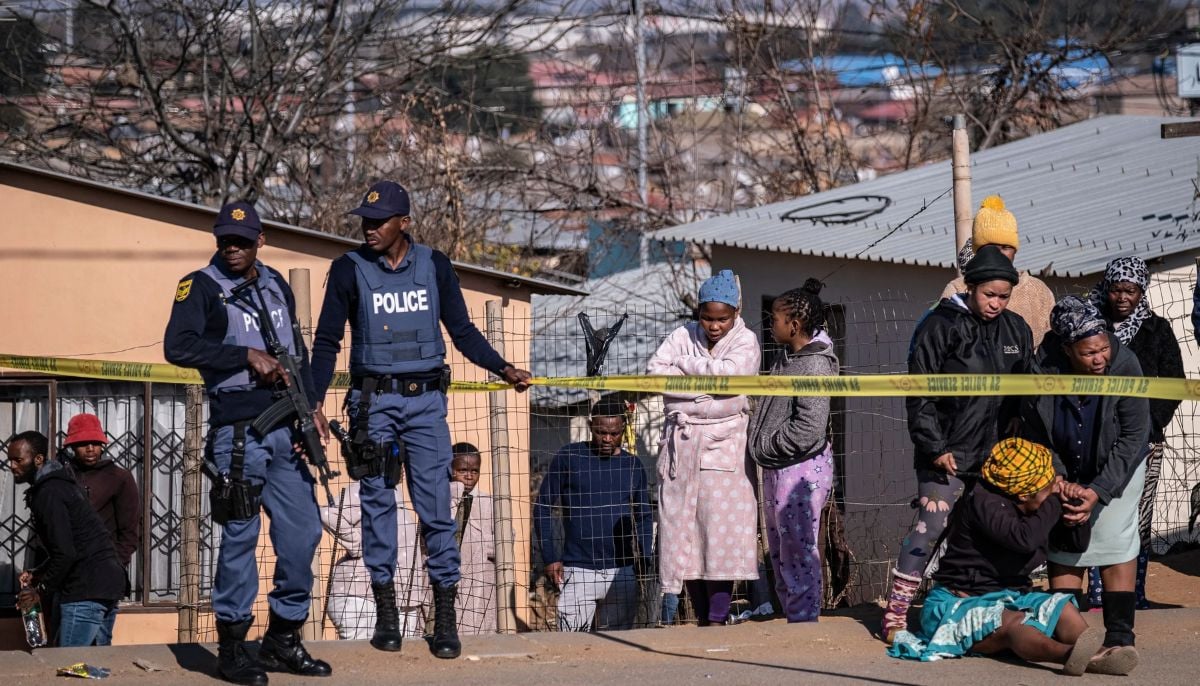
South Africa's escalating violent crime landscape represents a critical inflection point in national security and social stability. The recent mass shooting in Saulsville township—where 11 people were killed, including vulnerable children—is not an isolated incident but a stark symptom of a profound systemic crisis. Structural violence has become so normalized that between April and September, approximately 63 people were murdered daily, transforming crime from an aberration to a persistent societal condition.
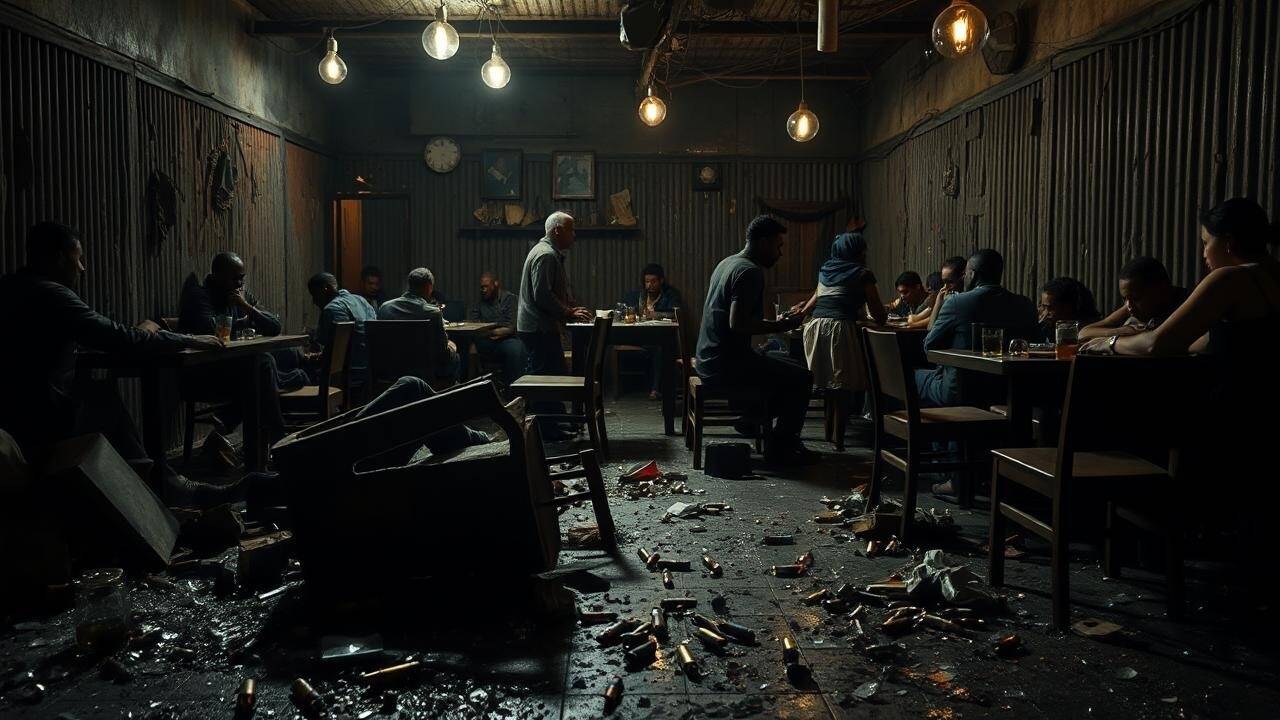
Institutional response patterns indicate both the severity and complexity of the challenge. Authorities have taken aggressive countermeasures, shutting down 12,000 illegal liquor outlets and arresting over 18,000 individuals. However, these tactical interventions barely scratch the surface of the underlying socioeconomic tensions driving widespread violence. The shooting's location—an illegal hostel (shebeen) frequented by marginalized populations—underscores how informal economic spaces have become breeding grounds for conflict.
The strategic implications are profound. This is not merely a law enforcement problem but a multidimensional governance failure. Unregulated urban spaces, weak social infrastructure, and economic marginalization converge to create environments where violence becomes a perverse form of social negotiation. The fact that victims included a three-year-old child, a 12-year-old boy, and a 16-year-old girl reveals the indiscriminate nature of this social breakdown. Each shooting represents not just a criminal act, but a systemic erosion of community resilience and institutional trust.
For policymakers and social strategists, the message is clear: superficial policing cannot resolve deeply rooted structural violence. Comprehensive interventions must simultaneously address economic opportunity, community rebuilding, and targeted social rehabilitation to interrupt the cycle of escalating criminality.
Questions 3
How can South Africa effectively address its violent crime epidemic?
Comprehensive strategies must move beyond policing to address root causes: creating economic opportunities, rebuilding community trust, implementing targeted social rehabilitation programs, and developing more responsive local governance structures in high-risk urban areas.
What makes this mass shooting symptomatic of broader South African social challenges?
The shooting reveals multiple systemic failures: high daily murder rates (63 people per day), targeting of vulnerable populations, and the inability of institutional mechanisms to prevent or quickly respond to violent incidents in marginalized communities.