




Grail's Failed Cancer Test Signals Health-Tech Credibility Crisis | Sellers Must Tighten Evidence Claims
- 47-50% stock collapse on Feb 19, 2026 reveals investor demand for clinical proof; health/wellness sellers face stricter platform policies on diagnostic marketing claims












Overview
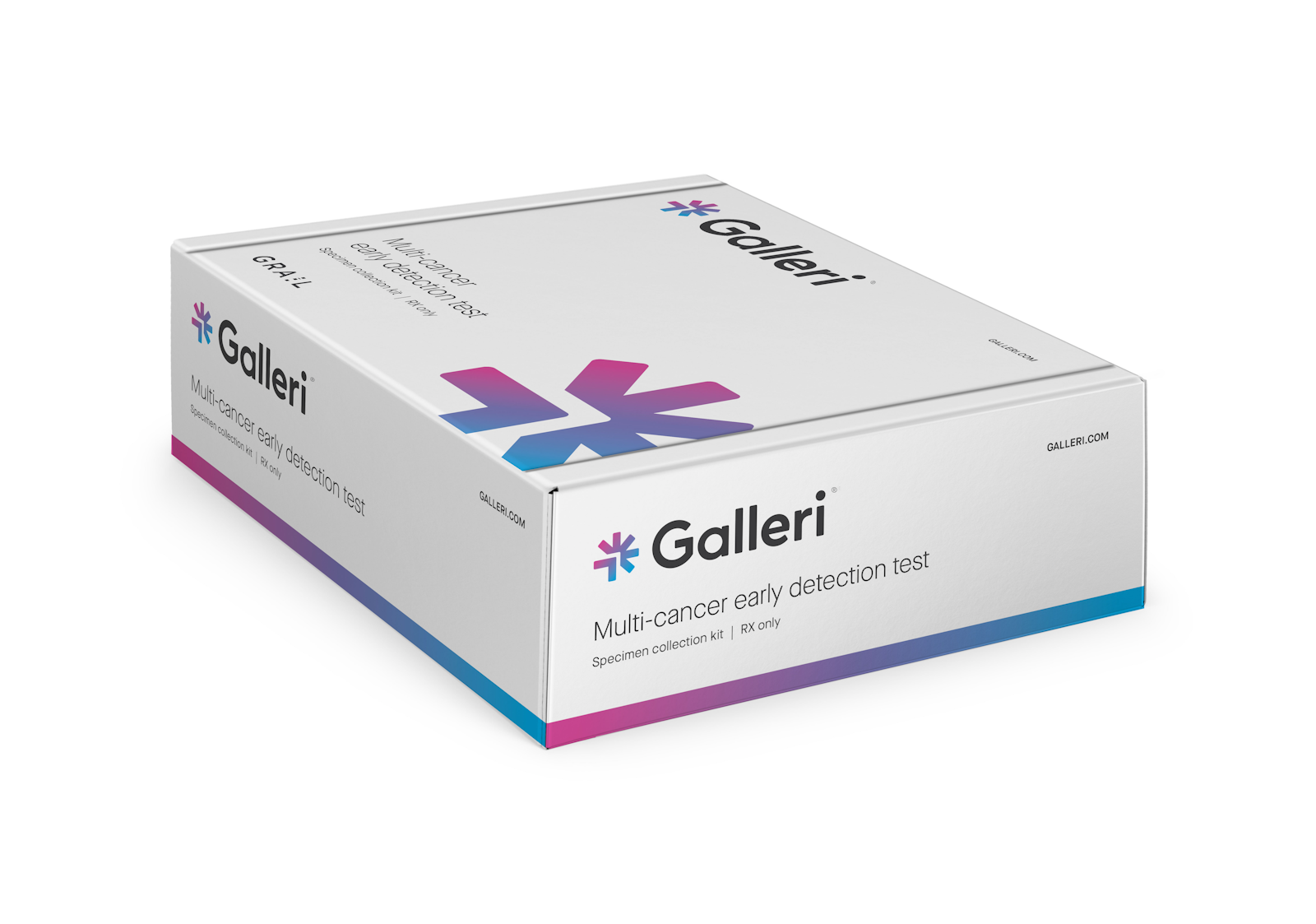
Clinical trial failure reshapes health-tech investment landscape and e-commerce platform policies. Grail's Galleri blood test, positioned as a breakthrough multi-cancer detection technology, failed to meet its primary endpoint in a landmark NHS study involving 142,000 participants announced February 19-20, 2026. The test did not demonstrate statistically significant reduction in Stage III-IV cancer diagnoses, despite generating $136.8 million in U.S. revenue from 185,000 tests sold in 2025 at $1,000 per test. Grail's stock plummeted 45-50% in after-hours trading, with some reports citing 30% declines, reflecting investor focus on clinical outcomes over financial performance—the company reported better-than-expected Q4 losses ($2.44 vs. $4.01 per share consensus) and 14-17% revenue growth, yet markets punished the regulatory setback.
This outcome carries critical implications for e-commerce sellers in health and wellness categories. The trial failure demonstrates how clinical evidence directly influences investor confidence, regulatory pathways, and platform policies. Amazon, eBay, and Shopify increasingly scrutinize health product marketing claims following high-profile failures like this. Sellers marketing diagnostic tests, wellness supplements, or health-tech devices must now provide robust clinical evidence or face delisting, account suspension, or policy violations. The gap between Grail's aggressive Super Bowl marketing (partnership with Hims & Hers) and trial results illustrates the credibility crisis: promising preliminary data no longer satisfies investors or regulators. Grail plans to extend trial follow-up 6-12 months and present detailed analysis at the American Society of Clinical Oncology conference in spring 2026, signaling that FDA approval remains uncertain despite commercial operations under regulatory exemptions.
Broader liquid biopsy sector faces investor skepticism and regulatory tightening. The trial failure raises fundamental questions about whether detecting cancer DNA presence alone translates to improved patient outcomes—a distinction critical for Medicare coverage decisions and insurance reimbursement. Congress recently authorized Medicare coverage for cancer detection tests via Trump-signed spending package, but this setback will likely trigger stricter evidence standards before reimbursement approval. For sellers, this means: (1) health-tech partnerships with struggling companies face supply chain risk; (2) platform policies on diagnostic marketing will tighten; (3) consumer trust in unproven screening tests erodes, reducing demand for related products; (4) regulatory scrutiny of health claims intensifies across all e-commerce channels. The disconnect between Grail's financial performance (17% YoY sales growth to $147.2 million) and stock collapse (47% decline) reveals that clinical validation now outweighs revenue metrics in biotech valuation—a shift that will cascade into platform enforcement of evidence-based health marketing standards.
Questions 8
What supply chain risks emerge from Grail's regulatory setback?
Grail's failure to achieve FDA approval (operating under regulatory exemptions since 2021) creates supply chain uncertainty for sellers partnering with health-tech companies. The company plans 6-12 month trial extension and spring 2026 ASCO conference presentation, delaying approval decisions. Sellers should: (1) diversify supplier relationships away from pre-approval biotech companies; (2) avoid exclusive partnerships with companies lacking FDA clearance; (3) monitor regulatory announcements monthly through FDA.gov; (4) build 90-day inventory buffers for products dependent on uncertain approvals. Companies with pending FDA decisions face 40-60% valuation risk, affecting supply agreements and payment terms.
How does this trial failure impact consumer demand for wellness screening products?
Grail sold 185,000 tests in 2025 at $1,000 each despite lacking FDA approval, but trial failure will reduce consumer trust in unproven screening tests. The gap between marketing claims (detect 50+ cancer types) and clinical reality (no Stage III-IV reduction) erodes confidence in similar products. Sellers in wellness categories should expect 15-25% demand decline for diagnostic/screening products through Q2 2026. Consumer skepticism will shift purchasing toward established, FDA-approved alternatives. Sellers should pivot marketing from disease-detection claims to general wellness and prevention messaging. Demand recovery depends on positive ASCO conference results (spring 2026) or FDA approval announcement.