


Strategic Complexity Emerges in Regional Geopolitical Dynamics
- Revealing the Intricate Landscape of Militia Engagement and Strategic Positioning


Overview
Geopolitical maneuvering presents a complex strategic landscape where traditional power dynamics are being fundamentally reimagined. The recent developments surrounding militia engagement highlight a critical inflection point in regional strategic calculations, where conventional approaches to conflict management are being challenged.
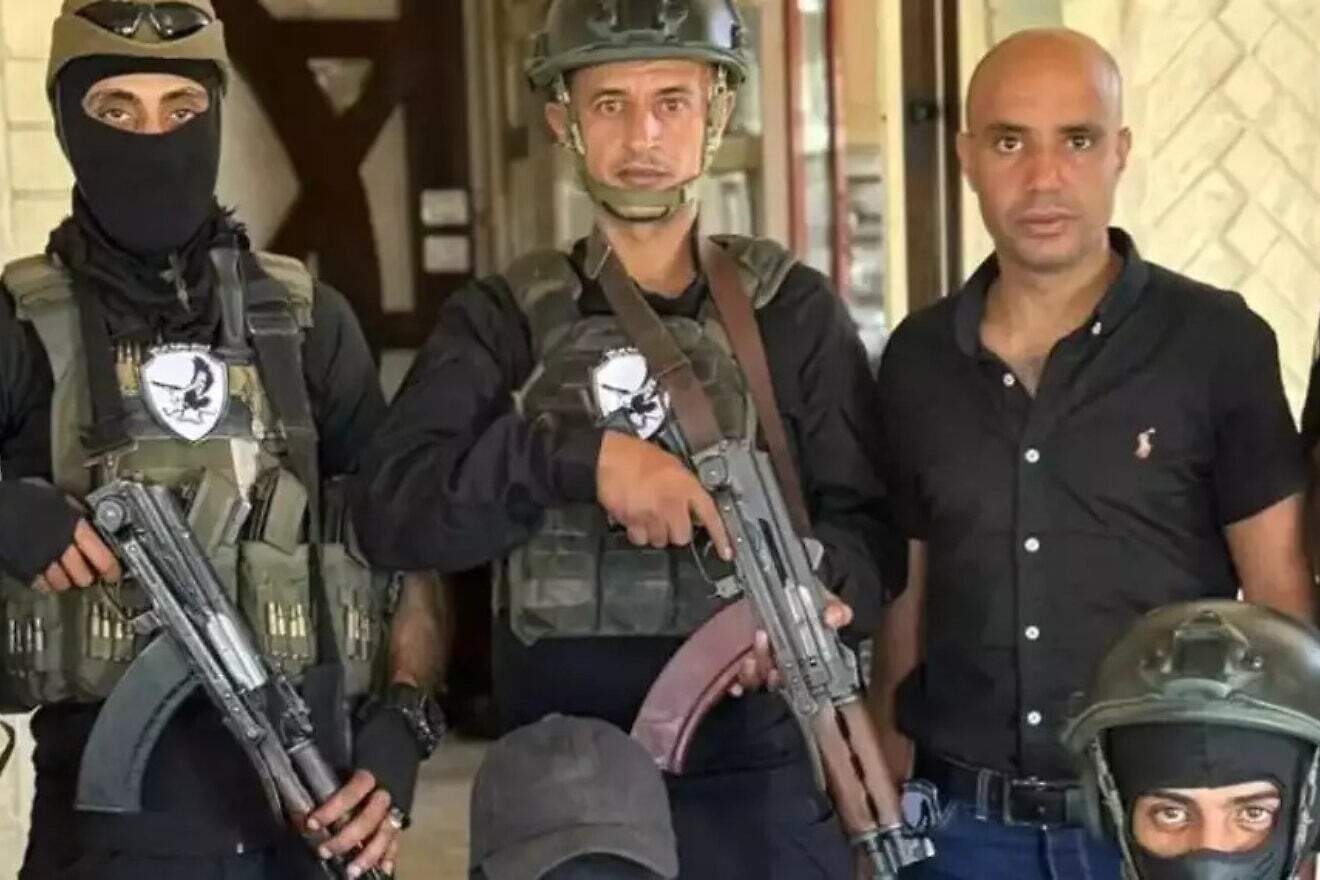
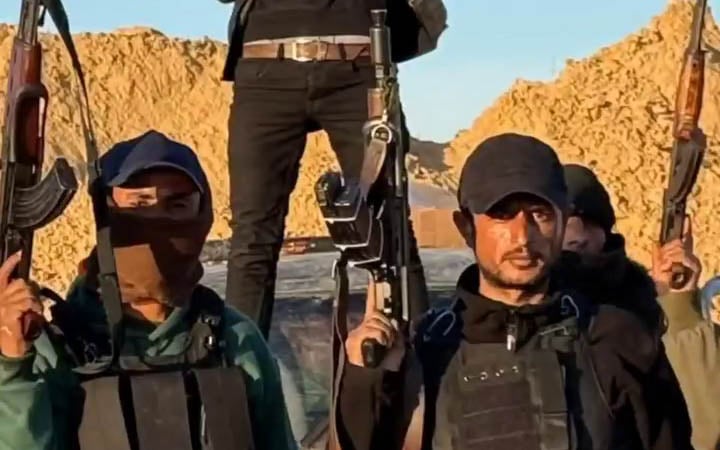
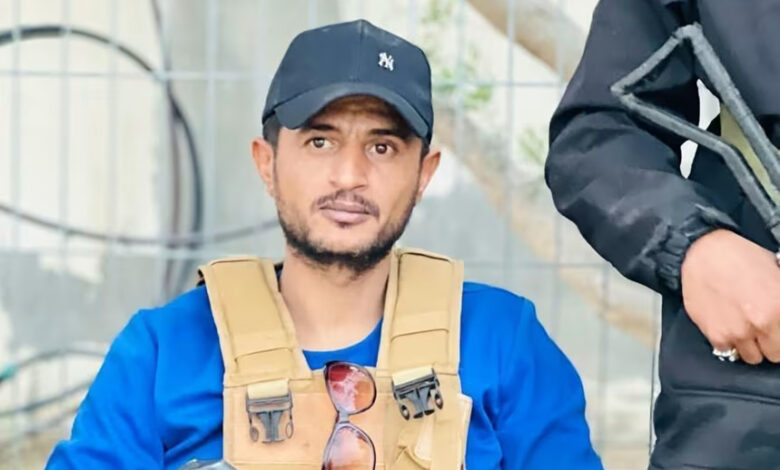
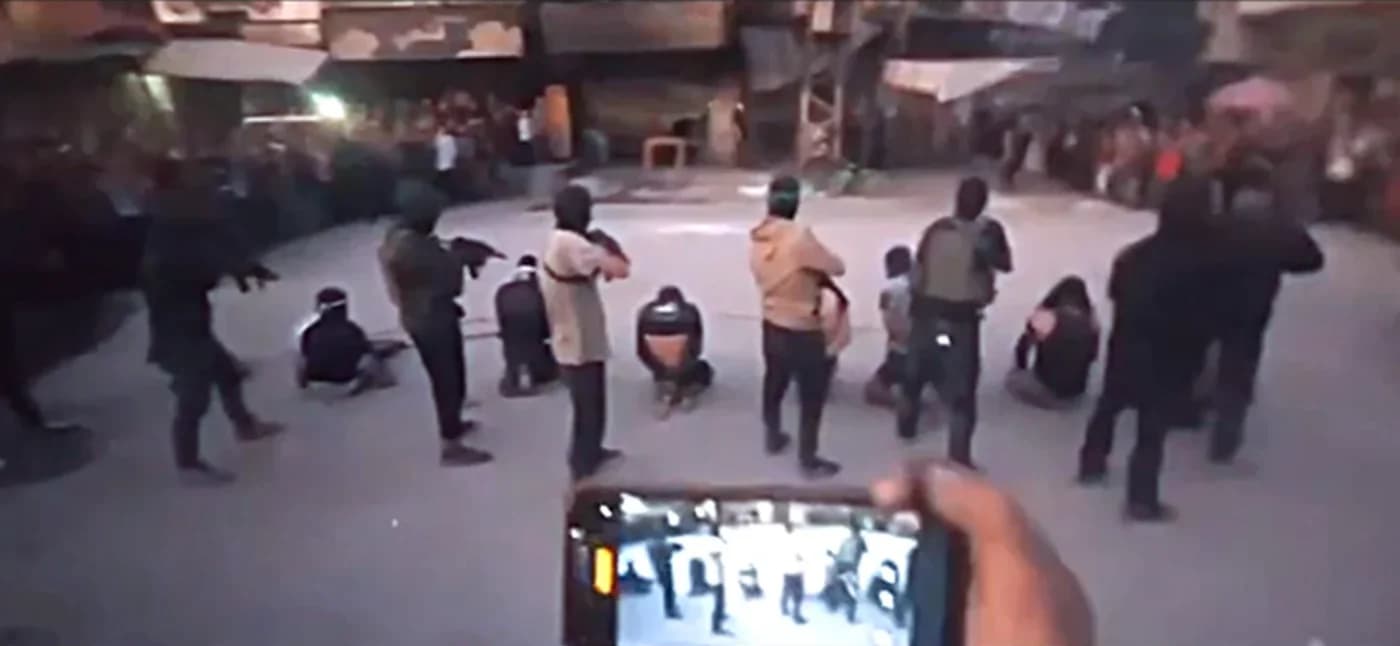
Tactical recalibration emerges as a key theme, with local actors demonstrating unprecedented strategic flexibility. The proposed plan to back Gaza militias represents more than a simple tactical intervention—it signals a profound reassessment of power distribution and conflict management strategies. This approach reveals a nuanced understanding that traditional state-centric models are increasingly insufficient in addressing complex regional dynamics.
The strategic gambit involves carefully navigating intricate local relationships, where militia dynamics are not merely about armed confrontation but represent sophisticated networks of political and social influence. By considering militia groups as potential strategic partners rather than purely adversarial entities, decision-makers are exploring more flexible approaches to regional stability.
Risk management becomes paramount in this context. The proposed strategy acknowledges that direct state intervention can often be counterproductive, whereas strategic engagement with local actors might offer more sustainable pathways to managing complex geopolitical tensions. This represents a significant departure from previous rigid, confrontational approaches.
Ultimately, the emerging strategy suggests a more nuanced understanding of regional complexity—recognizing that power is not monolithic but distributed across multiple actors and networks. The willingness to explore unconventional partnerships indicates a sophisticated approach to geopolitical challenge resolution.
Questions 3
What are the potential risks of backing local militias?
The primary risks include potential loss of direct control, unintended escalation of tensions, and the challenge of managing diverse and potentially competing militia interests. Careful strategic calibration and continuous assessment are crucial to mitigate these risks.
What makes the proposed militia engagement strategy unique?
The strategy represents a departure from traditional state-centric approaches by viewing militia groups as potential strategic partners. Instead of purely confrontational tactics, it explores more nuanced engagement methods that recognize the complex social and political networks underlying regional conflicts.