



UK's Regulatory Crackdown Transforms Cross-Border Animal Import Compliance
- New legislation creates high-barrier entry for pet importers and reshapes international animal trade









Overview
The United Kingdom has engineered a comprehensive regulatory transformation in cross-border animal transportation that will fundamentally restructure the pet import ecosystem. By implementing the Animal Welfare (Import of Dogs, Cats and Ferrets) Bill, the government has created a multi-layered compliance framework that effectively eliminates opportunistic and unethical animal trading practices.
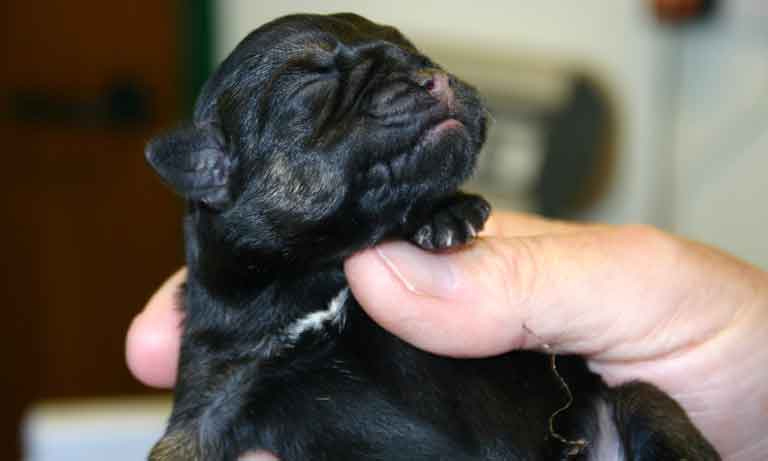
The legislation introduces strategic compliance barriers that go far beyond traditional import restrictions. In 2023, 116 puppies and kittens were seized at the Port of Dover, highlighting the systemic challenges in animal transportation. The new regulations address these issues through precise, multilayered interventions: limiting vehicle transportation to five animals, establishing a six-month minimum age requirement, and categorically banning imports of mutilated or pregnant animals.
Compliance complexity now serves as a powerful market filter. The six-month import restriction will disproportionately impact smaller breeders and specialized breed organizations, with the Entelbucher Mountain Dog Club already warning about potential genetic diversity challenges. This suggests the legislation isn't just about animal welfare, but represents a sophisticated regulatory strategy to professionalize and formalize the international pet trade.
The enforcement mechanism is equally sophisticated. The Animal and Plant Health Agency will implement strict documentation requirements, targeting smugglers' traditional tactics of false microchips and exploitative legal loopholes. Veterinary data revealing that 1 in 5 small animal veterinarians encountered potentially illegally imported puppies underscores the systemic nature of the problem.
For international pet traders, this represents a paradigm shift. The regulations will increase documentation costs, reduce transportation capacity, and impose stringent veterinary standards. Successful market participants will need robust compliance infrastructure, turning regulatory complexity into a competitive advantage.
Questions 3
What are the key compliance requirements for pet importers under the new UK law?
Importers must now limit vehicle transportation to five animals, ensure imported animals are at least six months old, provide comprehensive documentation, and cannot import animals with mutilations like cropped ears or docked tails. The law also prohibits importing heavily pregnant animals.
What enforcement mechanisms support these new animal import regulations?
The Animal and Plant Health Agency will implement strict documentation checks, targeting smugglers' tactics like false microchips and exploitative legal loopholes. With veterinary data showing 1 in 5 veterinarians encountering potentially illegal puppy imports, the enforcement will be comprehensive and data-driven.