

Beijing Tightens Media Control Through Unprecedented Journalist Warnings
- Escalating Press Restrictions Signal Intensified Political Pressure on International Media Outlets




-6933dc9d81383.jpg)







Overview
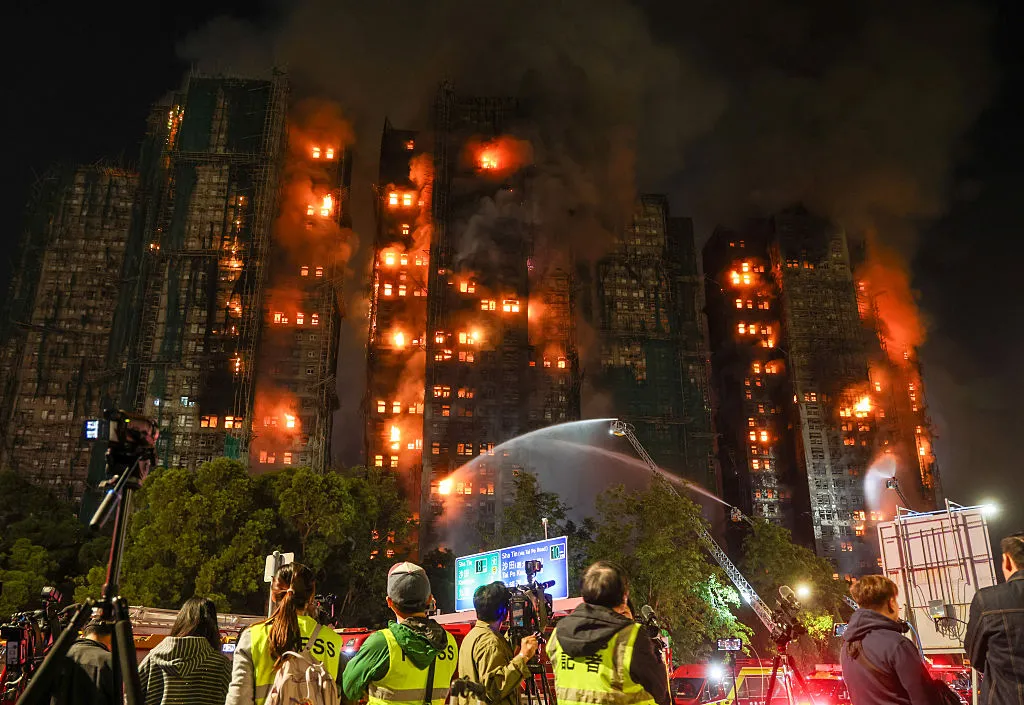
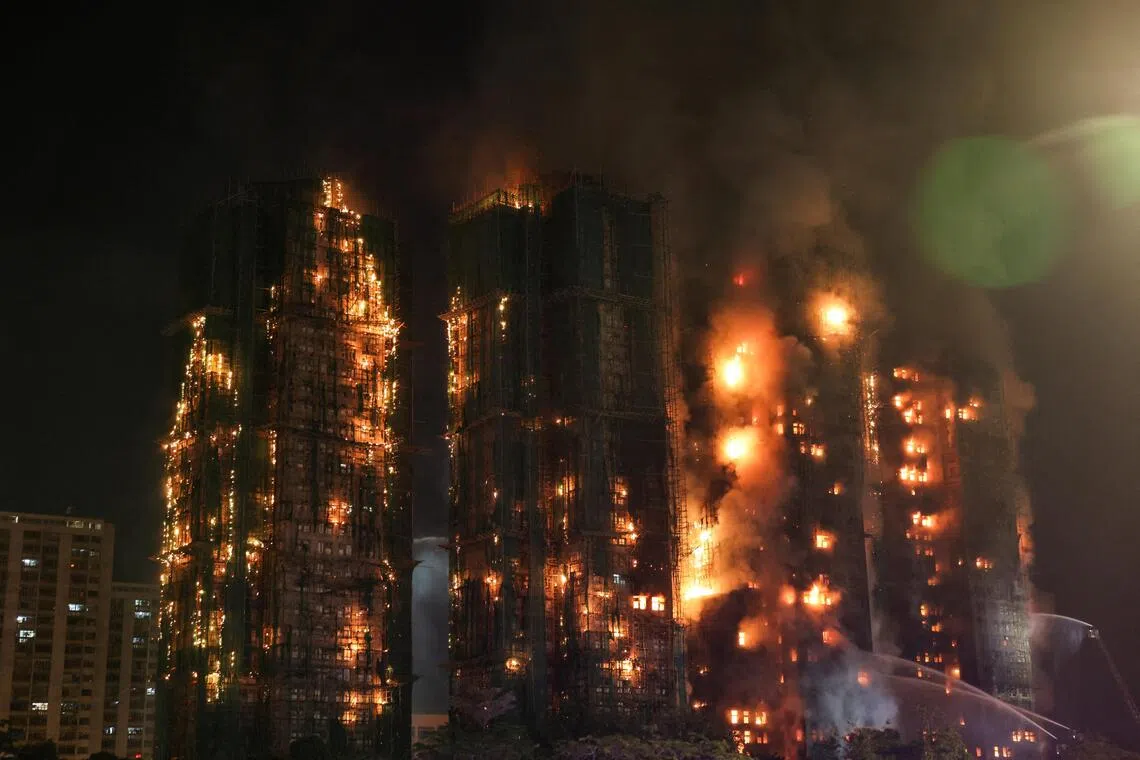
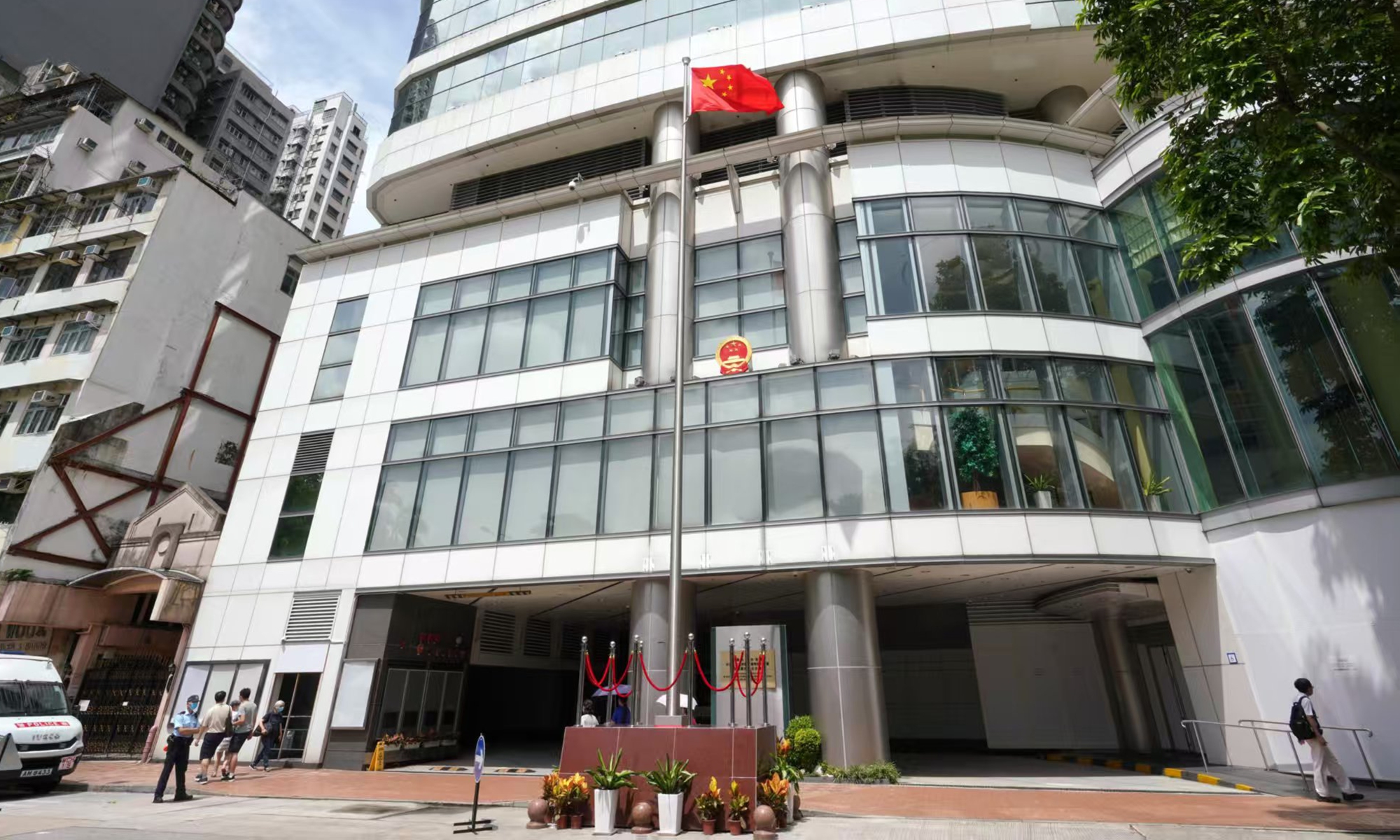
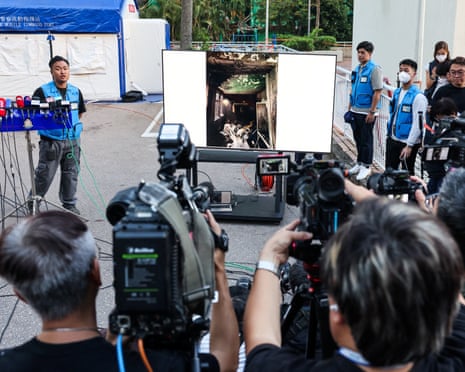
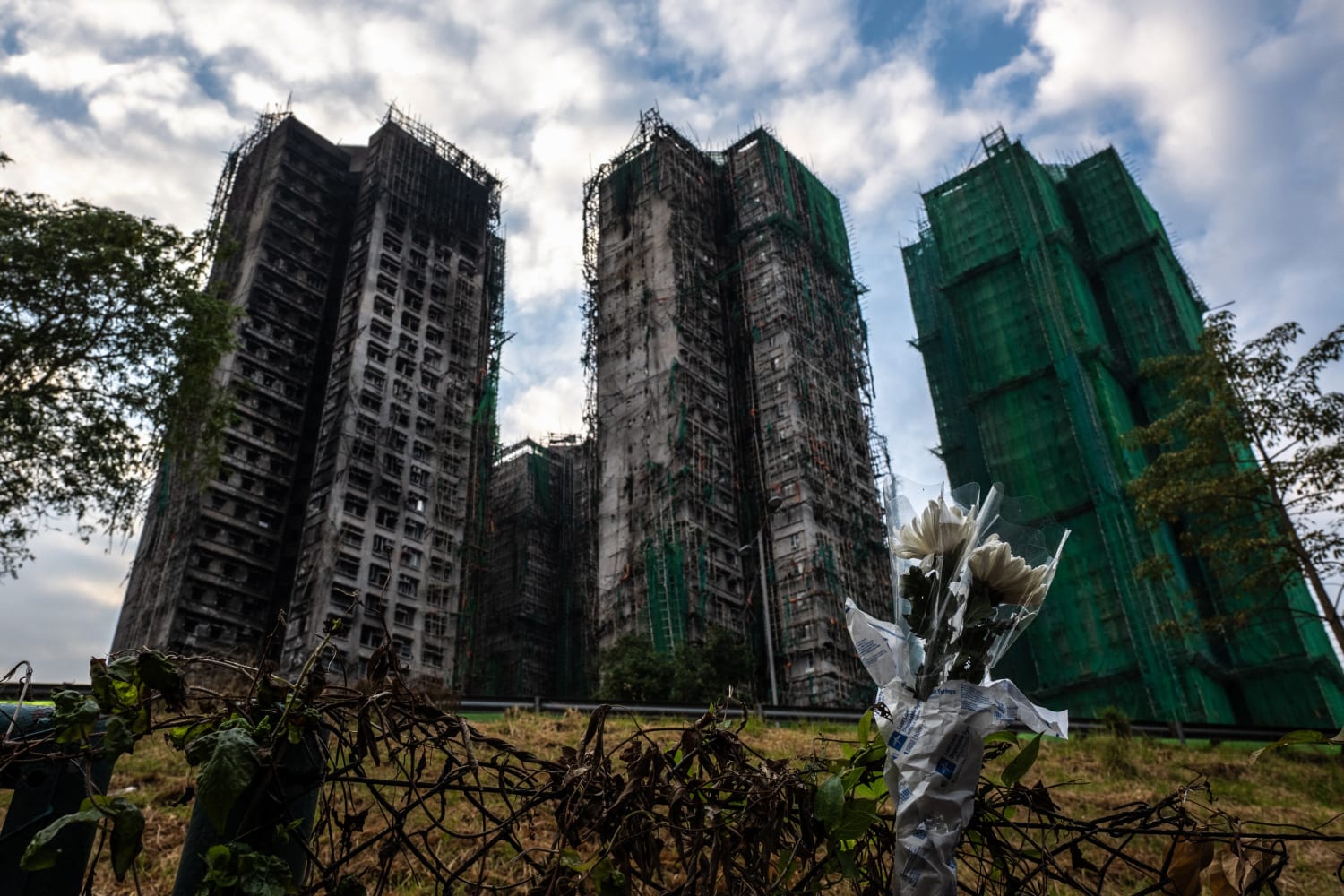
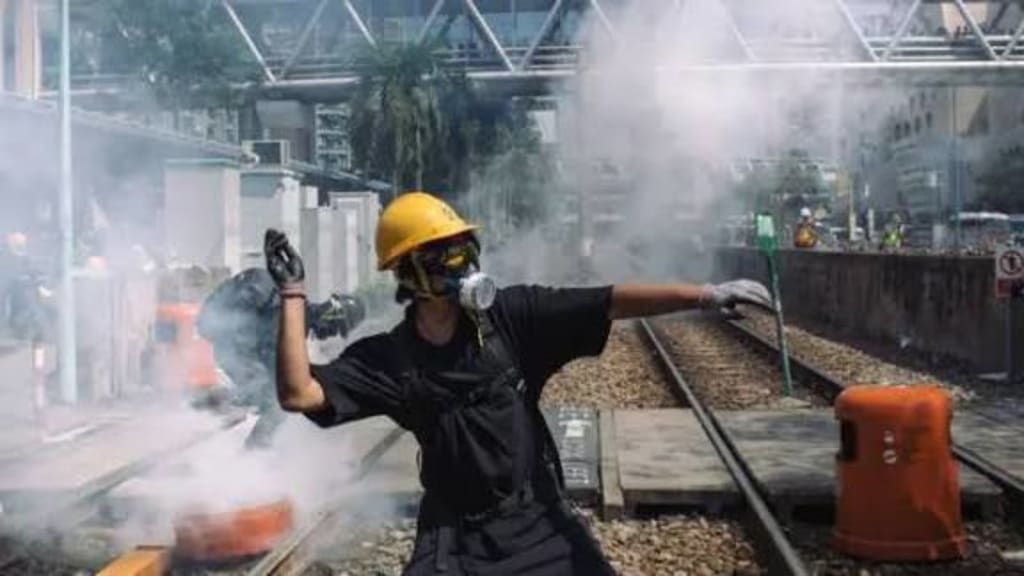
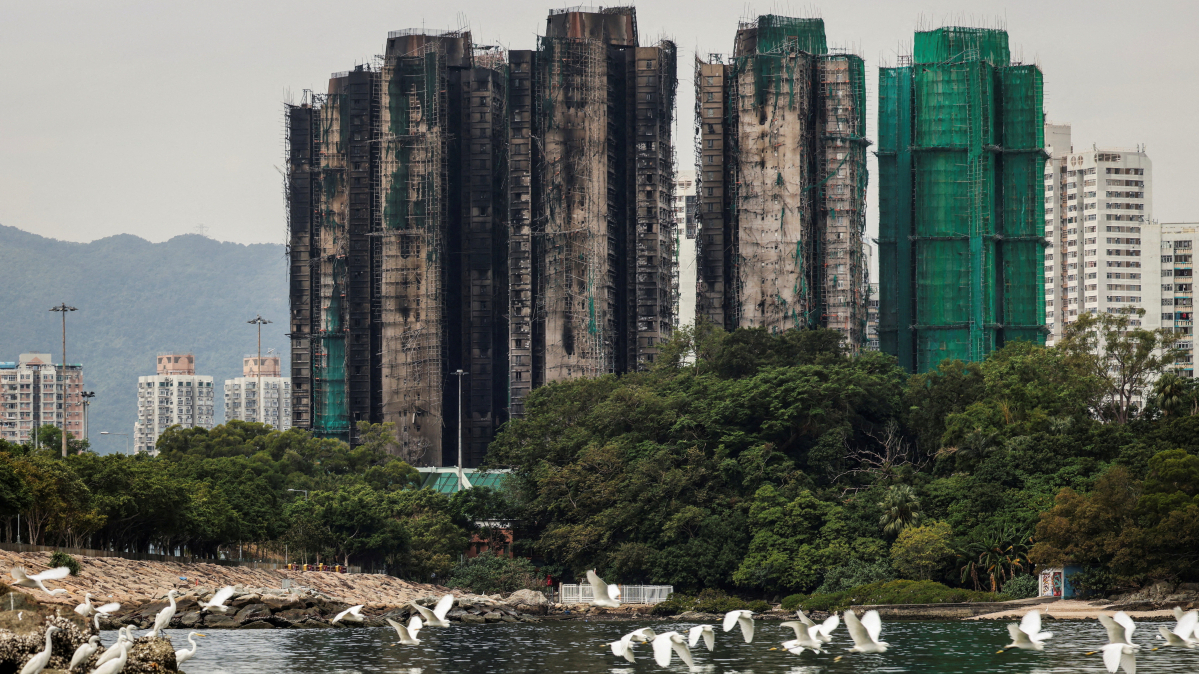
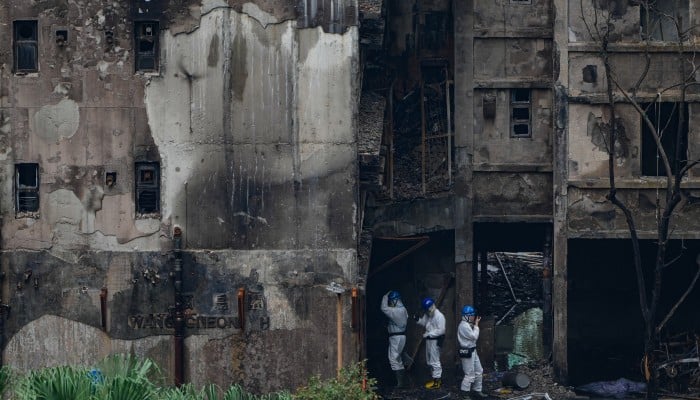
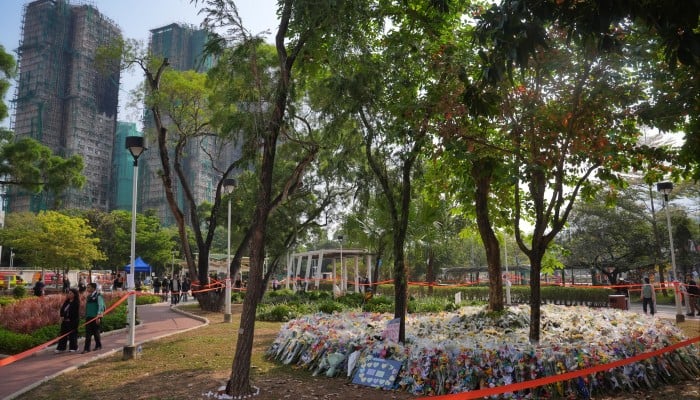
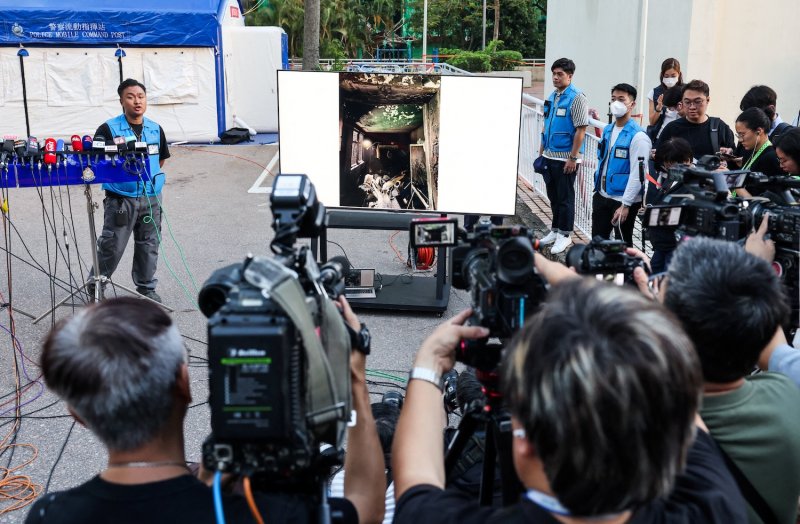
China's national security apparatus is executing a calculated strategy of media intimidation in Hong Kong, leveraging a recent residential fire as a pretext to dramatically escalate control over international journalism. The Office for Safeguarding National Security has initiated an unprecedented series of summons targeting prominent media organizations like The New York Times and Bloomberg, sending a clear message about permissible reporting boundaries.
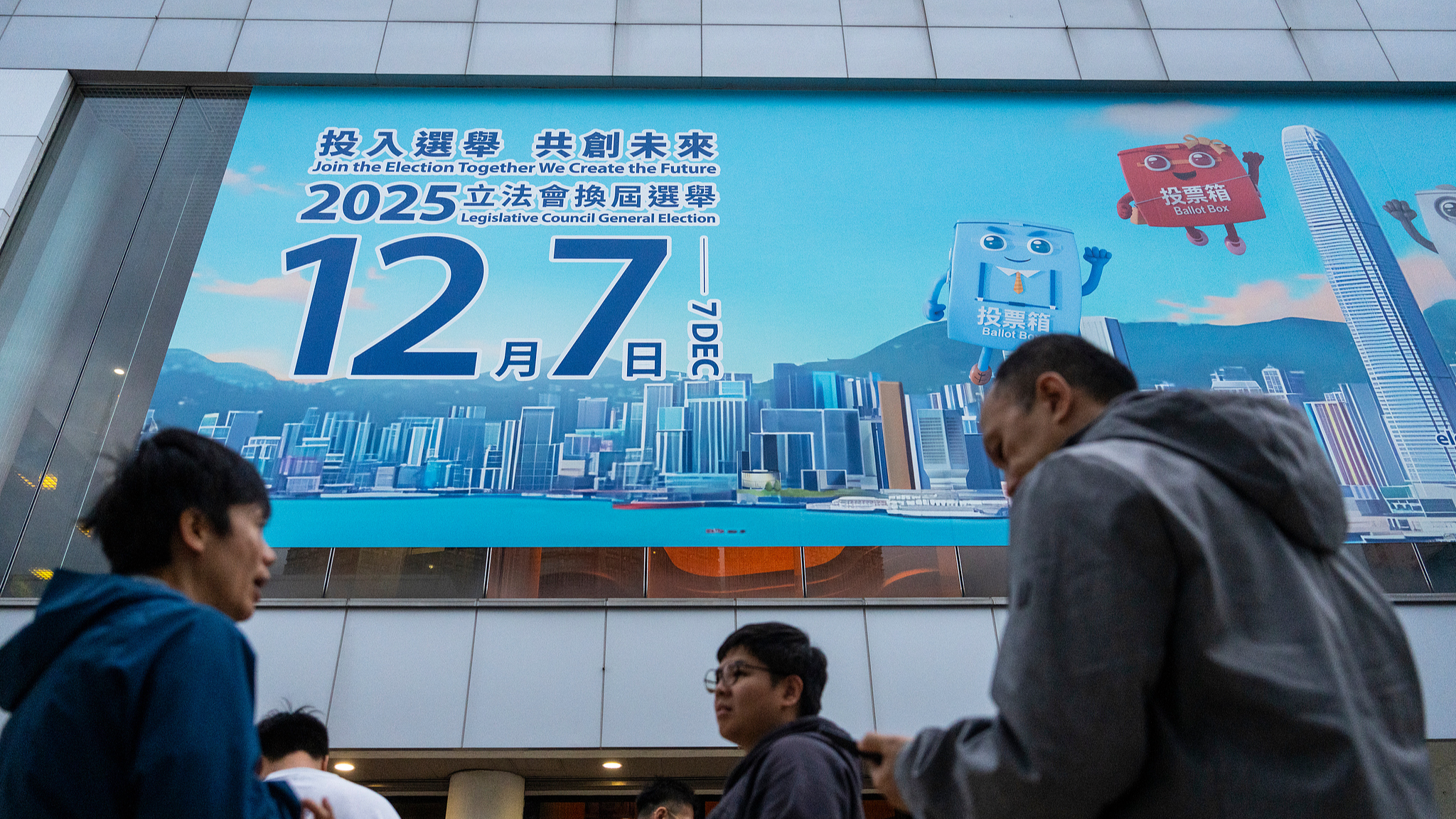
The warning mechanism represents a sophisticated political pressure tactic, strategically timed ahead of upcoming legislative elections. By summoning journalists and explicitly criticizing their coverage of the Wang Fuk Court residential fire, Beijing is demonstrating its willingness to directly intervene in media narratives. The national security law implemented in 2020 provides the legal framework for these interventions, allowing authorities to broadly interpret "inappropriate" reporting as a potential threat to social stability.
Geopolitical communication channels are being systematically narrowed, with foreign media facing increasingly complex reporting environments. The coordinated warnings across multiple international news outlets suggest a centralized, deliberate approach to media management. Journalists are now operating under an implicit threat: deviate from approved narratives, and face potential consequences that extend beyond traditional professional risks.
The broader implications are profound. These actions signal a fundamental restructuring of media engagement in Hong Kong, where international journalism is being transformed from an independent reporting mechanism to a carefully monitored communication channel. For global media organizations, this represents a critical inflection point—requiring sophisticated risk assessment, potential personnel strategy adjustments, and a recalibration of reporting methodologies in politically sensitive regions.
Questions 3
What are the long-term implications for international journalism in Hong Kong?
International media organizations will likely need to develop more nuanced reporting strategies, potentially involving increased self-censorship, careful source management, and heightened risk assessment for journalists operating in the region. The current trajectory suggests a progressively more controlled media environment.
How does the national security law impact media operations in Hong Kong?
The 2020 national security law provides a broad legal framework allowing authorities to interpret journalistic reporting as a potential threat. This enables direct intervention in media narratives, creating a chilling effect where journalists must carefully navigate politically sensitive topics to avoid potential consequences.