



Mexico-El Salvador Drug Seizures Escalate Supply Chain Risk | Cross-Border Sellers Face Logistics Delays
- Intensified maritime enforcement in Pacific routes threatens Mexico-US shipping corridors; sellers shipping 500+ units monthly to/from Mexico should expect 5-10 day delays and increased customs scrutiny through Q2 2026

















Overview
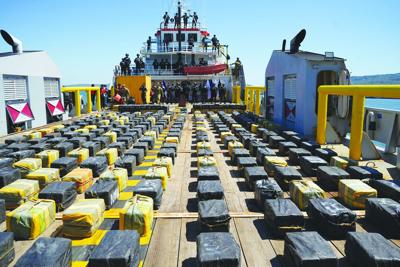
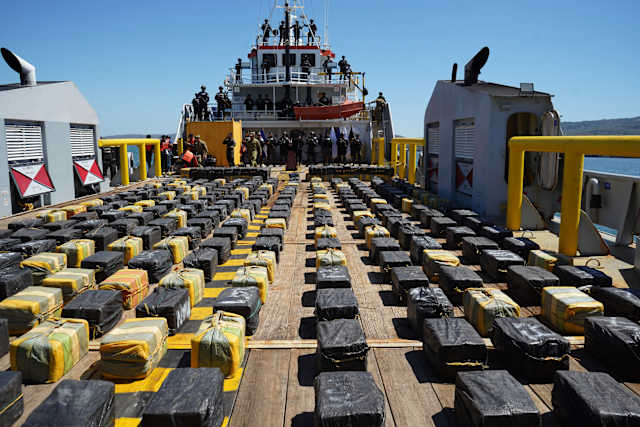
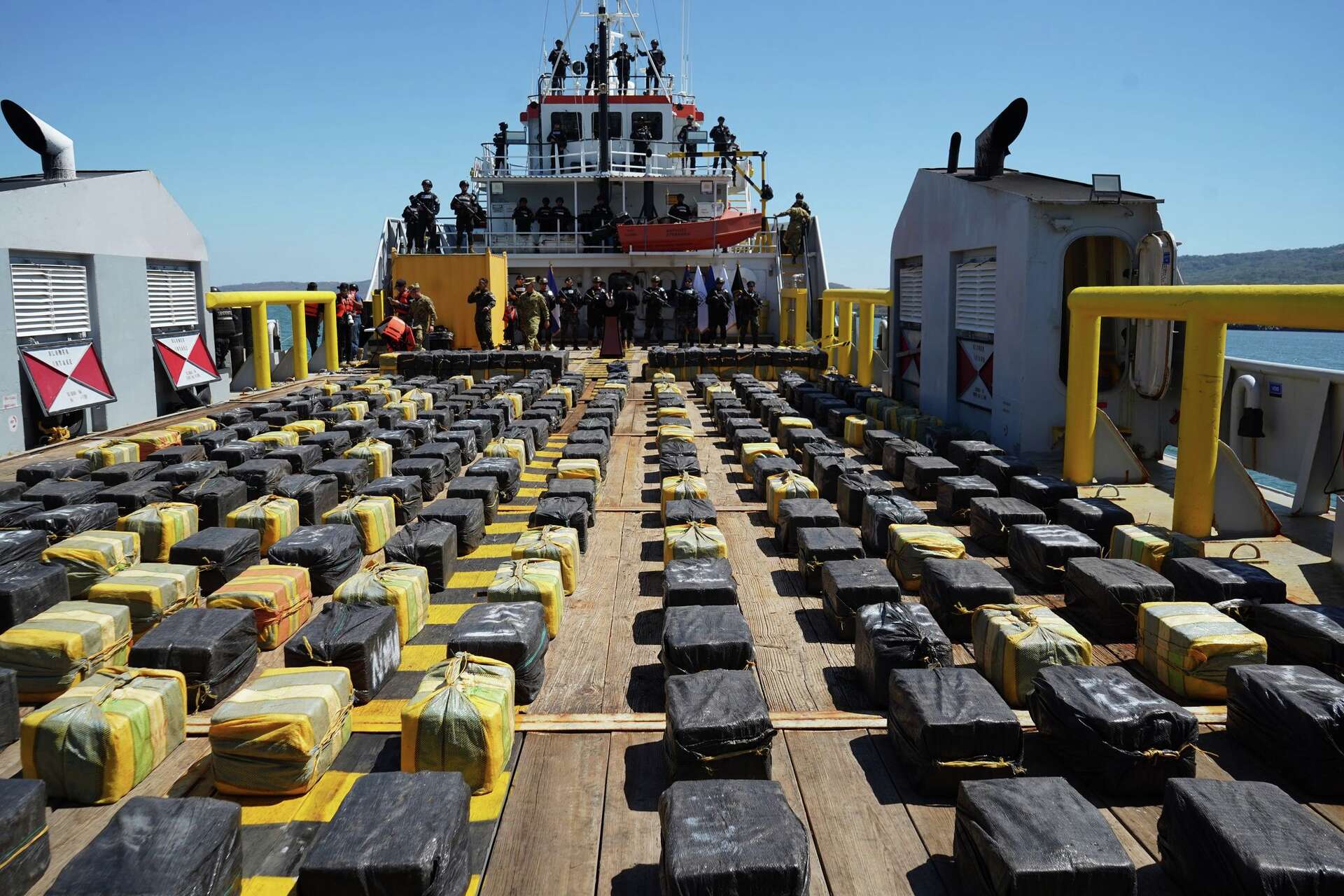
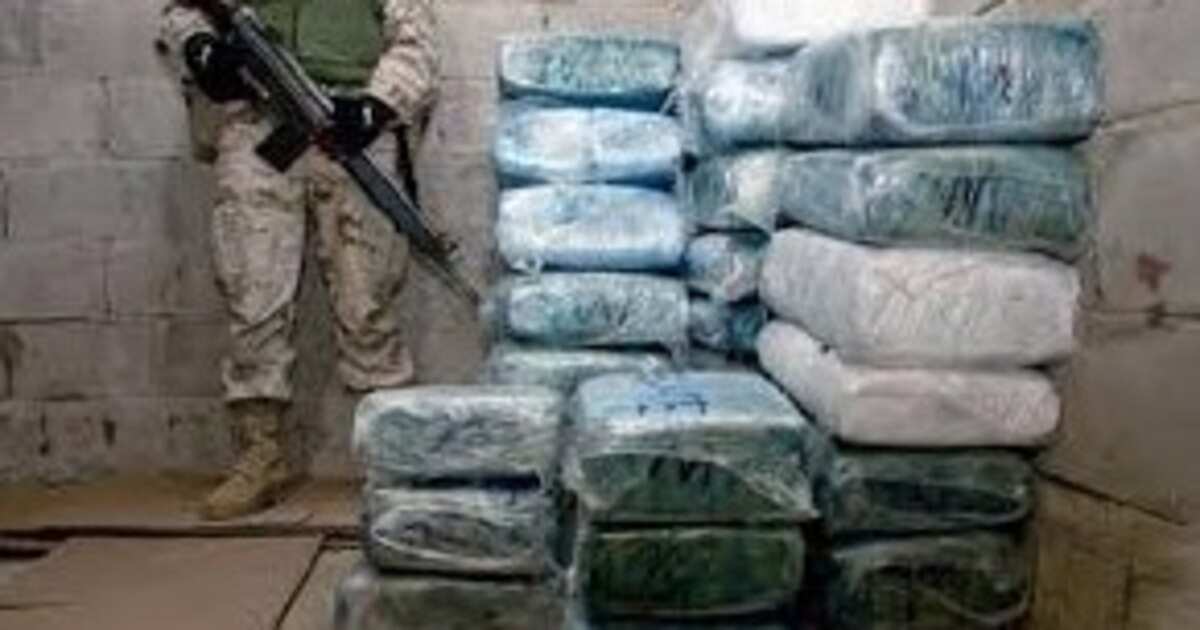
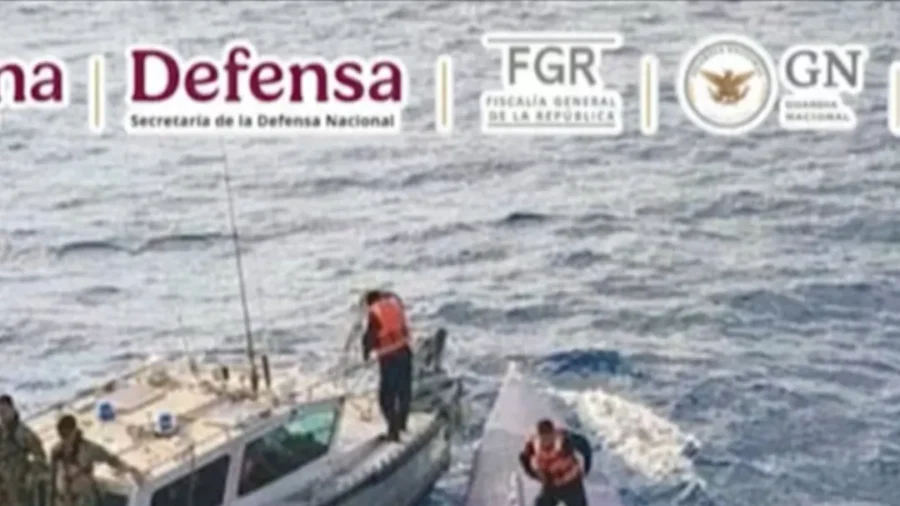
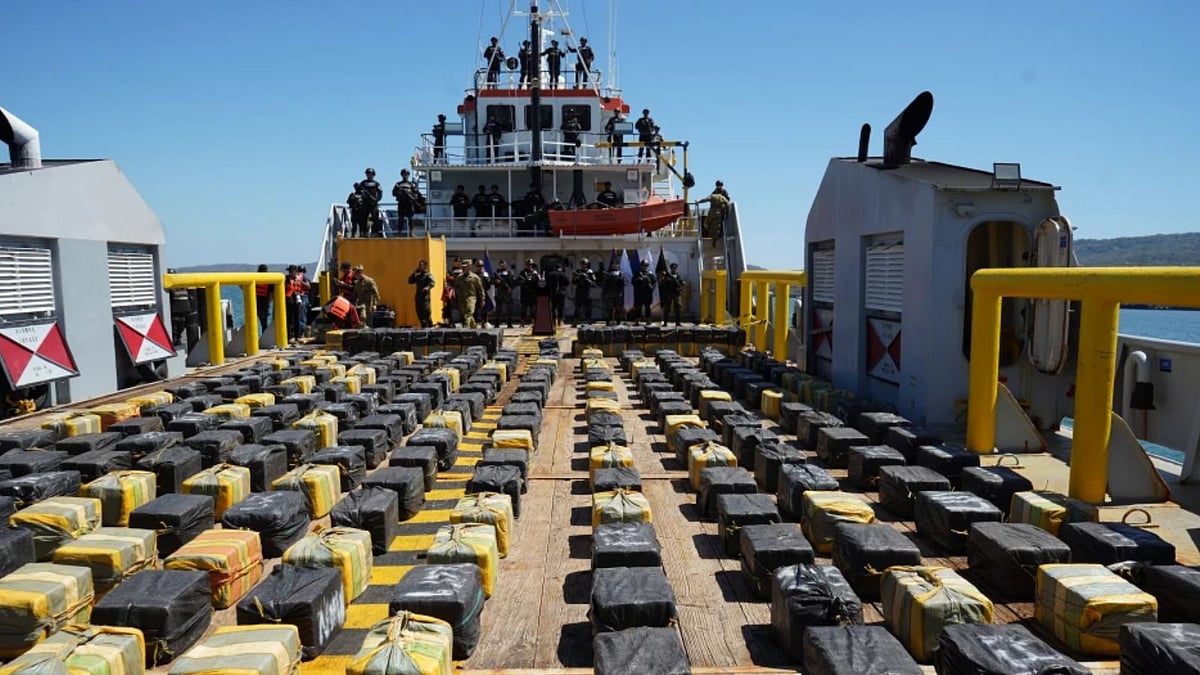
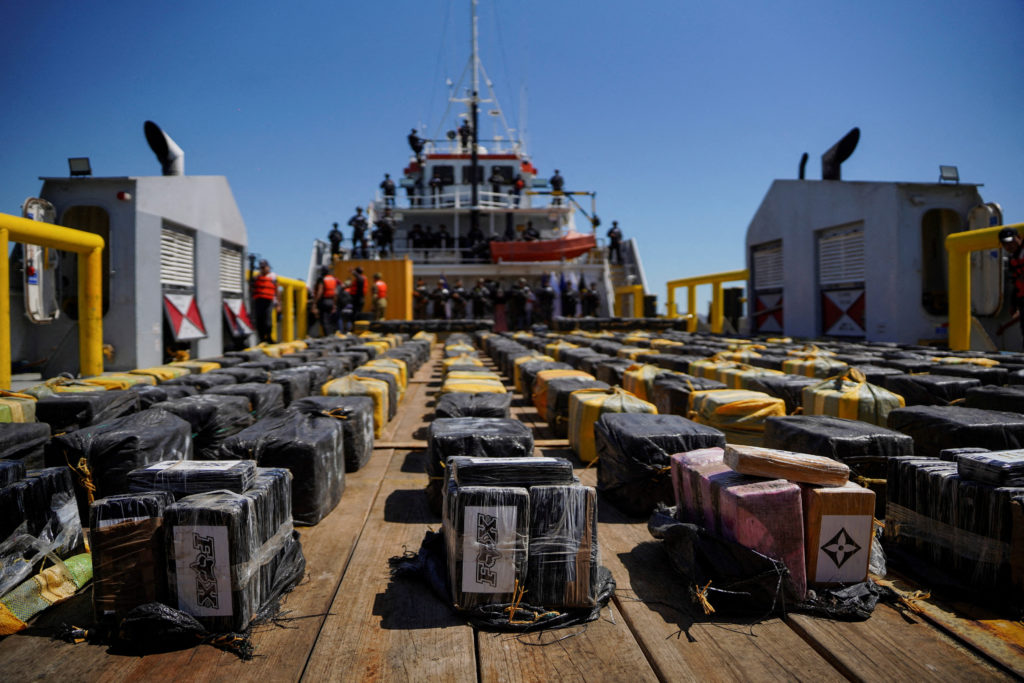
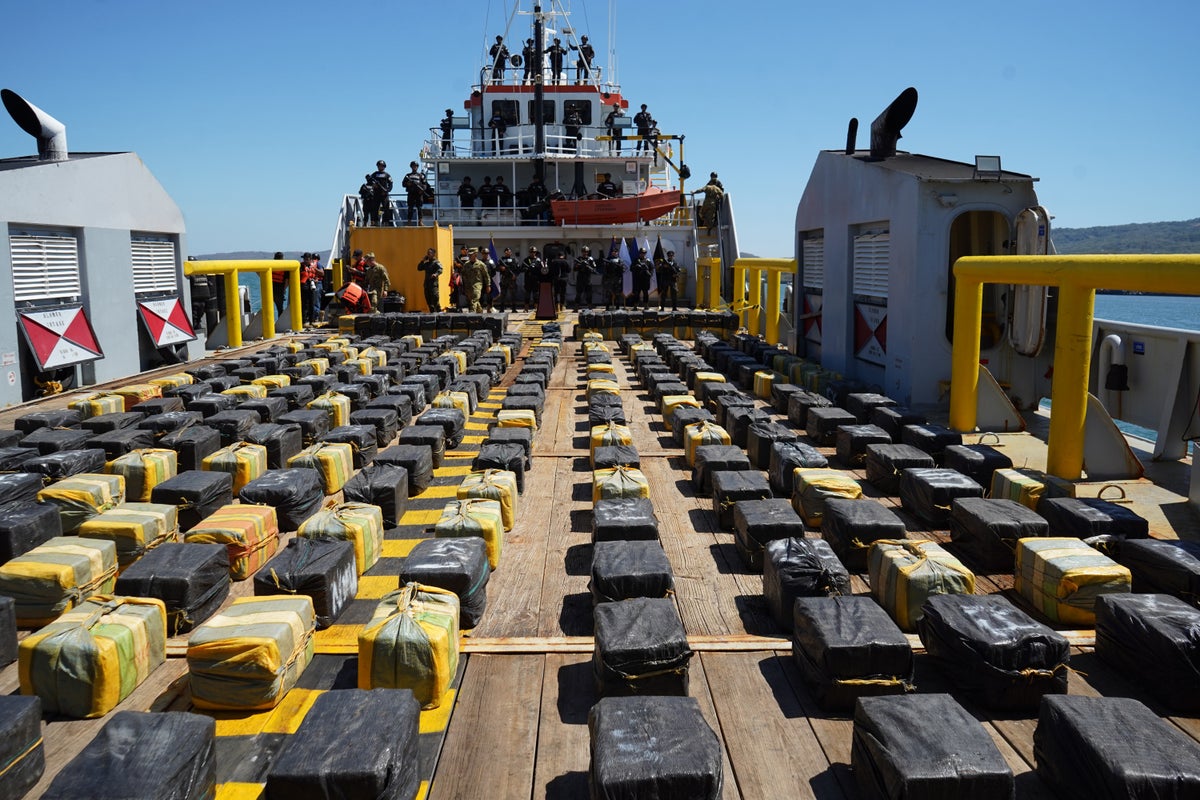
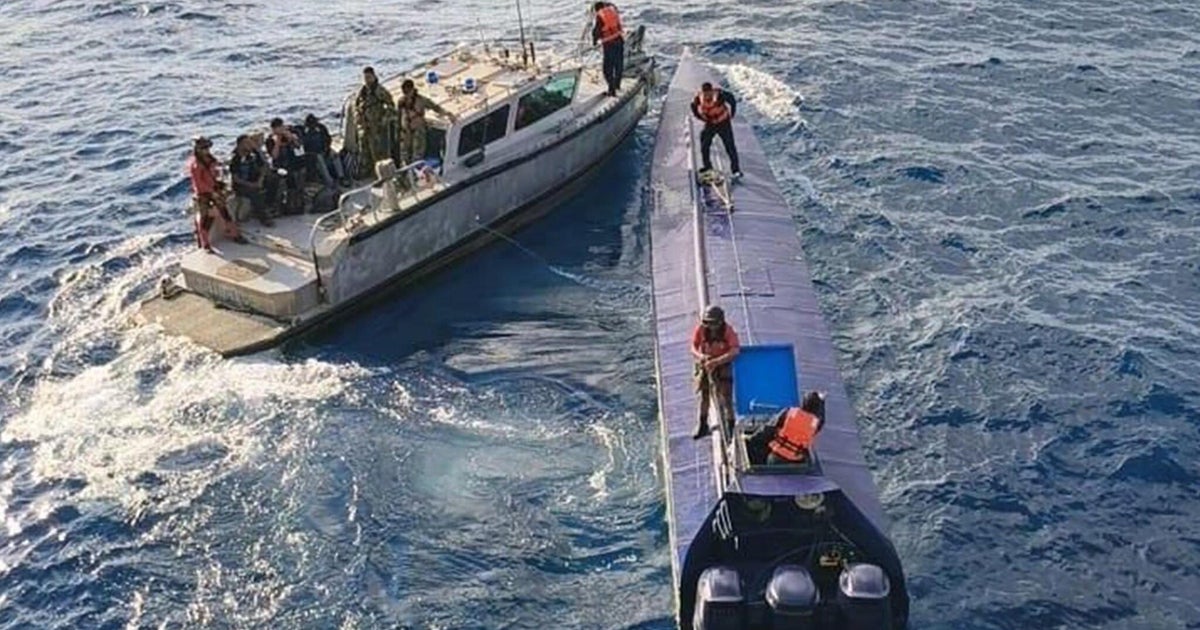
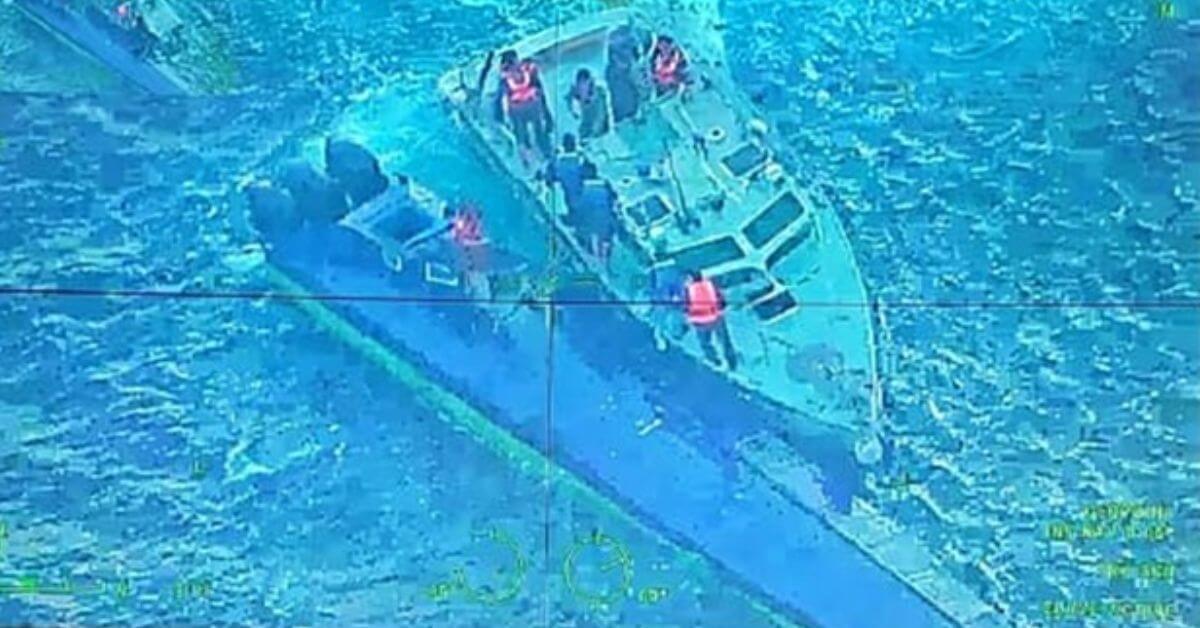
The February 2026 escalation of drug enforcement operations across Mexico and El Salvador represents a critical supply chain inflection point for cross-border e-commerce sellers. Mexico's navy seized nearly 4 tonnes of cocaine from a semisubmersible vessel 250 nautical miles south of Manzanillo port on February 19, 2026, while El Salvador conducted its largest drug seizure (6.6 tonnes) from a Tanzanian-flagged vessel 380 miles offshore. These coordinated operations, totaling over 10 tonnes of confiscated narcotics, signal intensified maritime enforcement that directly impacts logistics routing, port operations, and customs processing timelines for legitimate commerce.
The operational impact on sellers is substantial and multifaceted. Increased naval patrols and intelligence-sharing between Mexican authorities and U.S. Northern Command have expanded inspection protocols at major Pacific ports including Manzanillo, Lazaro Cardenas, and Puerto Vallarta. For sellers utilizing Mexico as a manufacturing hub or transshipment point, this translates to 5-10 day delays in customs clearance, increased documentation requirements, and higher port fees (estimated $200-500 per container). The Trump administration's pressure on Mexico to enhance drug seizures—explicitly citing fentanyl trafficking as justification for tariff threats—creates a compliance environment where port authorities prioritize thorough inspections over processing speed. Sellers shipping electronics, textiles, and consumer goods through Mexican ports should anticipate extended lead times and budget accordingly.
Strategic implications extend beyond logistics to market access and competitive positioning. The 37 drug cartel members extradited to the United States and ongoing U.S. military strikes (145+ deaths since September 2025) indicate sustained enforcement momentum through at least Q2 2026. This creates a bifurcated market: sellers with diversified logistics networks (using alternative ports in Veracruz, Tampico, or air freight) maintain competitive advantage, while sellers dependent on Pacific routes face margin compression from extended inventory holding periods. Additionally, Mexican President Claudia Sheinbaum's public disagreement with U.S. military operations suggests potential policy shifts that could affect bilateral trade enforcement—sellers should monitor Mexico-US trade relations closely for tariff escalations or retaliatory logistics restrictions.
Immediate seller actions include supply chain diversification and timeline adjustments. Sellers shipping 500+ units monthly from Mexico should evaluate alternative routing through Atlantic ports (Veracruz, Tampico) or air freight options, despite 15-25% cost premiums. Update inventory forecasts to account for 7-10 day delays in Mexico-bound shipments and adjust Amazon FBA replenishment schedules accordingly. Monitor Customs and Border Protection (CBP) announcements for port-specific inspection protocols and consider engaging customs brokers with Pacific port expertise to expedite clearance. For sellers manufacturing in Mexico, negotiate extended payment terms with suppliers to offset working capital impacts from delayed shipments.
Questions 7
How will Mexico's increased drug enforcement affect my Amazon FBA shipments from Mexico?
Sellers shipping from Mexico should expect 5-10 day delays in customs clearance at Pacific ports like Manzanillo and Lazaro Cardenas due to intensified naval patrols and inspection protocols. The February 2026 seizures of 10+ tonnes of cocaine have triggered expanded documentation requirements and higher port fees ($200-500 per container). Update your FBA replenishment schedules to account for extended lead times, and consider shifting 20-30% of inventory to alternative Atlantic ports (Veracruz, Tampico) or air freight options. Monitor CBP announcements for port-specific protocols and engage customs brokers with Pacific port expertise to minimize delays.
What tariff risks should I monitor given the Trump administration's Mexico pressure?
The Trump administration explicitly cited fentanyl trafficking as justification for tariff threats on Mexican imports, creating direct linkage between drug enforcement and trade policy. While current tariffs remain unchanged, the administration's pressure on Mexico to increase seizures signals potential escalation if enforcement doesn't meet expectations. Sellers should monitor USTR announcements weekly and use tariff calculators (USITC.gov) to model 5-15% tariff scenarios on your product categories. Consider hedging strategies: diversify sourcing to non-Mexico suppliers, build inventory buffers before potential tariff implementation, and evaluate price elasticity for your customer base to determine margin sustainability under tariff scenarios.