




Compliance Crossroads: Labour's Controversial Gender Conference Exclusion Strategy
- Legal Interpretation Reshapes Inclusivity Boundaries in Political Representation
















Overview
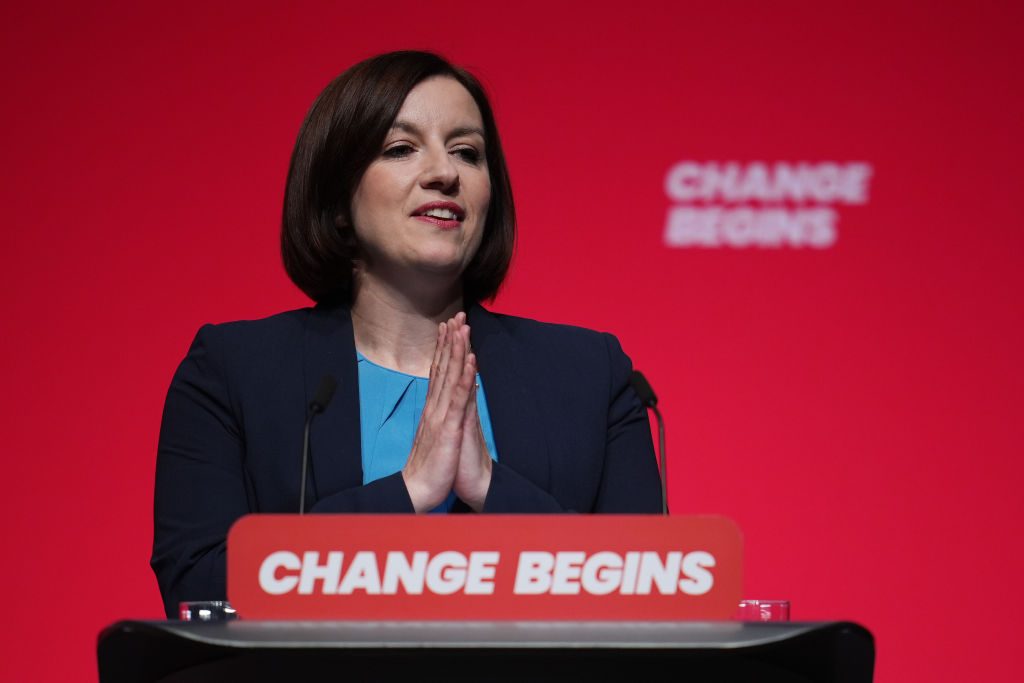
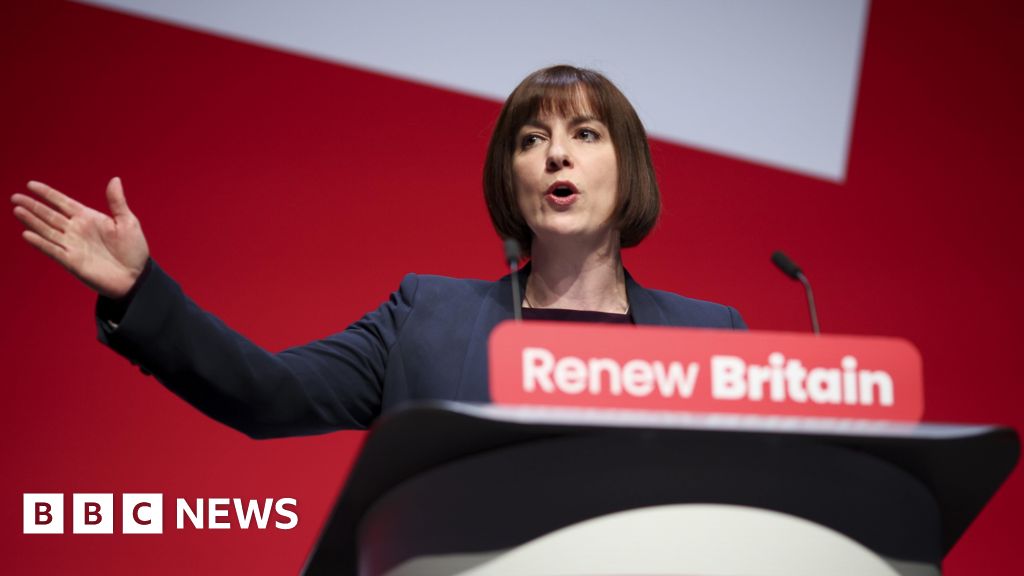
The Labour Party's 2026 Women's Conference policy represents a pivotal moment in navigating complex legal compliance and gender identity regulations. By explicitly barring trans women from main conference proceedings, the party is demonstrating a strategic response to recent Supreme Court rulings on biological sex definitions.
Regulatory Compliance as a Decisive Factor: The decision stems from a careful legal review prompted by the Supreme Court's April ruling, which fundamentally reinterprets equalities legislation. This move reveals how institutional policies are increasingly being shaped by narrow legal interpretations rather than broader inclusivity principles. The party's approach creates a nuanced compromise: trans delegates can attend fringe events and evening receptions, but are excluded from voting and main conference hall access.
Structural Implications of Policy Boundaries: This policy change signals a significant shift in how political organizations interpret gender representation and legal compliance. By adopting a "biological women-only" approach recommended by the Equality and Human Rights Commission, Labour is essentially creating a legally defensible but controversial participation model. The mixed reactions from trans rights advocates and women's groups underscore the complex landscape of gender policy in contemporary political institutions.
The strategic calculus appears to prioritize legal risk mitigation over absolute inclusivity. By carefully delineating participation boundaries, the party attempts to balance legal compliance with a semblance of accessibility. This approach suggests a broader trend where institutional policies are increasingly constrained by narrow legal interpretations, potentially creating new forms of systemic exclusion under the guise of regulatory adherence.
Ultimately, this policy represents more than a conference restriction—it's a bellwether for how legal frameworks are reshaping institutional participation, with profound implications for representation, identity, and organizational governance.
Questions 3
How are different stakeholder groups responding to this decision?
The policy has generated mixed reactions, with trans rights advocates criticizing the exclusion, while some women's groups cautiously accept the compromise as a legally prudent approach.
What are the potential long-term implications of this policy?
This policy could set a precedent for how institutions interpret gender representation, potentially creating more restrictive participation models based on narrow legal definitions rather than inclusive principles.