



)
India's AI Boom Creates $2.5T E-Commerce Opportunity | Sellers Must Act Now
- India's 25% projected economic growth and 1.4B population unlock massive cross-border seller opportunities through AI-powered logistics, pricing, and customer service automation



































Overview
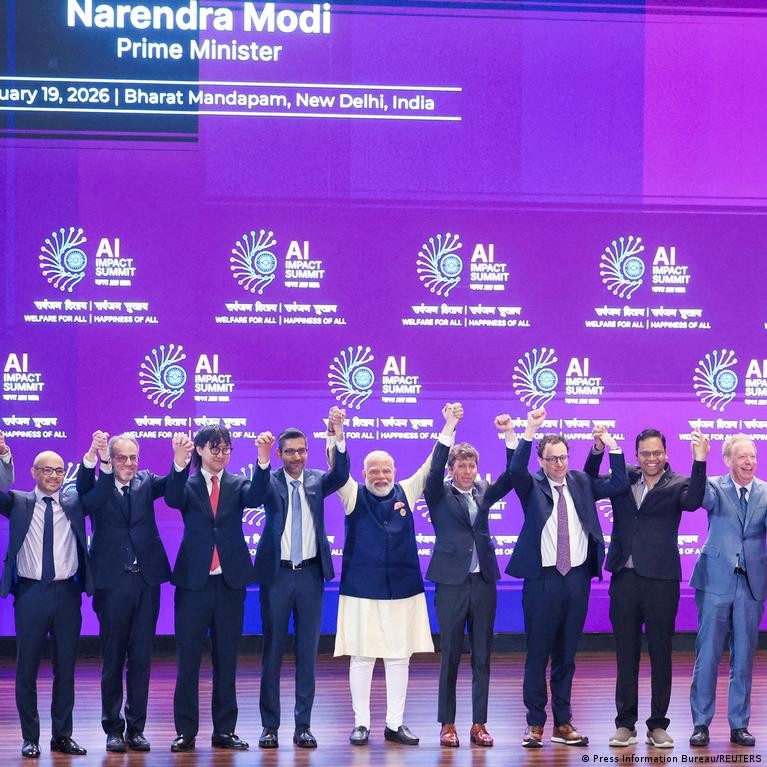
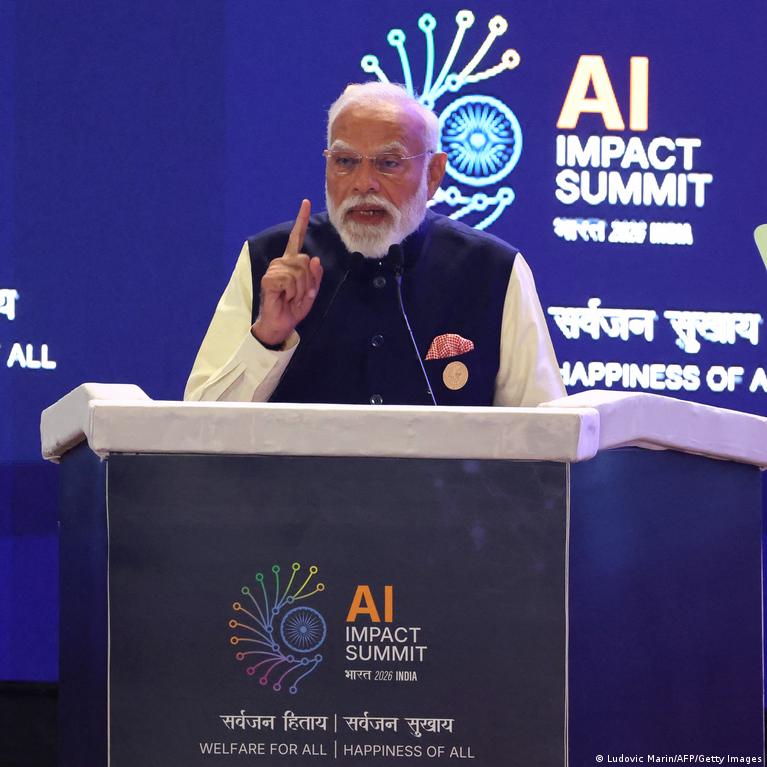
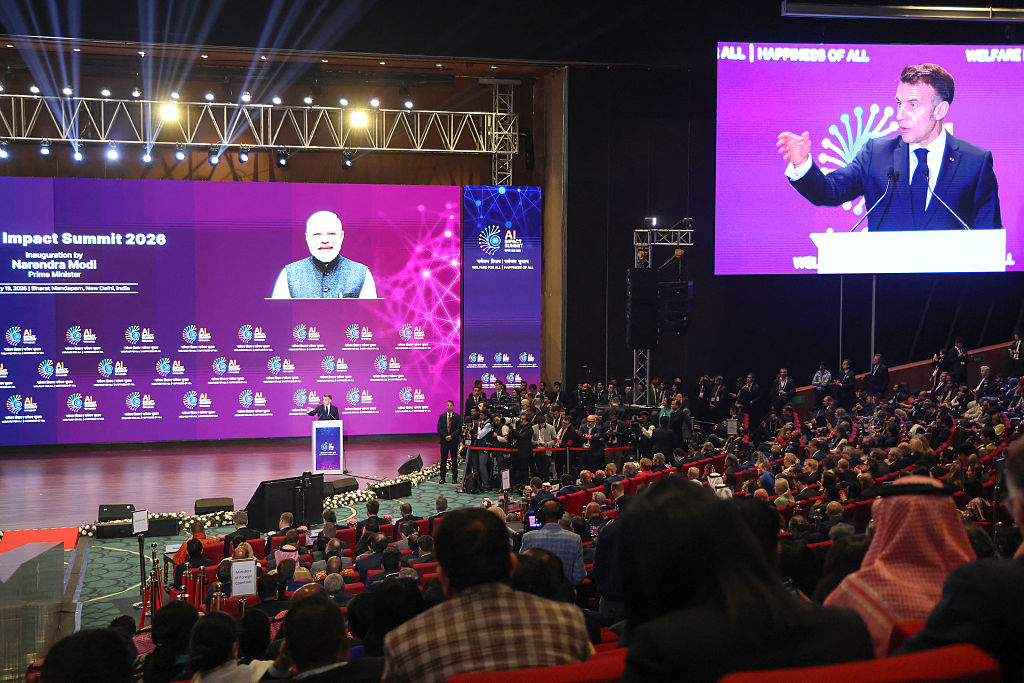
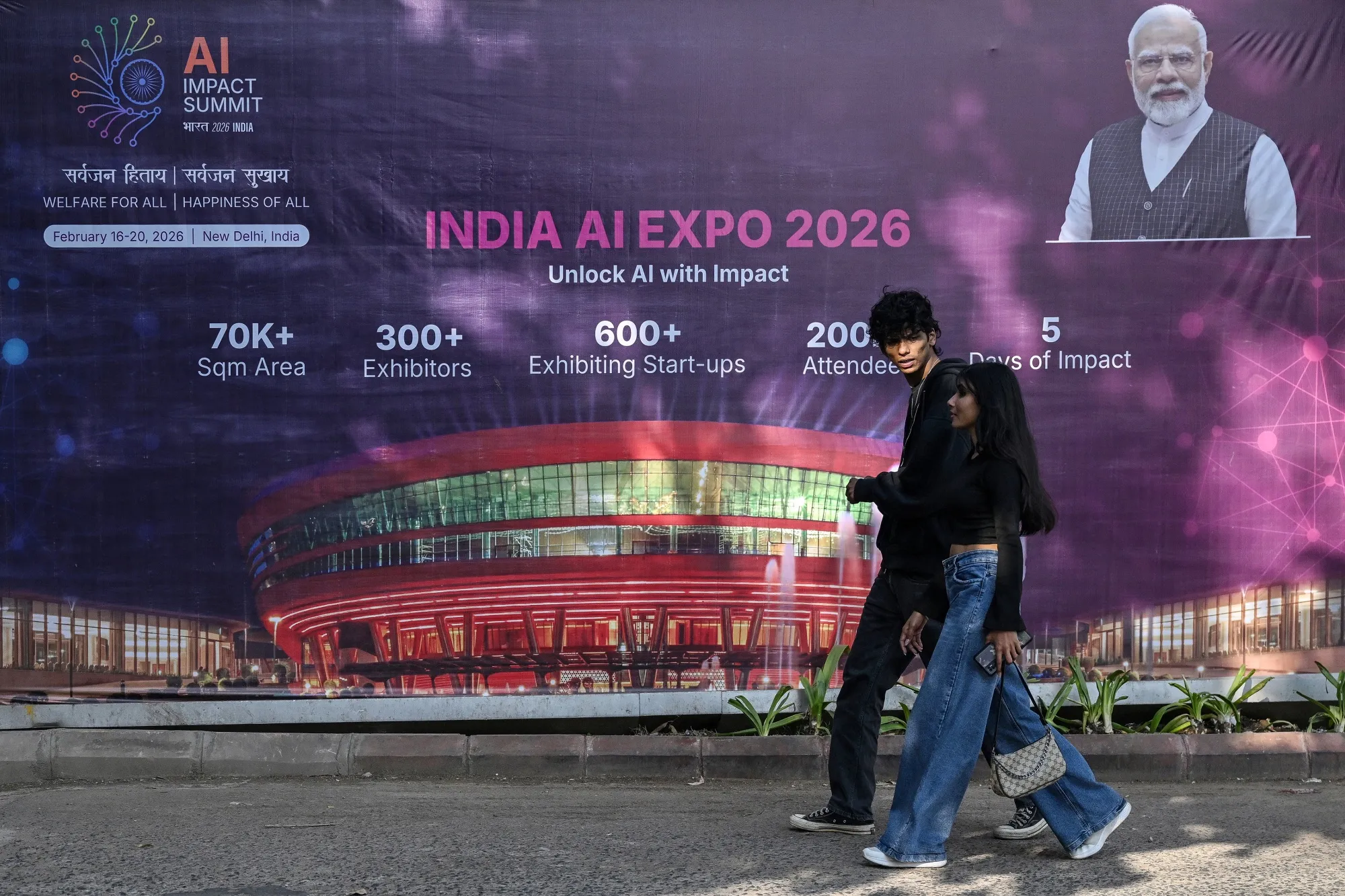
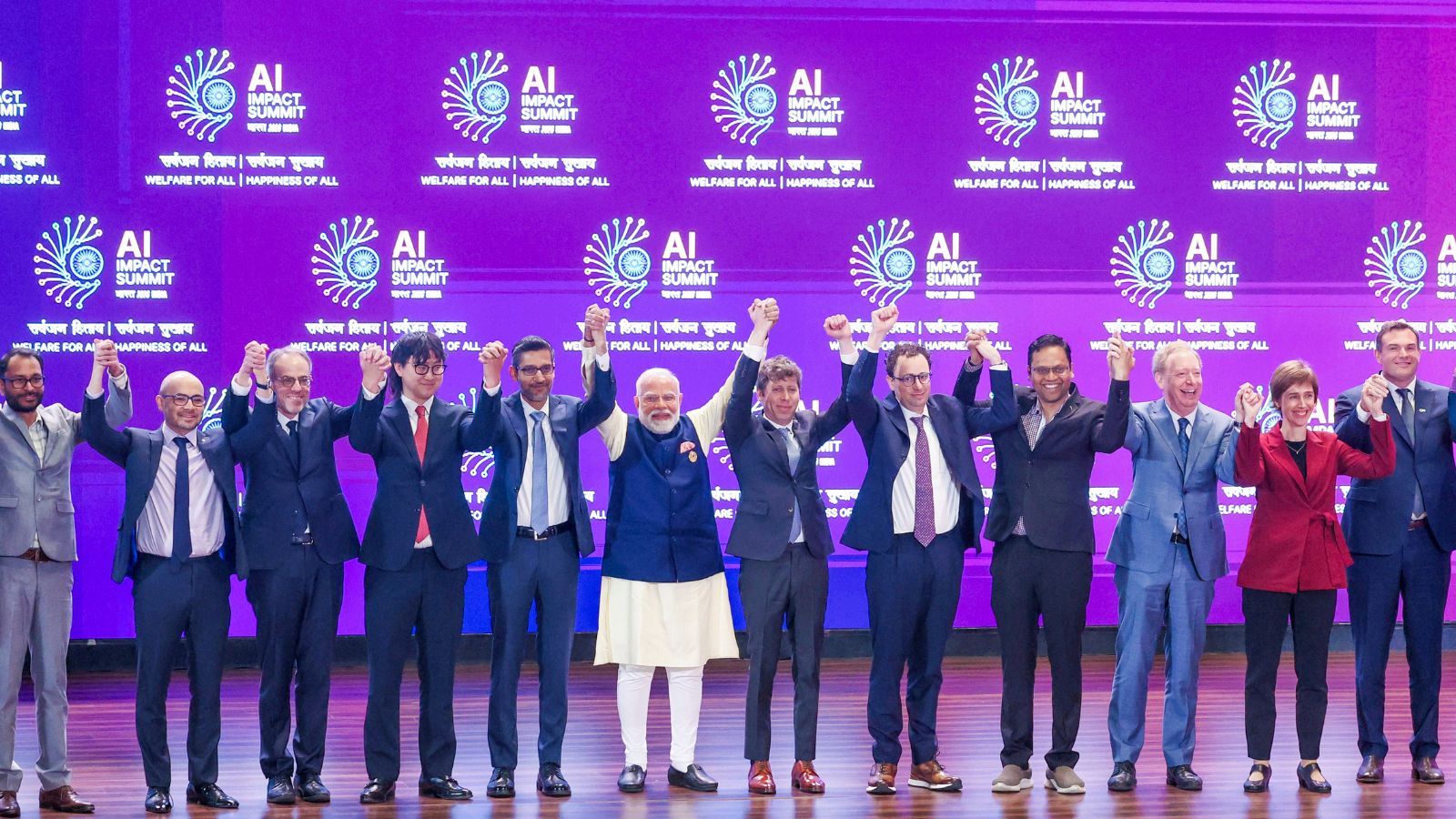
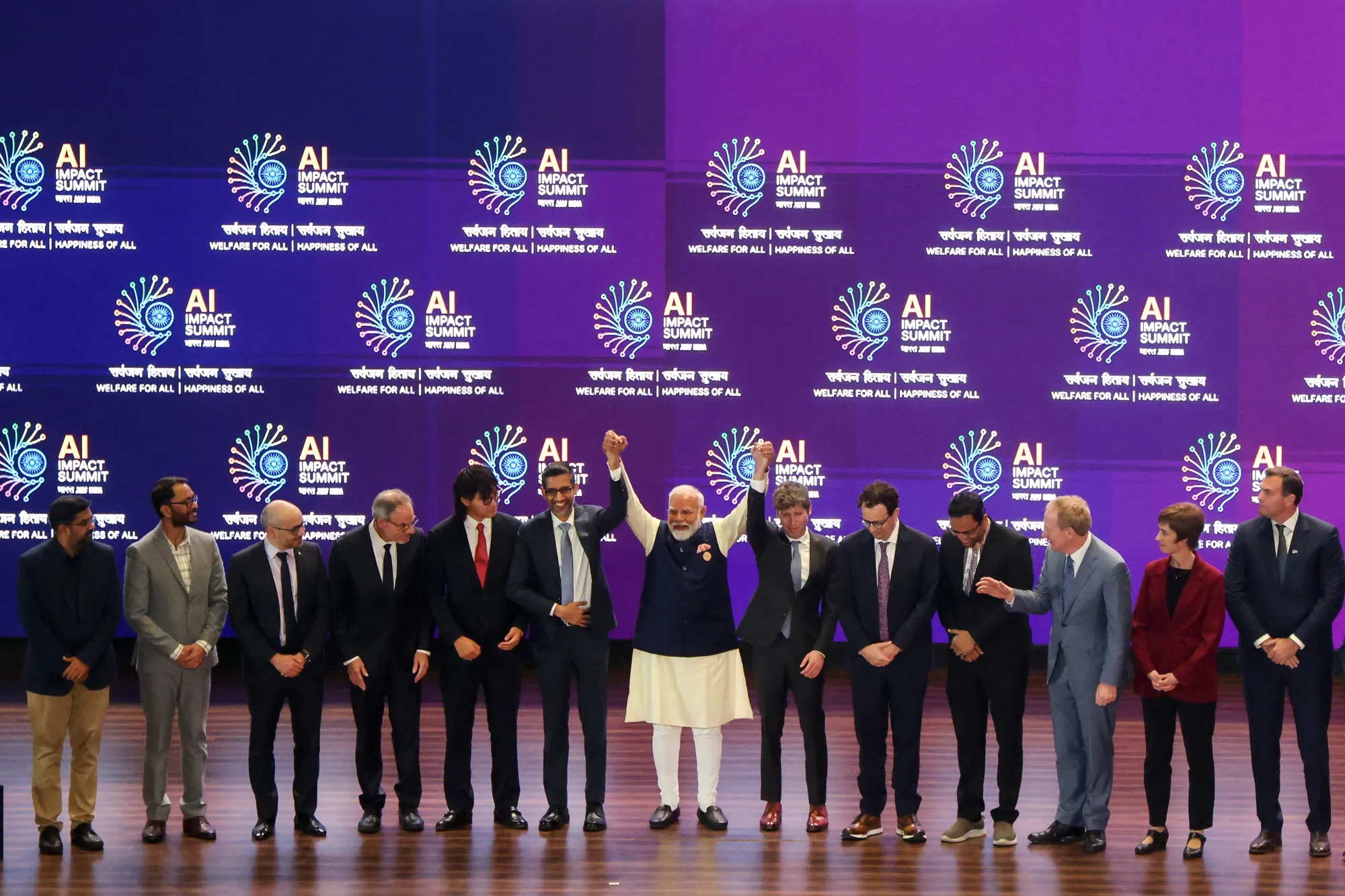
India's AI Impact Summit in Delhi represents a watershed moment for cross-border e-commerce sellers, with OpenAI, Google, and Anthropic announcing major deployments of ChatGPT, Gemini, and Claude AI models across India's 1.4 billion population. The Trump administration's Pax Silica agreement formally binds India to US tech infrastructure, creating unprecedented opportunities for sellers to leverage American AI tools in the world's fastest-growing e-commerce market. Anthropic CEO Dario Amodei projects AI integration could enable India to achieve 25% economic growth within a decade, potentially raising per-capita GDP to Greek levels—translating to 300-400 million new middle-class consumers with disposable income for cross-border purchases.
IMMEDIATE AUTOMATION WINS FOR SELLERS: The deployment of ChatGPT, Gemini, and Claude across Indian e-commerce platforms will accelerate adoption of AI-powered inventory management, demand forecasting, and dynamic pricing tools. Sellers can immediately implement AI-driven customer service automation (reducing response time from 24 hours to 2-4 minutes), automated product listing optimization in Hindi/regional languages, and predictive analytics for Indian consumer behavior. Tools like Helicone, Langchain, and platform-native AI features can save 15-20 hours weekly per seller managing Indian marketplace operations. The infrastructure gap India faces—lacking semiconductor capacity and data center facilities—creates a 3-5 year window where US-based sellers using American AI stacks gain competitive advantage before domestic Indian alternatives emerge.
DATA-DRIVEN INSIGHTS & COMPETITIVE MOATS: India's large talent pool and supportive government policies signal accelerated platform capability upgrades on Amazon India, Flipkart, and emerging marketplaces. Sellers should immediately deploy AI sentiment analysis tools (using Claude or GPT-4) to analyze Indian consumer reviews in English and regional languages, uncovering micro-trends 2-3 weeks before competitors. Dynamic pricing AI can exploit India's price-sensitive market—AI tools can adjust prices 5-10 times daily based on competitor activity, demand signals, and inventory levels, potentially increasing margins 8-12% for sellers in electronics, apparel, and home goods categories. The geopolitical dimension (Pax Silica binding India to US tech) means sellers using American AI tools gain regulatory certainty and platform preference over Chinese alternatives for 5+ years.
CRITICAL PRODUCT GAPS & OPPORTUNITIES: The summit reveals India lacks independent AI infrastructure, creating urgent demand for AI-powered logistics optimization, last-mile delivery prediction, and regional language processing tools tailored to Indian e-commerce. Sellers should invest in AI tools that handle Hindi, Tamil, Telugu, Marathi, and Bengali language processing—current solutions are 40-60% less accurate for regional languages. The 25% economic growth projection means consumer electronics, home appliances, fashion, and beauty categories will see 30-50% demand increases over 3-5 years, requiring sellers to build AI-powered inventory forecasting systems now to avoid stockouts during the growth phase.
Questions 7
How will India's AI deployment affect cross-border sellers targeting Indian consumers?
India's AI Impact Summit deployment of ChatGPT, Gemini, and Claude across 1.4 billion consumers will dramatically accelerate e-commerce platform capabilities for inventory management, demand forecasting, and personalized recommendations. Sellers can expect Amazon India and Flipkart to integrate advanced AI features within 6-12 months, enabling real-time price optimization, automated customer service in regional languages, and predictive analytics for Indian buying behavior. The projected 25% economic growth means 300-400 million new middle-class consumers entering e-commerce, creating a 3-5 year window where sellers using American AI tools gain 15-25% competitive advantage over domestic competitors before local alternatives mature.
What immediate automation opportunities exist for sellers in the Indian market?
Sellers can immediately implement AI-powered customer service automation (reducing response time from 24 hours to 2-4 minutes using ChatGPT APIs), automated product listing optimization in Hindi and regional languages, and dynamic pricing algorithms that adjust 5-10 times daily based on competitor activity. These automations save 15-20 hours weekly per seller managing Indian operations. Tools like Helicone, Langchain, and native platform AI features enable sellers to process customer inquiries, optimize listings, and adjust prices automatically—critical capabilities for competing in India's price-sensitive market where margins compress 8-12% annually without AI-driven optimization.