


Supreme Court Tariff Ruling Eliminates $2T+ Import Tax Burden | Sellers Gain Immediate Margin Relief
- U.S. Supreme Court invalidates Trump tariffs (Feb 19-20, 2026); removes hidden tax on imported goods; creates 8-15% COGS reduction for electronics, textiles, furniture sellers; temporary relief window before alternative mechanisms pursued





















Overview
The U.S. Supreme Court's landmark 6-3 decision on February 19-20, 2026, struck down President Trump's sweeping tariffs enacted under the International Emergency Economic Powers Act, eliminating a "shadow tax" on imported goods that had functioned since April 2025's "Liberation Day." This ruling represents the most significant tariff policy reversal in a decade, directly benefiting cross-border e-commerce sellers importing from Asia, Europe, and other regions. For sellers in tariff-sensitive categories—electronics, textiles, furniture, and consumer goods—the decision provides immediate cost relief by removing the hidden tax burden that had compressed profit margins by 8-15% depending on product category and sourcing country.
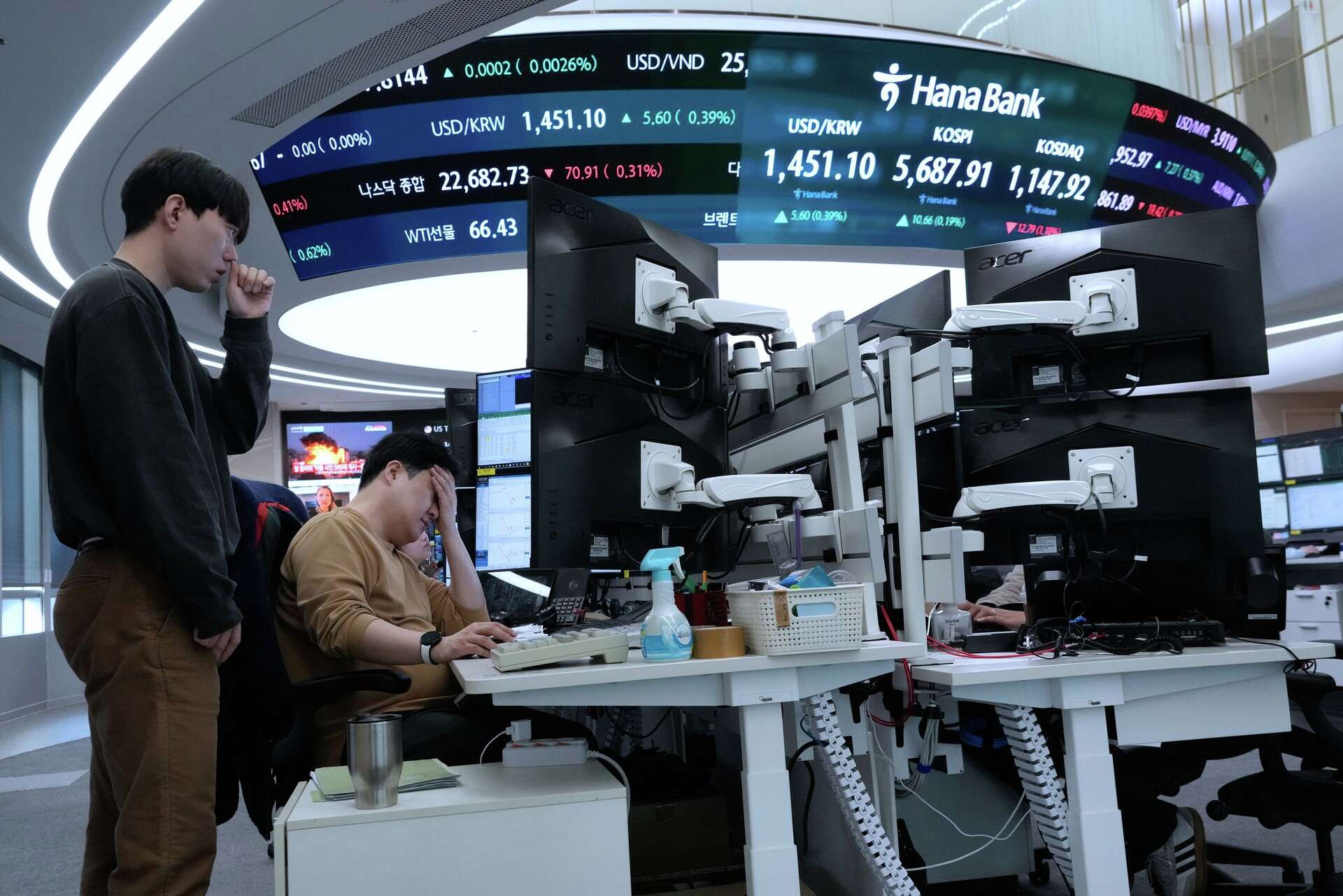
The margin expansion opportunity is immediate but time-sensitive. Tariffs had effectively increased the cost of goods sold (COGS) for import-dependent businesses, functioning as a shadow tax on inventory. Their removal eliminates this burden instantly, allowing sellers to either reduce prices competitively on Amazon, eBay, and Shopify while protecting margins, or maintain pricing and capture 8-15% margin expansion. For small and medium-sized enterprises operating on thin 10-20% margins, this translates to $200-500 monthly cost savings per $10,000 in monthly inventory value. The market's immediate positive response—S&P 500 +0.5%, NASDAQ +0.9%, Dow +0.2% on the announcement—signals investor confidence in reduced trade friction and lower inflation expectations. However, this relief window is constrained by Trump administration signals that alternative legal routes to reimpose tariffs will be pursued, creating policy uncertainty that caused trade-sensitive stocks (Nike, General Motors, Abercrombie & Fitch) to retreat from morning highs despite initial gains.
Strategic sourcing dynamics shift dramatically with tariff elimination. The ruling removes the tariff arbitrage advantage that had favored certain sourcing countries over others. Sellers who had shifted production to Vietnam, India, or Mexico to avoid China tariffs now face a level playing field where cost optimization returns to pure manufacturing efficiency rather than tariff avoidance. This creates a 30-60 day window for sellers to reassess sourcing strategies before alternative tariff mechanisms are implemented. Additionally, the removal of tariffs widens the federal deficit and increases borrowing needs, pressuring the 10-year Treasury yield to 4.09%—potentially increasing financing costs for sellers seeking capital. However, lower tariffs may cool inflation expectations, increasing the likelihood of Federal Reserve rate cuts later in 2026, which could ultimately reduce borrowing costs for sellers seeking inventory financing or business expansion capital. The macroeconomic uncertainty—GDP growth slowed to 1.4%—suggests sellers should prioritize cash flow optimization and inventory efficiency during this transition period.
Questions 8
What compliance steps should I take to ensure tariff elimination benefits my business?
Tariff elimination is automatic—no compliance actions required. However, sellers should: (1) Verify your product HS codes at USTR.gov to confirm tariff elimination applies to your categories, (2) Request updated landed cost calculations from suppliers reflecting tariff removal, (3) Review Amazon Seller Central and eBay pricing strategies to capture margin gains or reduce prices competitively, (4) Update financial forecasts to reflect 8-15% COGS reduction, (5) Monitor USTR.gov and Commerce Department for alternative tariff announcements. Sellers importing from China should request written confirmation from suppliers that tariff elimination is reflected in new pricing, as some suppliers may delay price reductions. Document all tariff-related cost savings for tax and accounting purposes.
Which seller segments gain the most competitive advantage from tariff elimination?
Small and medium-sized enterprises (SMEs) importing tariff-sensitive products gain the most advantage. SMEs operating on 10-20% margins see 8-15% COGS reduction translate to 40-75% margin expansion—a transformational improvement. Large retailers with 5-10% margins see 40-75% margin expansion, but their scale allows them to reduce prices aggressively, potentially squeezing SME margins. Sellers with diversified sourcing (Vietnam, India, Mexico) gain less advantage than China-dependent sellers, since tariff elimination removes the tariff arbitrage advantage. Sellers with strong cash positions can use tariff savings to fund aggressive pricing or PPC campaigns, gaining market share. Sellers with weak cash positions should prioritize margin capture over price reduction to improve financial health.