



AI Infrastructure Revolution: SoftBank's $4 Billion Bet on Digital Transformation
- Strategic acquisition signals massive computational infrastructure shift for AI-driven future




















Overview
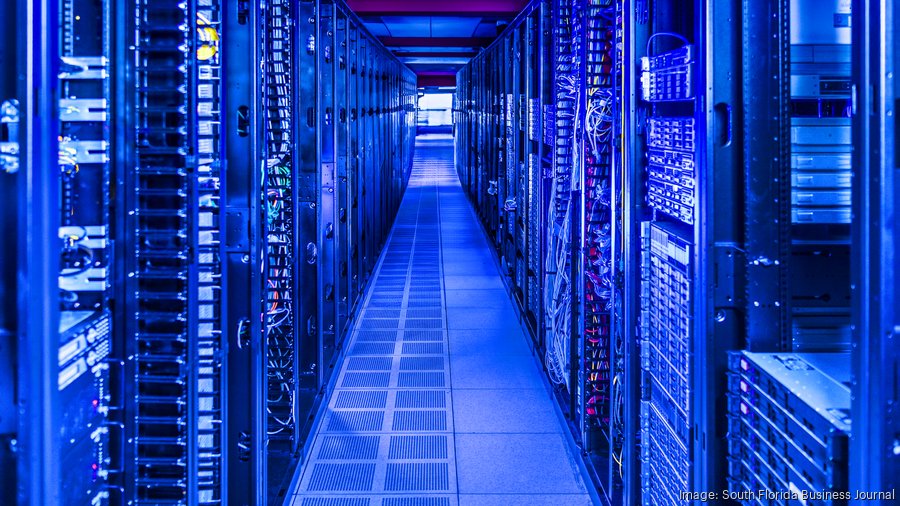
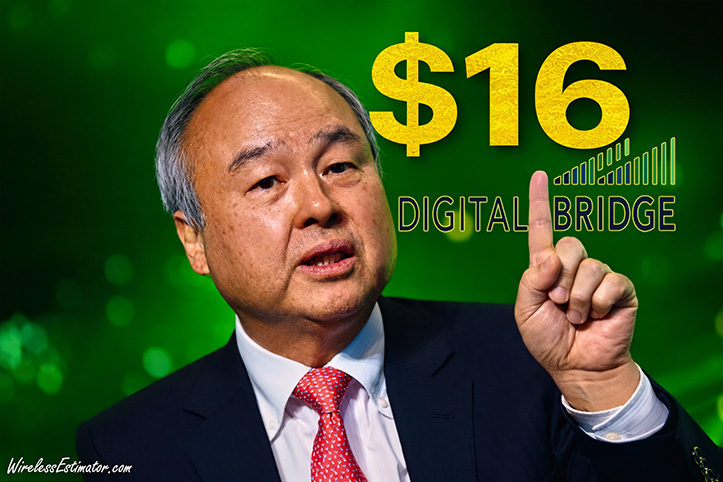
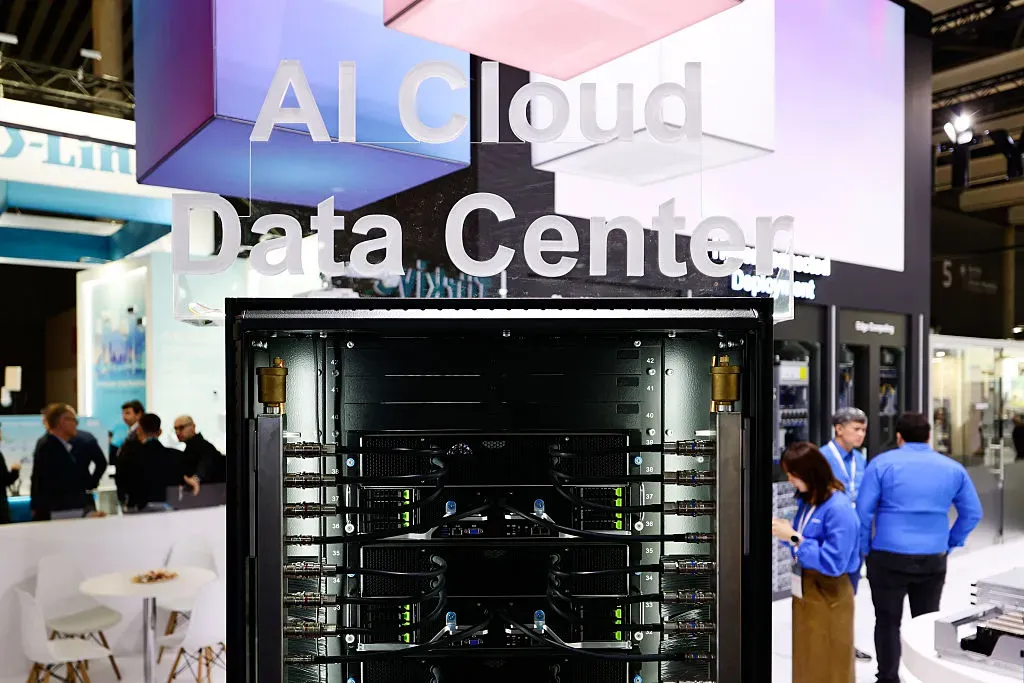
SoftBank's $4 billion acquisition of DigitalBridge represents a pivotal moment in the global AI infrastructure landscape, revealing a strategic blueprint for the next generation of computational power. By purchasing a digital infrastructure powerhouse managing $108 billion in assets, SoftBank is not just making an investment—it's architecting the physical backbone of artificial intelligence.
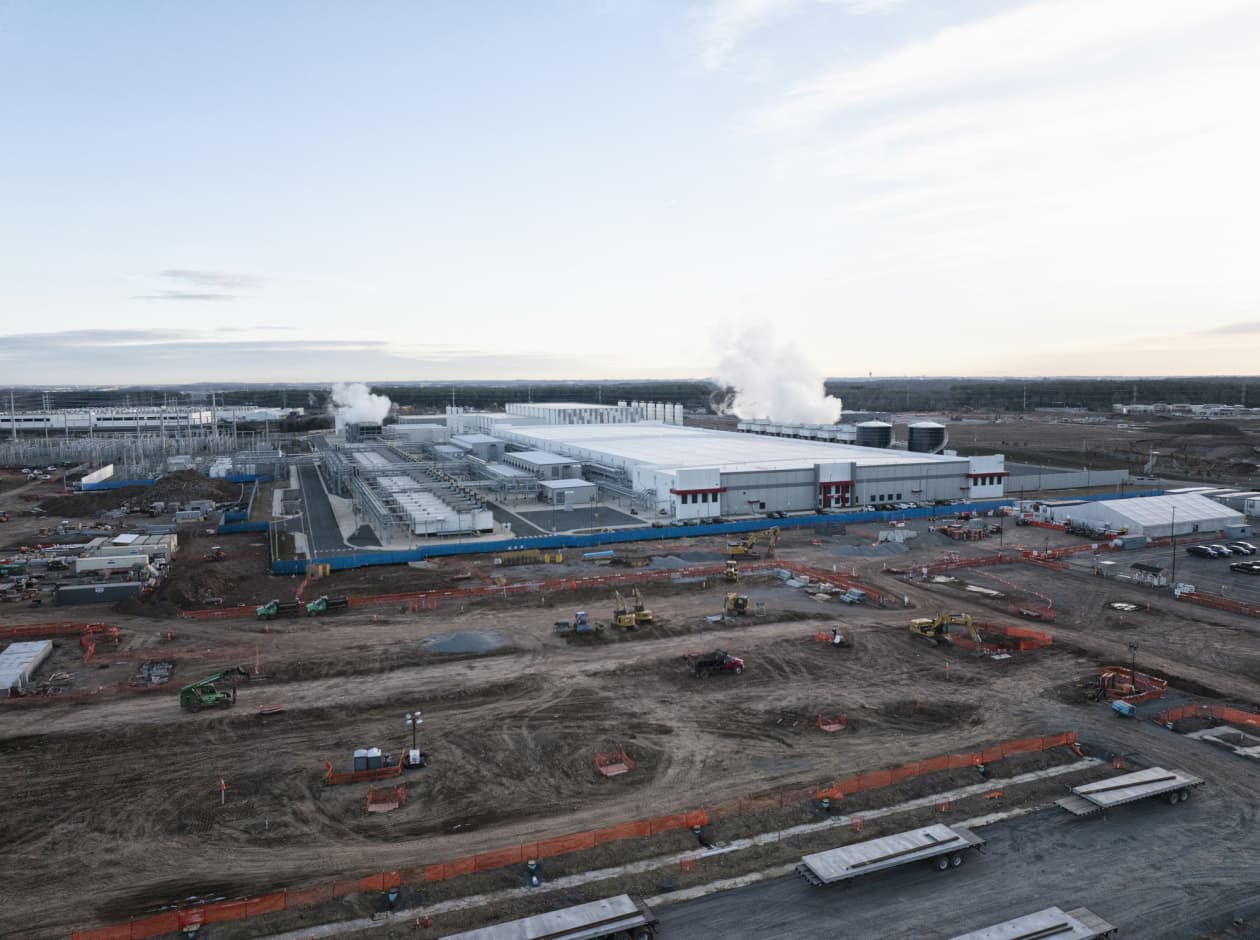
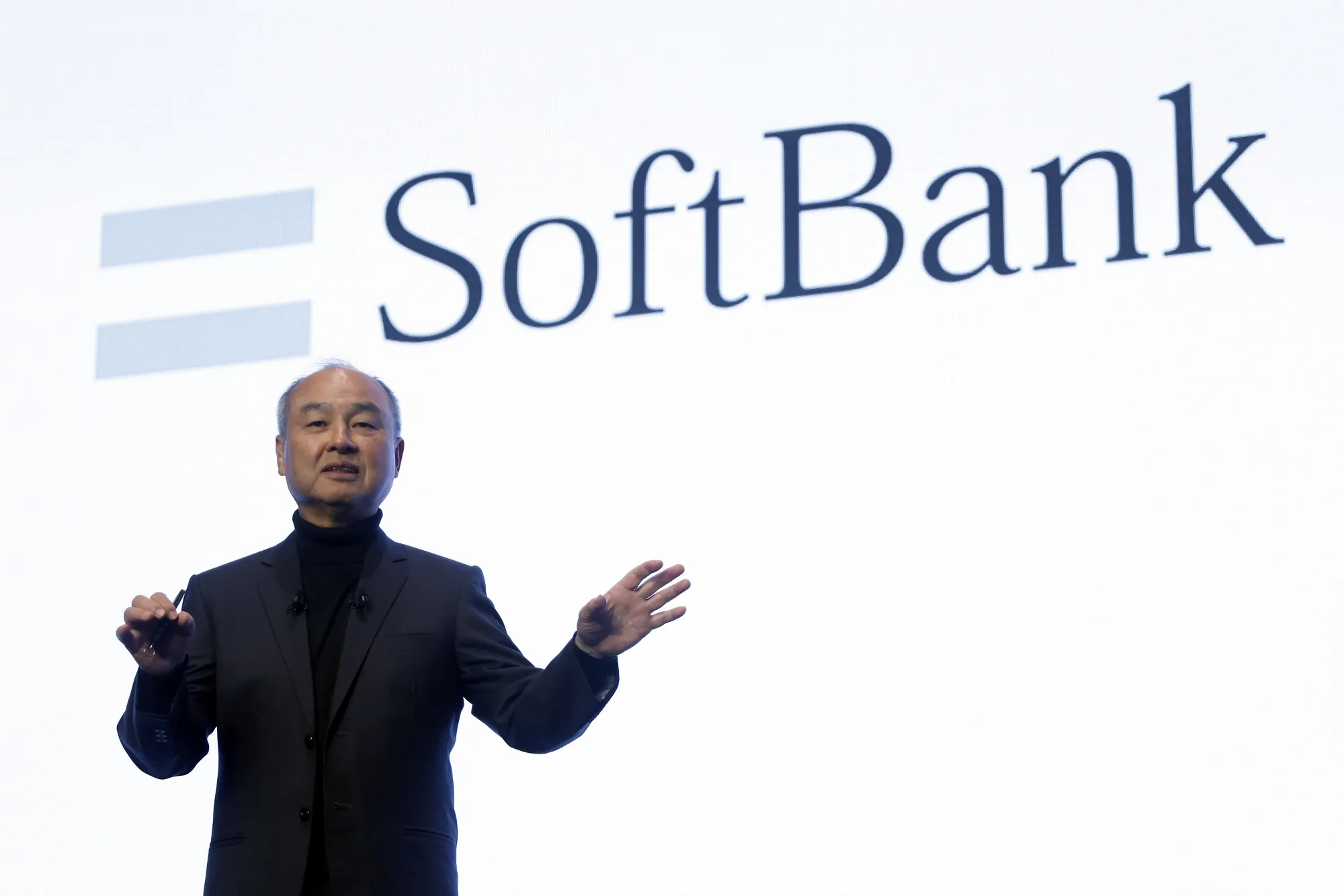
The acquisition goes far beyond a simple corporate transaction. CEO Masayoshi Son's vision of AI as a 'once-in-a-lifetime' opportunity is materializing through a calculated infrastructure strategy that connects multiple critical domains: data centers, fiber networks, cell towers, and edge computing. The Stargate Project, a $500 billion initiative targeting 10 gigawatts of compute capacity by 2029, underscores the massive computational requirements emerging in the AI era.
For technology investors and e-commerce sellers, this move signals a fundamental transformation. The digital infrastructure is becoming the new competitive battlefield, where computational capacity determines technological leadership. SoftBank's approach reveals three key strategic insights:
Infrastructure as a Competitive Moat: By controlling critical digital infrastructure, companies can create significant barriers to entry for competitors.
AI Requires Massive Computational Resources: The $4 billion investment highlights that AI is not just about algorithms, but the physical infrastructure that powers them.
Strategic Positioning for Future Technologies: SoftBank is not just investing in current capabilities, but preparing the groundwork for next-generation AI applications.
The transaction also demonstrates a broader trend of tech giants repositioning themselves for an AI-driven future. By simultaneously selling its Nvidia stake and investing $30 billion in OpenAI, SoftBank is executing a sophisticated strategy of building both intellectual and physical AI capabilities.
Sellers and entrepreneurs should recognize this as a clear signal: the next wave of technological innovation will be determined by those who can build, control, and optimize massive computational infrastructure. The AI revolution is not just about smart algorithms—it's about creating the physical networks that make those algorithms possible.
Questions 3
How does this acquisition impact e-commerce and technology sellers?
The investment signals that future technological competitiveness will depend on computational capacity. E-commerce sellers should anticipate more advanced AI tools, reduced infrastructure costs, and potential new platforms built on this enhanced digital infrastructure.
What makes the DigitalBridge acquisition strategically significant?
DigitalBridge manages $108 billion in digital assets including data centers, fiber networks, and cell towers. This acquisition gives SoftBank a comprehensive infrastructure portfolio critical for supporting AI's massive computational demands across multiple technological domains.