


Product Safety Compliance: The High-Stakes Game of Regulatory Risk Management
- Emerging regulatory landscape exposes critical vulnerabilities for e-commerce and children's product manufacturers


























Overview
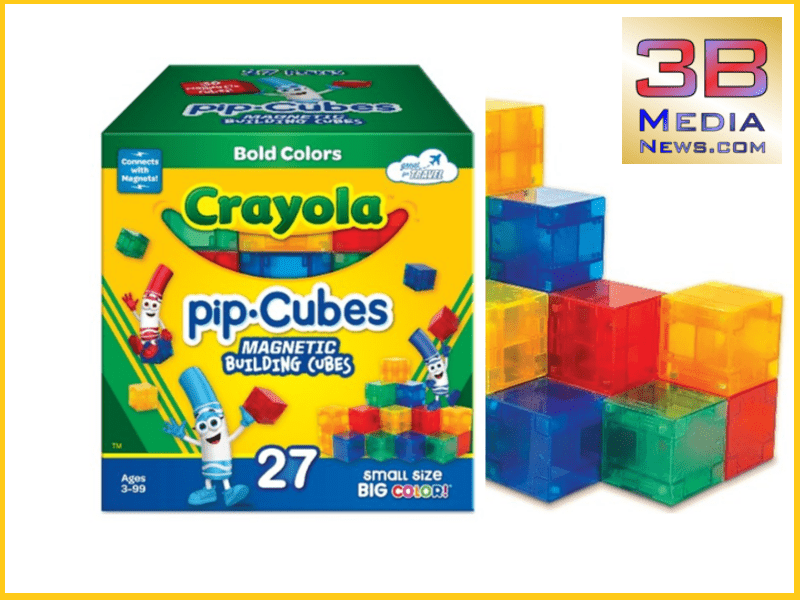
The product safety compliance landscape is undergoing a dramatic transformation, with recent CreateOn magnetic cube recalls revealing systemic risks that extend far beyond a single product line. At the core of this development lies a critical insight: e-commerce platforms and manufacturers are facing unprecedented regulatory scrutiny that can instantaneously eliminate market presence.
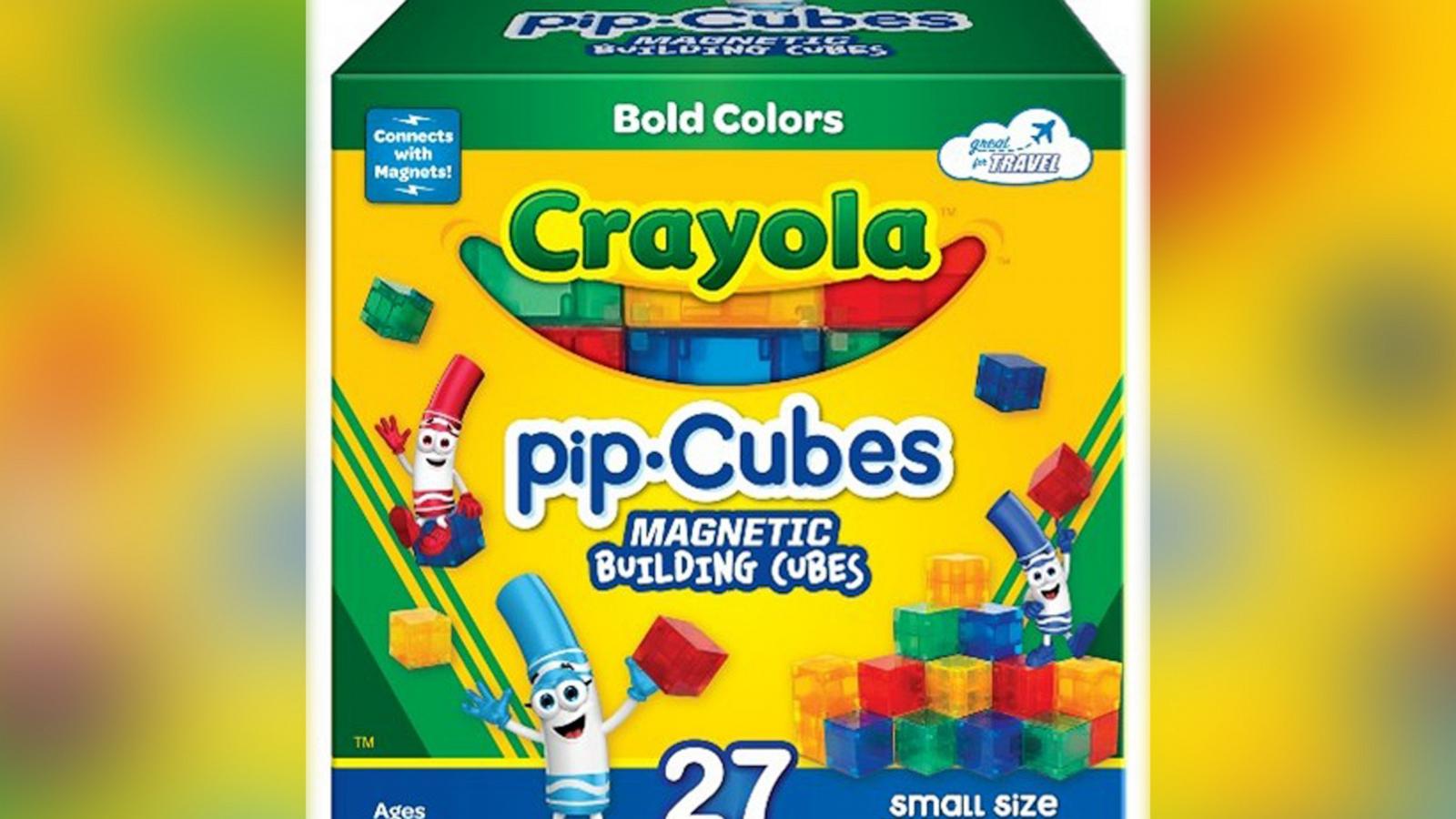
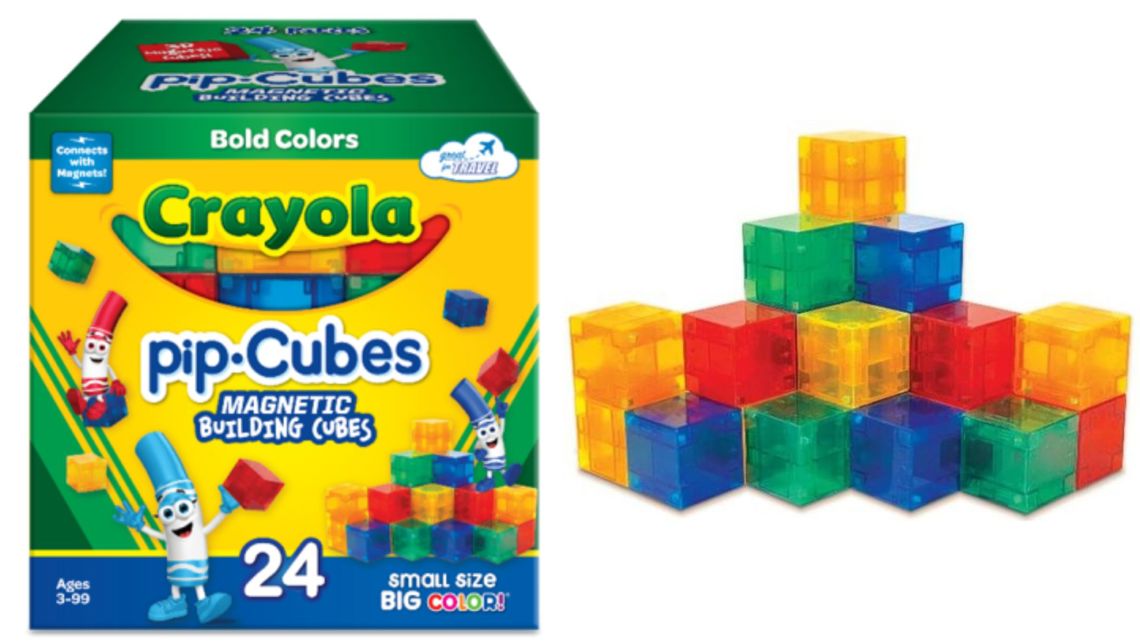
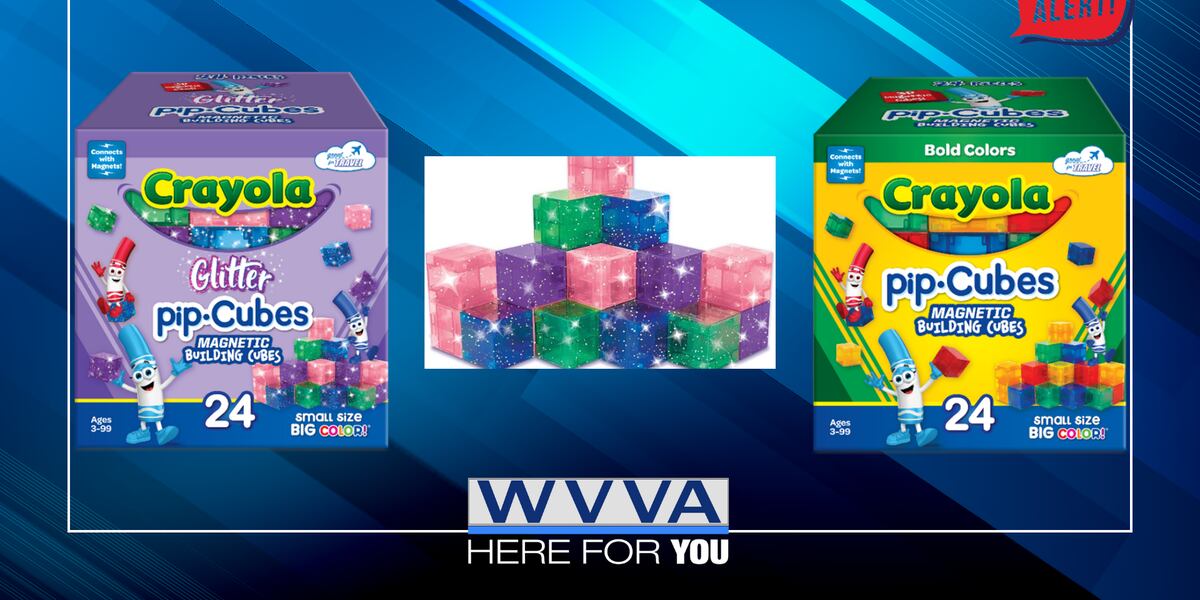
The CreateOn case represents a watershed moment in product safety enforcement. With approximately 9,400 units recalled across Bold Colors and Glitter cube sets, the incident exposes multiple layers of vulnerability. The primary risk—loose magnets that can cause severe internal injuries if ingested—highlights the razor-thin margin between compliance and catastrophic product failure. What makes this recall particularly significant is not just the immediate market impact, but the broader signal it sends to manufacturers: regulatory bodies are adopting zero-tolerance approaches to potential child safety hazards.
The strategic implications are profound. E-commerce platforms like Amazon and retail channels like Michaels are no longer passive intermediaries but active participants in product safety enforcement. The recall demonstrates that even established brands collaborating with recognized names like Crayola are not immune to rapid, comprehensive market removal. The financial and reputational stakes are enormous—a single safety violation can trigger nationwide recalls, platform delisting, and potentially devastating legal consequences.
For manufacturers and sellers, this represents both a significant threat and an emerging opportunity. Those who can rapidly develop robust quality control mechanisms and proactively address potential safety issues will gain substantial competitive advantages. The market is rapidly segmenting into two categories: companies with rigorous, anticipatory safety protocols, and those facing existential regulatory risks.
The most forward-thinking organizations will view these compliance challenges not as obstacles, but as strategic filtering mechanisms that can dramatically reduce competitive intensity. By investing in advanced testing, transparent supply chain management, and preemptive safety assessments, companies can transform regulatory complexity into a powerful market entry barrier.
Questions 3
How can manufacturers turn product safety compliance into a competitive advantage?
By developing proactive, anticipatory safety protocols that go beyond minimum regulatory requirements. Companies that invest in advanced testing, transparent supply chain management, and comprehensive quality control can transform compliance from a cost center into a strategic market entry barrier that reduces competitive intensity.
What makes the CreateOn magnetic cube recall significant beyond the immediate product removal?
The recall represents a broader shift in regulatory enforcement, signaling that e-commerce platforms and manufacturers face increasingly stringent safety standards. It demonstrates that even established brands can be rapidly removed from markets if they fail to meet evolving safety requirements, creating substantial reputational and financial risks.