




Year-End Market Volatility Signals Global Financial Recalibration
- Precious Metals and Tech Stocks Reveal Emerging Investment Landscape for Cross-Border Traders
















Overview
The final trading days of 2025 have unveiled a complex financial ecosystem marked by strategic volatility and nuanced market recalibration. On December 29, financial markets experienced a significant reshaping, with precious metals futures and technology stocks serving as critical indicators of broader economic shifts.
Silver's dramatic 8.7% single-day decline represents more than a mere price fluctuation—it signals a profound restructuring of commodity trading dynamics. The CME Group's decision to increase margin requirements for precious metals futures (silver, gold, platinum, and palladium) demonstrates a proactive risk management approach in an increasingly unpredictable global market.
The market movements reveal deeper strategic implications for cross-border traders and e-commerce sellers. Technology stocks like Oracle, Nvidia, and Tesla experienced notable declines, suggesting a potential recalibration of investor sentiment toward high-growth tech sectors. Simultaneously, U.S. oil futures rallied 2.4%, driven by ongoing geopolitical tensions involving Ukraine, Russia, and Venezuela—highlighting the intricate relationship between financial markets and geopolitical landscapes.
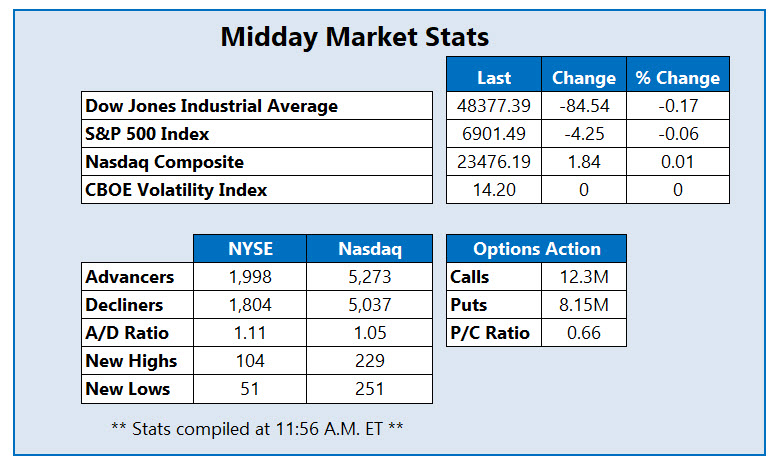
Critically, these fluctuations occur against a backdrop of global economic uncertainty. With investors awaiting Federal Reserve meeting minutes and limited corporate reporting expected, market sensitivity remains heightened. The year-end trading pattern reflects a cautious approach, with most major markets showing minimal movement as investors strategically close out positions.
For strategic operators, the key takeaway is adaptability. The volatile environment demands sophisticated risk management, with potential implications including increased operational costs, currency exchange rate volatility, and dynamic commodity pricing that could significantly impact international trade and supply chain strategies.
Questions 3
How are geopolitical tensions influencing current market dynamics?
Ongoing tensions involving Ukraine, Russia, and Venezuela are creating significant market uncertainty. The 2.4% rally in U.S. oil futures demonstrates how geopolitical events directly impact commodity pricing and investor sentiment, requiring continuous monitoring of international political developments.
How might the recent precious metals futures volatility impact cross-border e-commerce sellers?
The 8.7% decline in silver futures and increased CME Group margin requirements suggest sellers should implement robust currency hedging strategies and maintain flexible pricing models. This volatility indicates potential increased transaction costs and the need for more sophisticated financial risk management approaches.