


Digital Game Distribution Revolution: How GOG's Independence Signals a New Era of Consumer-First Platforms
- Founder-led restructuring reveals emerging digital marketplace dynamics for independent game sellers
















Overview
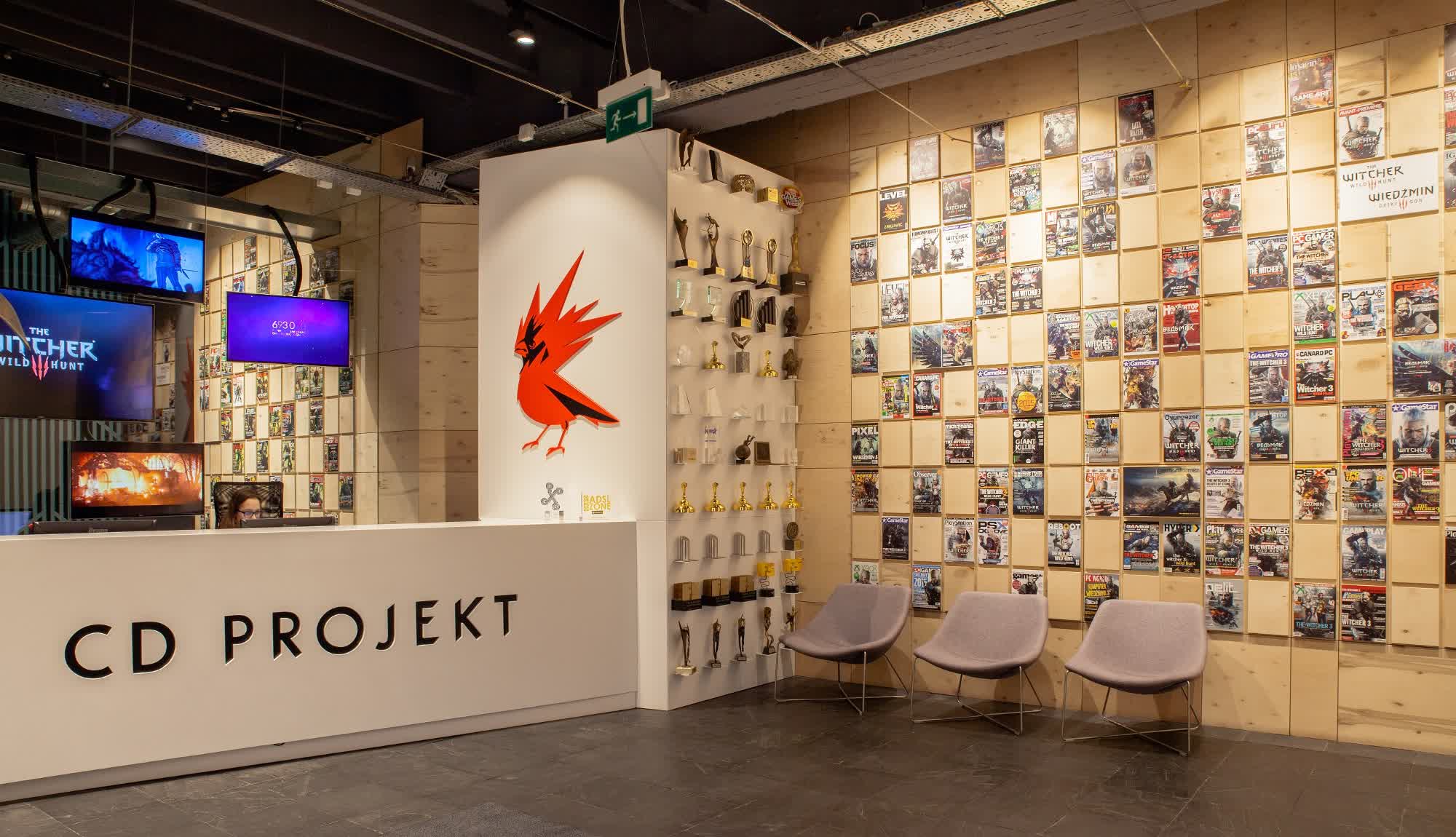
The digital game distribution landscape is experiencing a profound transformation, epitomized by GOG's strategic independence from CD Projekt. On December 29, 2025, a pivotal $25.2 million acquisition by co-founder Michał Kiciński represents more than a simple ownership transfer—it's a strategic realignment that challenges mainstream digital marketplace conventions.
Platform Independence as a Competitive Strategy emerges as the core narrative. By maintaining its commitment to DRM-free game distribution, GOG is positioning itself as a principled alternative to closed ecosystem platforms like Steam. This move signals a critical trend: digital marketplaces are no longer just transactional spaces, but platforms that compete on philosophical grounds of consumer rights and digital ownership.
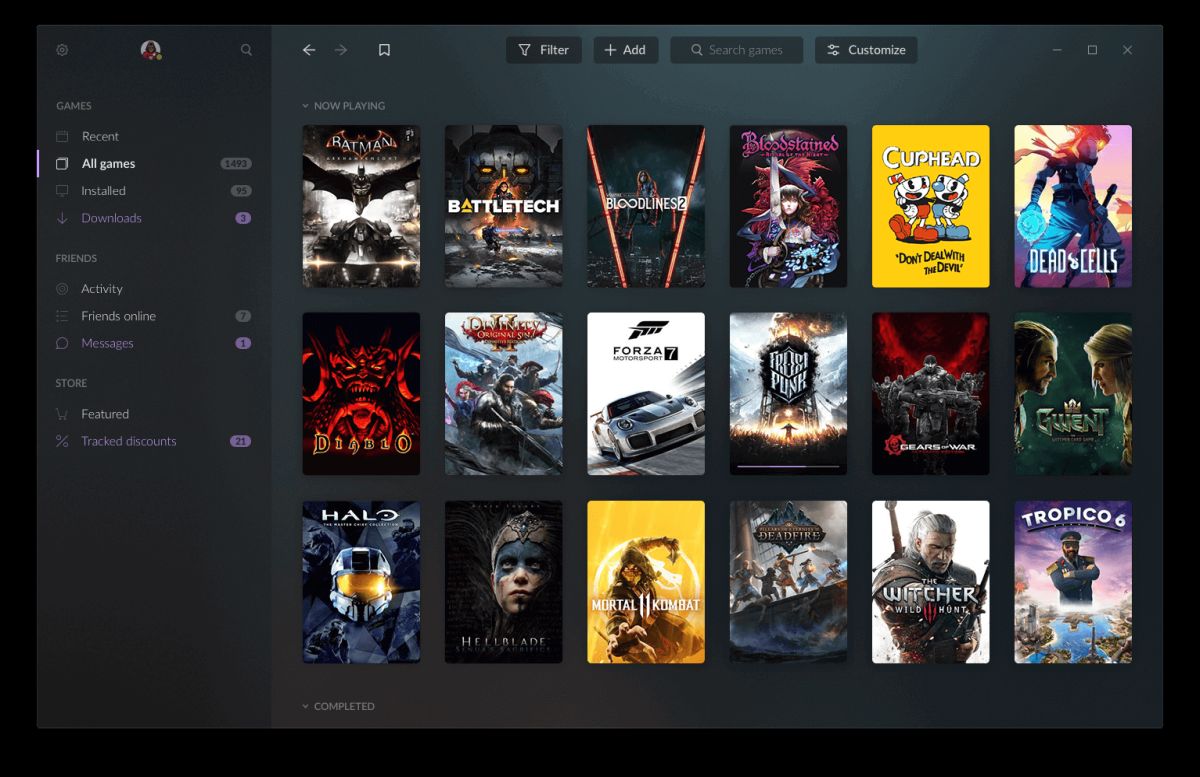
The acquisition highlights a nuanced shift in digital content distribution. Independent game developers now have a platform that prioritizes their interests, offering an environment that values game preservation and user control. Unlike mainstream platforms with restrictive digital rights management, GOG provides a marketplace where consumers truly "own" their purchased games—a revolutionary concept in an era of increasingly locked digital ecosystems.
For e-commerce sellers, this represents a significant strategic signal. The transaction suggests that niche platforms with clear value propositions can successfully compete against industry giants. By focusing on consumer-friendly policies and maintaining a distinct market positioning, platforms like GOG demonstrate that differentiation trumps scale. The digital distribution landscape is no longer about who has the most games, but who respects user autonomy and provides the most transparent, consumer-centric experience.
The broader implication extends beyond gaming: this represents a potential blueprint for digital marketplaces across industries. Platforms that prioritize user agency, offer genuine ownership, and maintain principled stances can carve out sustainable, competitive niches in increasingly homogenized digital ecosystems.
Questions 3
What are the long-term implications for digital marketplaces?
This acquisition signals a potential shift towards platforms that compete on principles of consumer rights and digital ownership, not just transaction volume. It suggests that niche, principled marketplaces can successfully challenge larger, more generalized digital distribution platforms.
What makes GOG's acquisition strategically significant?
The $25.2 million acquisition ensures GOG's independence while maintaining its core mission of DRM-free game distribution. This preserves a unique marketplace that prioritizes consumer ownership and game preservation, differentiating it from closed ecosystem platforms like Steam.