


Apple's AI Exodus: The Talent Migration Reshaping Tech's Competitive Landscape
- Strategic leadership transitions signal a critical inflection point for Apple's technological innovation

)




























:format(webp)/images/2025/12/03/older-woman-using-laptop.jpg)







Overview
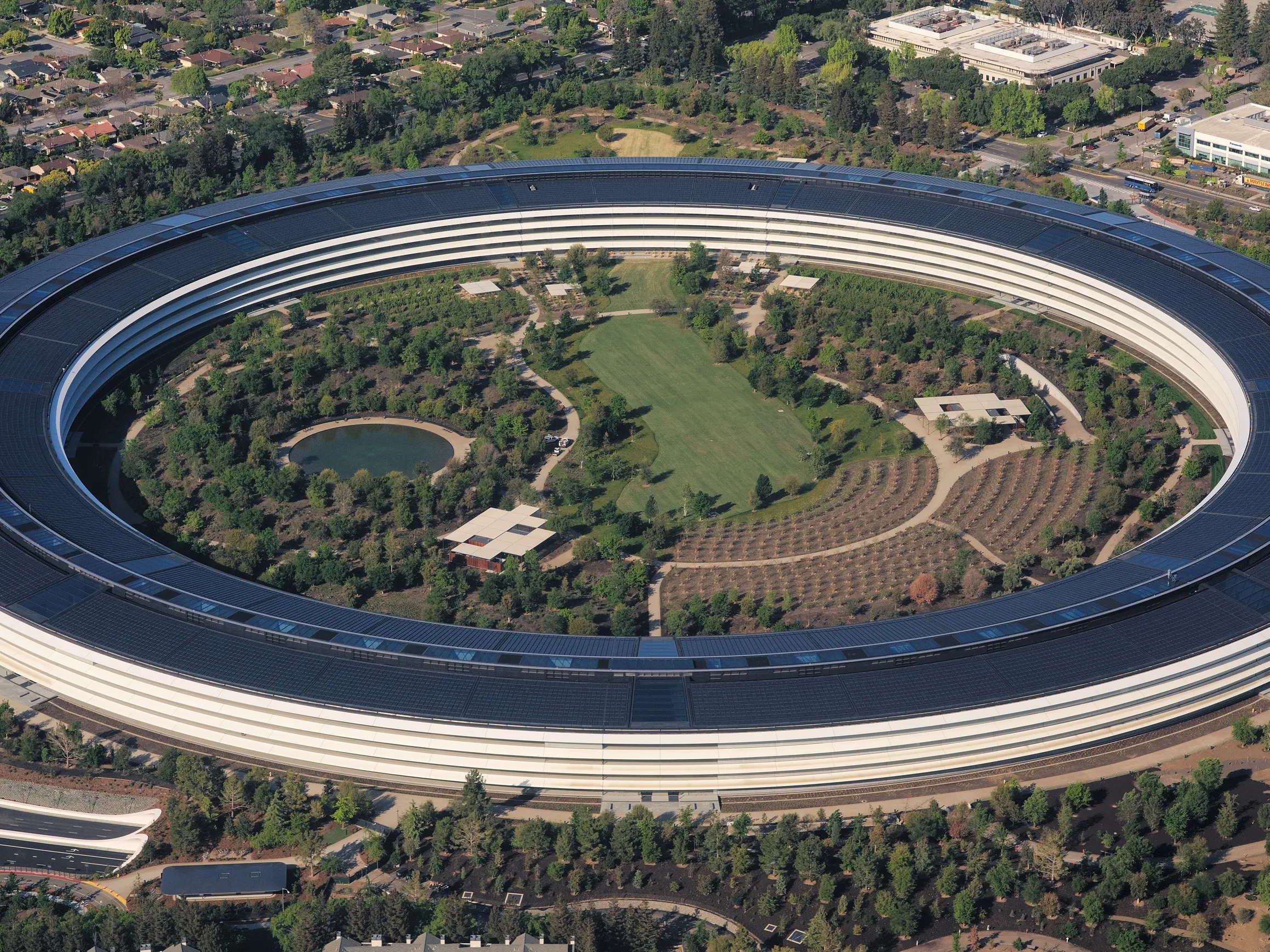
The technology ecosystem is witnessing a seismic shift as Apple experiences an unprecedented leadership transformation that exposes deeper strategic vulnerabilities in its AI and innovation approach. Multiple high-profile executive departures—including John Giannandrea from AI leadership and key design/policy leaders—reveal a company at a critical technological crossroads.
Talent migration becomes the most telling indicator of Apple's underlying challenges. The Wall Street Journal reports dozens of engineers with specialized expertise in audio, watch design, and robotics are leaving for OpenAI, which is actively building a hardware division. This exodus goes beyond routine turnover—it signals a fundamental competitive realignment in the tech landscape.
The core issue isn't just personnel changes, but Apple's apparent stagnation in artificial intelligence. Notable developments like delayed Siri upgrades, minimal AI device enhancements, and the niche performance of the Vision Pro headset underscore a growing innovation deficit. Industry analyst Dan Ives suggests these transitions might represent a necessary strategic reset, with Apple's AI strategy potentially defining CEO Tim Cook's entire legacy.
Interestingly, despite these challenges, Apple remains financially robust. iPhone 17 sales are projected to climb, and the company might even surpass Samsung in smartphone shipments for the first time since 2011. However, the talent drain suggests a deeper competitive threat: Apple risks becoming a hardware manufacturer while more agile competitors like OpenAI and Google redefine technological boundaries.
The company is attempting a strategic recalibration by recruiting new talent like Jennifer Newstead from Meta and Amar Subramanya from Microsoft. Yet the fundamental question remains: Can Apple transform its innovation approach quickly enough to maintain its technological leadership, or is it destined to become a fast-following technology implementer rather than a true innovator?
Questions 3
Why are top Apple executives leaving, and what does this mean for the company's future?
The executive exodus signals strategic challenges in Apple's AI development. Key leaders like John Giannandrea are departing amid criticism that Apple is falling behind competitors in artificial intelligence. This suggests a potential fundamental reset of Apple's technological approach, with the company needing to dramatically reimagine its innovation strategy to remain competitive.
Despite these challenges, is Apple still financially strong?
Yes, Apple remains financially robust. Projections suggest iPhone 17 sales will continue to climb, and the company might surpass Samsung in smartphone shipments for the first time since 2011. However, financial strength doesn't necessarily translate to technological leadership, especially in the rapidly evolving AI landscape.