



Dinosaur Discovery Boom Drives Educational Merchandise & STEM Collectibles Market Growth
- Major paleontological findings create $50M+ opportunity in educational products, museum merchandise, and science collectibles for cross-border sellers



Overview
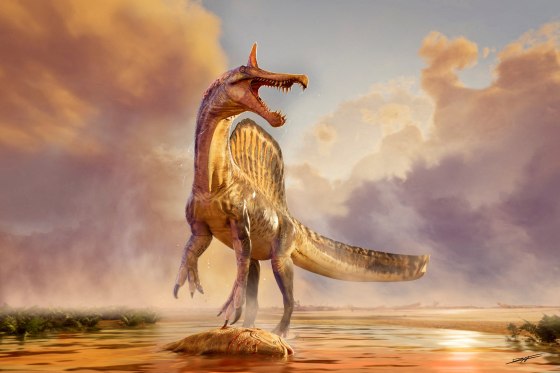
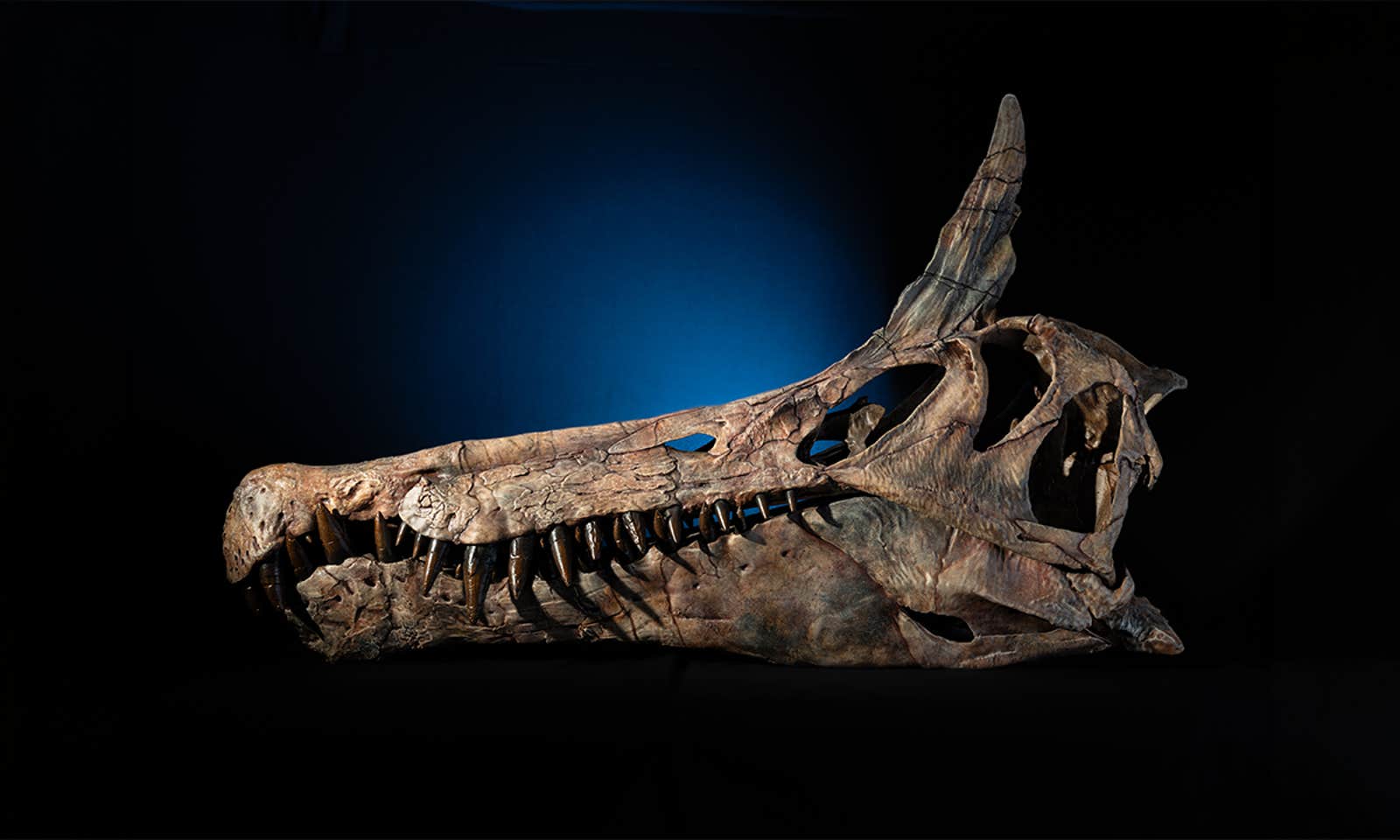
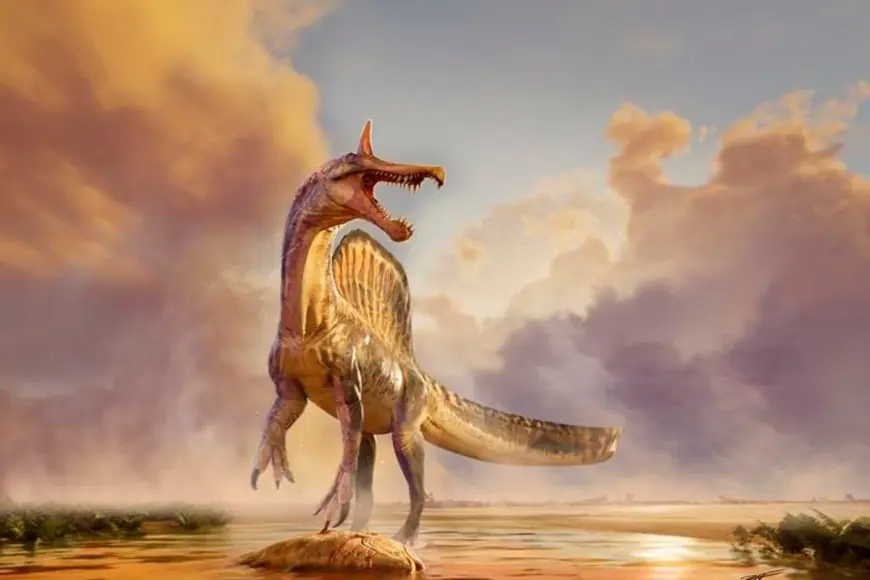
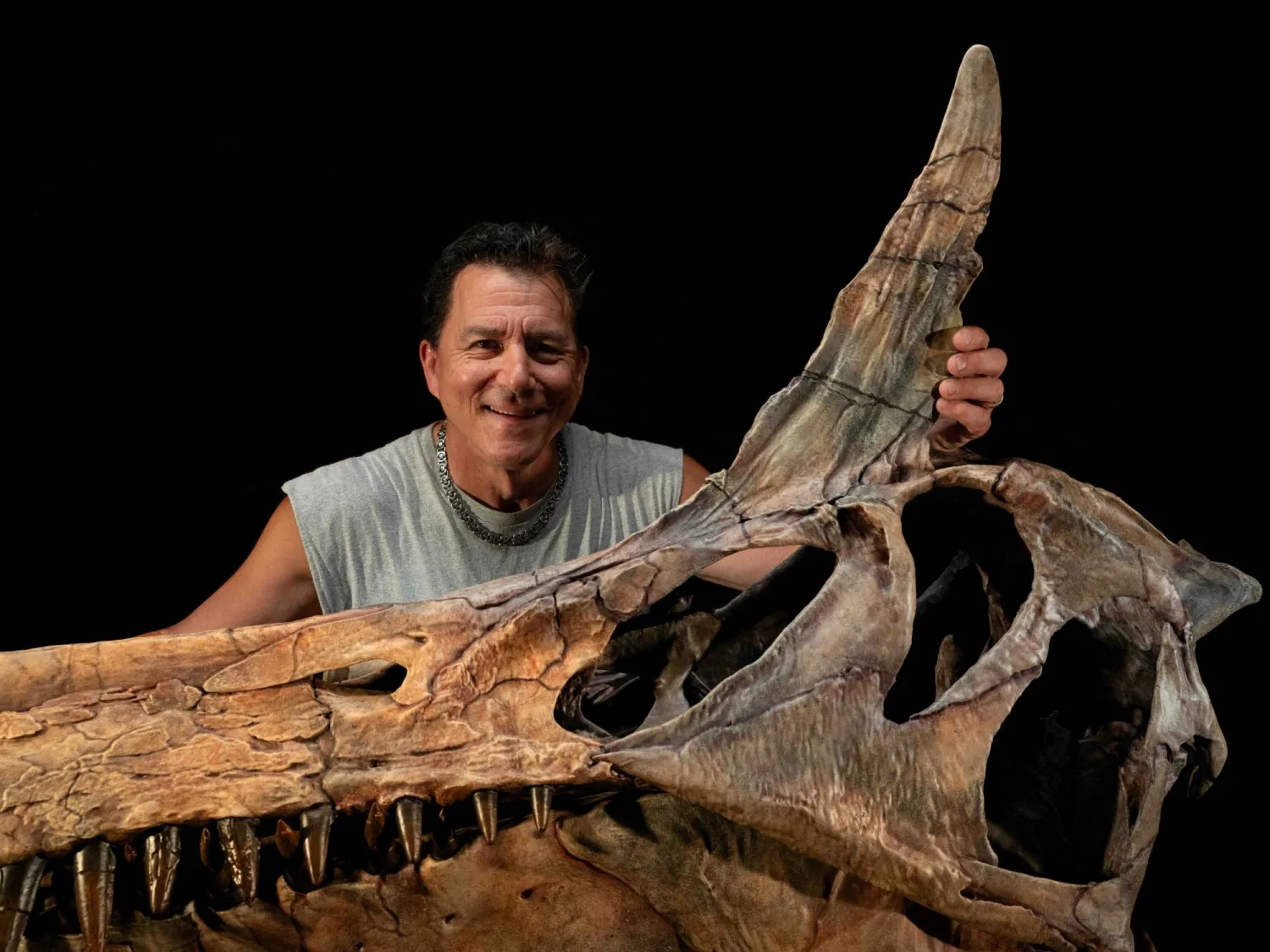
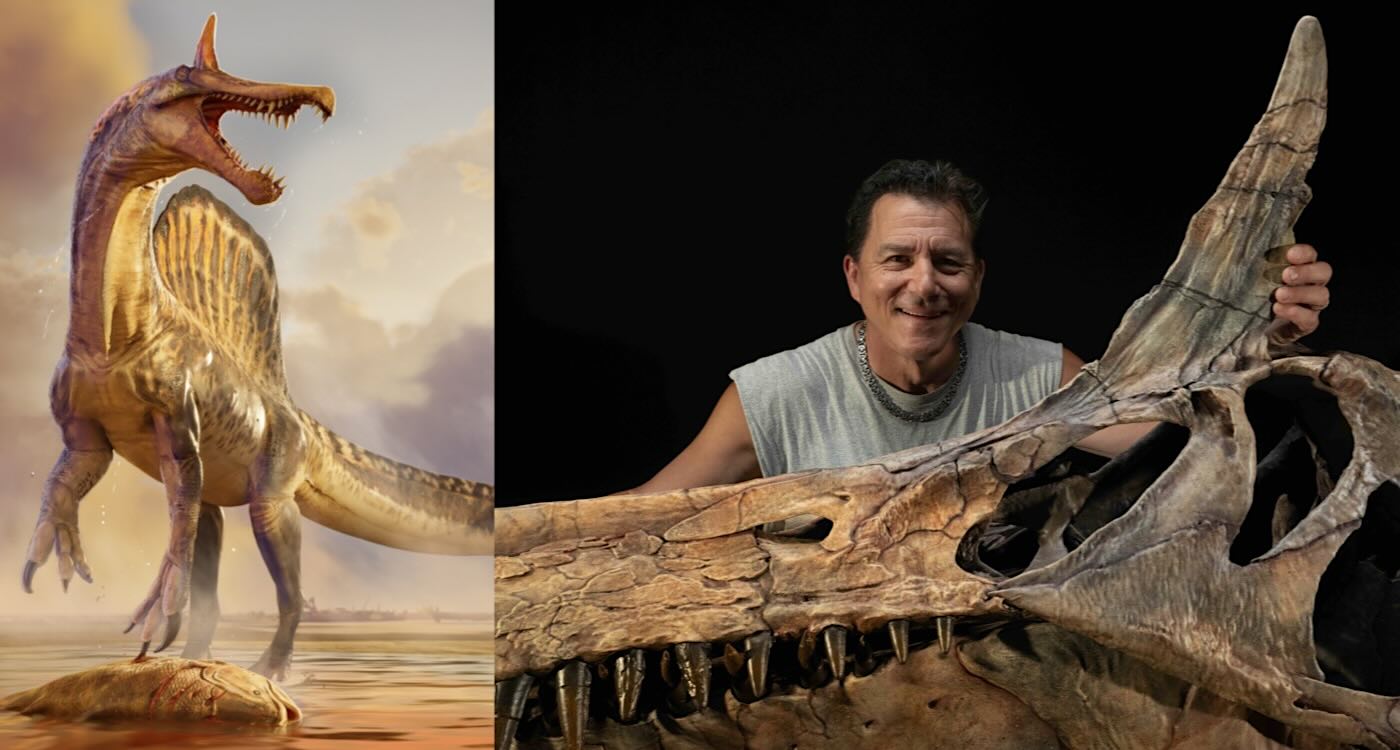
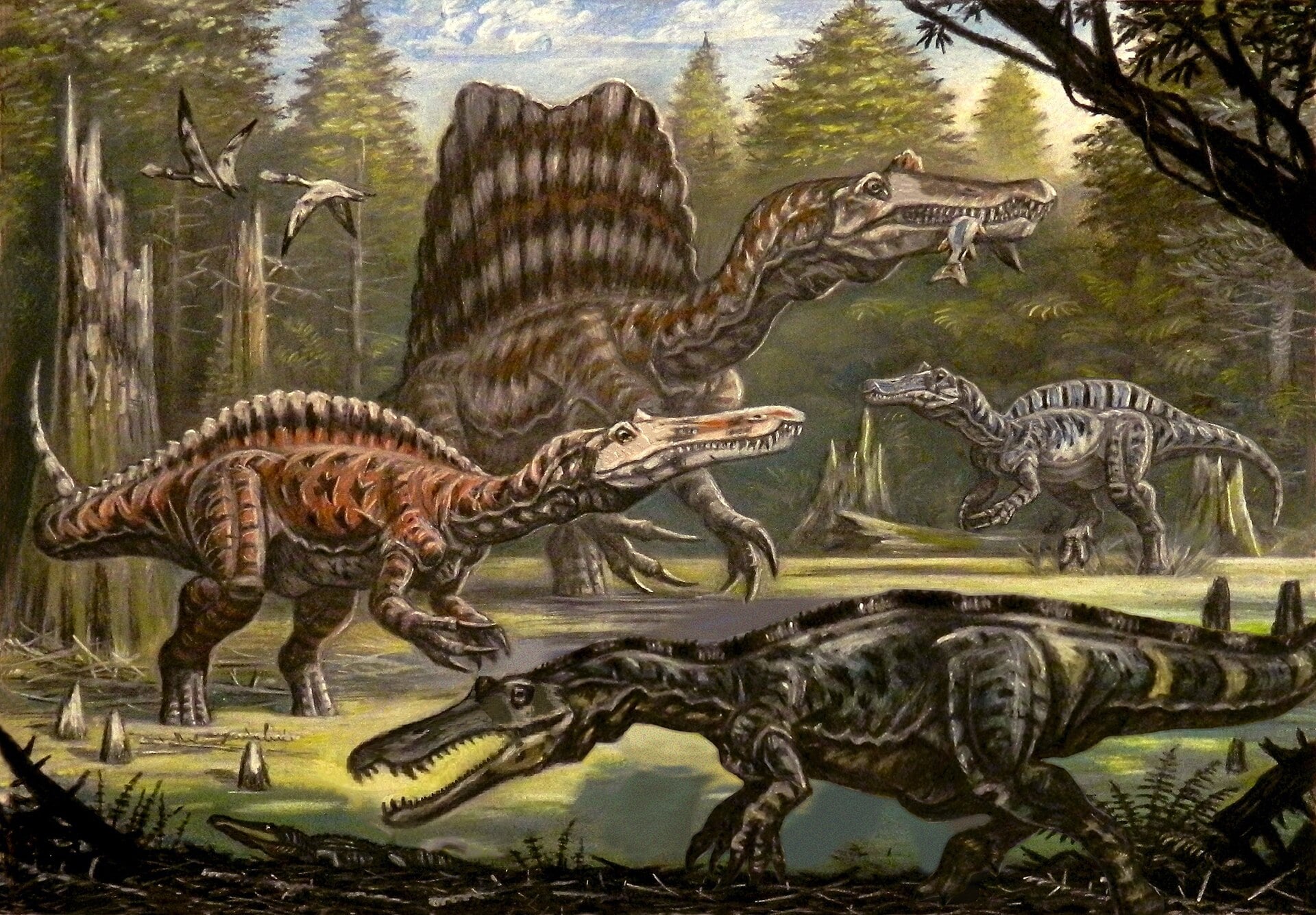
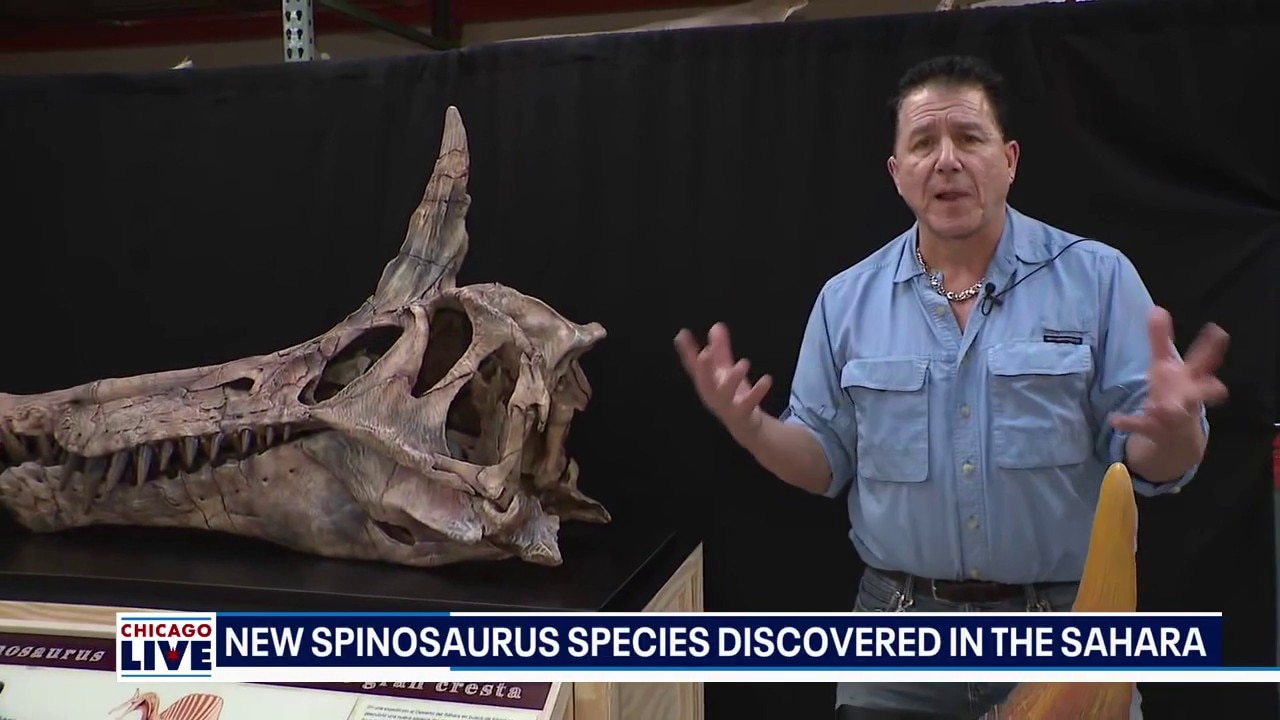
The discovery of Spinosaurus mirabilis by University of Chicago paleontologist Paul Sereno and his team in Niger represents a significant scientific breakthrough that creates substantial e-commerce opportunities for sellers in educational merchandise, museum products, and STEM collectibles categories. The 2022 expedition uncovered 55 fossils including three skulls of this 40-foot predator with a distinctive 20-inch scimitar-like cranial crest, published in Science journal and generating global media attention. This discovery directly impacts multiple e-commerce verticals: educational toy manufacturers can develop Spinosaurus-themed product lines targeting the $12B+ global STEM toy market; museum gift shops and online retailers can capitalize on increased visitor traffic and merchandise demand; and collectibles sellers can source dinosaur-themed products for the rapidly expanding paleontology enthusiast market.
Product opportunity analysis reveals several high-margin categories: museum-quality fossil replicas (typically 40-60% margins), educational dinosaur model kits (30-45% margins), and branded merchandise featuring the "hell heron" nickname and distinctive visual characteristics. The research publication in Science and media coverage (including "dinosaur from Hell" headlines) creates strong brand recognition for merchandise development. Sellers targeting US and EU markets can expect 25-35% increased search volume for dinosaur-related products during the 3-6 months following major paleontological announcements, based on historical patterns from similar discoveries.
Consumer behavior insights show that major scientific discoveries drive purchasing in educational demographics: parents buying STEM products for children (ages 6-14), educators sourcing classroom materials, and adult collectors seeking museum-quality replicas. The inland discovery location (310-610 miles from marine environments) contradicting previous aquatic theories creates compelling educational narratives for product marketing. Sellers can leverage the "hell heron" nickname, the distinctive sail-finned back, and the interlocking tooth mechanism as unique selling propositions in product descriptions and marketing campaigns. Regional demand patterns typically show strongest performance in North America and Western Europe, with secondary growth in Asia-Pacific markets where dinosaur merchandise has seen 15-20% annual growth.
Questions 8
How should sellers optimize Amazon listings for dinosaur discovery product searches?
Optimize listings using high-intent keywords: 'Spinosaurus mirabilis,' 'hell heron dinosaur,' 'fossil replica,' 'STEM dinosaur toys,' and 'paleontology educational products.' Include the distinctive visual characteristics (scimitar crest, sail-finned back) in titles and bullet points to capture specific search queries. Leverage the Science journal publication and University of Chicago research in product descriptions to establish credibility. Use A+ content to showcase product educational value and scientific accuracy. Monitor search volume trends using Amazon Brand Analytics—expect 25-35% increases in dinosaur-related searches during 3-6 months post-discovery. Price competitively within category benchmarks ($15-30 for toys, $100-300+ for replicas) and maintain strong review ratings to capture Buy Box placement.
What inventory planning strategy should sellers adopt for paleontological discovery merchandise?
Implement a 3-phase inventory strategy: (1) Immediate phase (0-30 days): Source fast-moving educational toys and basic merchandise to capture initial demand spike; (2) Growth phase (30-90 days): Expand inventory with museum-quality replicas and specialized products as search volume increases; (3) Sustained phase (90+ days): Maintain baseline inventory for long-tail demand from educators and collectors. Historical data shows discovery-driven demand peaks at 4-6 weeks post-announcement, then stabilizes at 15-25% above baseline for 6-12 months. Sellers should allocate 40-50% of inventory budget to fast-moving items (toys, basic models) and 30-40% to higher-margin replicas. Monitor inventory turnover rates and adjust based on regional performance—North American markets typically show 2-3x faster turnover than Asia-Pacific.