


Google Reimagines App Installation with Material 3 Design Revolution
- Signals a strategic UI transformation impacting Android app ecosystem and user experience













Overview
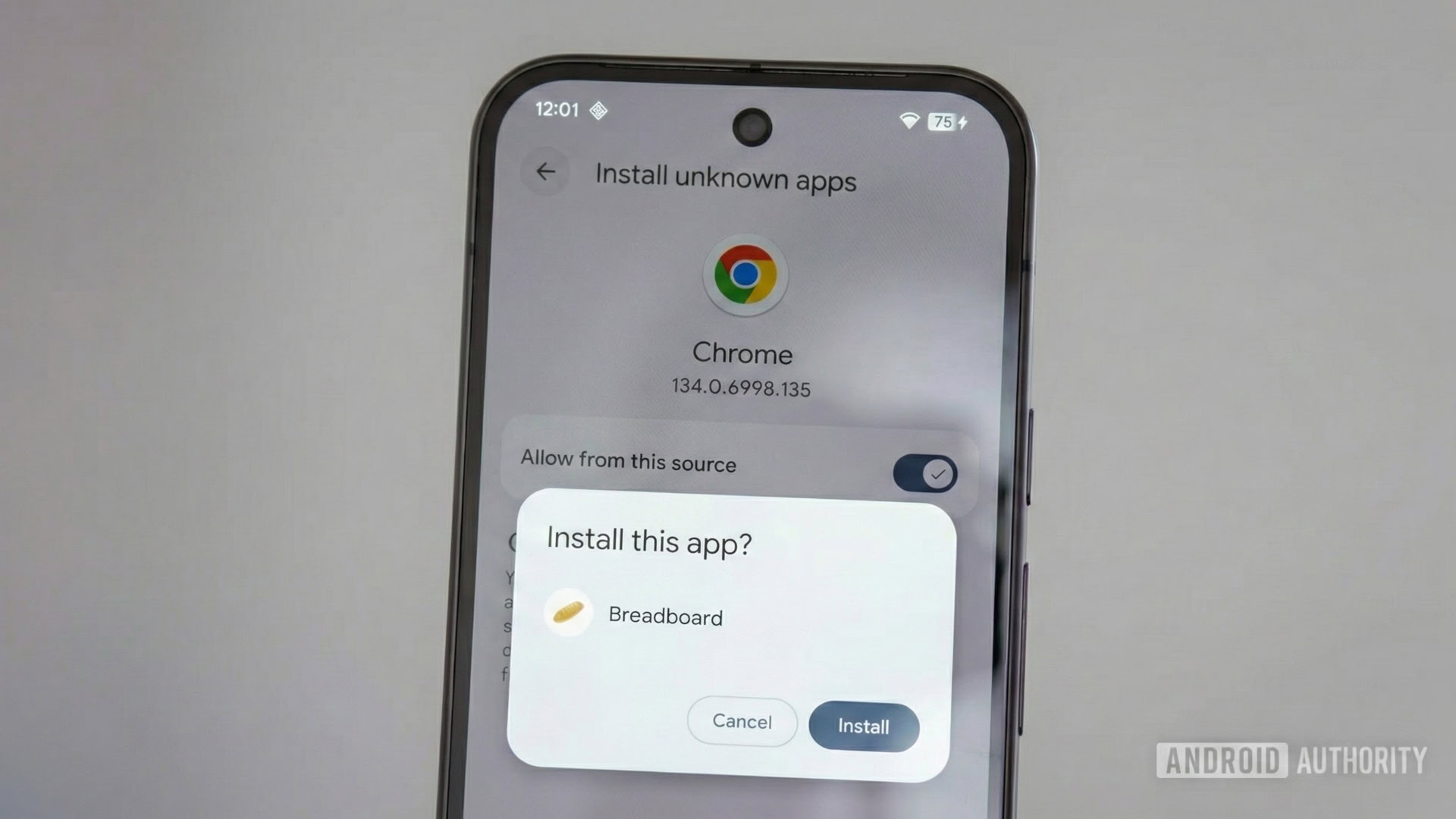
User interface design is entering a new era of intentional, action-focused experiences, as demonstrated by Google's latest Android 16 QPR2 update to the Package Installer UI. This isn't just a cosmetic refresh—it's a calculated move to streamline and humanize the app installation process for sideloaded applications.
The UI redesign represents a sophisticated approach to user interaction and visual communication. By centering the app name and icon, implementing distinct button styles (Filled and Elevated), and updating the progress indicator, Google is making the installation process more intuitive and transparent. The Material 3 Expressive design language signals a deeper commitment to creating interfaces that guide users more naturally through digital interactions.
Critically, this update requires a full OS update, highlighting the strategic importance of the design changes. Unlike previous incremental updates that could be rolled out through Google Play System Updates, this redesign demands a more comprehensive approach. This suggests that Google views the app installation experience as a critical touchpoint in the user journey, worthy of a holistic reimagining.
The implications extend beyond mere aesthetics. For developers and app creators, this signals a growing emphasis on user experience as a competitive differentiator. The centered, action-focused dialog layout demonstrates Google's understanding that every interaction—even something as mundane as installing an app—is an opportunity to create a positive, engaging moment.
From an AI and automation perspective, this update reveals fascinating trends in interface design. It shows how intelligent design can simplify complex processes, making technology more accessible and less intimidating for users. The move suggests a future where UI adapts dynamically to user needs, creating more intuitive and context-aware digital experiences.
Questions 3
How does this UI update impact app developers?
Developers must now consider how their apps integrate with this new, more design-conscious installation interface. The update signals that user experience is becoming a critical differentiator, pushing developers to think more holistically about every touchpoint in the user journey, including the installation process itself.
Why does this update require a full OS update?
Unlike previous UI modifications that could be implemented through Google Play System Updates, this redesign represents a more comprehensive change to the user interaction model. The full OS update indicates the strategic importance Google places on creating a more seamless, intuitive app installation experience.