


NFL Drama Unfolds: Player Criticism and Championship Tensions Reveal Deeper Sports Dynamics
- Emerging athlete communication patterns and media interaction reshape professional sports narratives











.jpg?w=3800&h=2000)







.jpg?w=3800&h=2000)


Overview
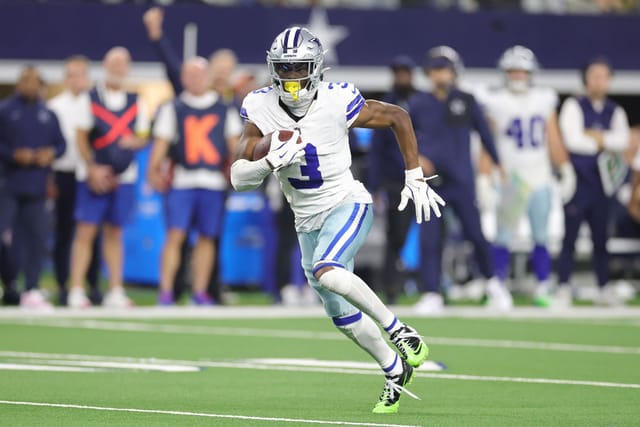
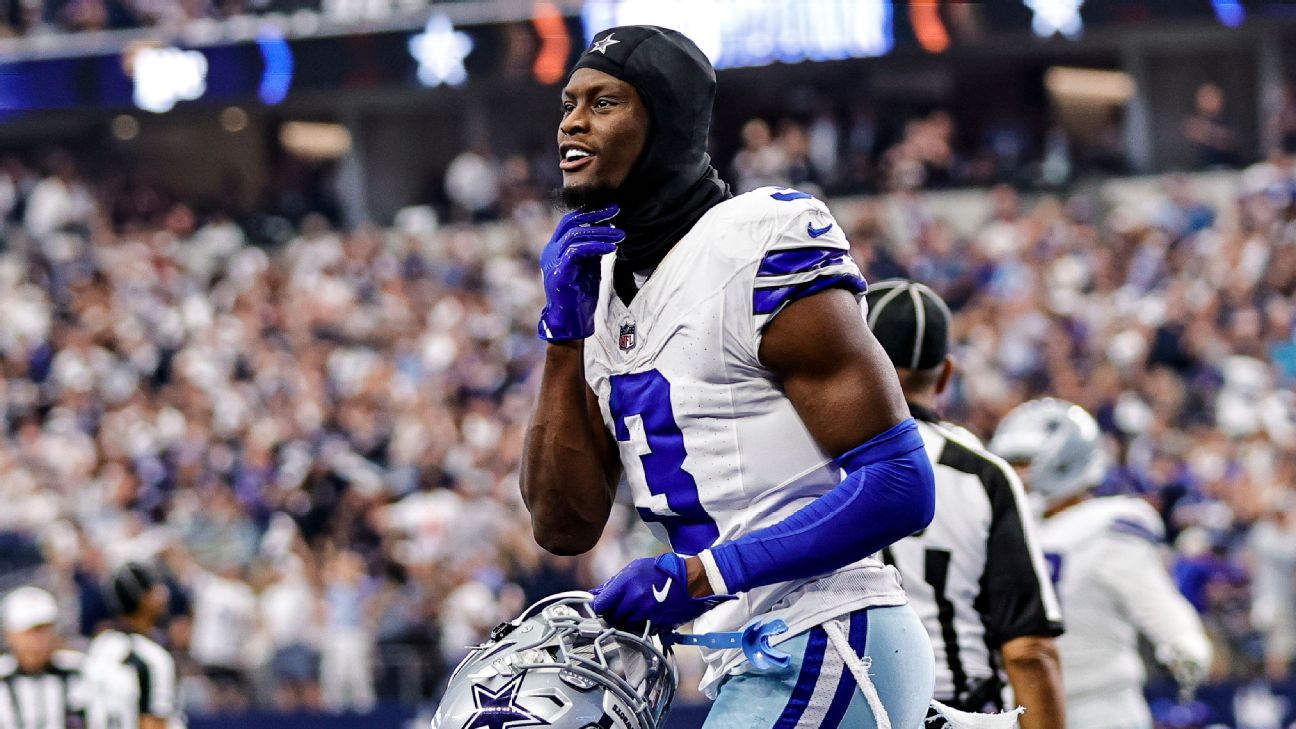
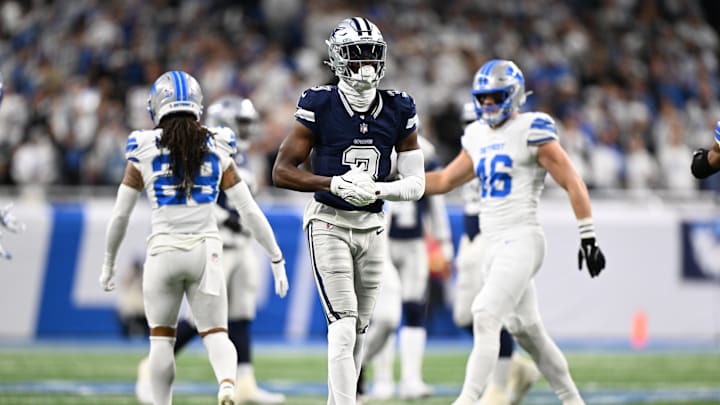
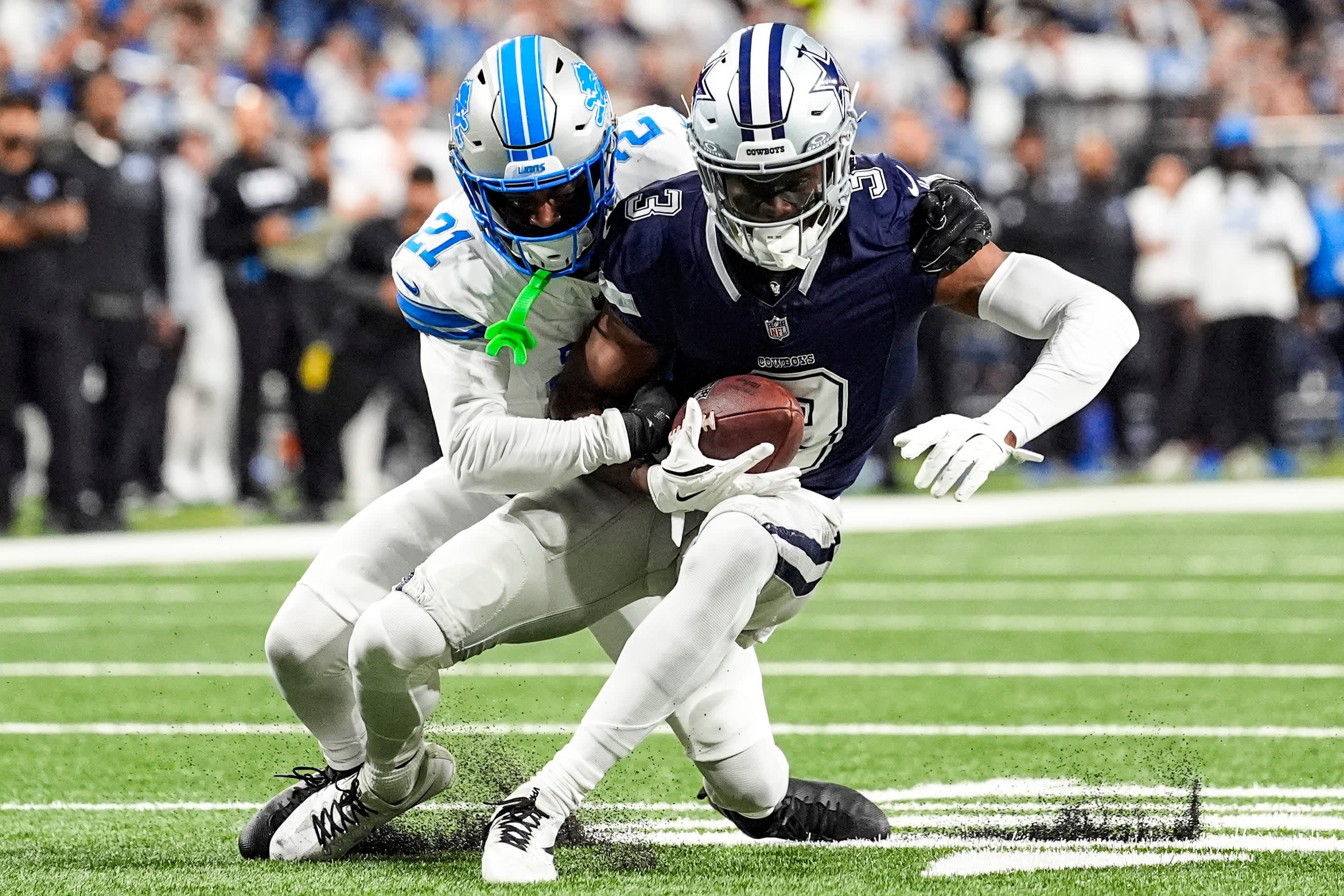
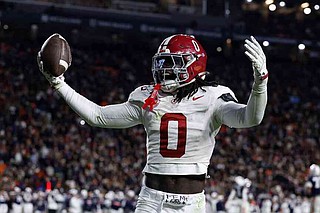
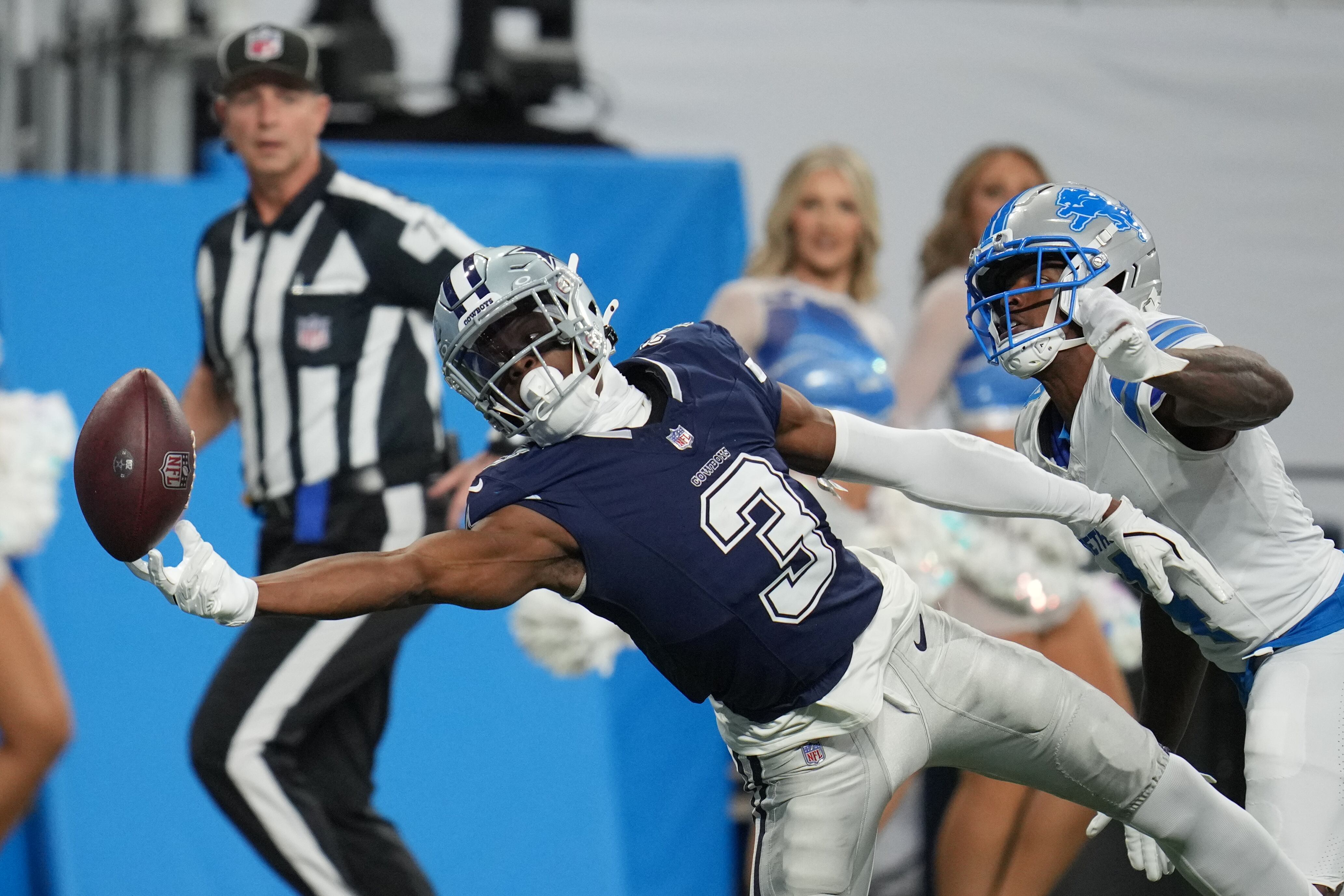
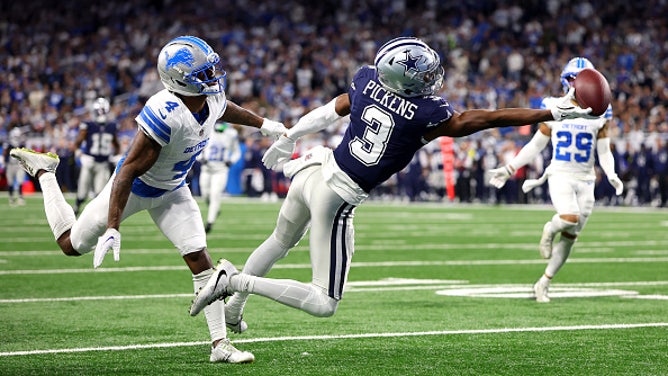
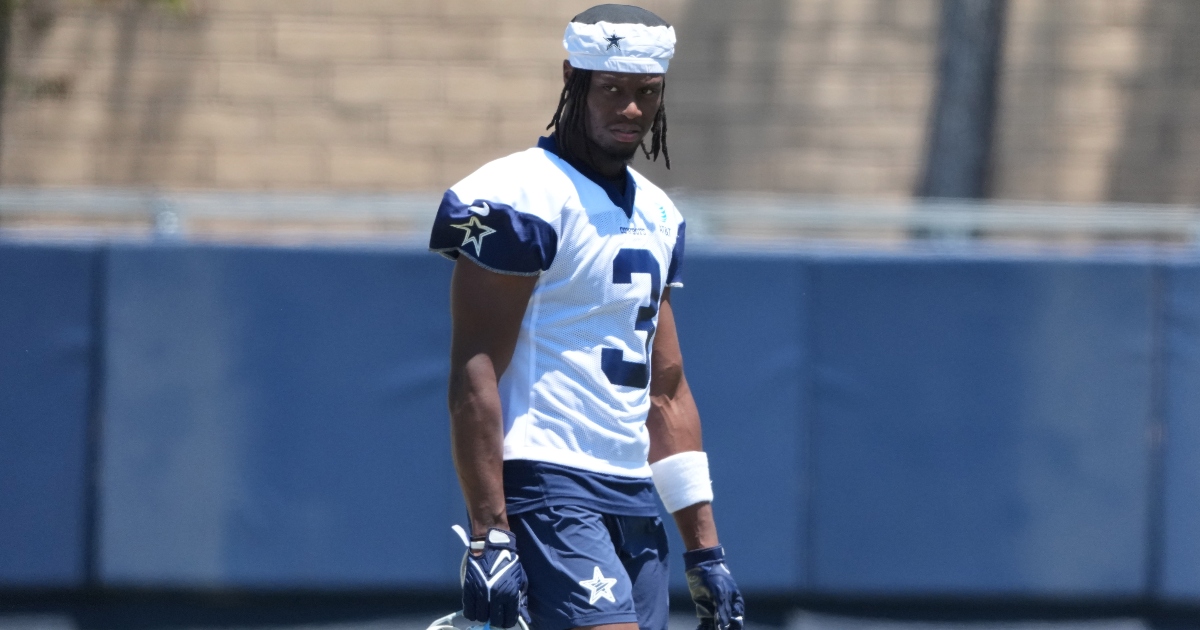
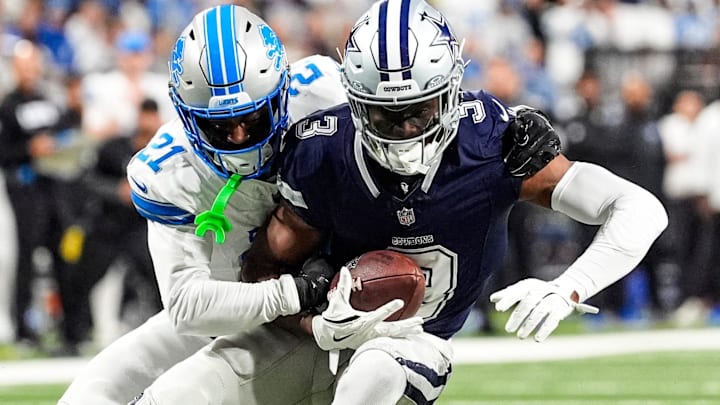
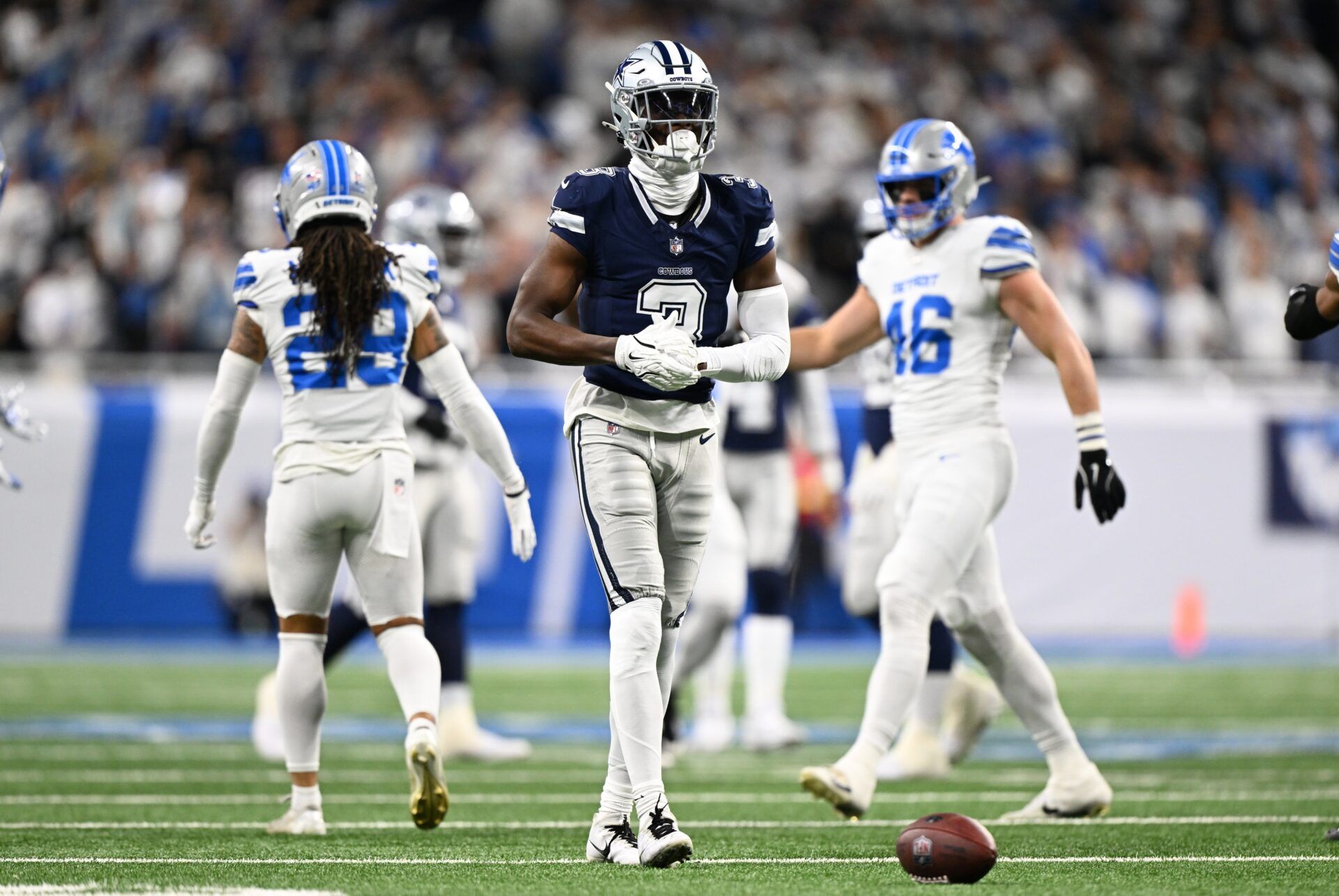
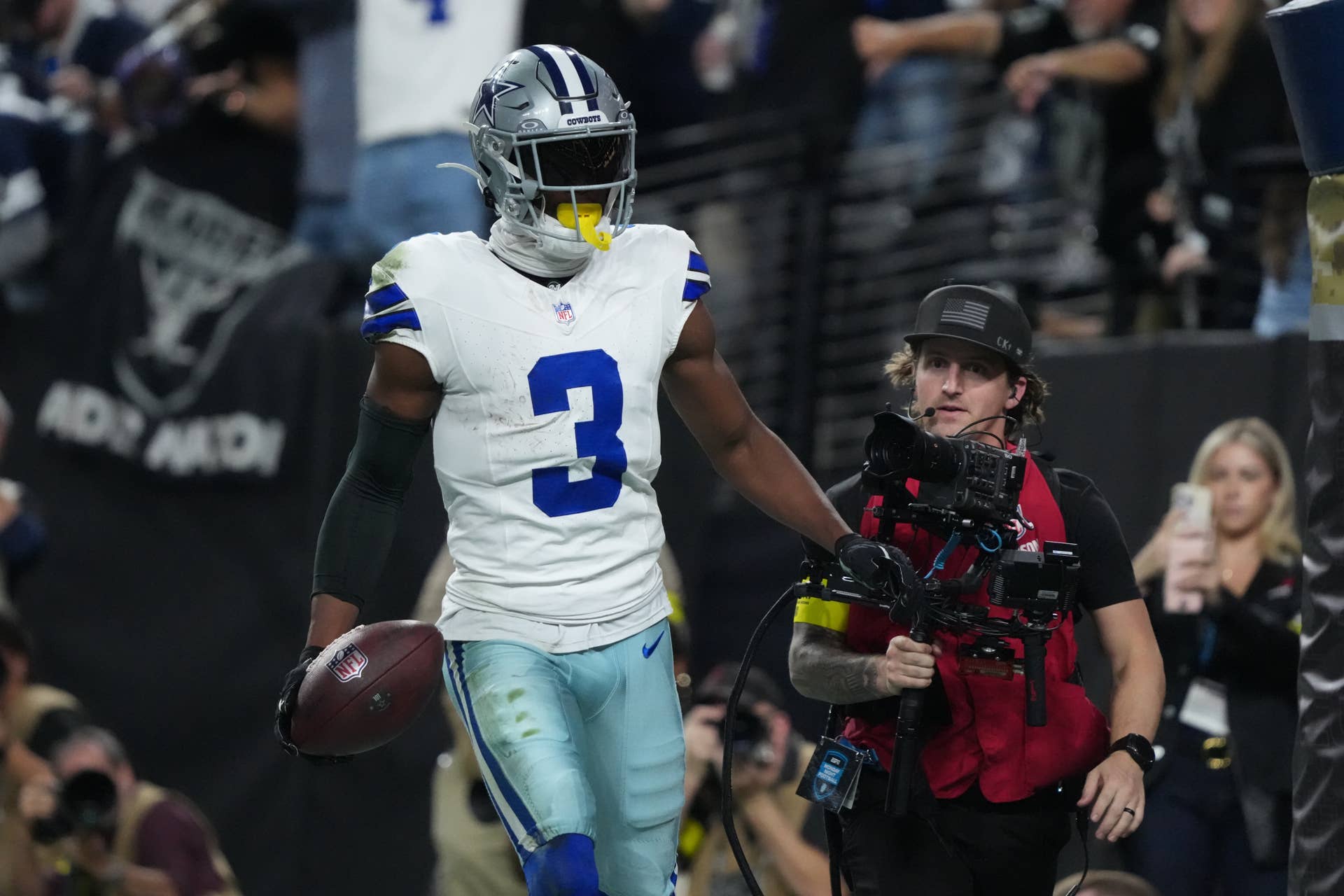
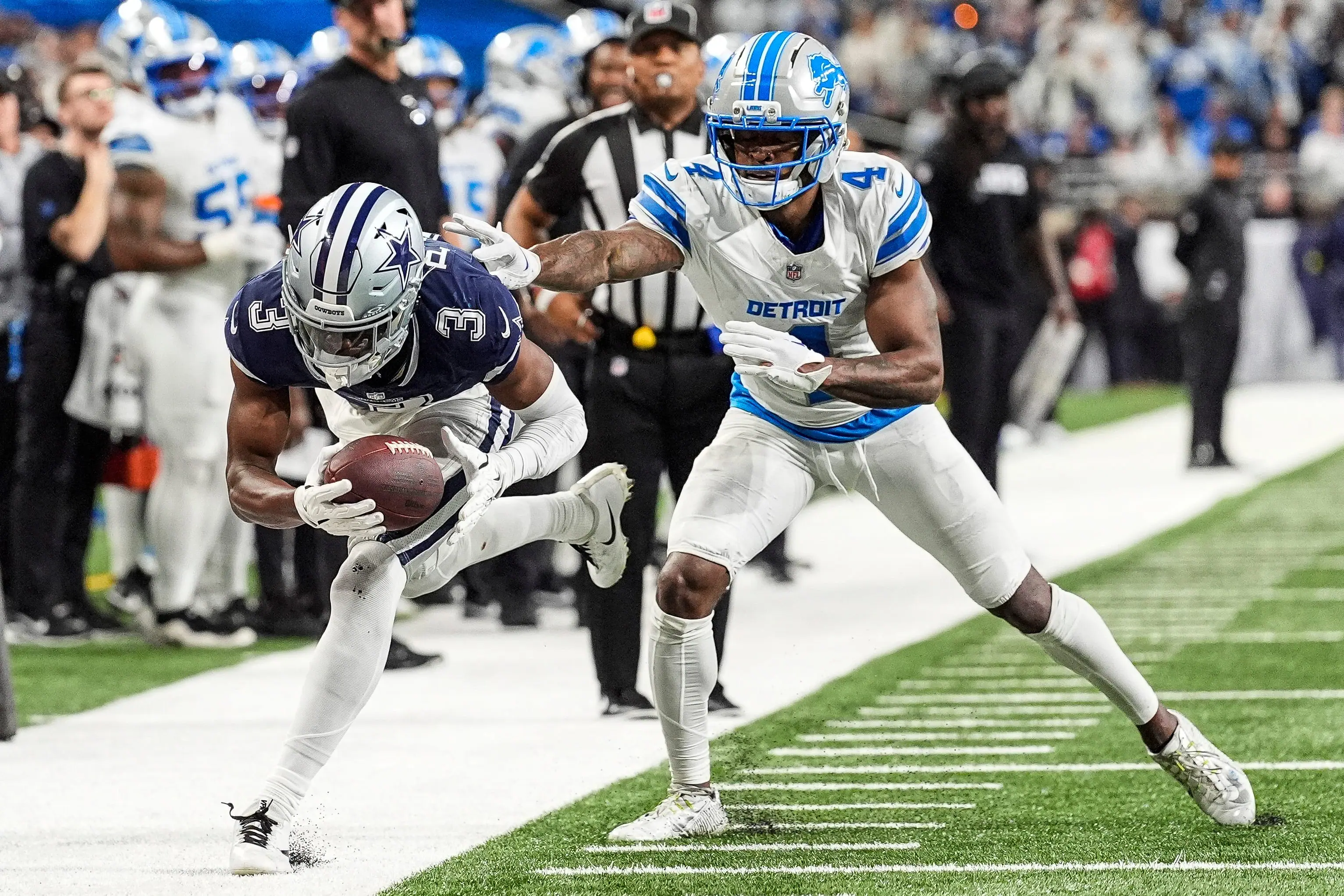
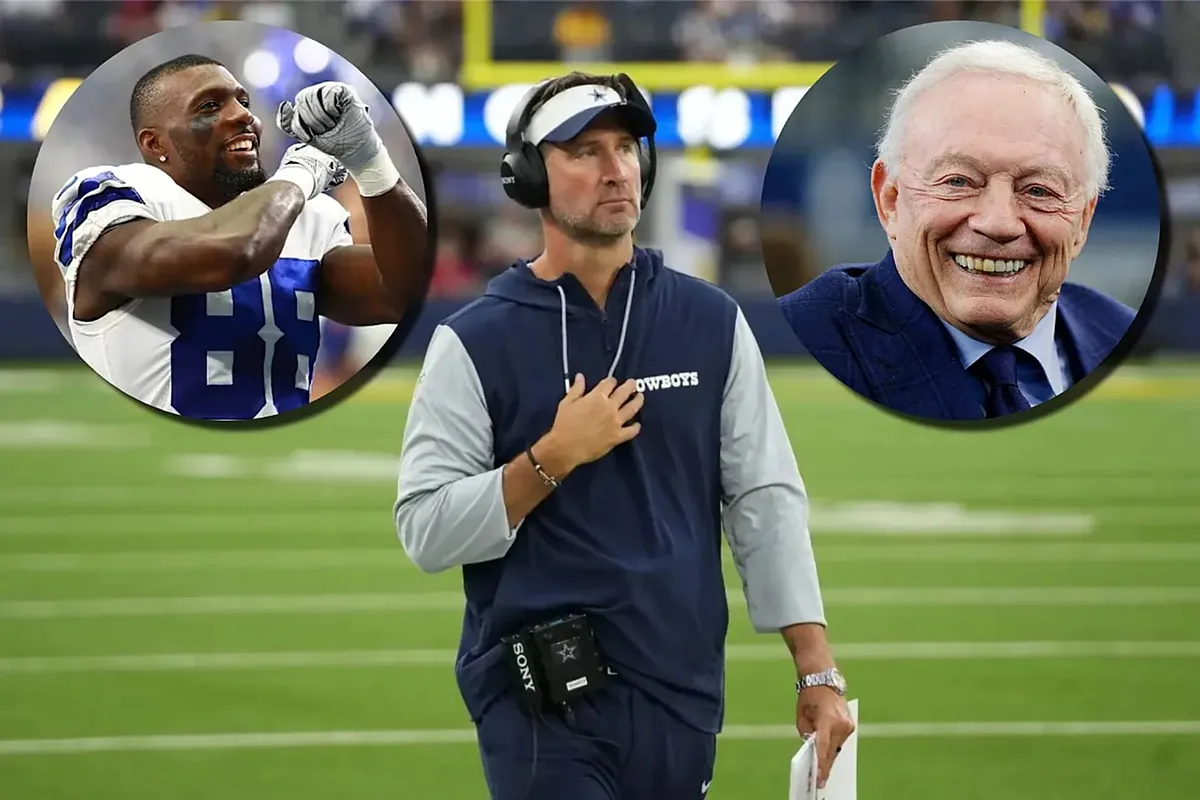
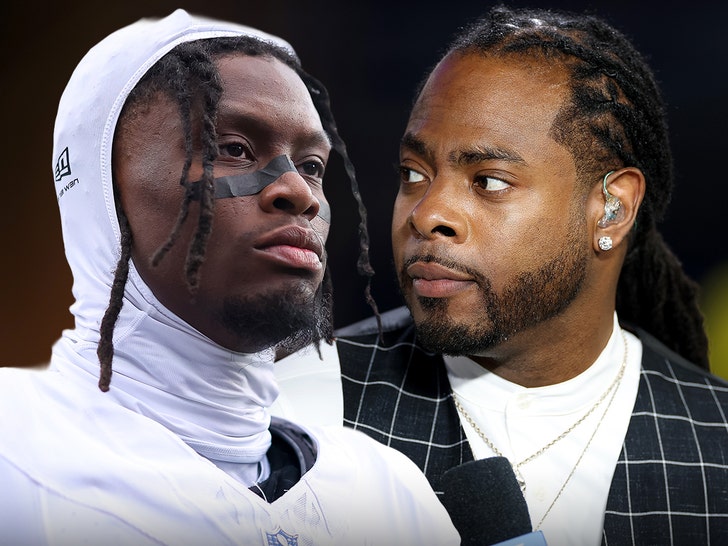
The recent sports news cycle reveals a complex landscape of professional athlete interactions and media dynamics that extend far beyond simple game performance. At the center of this narrative is George Pickens, an NFL wide receiver whose response to criticism from Richard Sherman highlights the evolving nature of player-to-player and player-to-media relationships.
Athlete Communication Dynamics are undergoing a significant transformation. Pickens' direct and unfiltered response to Sherman's critique demonstrates a new era of athlete empowerment and immediate public engagement. This isn't just about a single interaction, but represents a broader shift in how professional athletes manage their public personas and respond to external criticism.
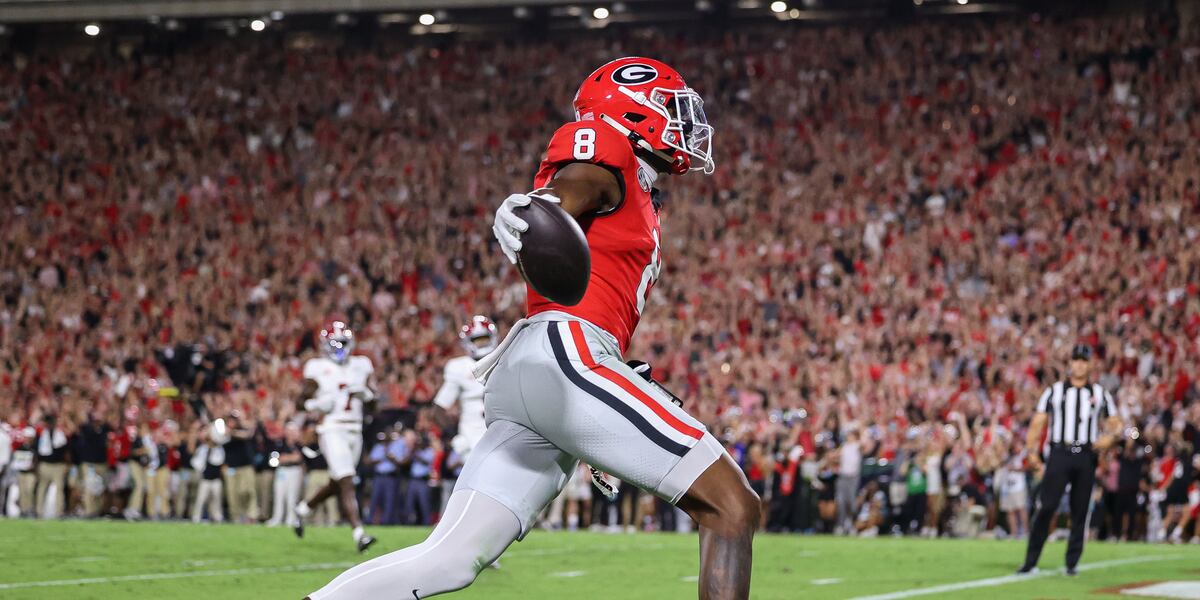
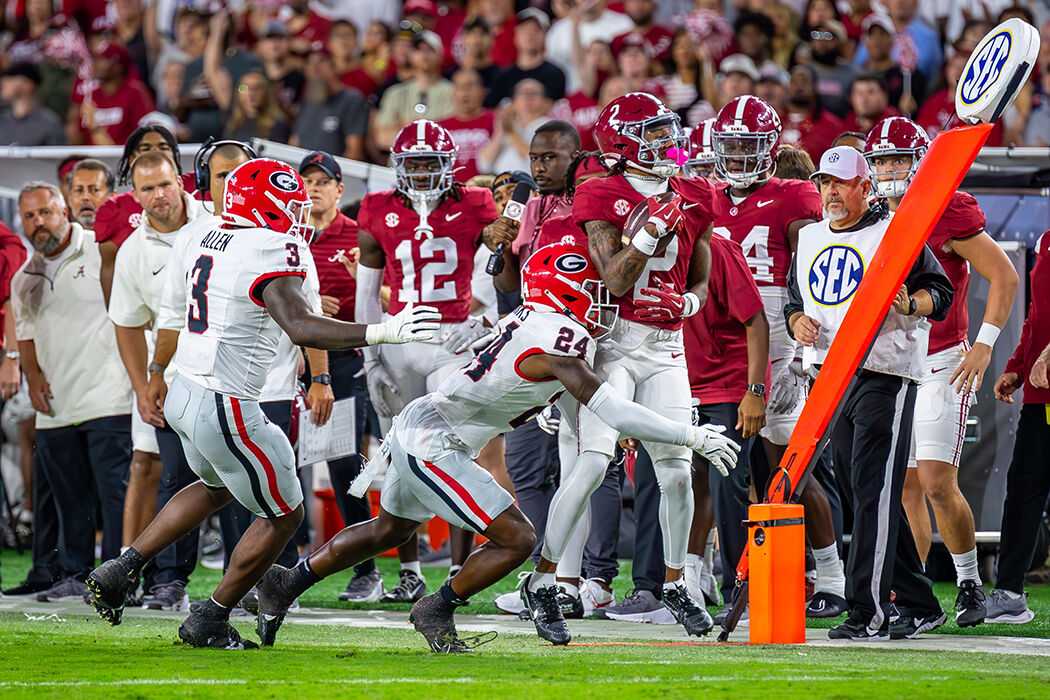
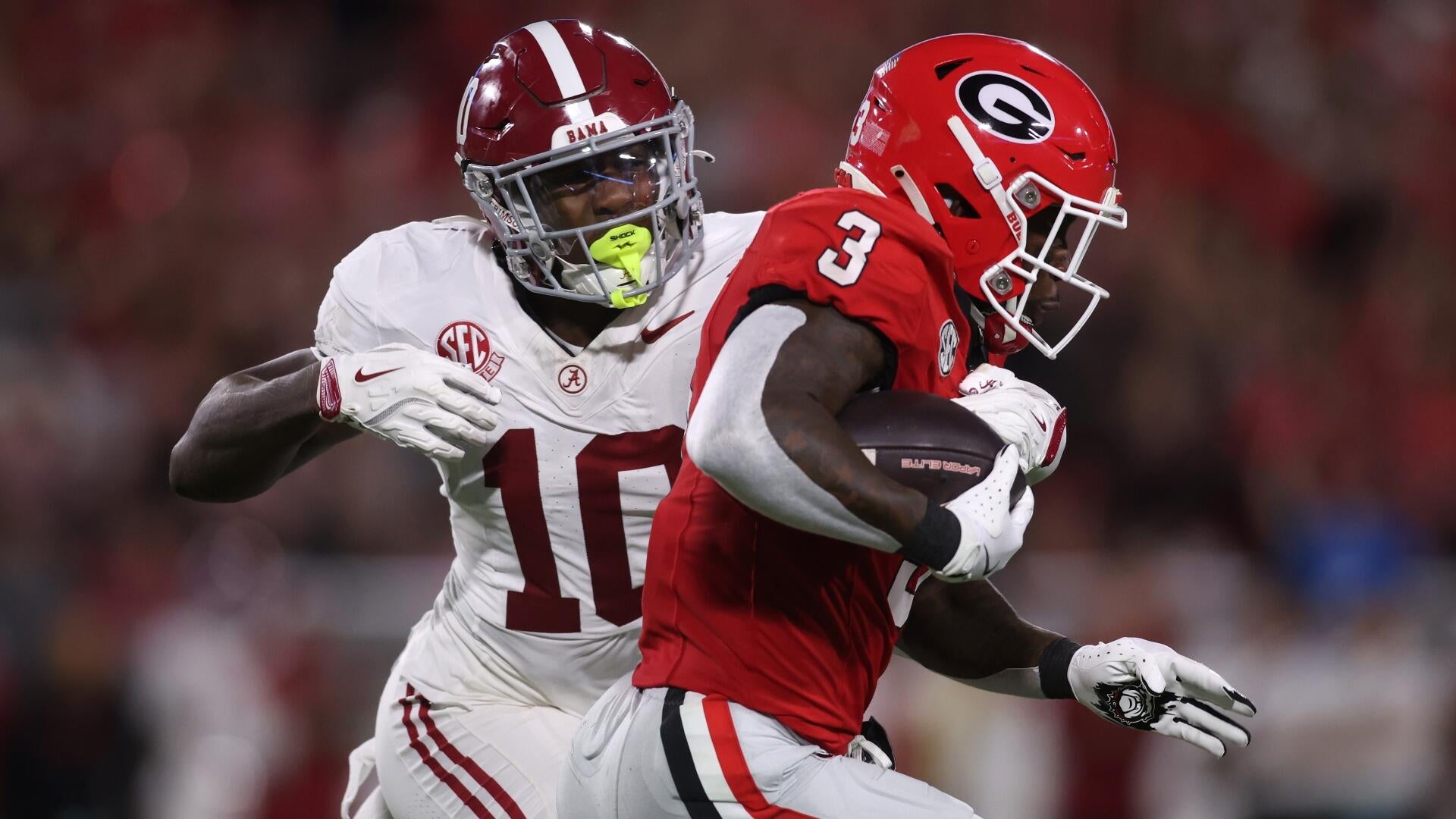
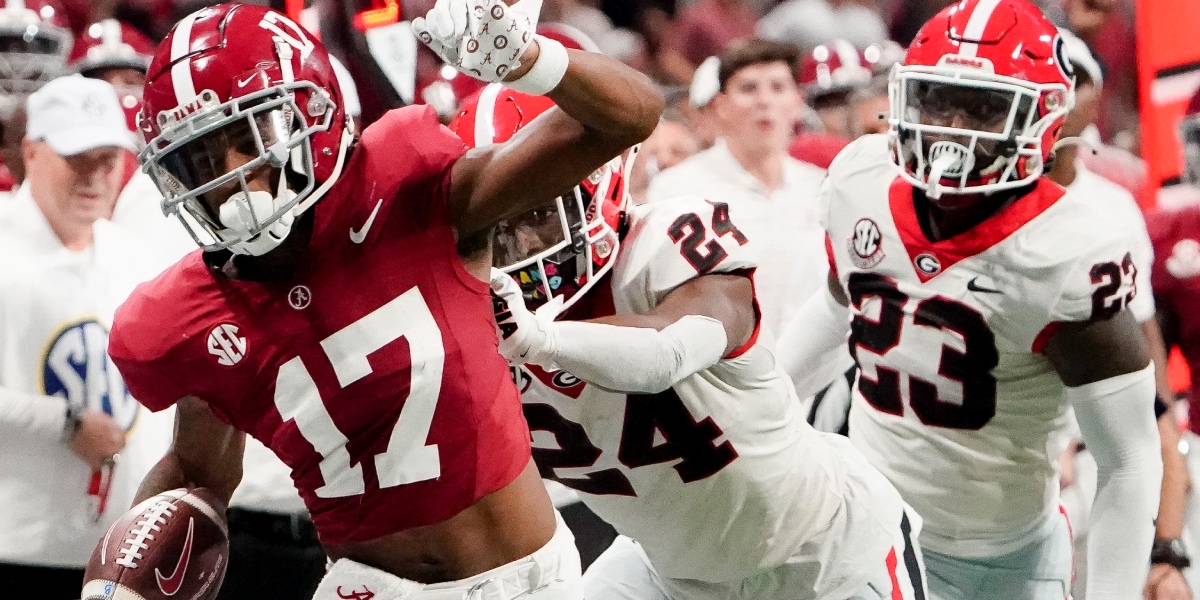
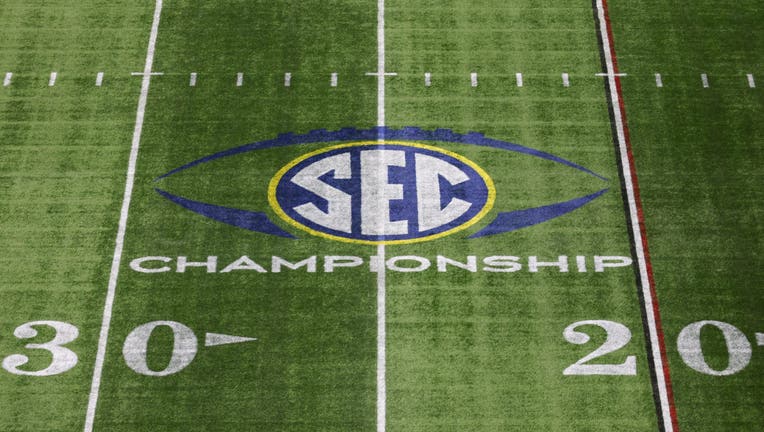
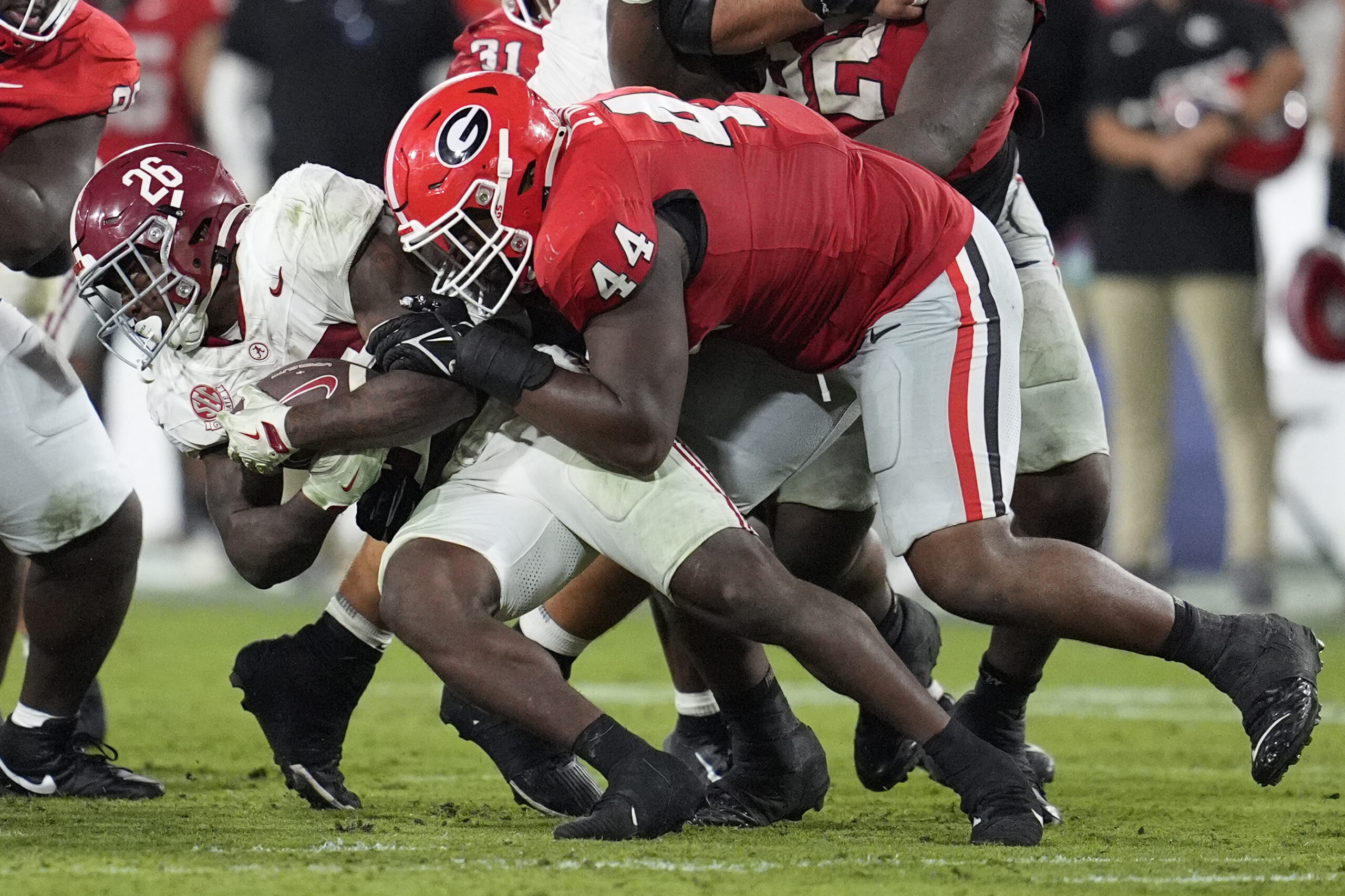
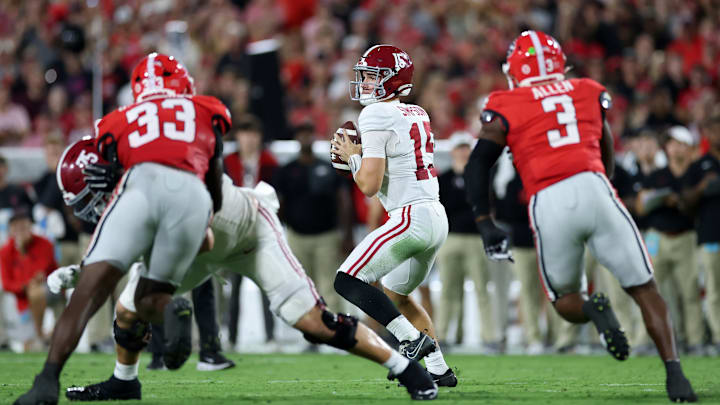
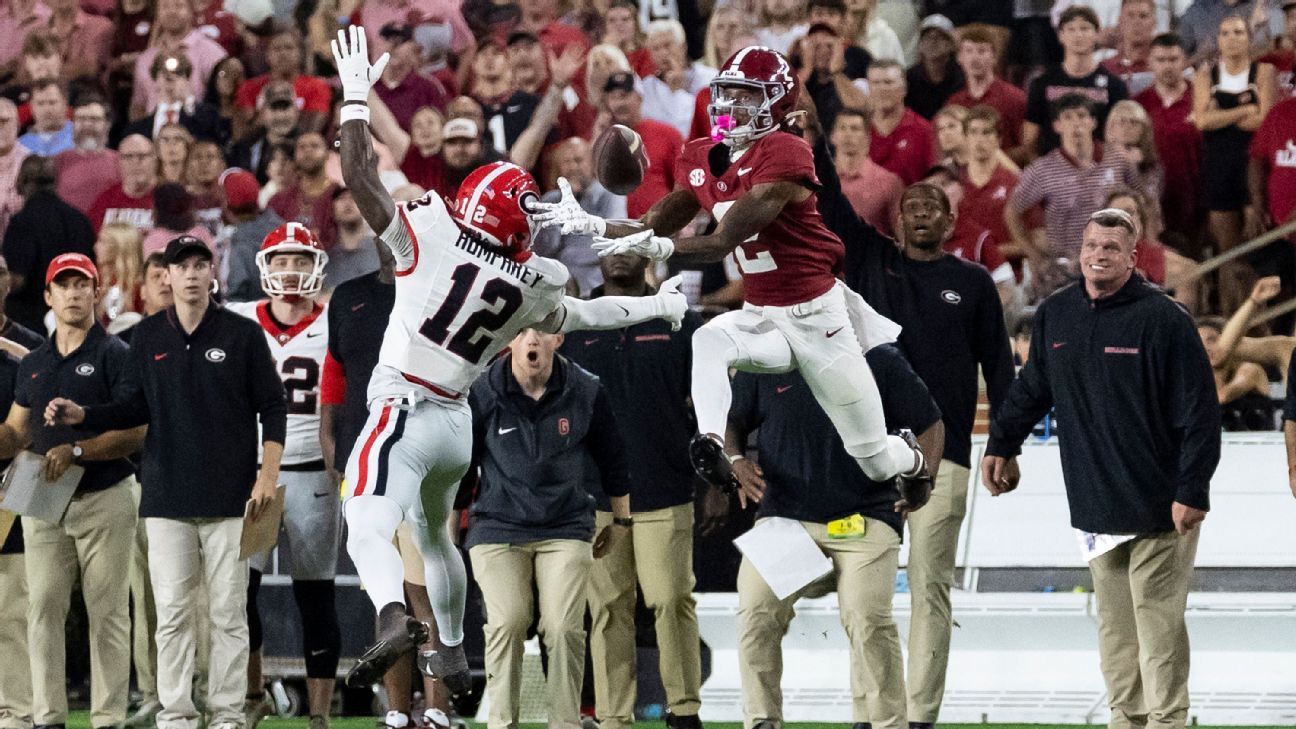
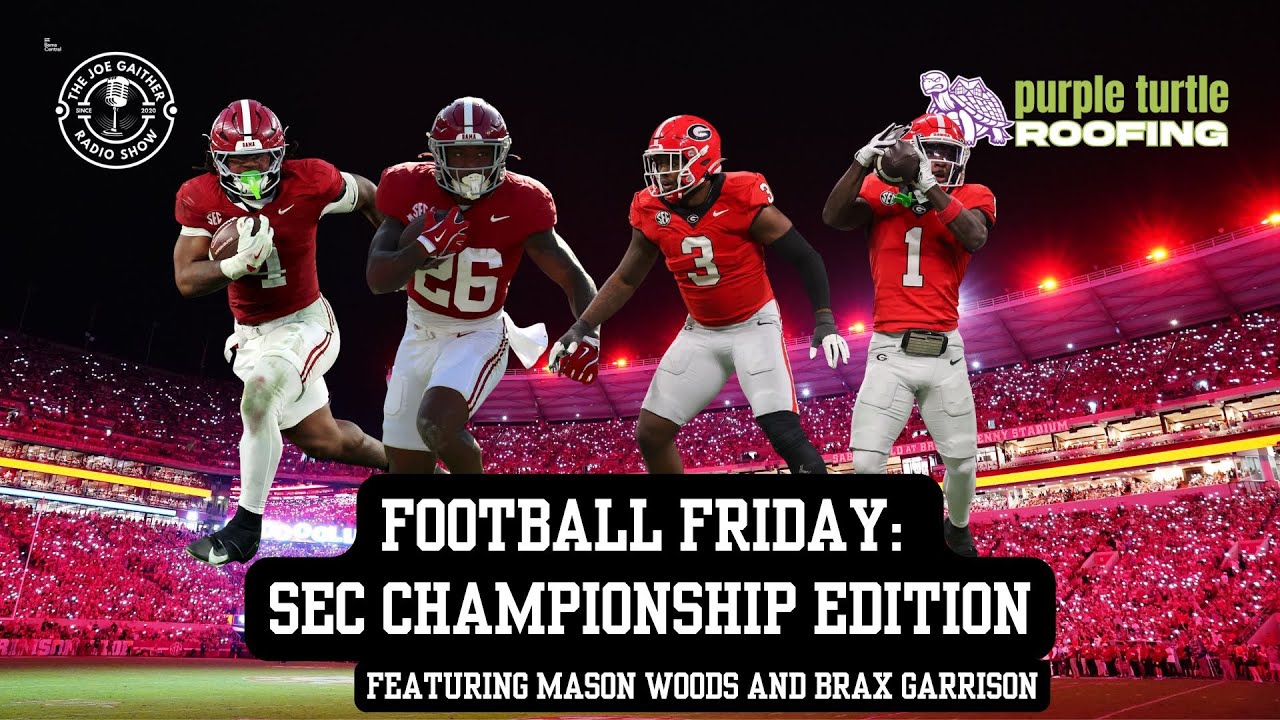
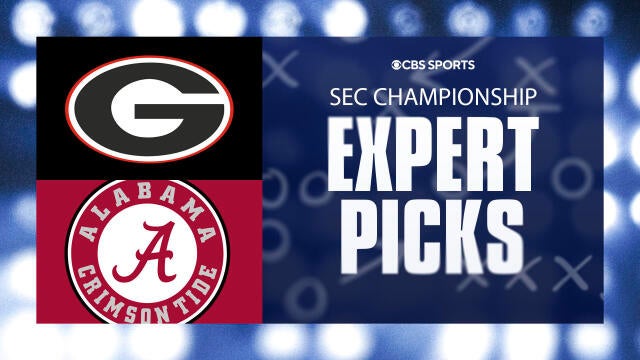
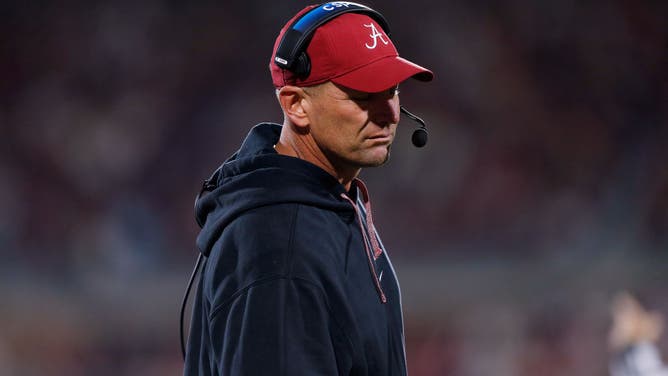
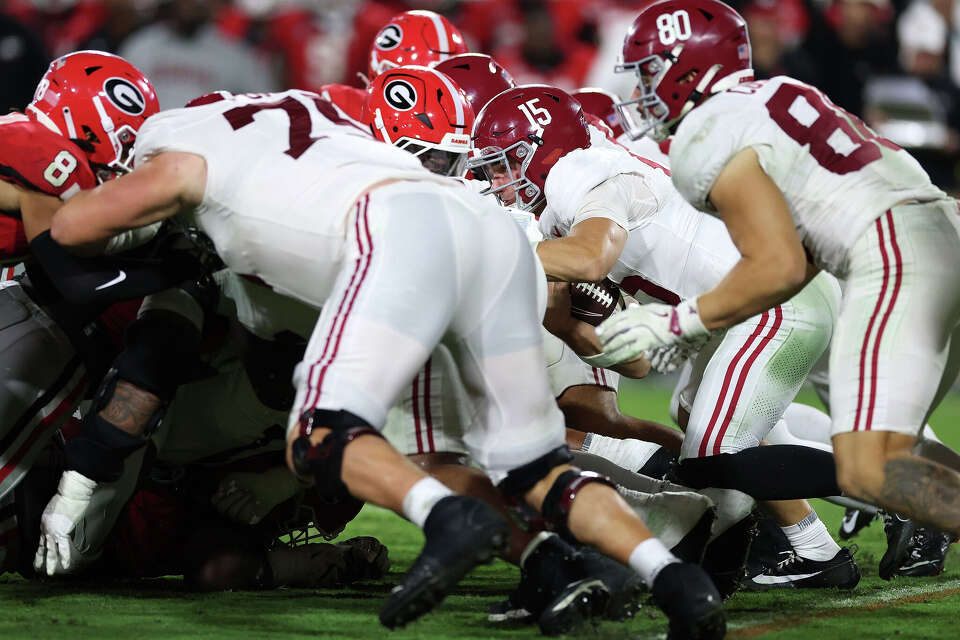
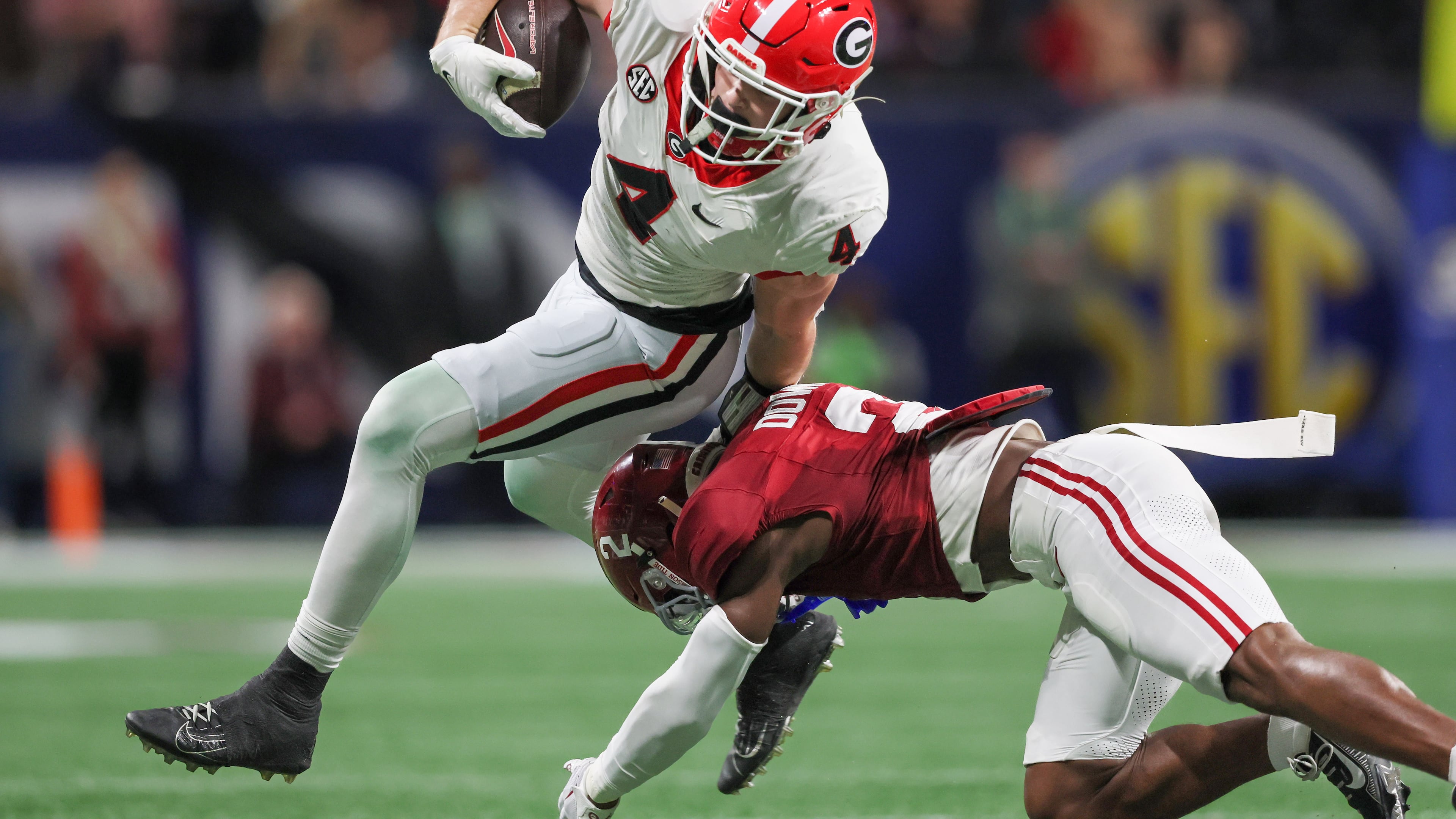
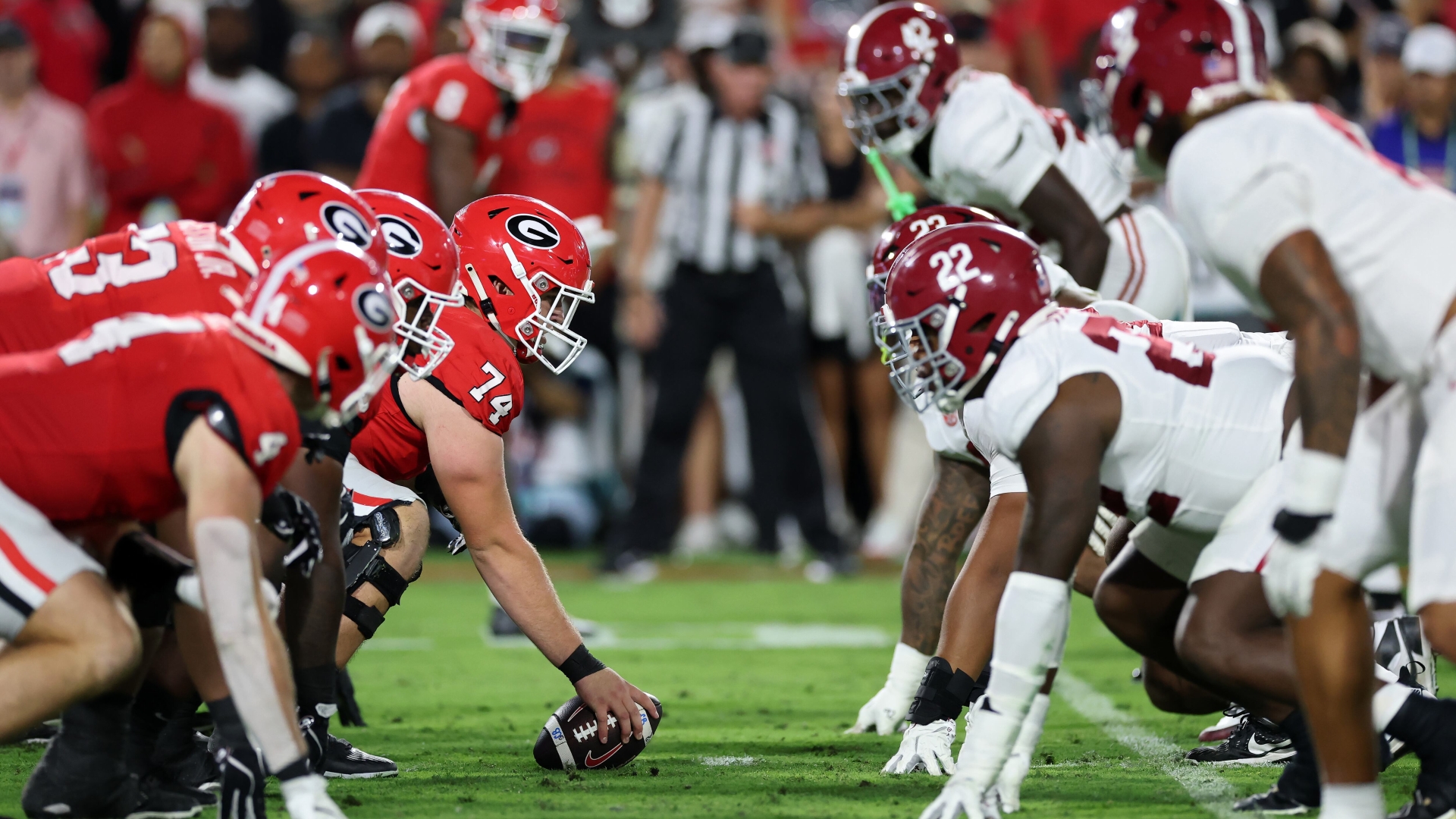
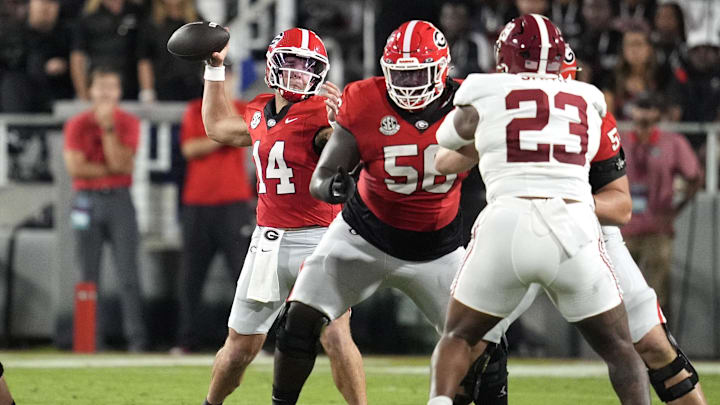
The surrounding context of the SEC Championship between Alabama and Georgia further amplifies the competitive ecosystem. The gathering of fans in downtown Atlanta signals more than just a sporting event—it represents a cultural moment where athletic performance, personal branding, and regional pride intersect. Pickens' situation serves as a microcosm of larger trends in professional sports communication, where athletes are no longer passive recipients of media narratives but active shapers of their own stories.
The underlying trend suggests a more transparent, direct form of athlete-media interaction. Players like Pickens are leveraging platforms to control their own narratives, challenging traditional media gatekeeping. This shift is driven by social media's democratization of communication, allowing athletes to speak directly to fans and critics alike.
Strategically, this represents a significant evolution in sports communication. Athletes are now media entities themselves, with personal brands that can be as influential as traditional reporting. The ability to craft and defend one's narrative has become a crucial skill in modern professional sports, extending well beyond on-field performance.
Questions 3
How do regional sporting events like the SEC Championship impact athlete dynamics?
Events like the SEC Championship create intense cultural moments that amplify athlete visibility, regional pride, and the interconnected nature of sports performance, media representation, and personal branding.
What does George Pickens' response to Richard Sherman reveal about professional sports communication?
Pickens' response demonstrates the growing trend of athletes becoming their own media entities, challenging traditional criticism channels and asserting more control over their public image and professional reputation.