





Navigating the Complexity of Sports Coaching Transitions and Strategic Uncertainty
- Emerging Patterns of Institutional Transformation and Leadership Dynamics






















Overview
In the intricate landscape of collegiate and professional sports management, recent developments reveal a nuanced narrative of strategic uncertainty and institutional transformation. The current news cycle, centered around coaching transitions and team dynamics, exposes deeper mechanisms of organizational adaptation and leadership recalibration.
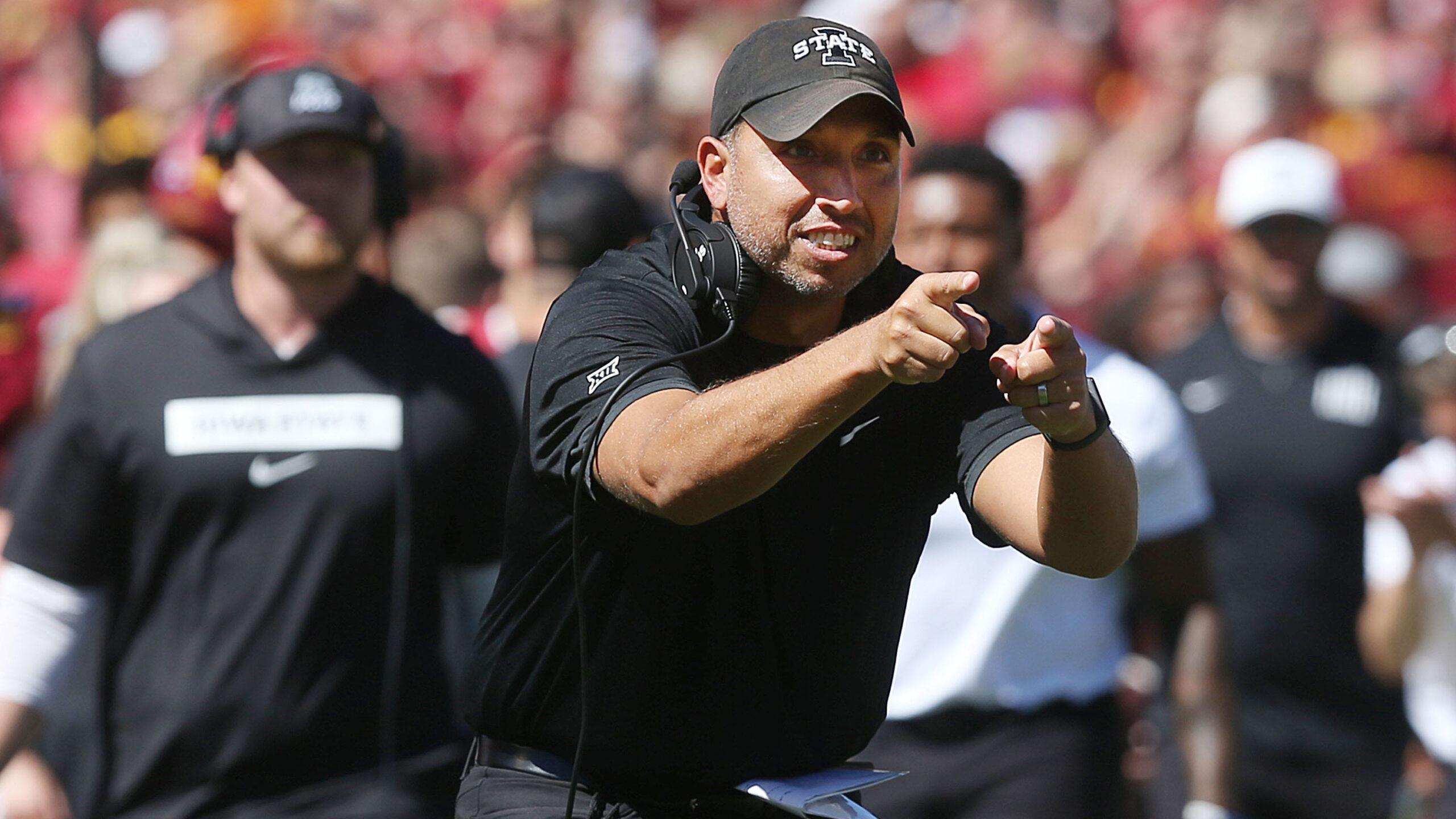
Coaching Mobility as Strategic Inflection Point: The ongoing Penn State coaching search, punctuated by Matt Campbell's potential recruitment, represents more than a simple personnel change. It symbolizes a critical moment of institutional repositioning where leadership becomes a pivotal lever for strategic reinvention. The "bizarre twist" in the search process suggests that modern sports organizations are operating in increasingly complex ecosystems where talent acquisition is as much about narrative and potential as it is about immediate performance metrics.
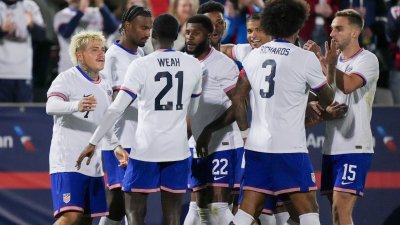
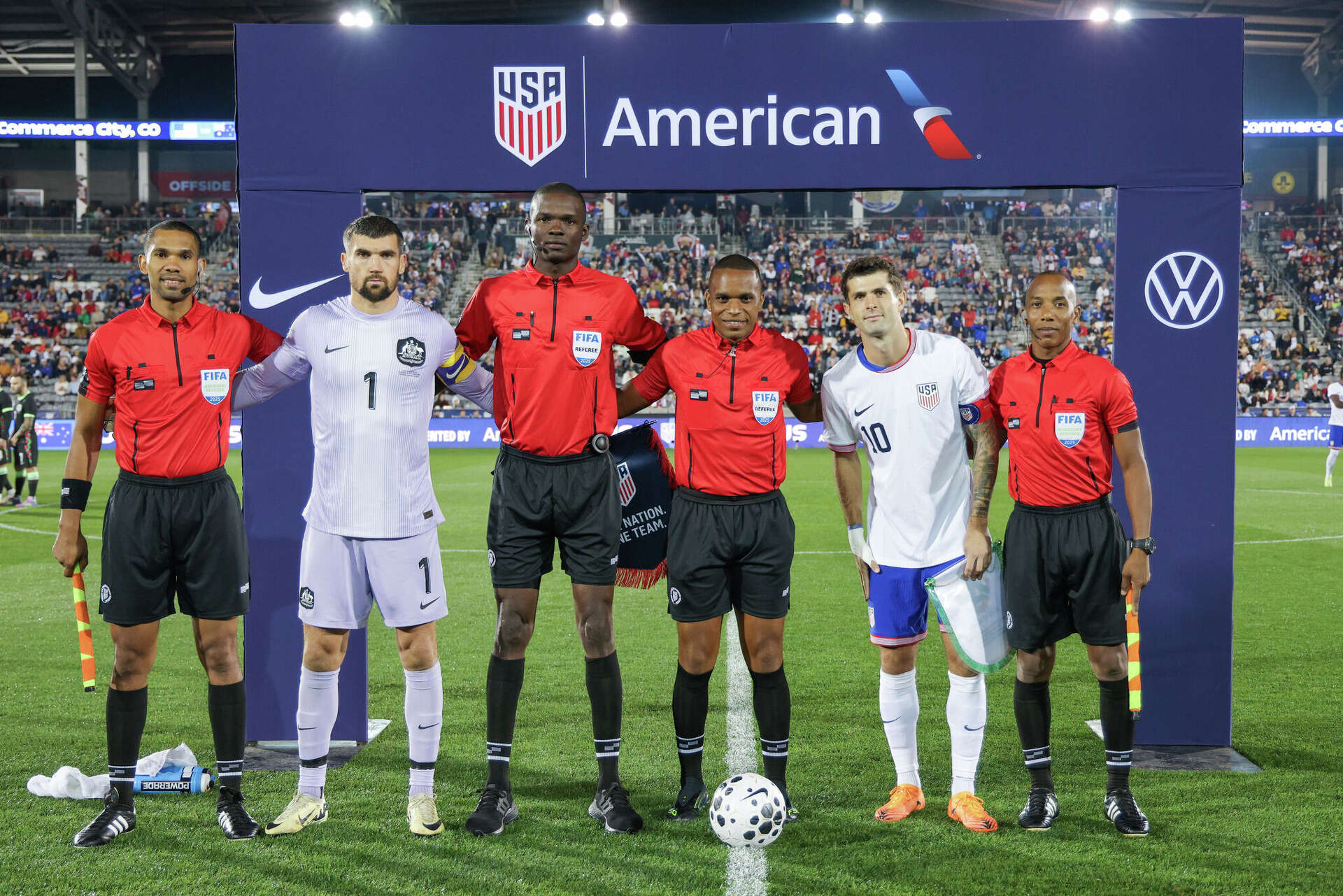
Competitive Resilience and Institutional Agility: Parallel narratives, such as the USMNT's World Cup preparation discourse about avoiding complacency, underscore a broader theme of continuous adaptation. The emphasis on maintaining competitive edge—even after achieving preliminary success—reflects a sophisticated understanding of sustained excellence. This mindset transcends sports, offering insights into how organizations must perpetually recalibrate their strategies to remain relevant and competitive.
The interconnected nature of these developments reveals a fundamental truth: leadership transitions are not disruptions, but opportunities for systemic reimagination. Whether in sports, business, or institutional contexts, the ability to navigate uncertainty with strategic intentionality becomes the true competitive advantage. Organizations that can transform potential volatility into a structured process of renewal will consistently outperform those trapped in rigid, reactive models.
Questions 3
What broader lessons can be learned from these coaching transition narratives?
The key insight is that organizational agility transcends sports—the ability to transform potential uncertainty into structured opportunity is a universal competitive advantage applicable across industries and institutional contexts.
How do sports organizations maintain competitive edge during leadership changes?
Successful organizations view leadership transitions as opportunities for renewal, maintaining competitive resilience by fostering a culture of continuous adaptation, strategic intentionality, and systemic learning rather than treating changes as disruptive events.