

Public Sentiment & Brand Risk | Lessons for High-Profile Seller Brands
- Jury selection reveals 38% dismissal rate due to bias; signals reputational risk for founder-led brands in litigation and consumer trust

Overview
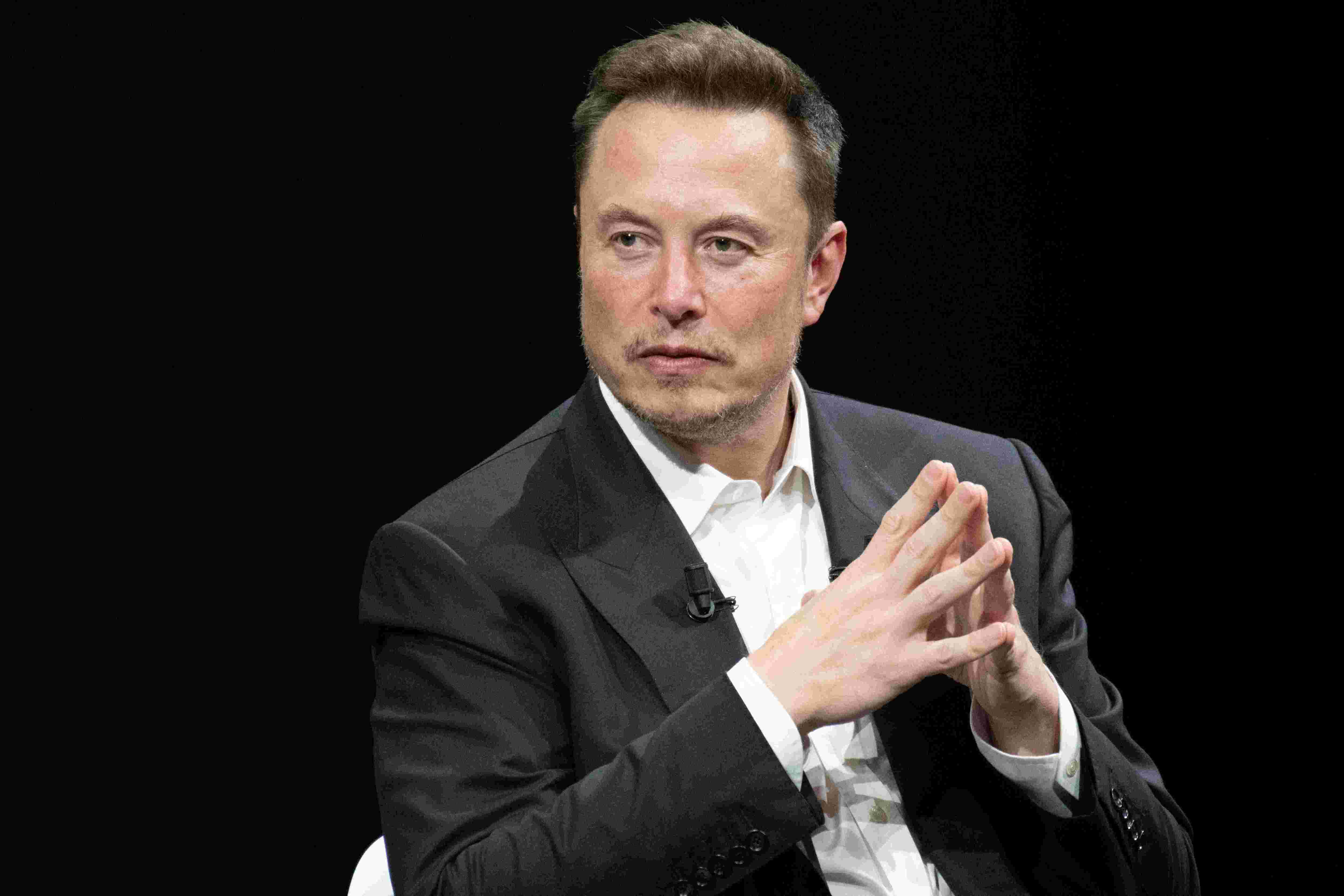
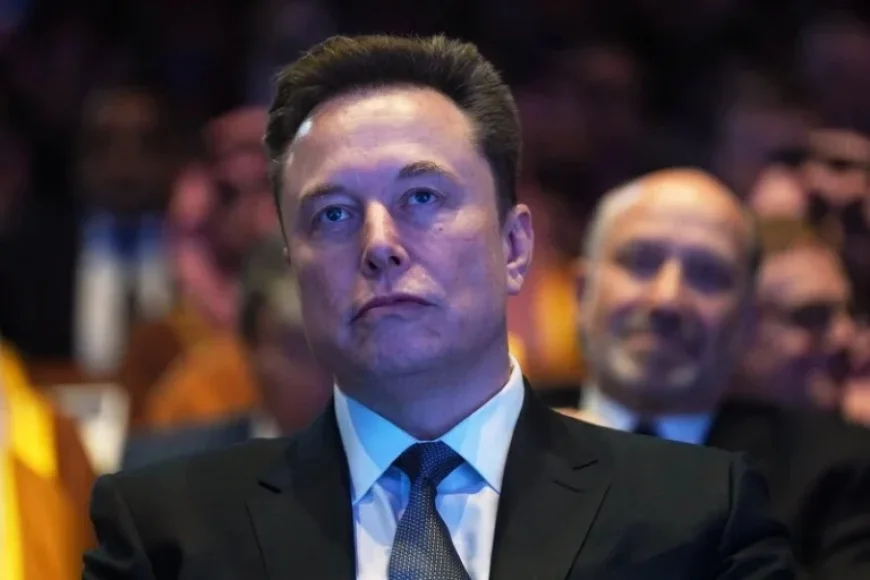
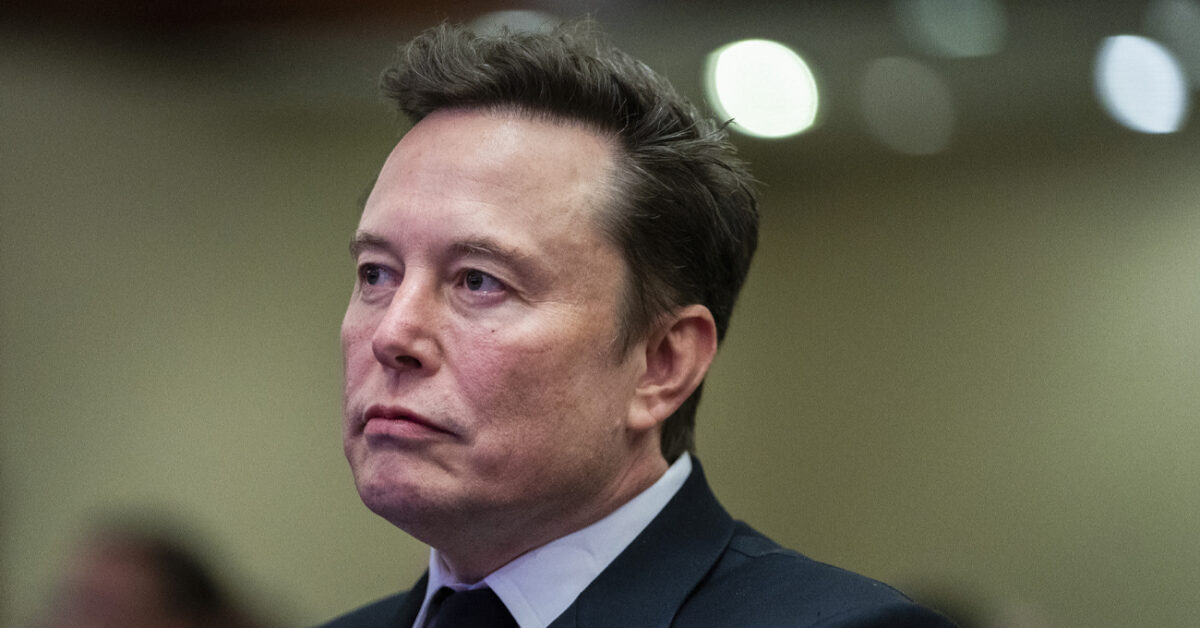
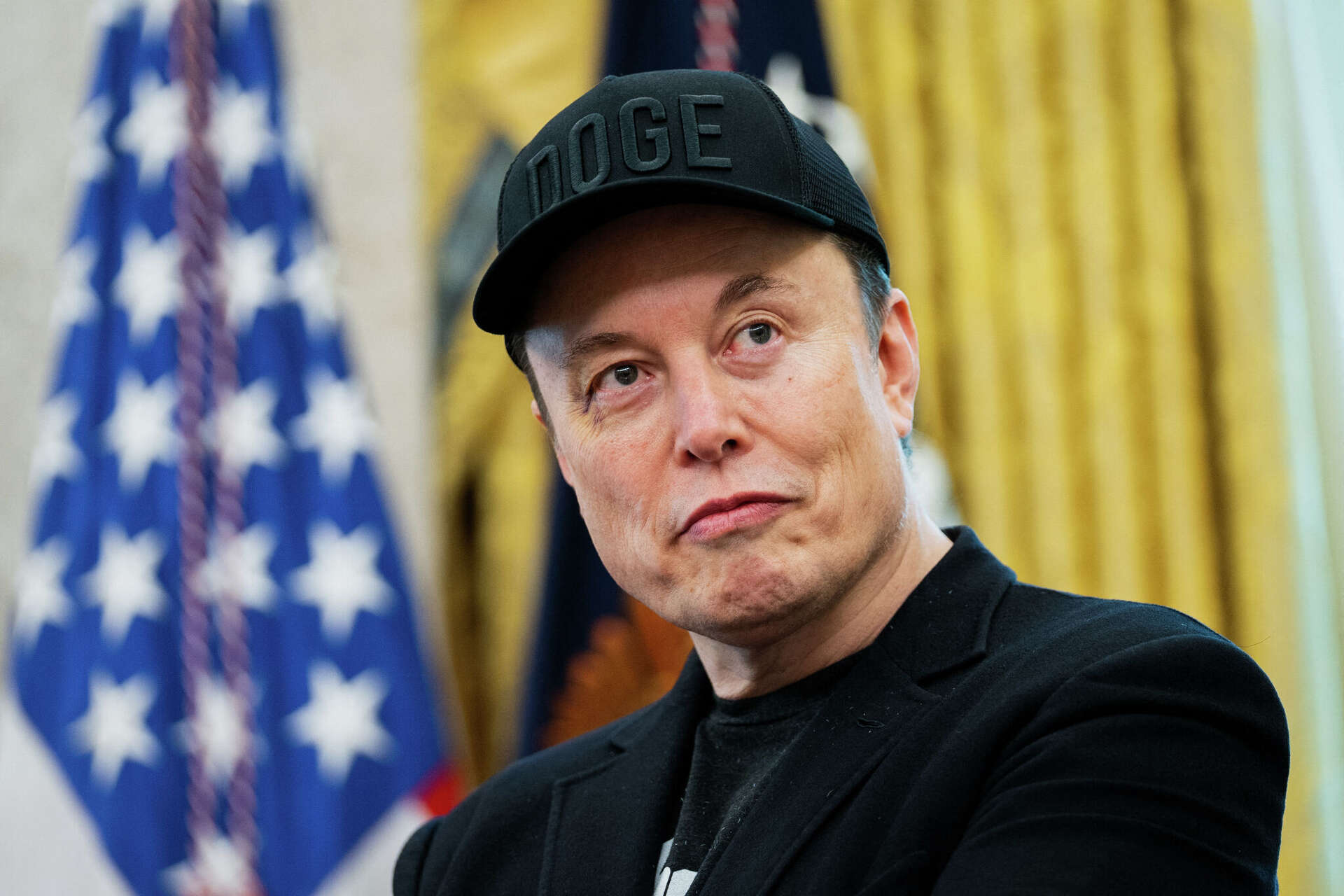
The Musk Twitter securities trial jury selection process (February 2026, San Francisco federal court) reveals critical insights into public sentiment polarization and its impact on high-profile business figures—lessons directly applicable to founder-led e-commerce brands and seller reputation management. Over one-third of a 93-person jury pool (approximately 35 candidates) was dismissed due to demonstrated biases against Elon Musk, with 38 of 92 prospective jurors in a subsequent selection round excusing themselves for inability to remain impartial. Judge Charles R. Breyer noted that as a public figure comparable to a U.S. president, Musk naturally generates strong opinions, yet the scale of dismissals—unprecedented in typical corporate litigation—signals deeper reputational challenges.
Seller Brand Risk Implications: The trial centers on allegations that Musk made misleading statements about Twitter's spam bot accounts (claiming <5% when evidence suggested 20%+), paralleling e-commerce concerns about product authenticity, seller ratings manipulation, and transparency. For cross-border sellers, this case demonstrates how founder visibility and public statements directly impact consumer trust and litigation outcomes. Sellers with strong personal brands (Shopify store owners, Amazon brand registry holders, TikTok Shop entrepreneurs) face similar reputational exposure when public controversies emerge. The jury pool's concerns—spanning business practices, political alignment, and personal conduct—mirror consumer decision-making factors beyond product quality.
Platform Accountability Precedent: The case establishes that platforms and their leaders face heightened scrutiny regarding user data accuracy and transparency. For sellers leveraging Twitter/X for marketing, the trial outcome may influence platform policy changes around seller verification, fake engagement detection, and content moderation—areas where sellers currently operate with minimal oversight. The $44 billion acquisition context also signals investor focus on platform integrity metrics, which could translate to stricter seller compliance requirements on Amazon, eBay, and Shopify regarding inventory accuracy, review authenticity, and customer communication.
Consumer Trust & Polarization: Prospective jurors' statements—objecting to billionaire existence, disagreeing with content moderation decisions, questioning moral compass—reflect broader consumer polarization affecting brand loyalty. E-commerce sellers, particularly those with founder-centric marketing strategies, must recognize that personal brand visibility creates litigation and reputational risk. The trial's March 2-16, 2026 proceedings will likely generate media coverage influencing consumer sentiment toward Musk-affiliated companies (Tesla, SpaceX, Neuralink), with spillover effects on cross-border sellers using Musk-related keywords or positioning in tech/innovation categories.
Questions 7
What platform policy changes might result from the Twitter trial outcome?
The trial centers on Musk's allegedly misleading statements about spam bot accounts (claiming <5% when evidence suggested 20%+), directly paralleling platform accountability for seller verification and fake engagement detection. Expect stricter requirements on Amazon, eBay, and Shopify regarding inventory accuracy, review authenticity, and seller communication transparency. Twitter/X may implement enhanced seller verification protocols and content moderation standards. Sellers should proactively audit product listings for accuracy, customer review authenticity, and compliance with platform transparency requirements before new policies are enforced.
How does the Musk jury selection bias impact founder-led e-commerce brands?
The trial reveals that 38% jury dismissal rates due to personal bias against high-profile figures signal reputational risk for founder-centric sellers. Shopify store owners and Amazon brand registry holders with strong personal brands face similar litigation exposure if public controversies emerge. The case demonstrates that consumer trust extends beyond product quality to founder credibility, political alignment, and public statements. Sellers should audit their founder visibility strategy and consider separating personal brand from business brand to mitigate litigation risk and consumer polarization effects.