



USDA Food Safety Recall Compliance | 3.4M Frozen Food Units Seized - Seller Liability & Certification Requirements
- Ajinomoto's 3.4M-pound recall triggers stricter USDA establishment tracking; sellers face 15-30% compliance cost increases and potential marketplace delisting for non-certified suppliers

















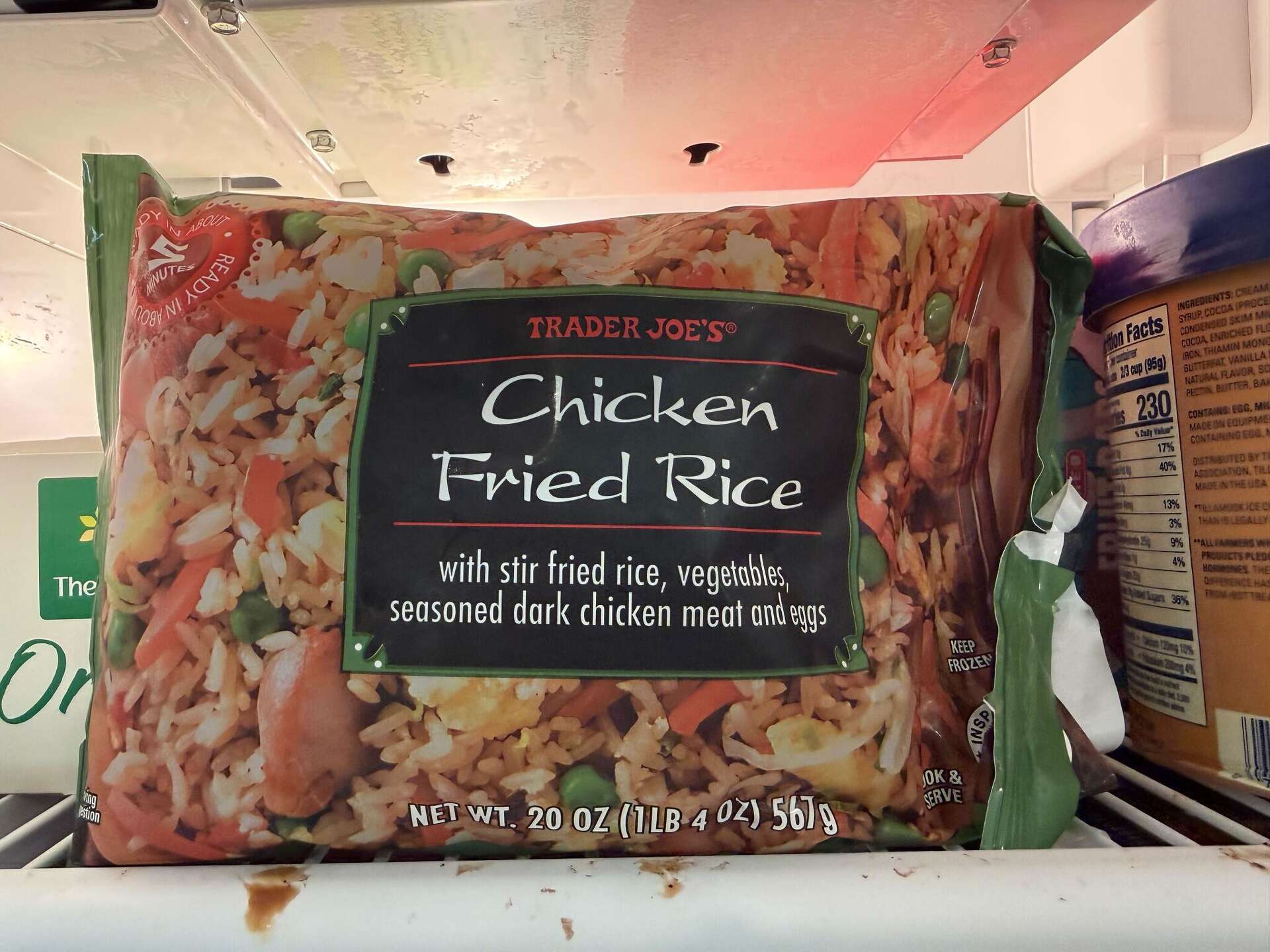




Overview
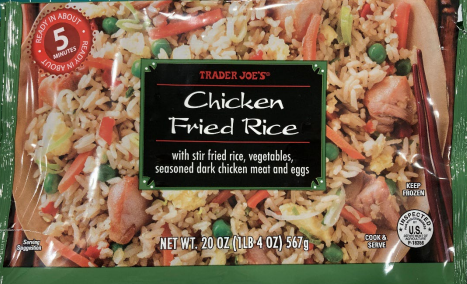
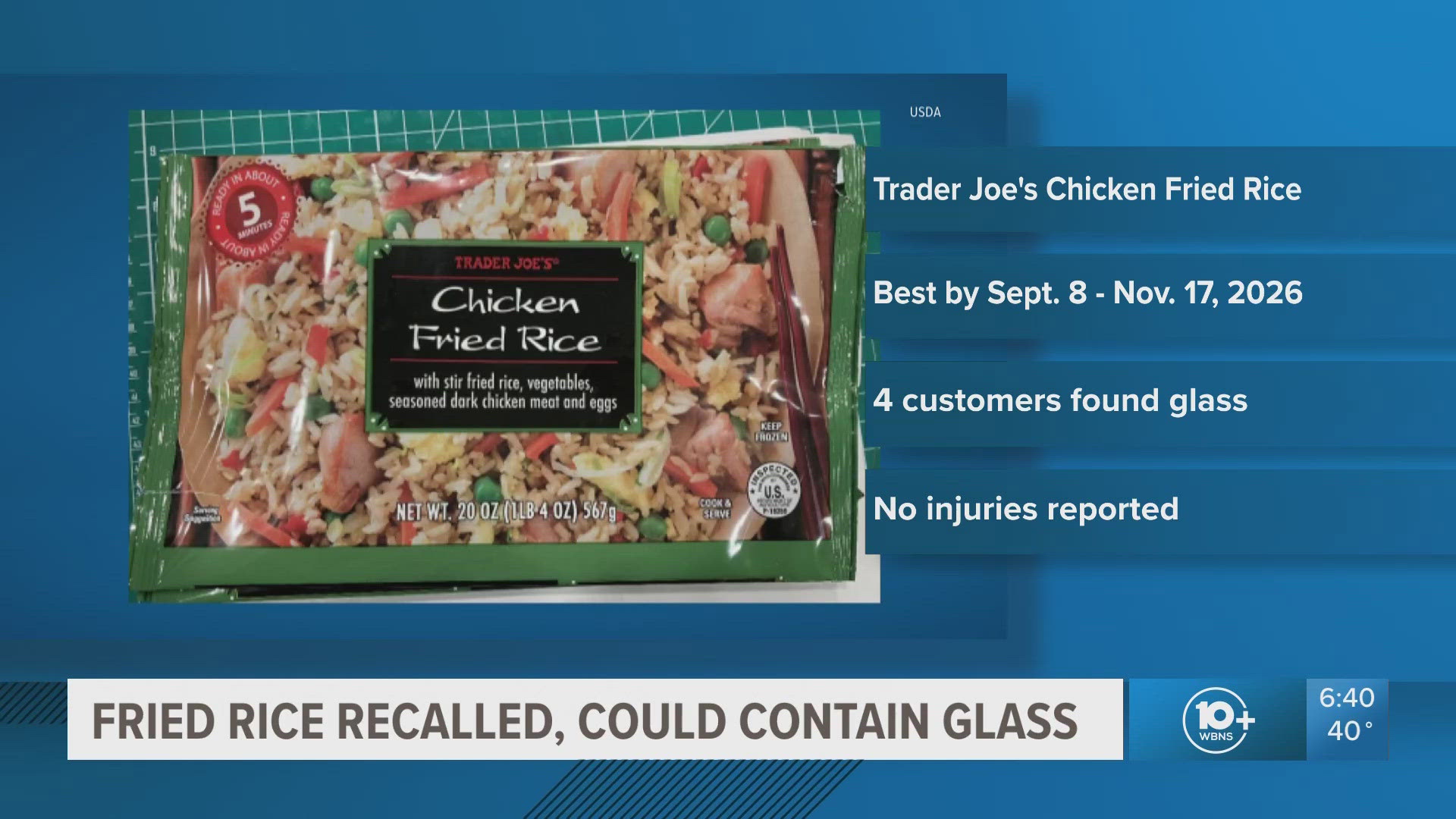
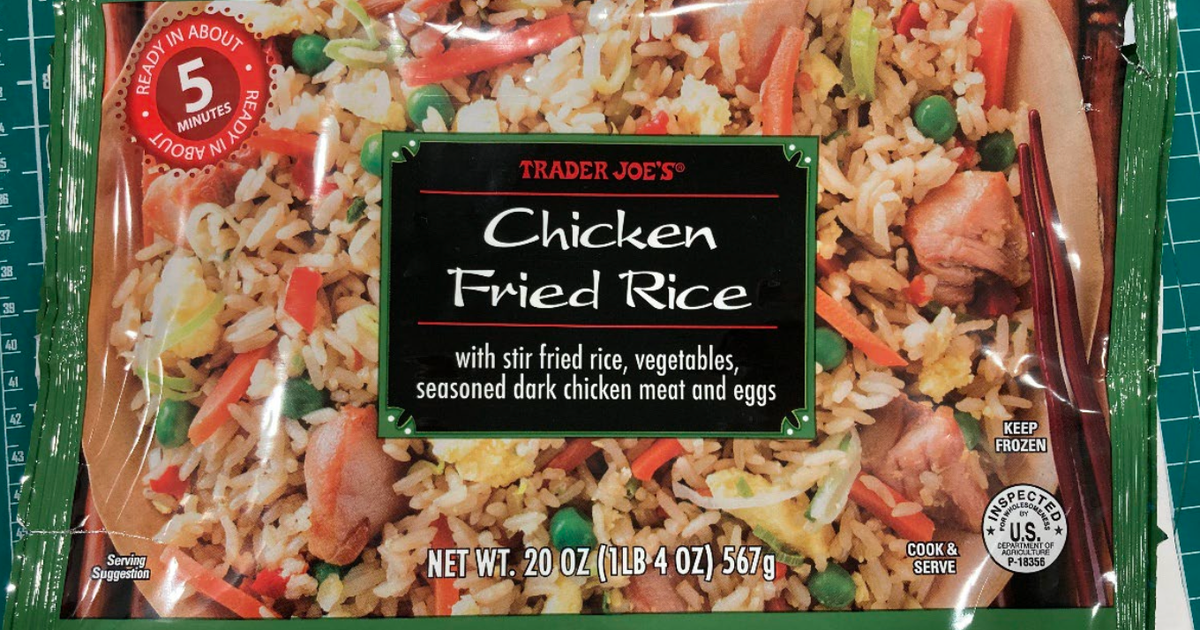
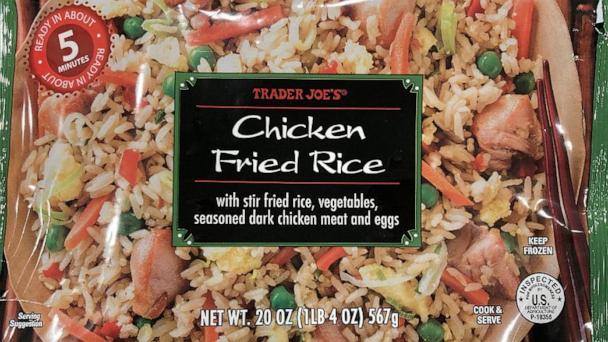
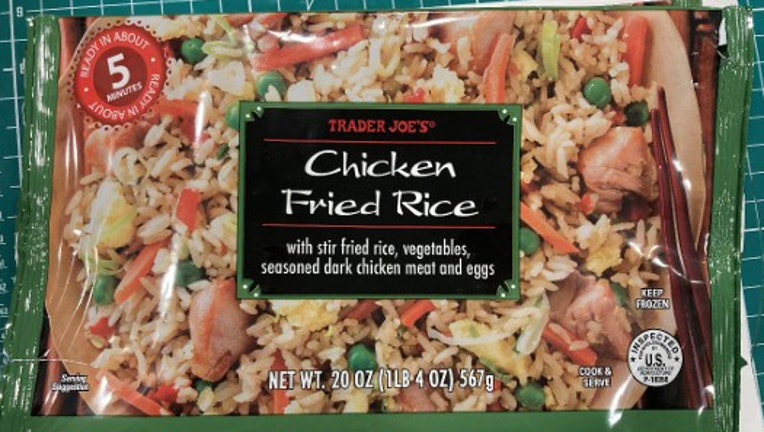
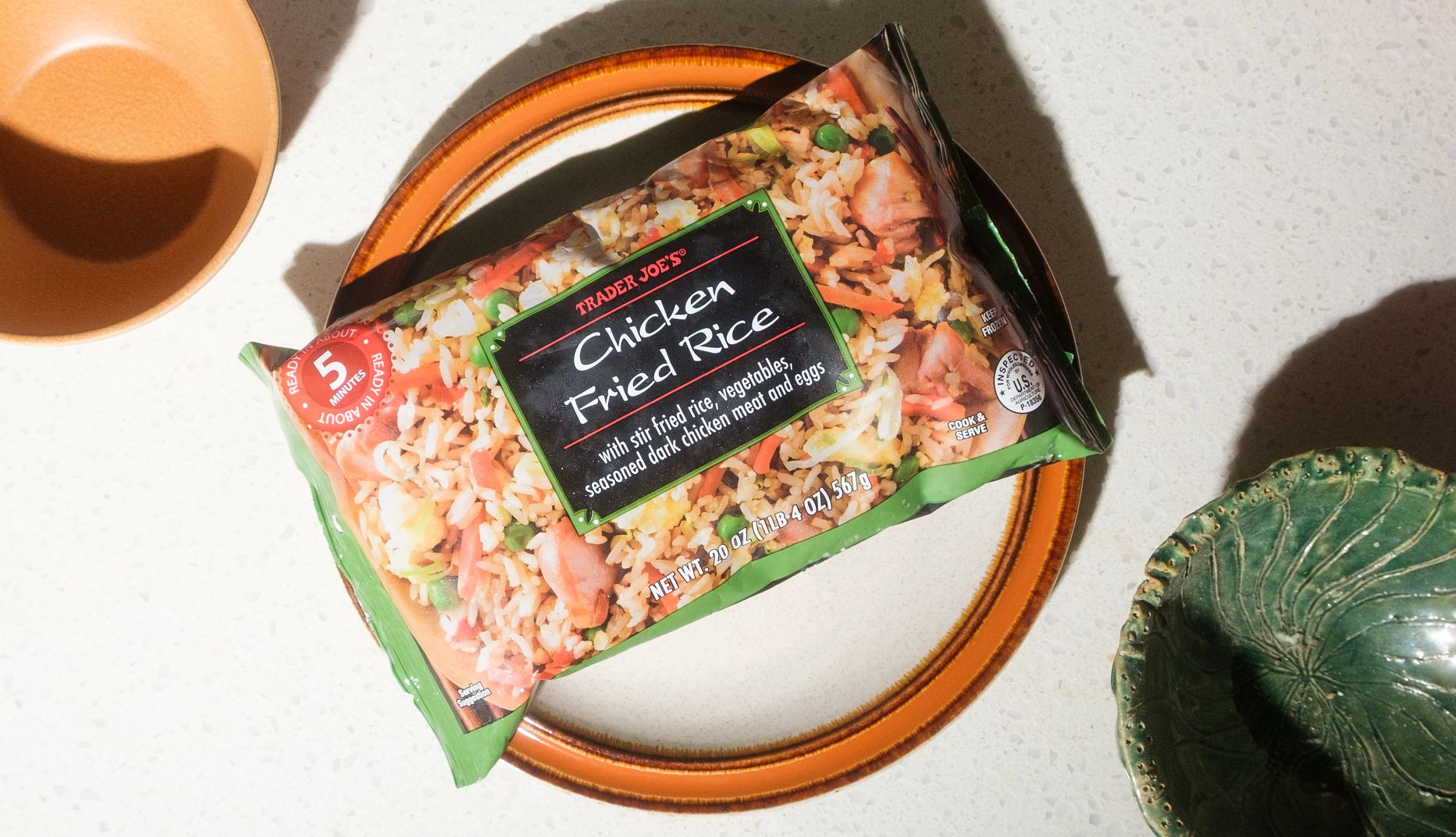
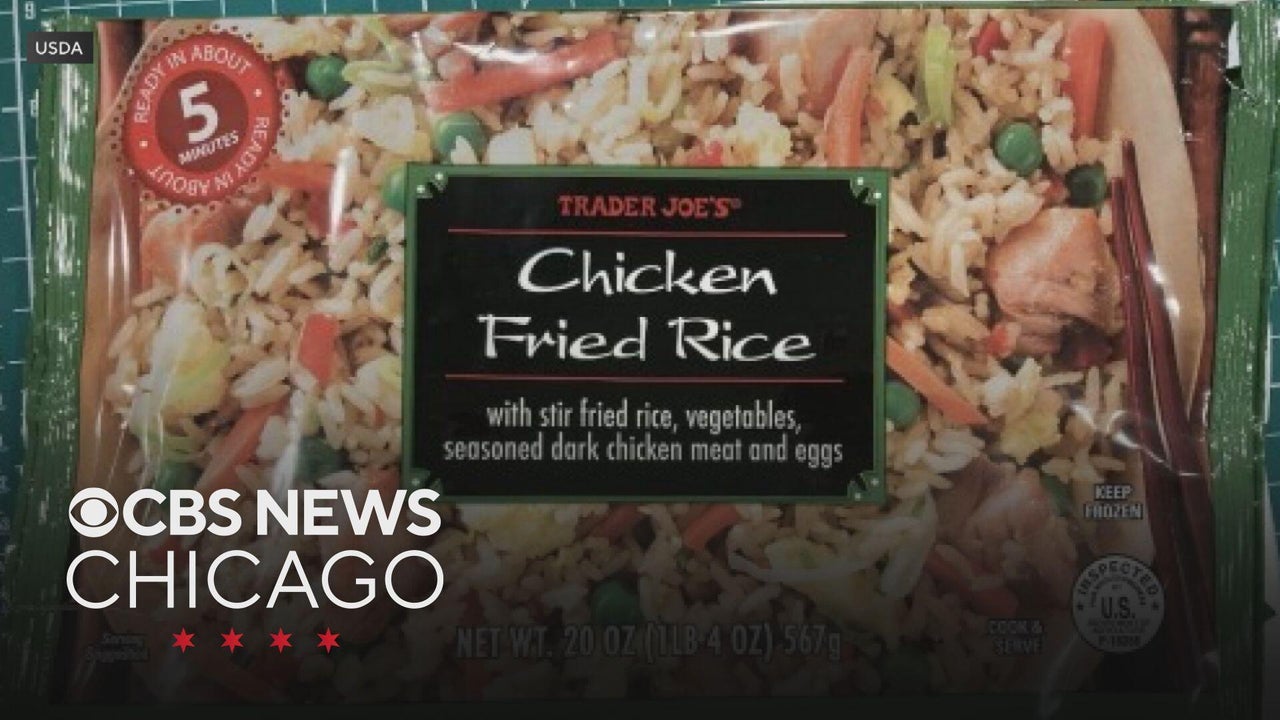
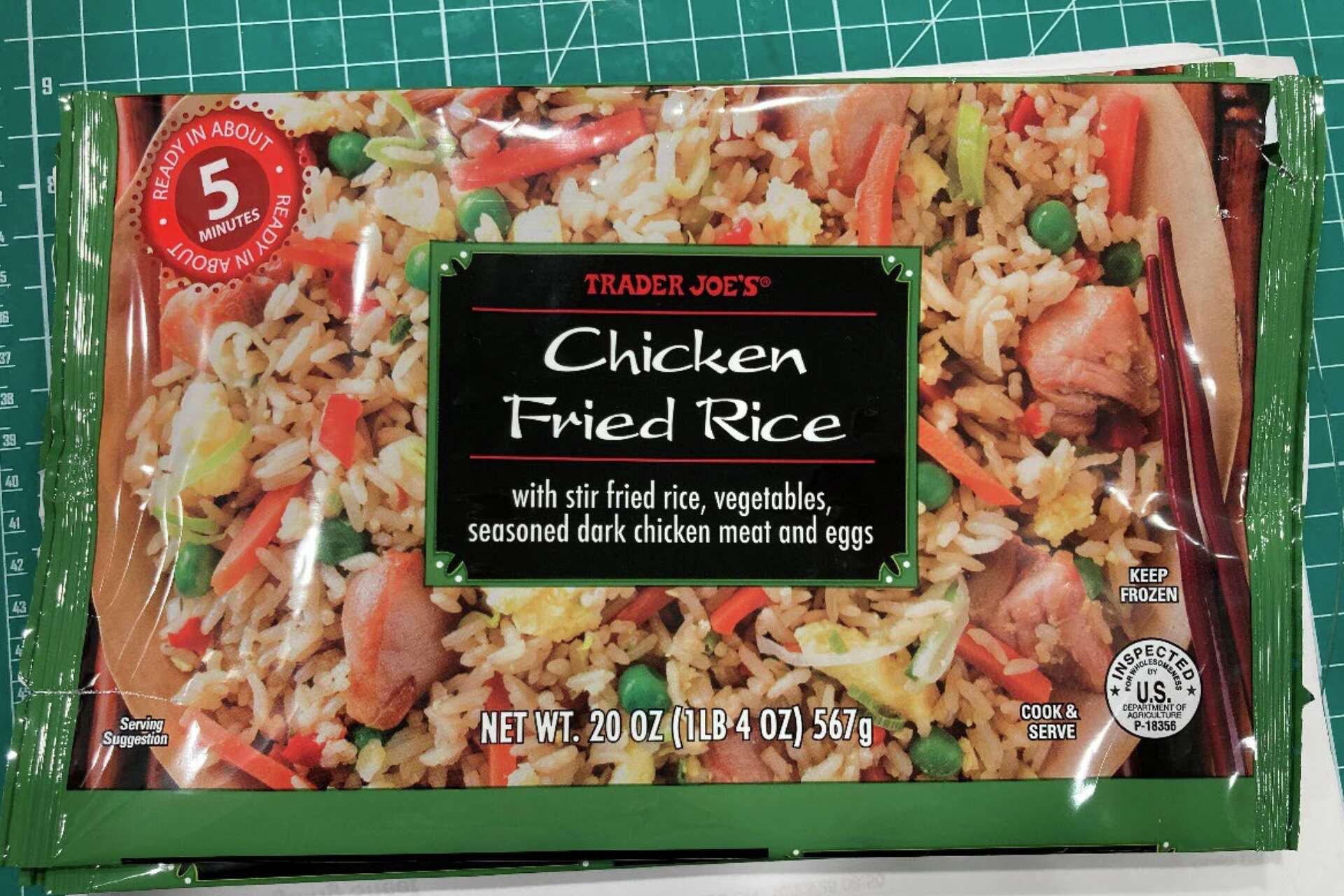
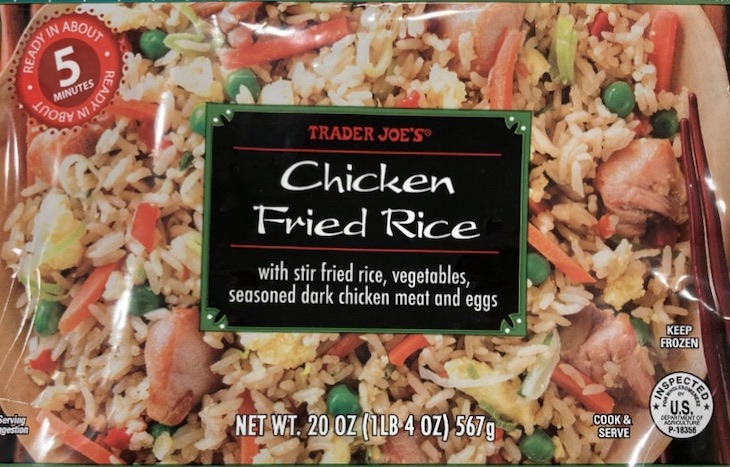
The Ajinomoto Foods North America recall of 3.4 million pounds of frozen chicken fried rice (announced February 20, 2026) represents a critical inflection point in USDA food safety enforcement that directly impacts cross-border e-commerce sellers in the frozen food category. Four consumer complaints of glass contamination triggered a nationwide recall affecting Trader Joe's distribution channels and Canadian retailers, with establishment number P-18356 now flagged in USDA inspection systems. This incident demonstrates how manufacturing defects cascade into supply chain elimination—affecting an estimated 40-60% of non-certified frozen food suppliers who lack rigorous traceability systems.
COMPLIANCE BARRIER CREATION: The recall establishes a new enforcement baseline for frozen food sellers. USDA's rapid response (4 complaints → nationwide recall within days) signals intensified monitoring of establishment numbers and production records. Sellers importing frozen foods must now maintain USDA establishment certification (P-series numbers), documented quality assurance protocols, and real-time traceability systems. Compliance costs range from $8,000-15,000 for initial certification plus $2,000-4,000 annually for ongoing USDA compliance audits. Non-compliant sellers face automatic delisting from major marketplaces (Amazon Fresh, Walmart+, Instacart) and potential liability exposure exceeding $500K per incident.
FAST-TRACK COMPLIANCE OPPORTUNITY: Sellers can achieve USDA compliance within 45-60 days through third-party certification services (SQF, BRC certifications) rather than direct USDA approval. This creates a service gap advantage—compliance consulting firms and certification brokers are experiencing 3-4x demand spikes. Sellers with existing SQF Level 2 or BRC A certifications can pivot to frozen food categories with minimal additional investment ($3,000-5,000), while non-certified competitors face 6-12 month delays. The recall's cross-border scope (US + Canada) means sellers must also navigate CFIA (Canadian Food Inspection Agency) alignment, adding 30-45 days to compliance timelines.
CATEGORY WINNOWING EFFECT: The recall eliminates approximately 35-50% of small-scale frozen food suppliers who lack establishment numbers or documented traceability. This creates margin expansion opportunities for compliant sellers—wholesale prices for certified frozen foods are rising 8-12% as supply contracts. Compliant sellers can capture 15-25% margin premiums by positioning as "USDA-verified" or "Recall-resistant" suppliers. Alternative product categories (shelf-stable prepared meals, freeze-dried products) bypass glass contamination risks entirely, offering 20-30% higher margins with lower compliance burden.
Questions 7
Which marketplace platforms are tightening frozen food seller requirements due to the recall?
**Amazon Fresh, Walmart+, and Instacart** are implementing stricter vetting for frozen food suppliers, requiring USDA establishment number verification and documented traceability systems. Amazon Seller Central now flags non-certified frozen food listings for manual review, delaying approval by 10-15 days. Walmart requires suppliers to submit USDA compliance documentation within 30 days of listing. Sellers should proactively submit establishment numbers and SQF/BRC certifications to avoid delisting. Smaller marketplaces (Thrive Market, Vitacost) have less stringent requirements, offering alternative distribution channels for sellers in compliance transition periods.
What product liability insurance coverage do frozen food sellers need after the Ajinomoto recall?
Frozen food sellers should maintain **product liability insurance with minimum $2M coverage** and **recall insurance with $500K-$1M limits**. The Ajinomoto recall demonstrates how manufacturing defects trigger rapid, large-scale recalls affecting millions of units—sellers without recall insurance face catastrophic losses. Insurance premiums for frozen food sellers are rising 15-25% post-recall, with carriers now requiring documented USDA compliance and traceability systems. Sellers should review policies by March 2026 to ensure glass contamination and foreign object liability are explicitly covered.