


Sports Media Coverage Reveals Complex Digital Engagement Strategies
- Emerging trends in sports content distribution and fan interaction dynamics























Overview
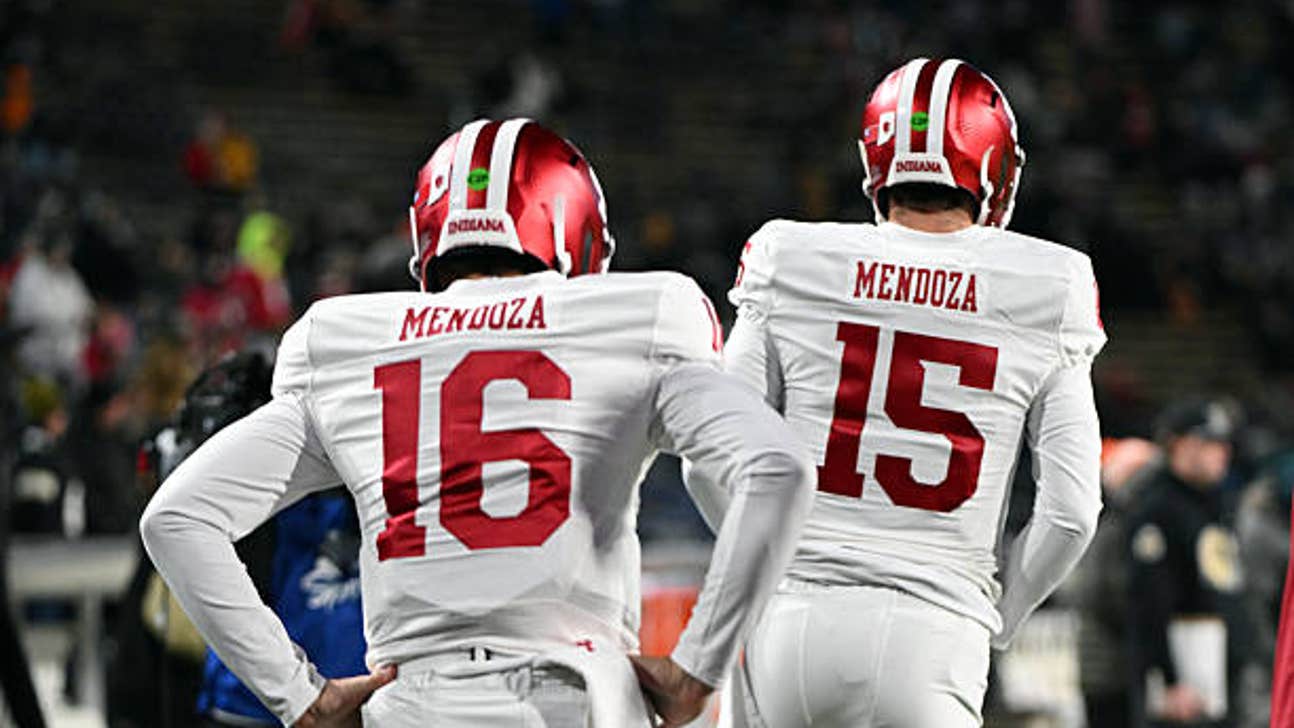
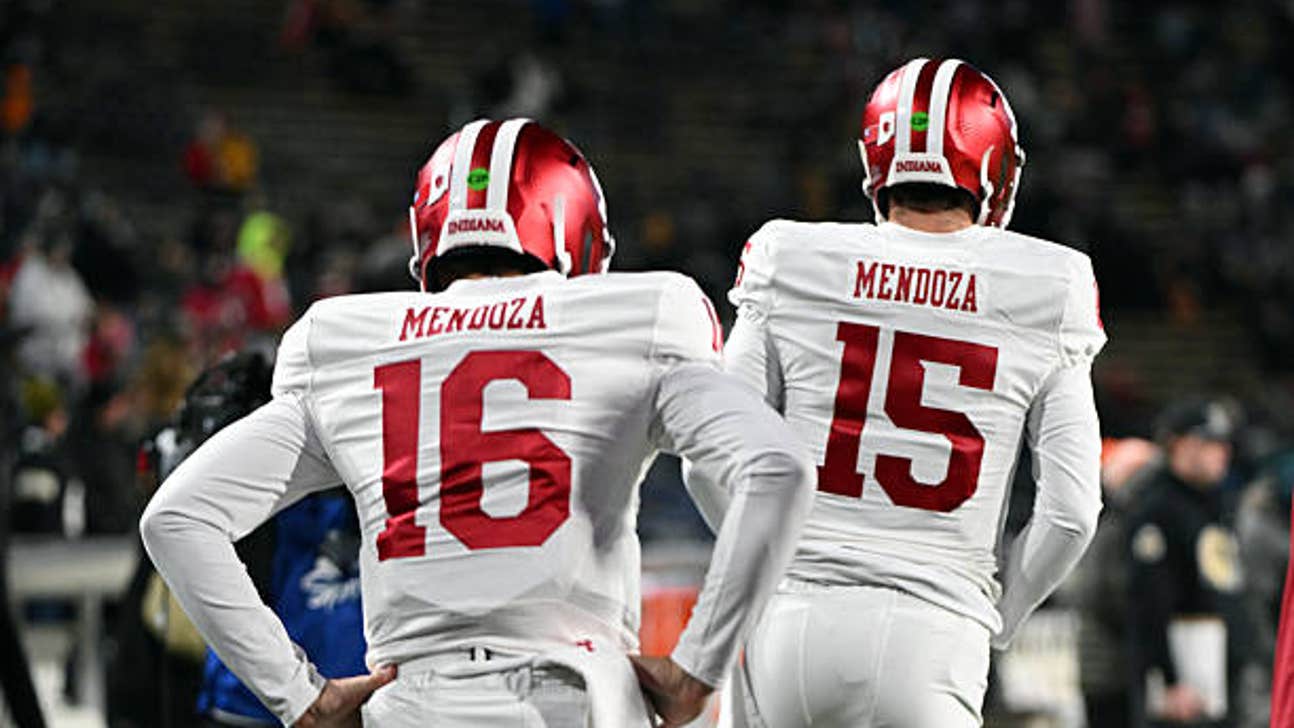
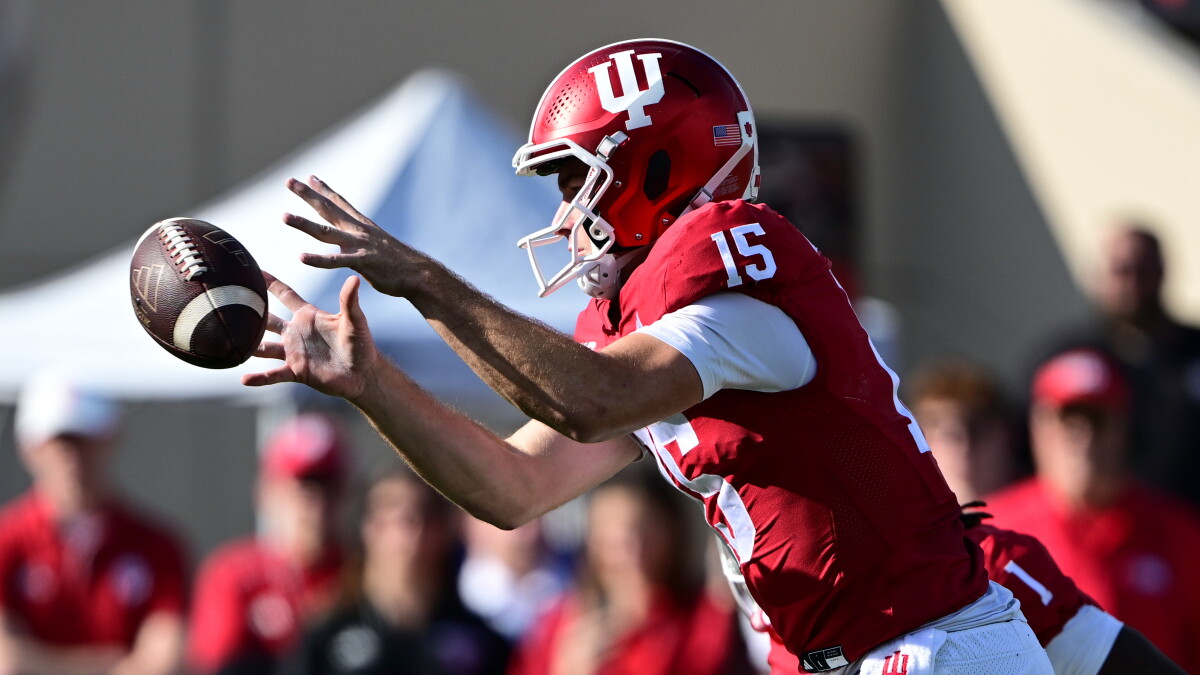
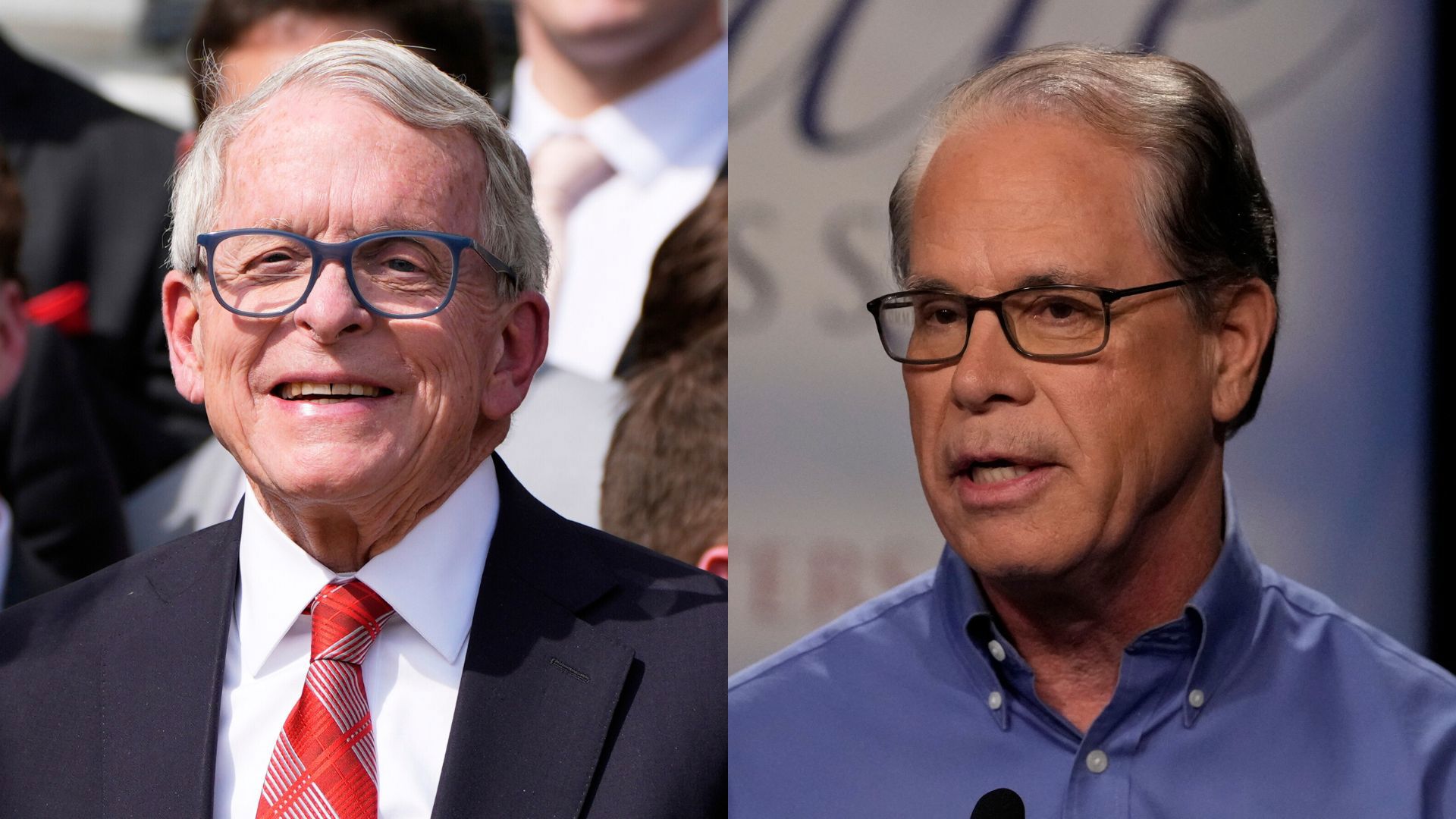
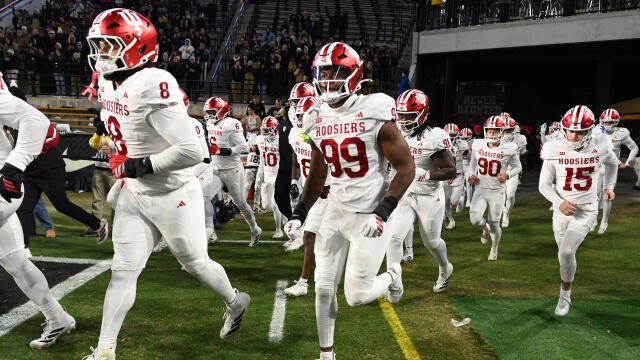
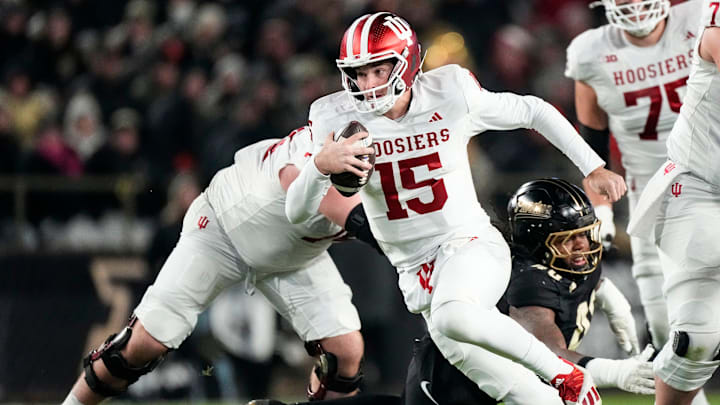
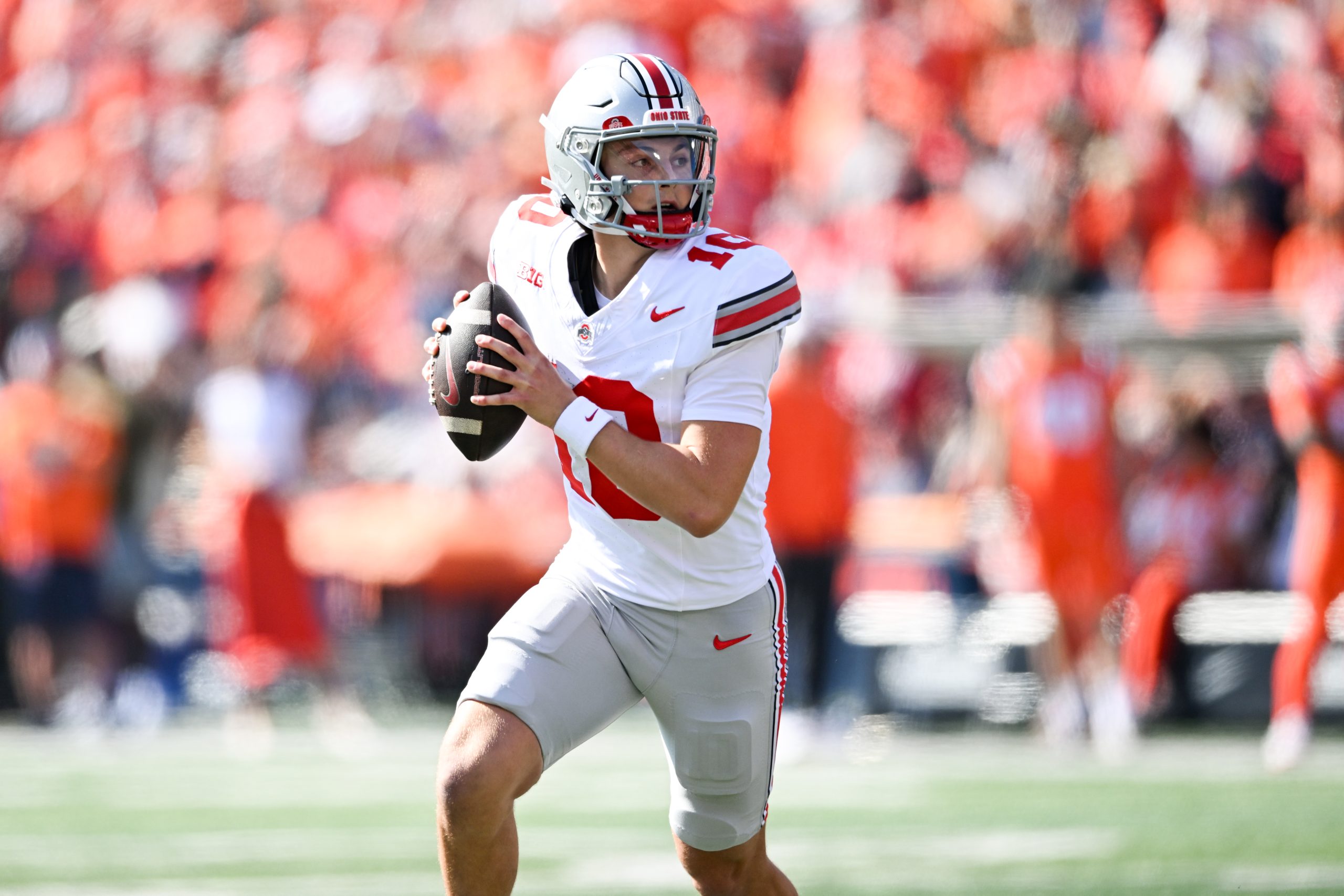
In the rapidly evolving landscape of sports media consumption, the Ohio State vs. Indiana Big Ten Championship coverage unveils critical insights into digital engagement strategies that extend far beyond traditional broadcast models. Digital transformation in sports media is no longer about simply streaming a game, but creating comprehensive fan experiences that blend live event coverage, multi-platform accessibility, and interactive content delivery.
Content Distribution Complexity emerges as a key trend, with the game's coverage highlighting multiple access points—television, streaming channels, and digital platforms. This fragmentation signals a profound shift in how sports content is packaged and consumed. The proliferation of viewing options reflects a broader digital ecosystem where fans expect personalized, on-demand access to sporting events.
Strategic Media Adaptation is particularly noteworthy in how sports organizations are reimagining content delivery. The detailed coverage surrounding game-time decisions and viewing options demonstrates a sophisticated approach to fan engagement. By providing granular information about broadcast channels, streaming links, and game logistics, media teams are creating value beyond the athletic performance itself.
The underlying strategic implication is clear: sports media is transitioning from a broadcast model to an interactive, multi-channel engagement platform. This transformation requires sophisticated digital infrastructure, content strategy, and an understanding of evolving fan expectations. For media companies and sports organizations, success now hinges on creating seamless, accessible, and compelling digital experiences that extend the traditional boundaries of sports consumption.
Questions 3
What are the key challenges in digital sports media transformation?
Key challenges include managing complex digital infrastructure, creating seamless multi-platform experiences, maintaining content quality across different channels, and continuously adapting to changing fan expectations and technological capabilities.
What makes modern sports content distribution different from traditional models?
Modern distribution emphasizes flexibility, accessibility, and comprehensive fan engagement. Instead of single-channel broadcasting, current strategies involve streaming platforms, detailed digital coverage, real-time updates, and interactive viewing experiences that extend beyond live game transmission.