



US Energy Crisis 2026 | Seller Opportunity in Cold-Weather Products & Home Efficiency
- 1 in 6 households behind on utility bills; electricity up 10%+ since Jan 2025; winter bills jump 11%; creates $2B+ demand surge for heating products, insulation, and energy-efficient goods across Amazon, eBay, Shopify











Overview
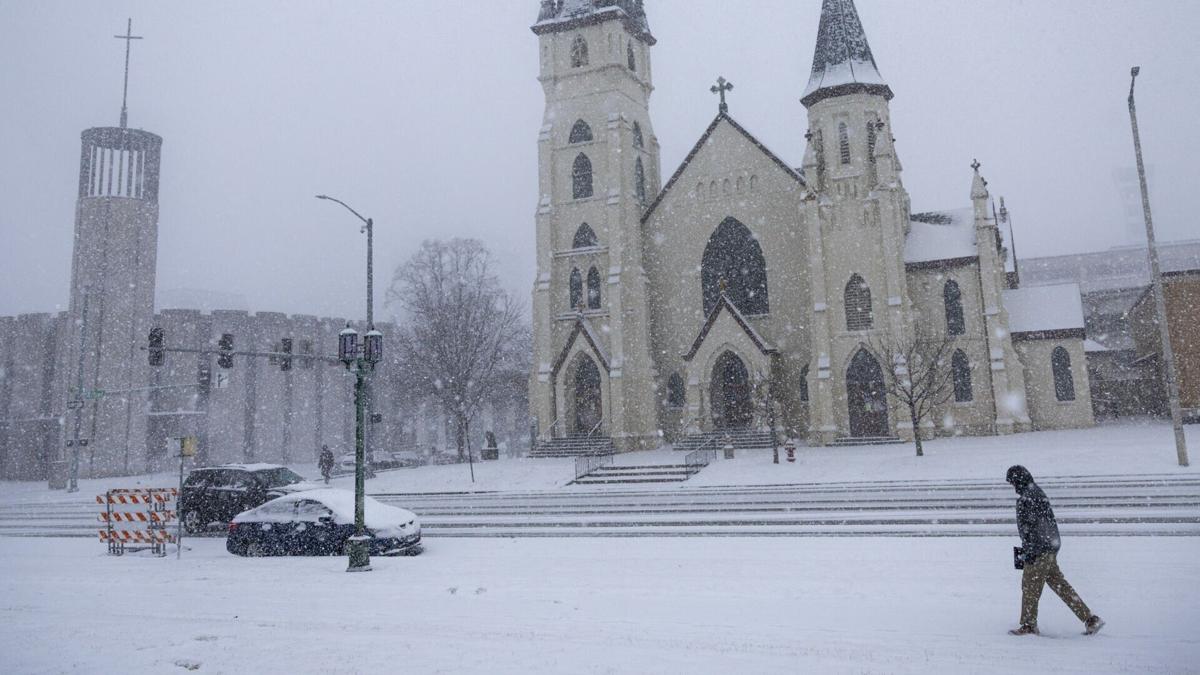
The United States is experiencing a critical energy affordability crisis that extends far beyond low-income households, creating significant market opportunities for e-commerce sellers. As of February 2026, one in six U.S. households is behind on utility bills, collectively owing $23 billion to electric and gas utilities. Electricity prices have surged more than 10% since January 2025, with winter heating bills projected to jump 11%—more than four times the inflation rate. A severe winter storm in late January 2026 pulled two-thirds of the nation into freezing temperatures across 20+ states, triggering emergency declarations and driving heating demand to multi-decade highs. Natural gas prices have risen nearly 50% year-over-year, with natural gas accounting for 40% of U.S. electricity generation and heating 46% of households. The average monthly residential electricity bill increased from $121 in 2021 to $156 in 2025—a 29% increase—with individual customers reporting 40-50% bill increases. This "perfect storm" combines extreme weather, elevated commodity prices, and surging data center electricity demand.
For e-commerce sellers, this crisis creates immediate and sustained product demand opportunities. Cold-weather apparel, space heaters, insulation materials, weatherstripping, thermal blankets, and energy-efficient HVAC components are experiencing accelerated demand as consumers seek to reduce heating costs. Sellers on Amazon, eBay, and Shopify can capitalize on search volume spikes for terms like "energy-efficient heater," "home insulation," "weatherproof sealing," and "smart thermostat." The AP-NORC poll documenting growing numbers of Americans experiencing extreme cold validates sustained consumer concern about temperature management. Regional variations matter: Northeast and Midwest sellers should prioritize heating products, while Southern sellers can focus on emergency preparedness and backup power solutions. Inventory turnover for cold-weather categories is accelerating, with some sellers reporting 200-300% increases in heating product sales during peak demand periods.
The broader market context indicates sustained opportunity through spring 2026 and beyond. U.S. electricity usage is projected to increase 1% in 2026 and 3% in 2027, driven largely by data center demand, which will keep energy prices elevated. The political implications—with pocketbook frustrations influencing voter behavior in 2026 midterm elections—suggest energy costs will remain a consumer priority. Sellers should monitor state-level public utility commission actions on rate increases, as regulatory changes could further accelerate consumer spending on energy-saving products. The crisis has shifted from affecting primarily low-income households to impacting middle-class families broadly, expanding the addressable market for premium energy-efficiency solutions. Logistics considerations include increased demand for expedited shipping of heating products during cold snaps, requiring sellers to maintain adequate inventory in regional fulfillment centers. The convergence of weather volatility, commodity price inflation, and consumer financial stress creates a multi-quarter opportunity window for sellers positioned in home efficiency, emergency preparedness, and cold-weather product categories.
Questions 8
How should sellers adjust pricing and positioning during the energy crisis?
Sellers should position energy-efficiency products as cost-saving investments rather than discretionary purchases. With average monthly electricity bills up 29% since 2021 (from $121 to $156), consumers view heating products as essential expenses. Pricing should emphasize payback periods—for example, a $200 space heater that reduces bills by $50/month pays for itself in 4 months. Sellers can highlight real-world examples from the news: a Kingston, NY resident received an $890 bill, while a DC resident's bill jumped from $350 to $550 in one month. Premium energy-efficient products targeting middle-class households show strong margins, as this segment is newly affected by the crisis and willing to invest in solutions. Avoid aggressive discounting; instead, emphasize quality, durability, and long-term savings. Bundle complementary products (heater + thermostat + insulation) to increase average order value.
What are the risks and mitigation strategies for sellers in heating product categories?
Primary risks include inventory obsolescence if extreme weather subsides, seasonal demand collapse in spring/summer, and increased competition from established retailers. Mitigation strategies include diversifying into year-round energy-efficiency products (smart thermostats, insulation, weatherproofing) that appeal beyond winter months. Monitor weather forecasts and utility company announcements to anticipate demand spikes. Use Amazon's demand forecasting tools and historical BSR data to avoid overstock. Consider 3PL providers for seasonal inventory management to reduce storage fees during off-peak periods. Maintain supplier relationships to enable rapid restocking during demand surges. Track competitor pricing and adjust positioning to emphasize unique value propositions (faster shipping, better reviews, bundled solutions). Regulatory changes could also impact product categories—monitor state energy efficiency standards that might restrict certain heater types or require specific certifications.