



Public Health Disinformation Battles Expose Critical Credibility Challenges
- Emerging Vaccine Policy Debates Reveal Deep Institutional Trust Fractures
































Overview
Public health communication is facing an unprecedented credibility crisis, as highlighted by the ongoing debates surrounding vaccine information and policy discourse. The emerging landscape reveals profound challenges in managing scientific messaging and maintaining institutional trust, particularly in sensitive domains like community health policy.
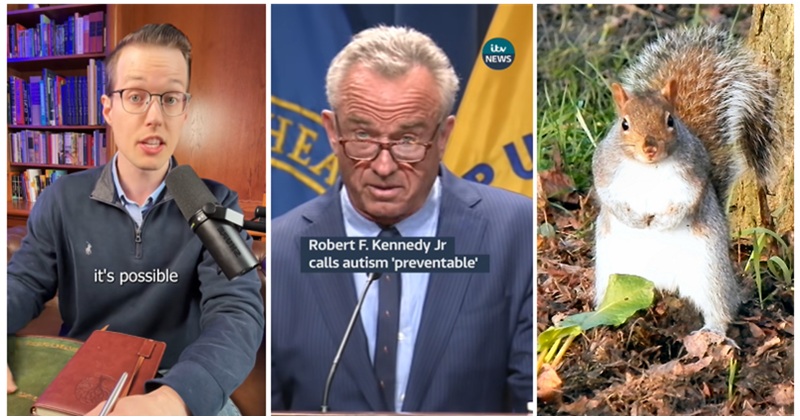
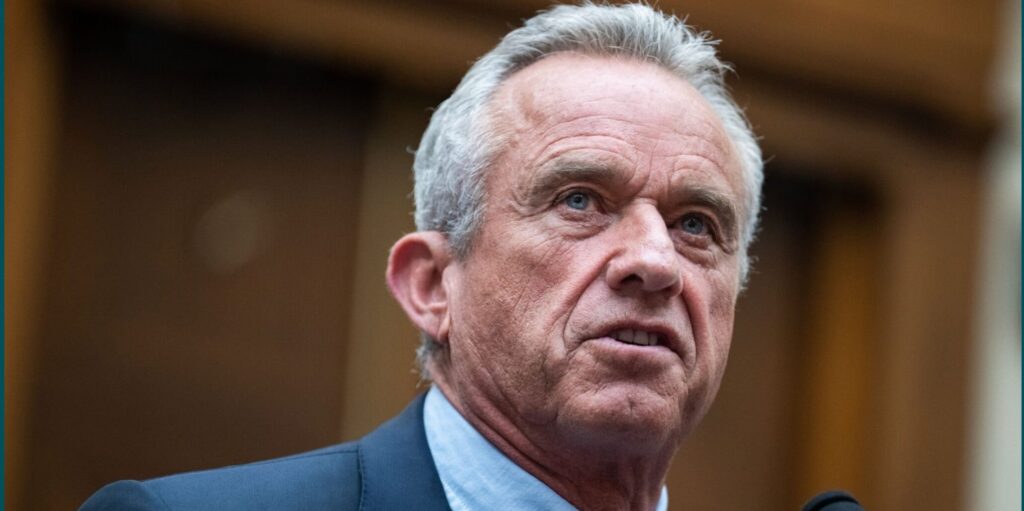
Disinformation dynamics are increasingly complex, with high-profile figures like Robert F. Kennedy Jr. amplifying skepticism about established medical narratives. The news items, focusing on regions like Chicago's South Side and Washington state, demonstrate how localized health challenges intersect with broader national communication struggles. These discussions go beyond mere medical facts, touching on deeper societal fault lines of trust, expertise, and information interpretation.
Strategic communication implications are significant. Public health institutions are no longer operating in a straightforward information transmission model but must now navigate a sophisticated landscape of competing narratives, personal beliefs, and media influence. The West Coast Health Alliance's explicit stance of rejecting certain narratives signals a more proactive approach to managing scientific communication.
The core challenge lies not just in presenting scientific data, but in rebuilding institutional credibility. Communities like Chicago's South Side reveal how disinformation can have tangible, generational impacts, potentially undermining public health efforts and creating long-term societal vulnerabilities. This goes beyond individual vaccine hesitancy—it represents a broader erosion of scientific trust that requires nuanced, empathetic communication strategies.
For policymakers and health communicators, the key takeaway is clear: traditional top-down information dissemination is insufficient. Rebuilding trust requires transparent, community-engaged approaches that acknowledge local contexts, address underlying concerns, and create genuine dialogue rather than prescriptive messaging.
Questions 3
What makes vaccine disinformation particularly dangerous in communities like Chicago's South Side?
In vulnerable communities, disinformation can have generational impacts, potentially undermining public health efforts, reducing vaccination rates, and creating long-term health vulnerabilities. The localized nature of these challenges requires nuanced, community-specific communication approaches.
How are public health institutions responding to vaccine disinformation?
Institutions like the West Coast Health Alliance are taking more proactive stances, explicitly challenging misinformation sources and developing targeted communication strategies. They're moving beyond traditional information sharing to directly confront and contextualize potentially harmful narratives.