


$170B Tariff Refund Window | Cross-Border Sellers Face 12-18 Month Recovery Timeline
- Supreme Court invalidates Trump tariffs on Feb 21, 2026; $133-170B in collected duties eligible for recovery; early litigation filers gain competitive advantage in refund process













Overview
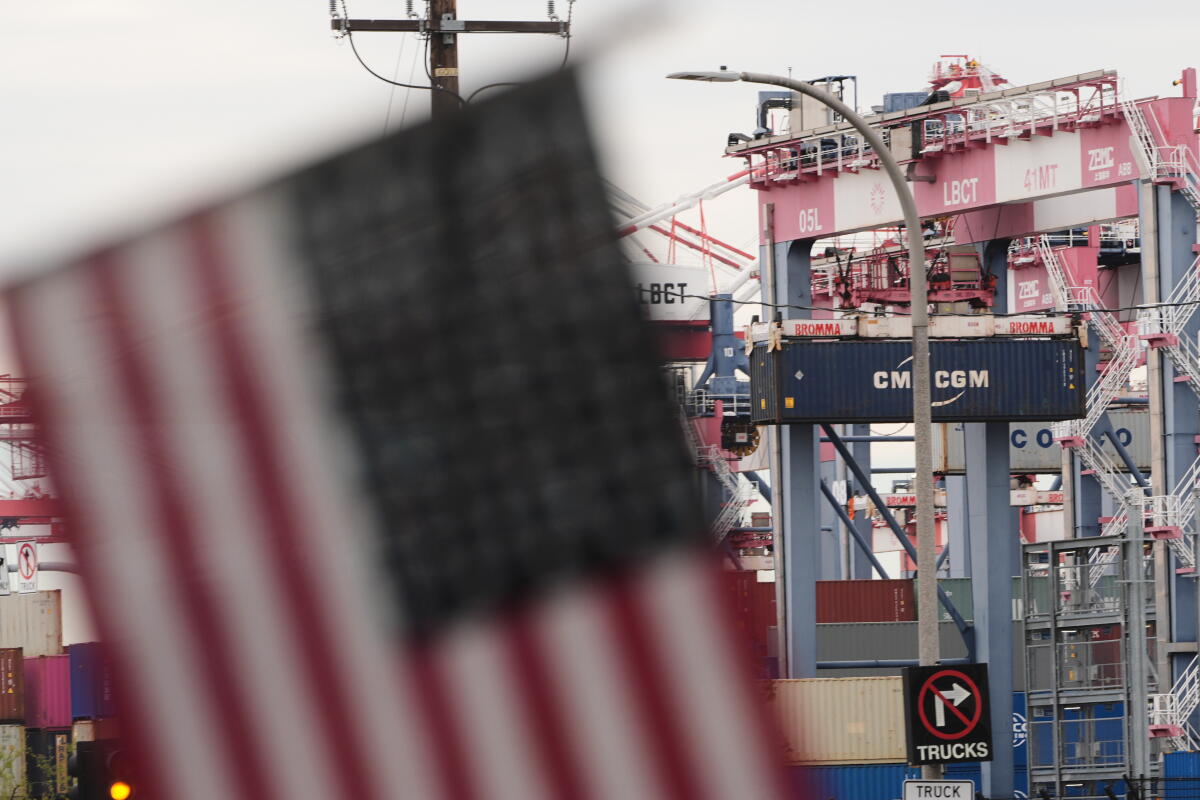
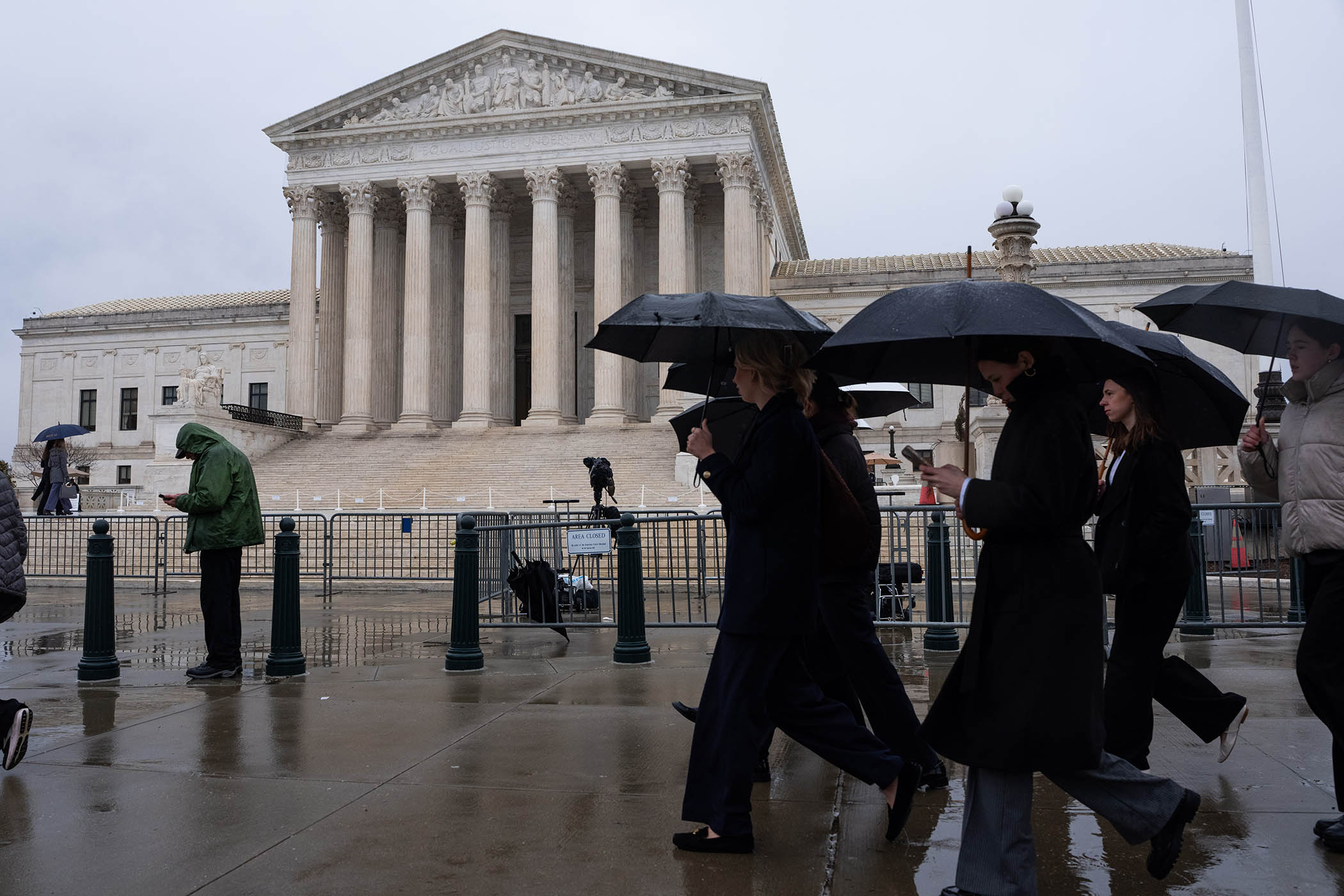
The U.S. Supreme Court's February 21, 2026 decision striking down Trump's tariffs under the International Emergency Economic Powers Act (IEEPA) creates a $170 billion tariff refund opportunity for cross-border e-commerce sellers, but with significant operational complexity. The 6-3 ruling determined that tariff authority belongs exclusively to Congress, invalidating double-digit tariffs on nearly all countries that generated $133 billion in collected import taxes by mid-December 2025. However, the Supreme Court provided no clear refund mechanism, leaving the process to be determined through the U.S. Customs and Border Protection agency, the Court of International Trade, and lower courts—a process expected to take 12-18 months with extensive litigation.
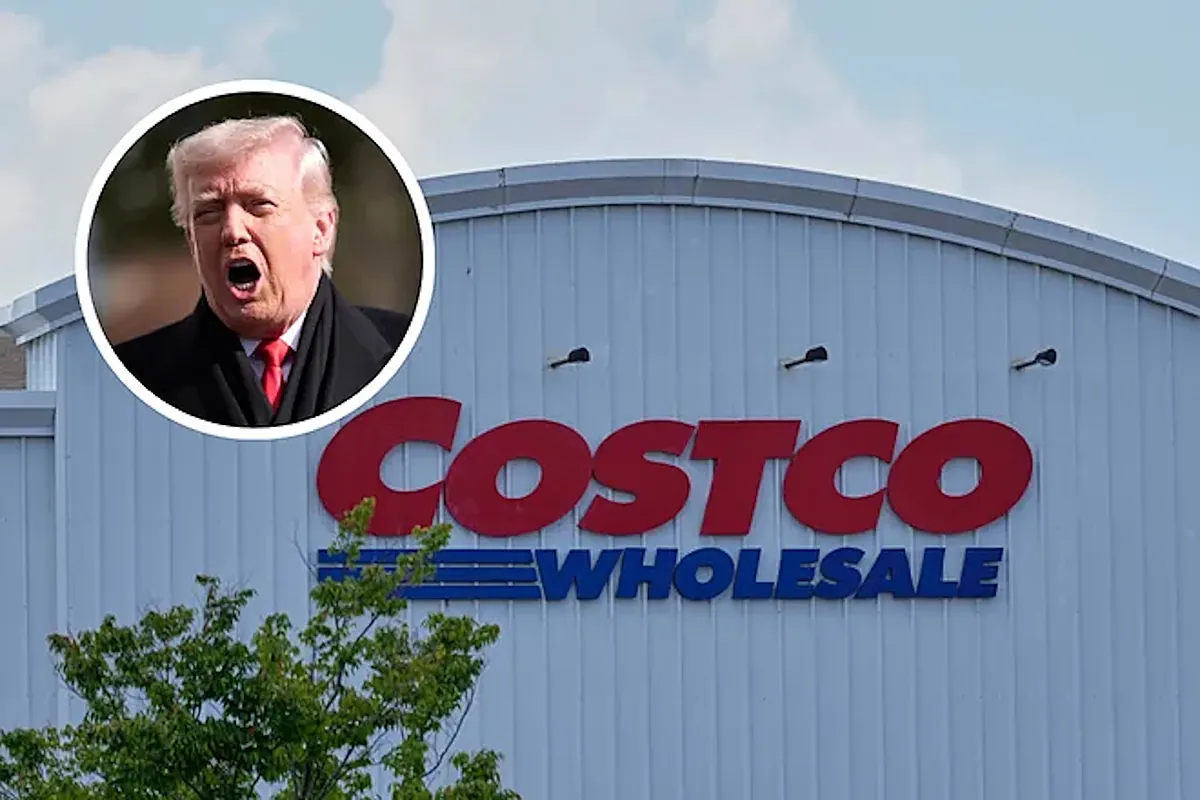
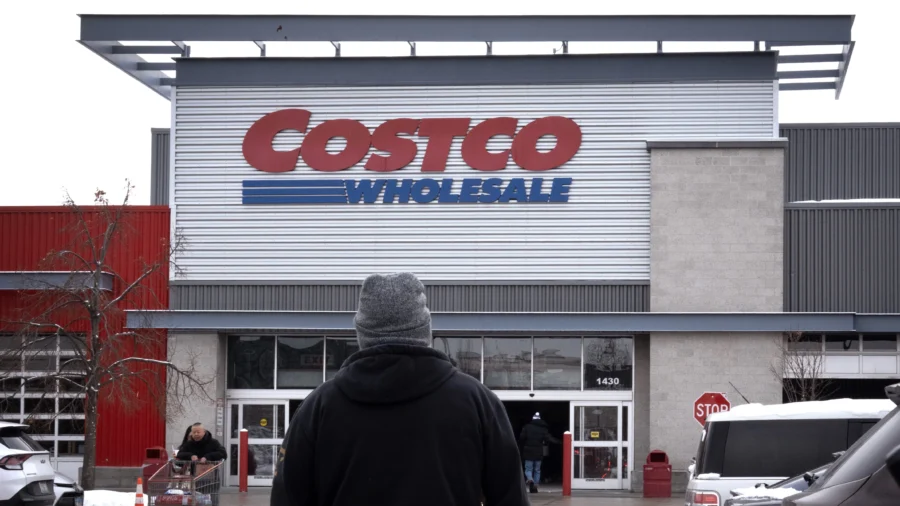
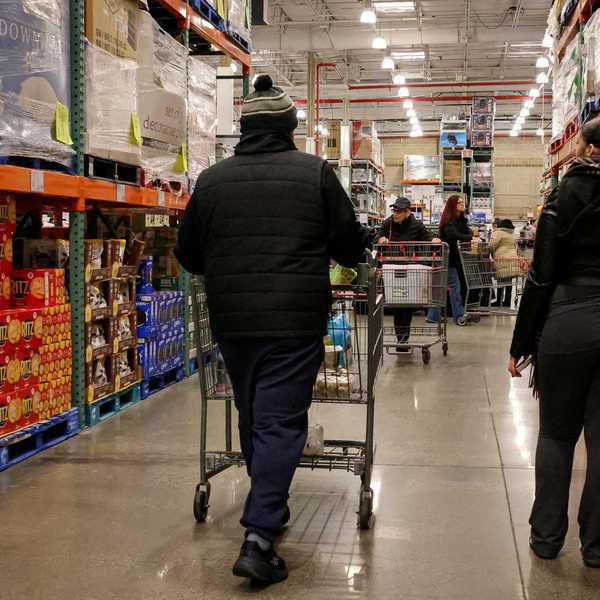
For e-commerce sellers, this creates a two-tier competitive advantage structure. Large retailers like Costco, which sued in December 2025 before the ruling, are positioned to recover tariffs more efficiently through documented claims and earlier administrative positioning. Companies with sufficient legal resources can accelerate recovery through litigation at the Court of International Trade, while smaller sellers face cash flow challenges awaiting administrative refunds. Trek Bicycle and thousands of other companies have filed lawsuits seeking refunds plus interest and legal costs, establishing a master plaintiff list that will determine resolution procedures. The refund timeline creates immediate cash flow pressure: sellers must maintain detailed tariff payment records while managing inventory and pricing strategies under uncertainty about whether new tariffs will be implemented at 15% (Trump's announced alternative using different legal authority).
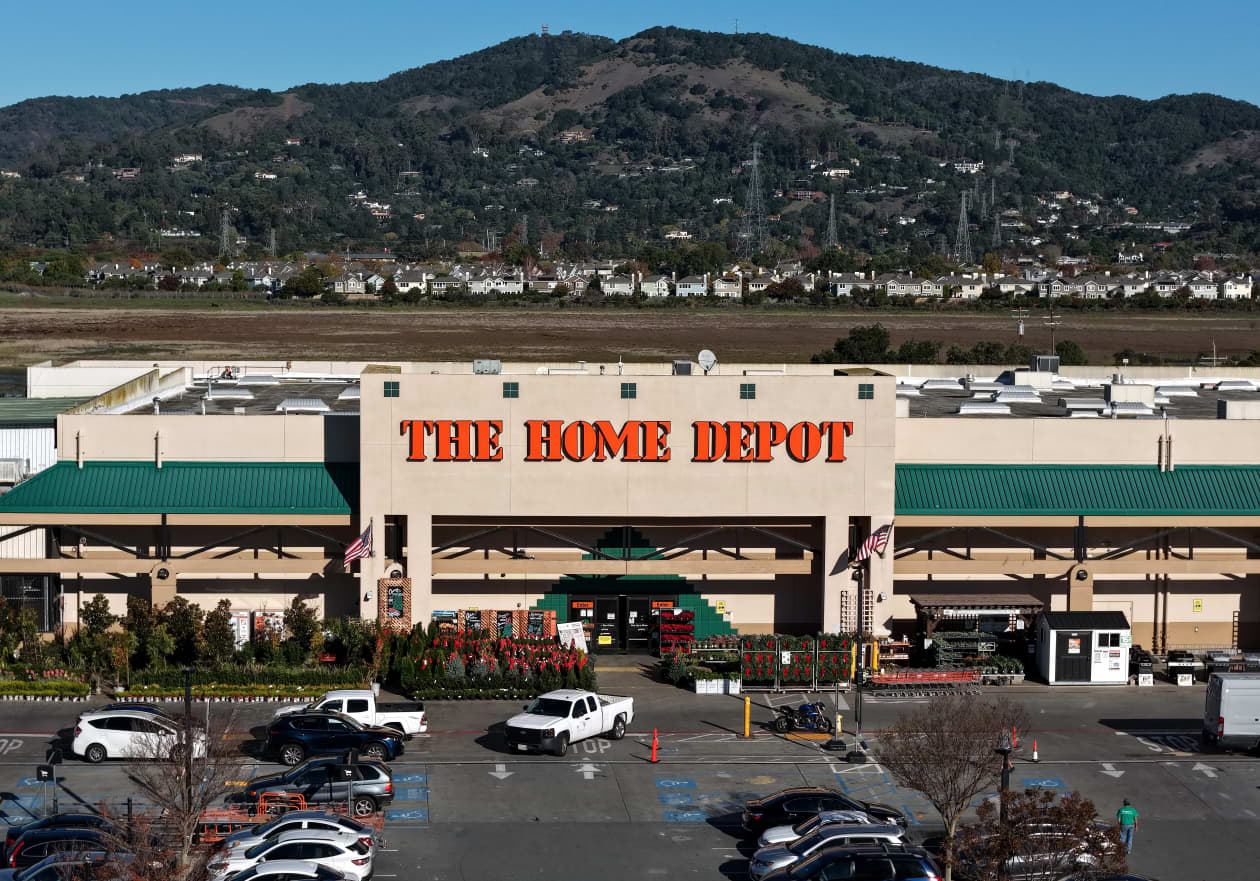
Strategic sourcing shifts are already underway. Steve Madden, which sourced 77% of products from China in 2024, has begun diversifying production to Vietnam, India, and other countries to hedge against future tariff risk. Home Depot, with over 50% U.S.-sourced products, has expanded manufacturing across multiple countries. This signals that sellers should evaluate sourcing country concentration: those heavily dependent on China-origin goods face both refund recovery opportunities AND future tariff exposure if Trump implements new tariffs under alternative legal authority. The refund process itself creates a documentation advantage—early filers with preserved claims face fewer procedural hurdles, while late filers may encounter administrative backlogs. Smaller businesses like Busy Baby, carrying $40,000 in tariff costs while losing $500,000+ in revenue, illustrate the cash flow crisis for sellers without legal resources to accelerate recovery. The ruling also signals that consumers are unlikely to see price reductions, meaning sellers who passed tariff costs to retail prices can retain margin improvements even as they recover tariff payments—a significant profit opportunity for companies that raised prices during the tariff period.
Questions 8
What is the fastest way for sellers to recover tariff payments?
Early litigation filing at the Court of International Trade appears to accelerate recovery compared to administrative processes. Costco's December 2025 lawsuit positioned the retailer favorably for faster refunds through documented claims that remain legally contestable. Trek Bicycle and thousands of companies have filed similar complaints seeking refunds plus interest and legal costs. However, some government officials suggest litigation may not be necessary. Sellers should consult trade lawyers to determine whether litigation or administrative claims better suit their tariff payment volume and legal resources. The Court of International Trade established a master plaintiff list, indicating consolidated resolution procedures will determine final recovery timelines.
Should sellers expect price reductions from tariff refunds?
No. Analysts warn that consumers are unlikely to see price cuts despite the tariff ruling. Sellers who passed tariff costs to retail prices during the tariff period can retain those margin improvements even while recovering tariff payments from the government. This creates a significant profit opportunity: sellers recover $133-170 billion in duties while maintaining elevated retail prices. However, this assumes Trump does not implement new tariffs at 15% using alternative legal authority, which he has announced plans to pursue. Sellers should monitor Trump's tariff announcements and prepare for potential new duties that could offset refund gains.