





Architectural Innovation Beyond Boundaries Frank Gehry's Design Legacy
- Exploring the transformative power of architectural creativity in shaping global cultural landscapes





















Overview
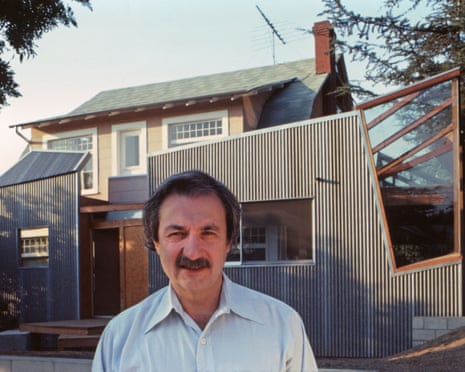
Architectural innovation emerges as a powerful narrative of cultural transformation through the lens of Frank Gehry's extraordinary design philosophy. The single news item about Gehry reveals a profound insight into how visionary architects transcend traditional boundaries, creating not just buildings, but iconic cultural landmarks that reshape entire urban environments.
Gehry's approach represents a radical reimagining of architectural potential, exemplified by his most famous work, the Bilbao Guggenheim Museum. This landmark demonstrates how architectural design can become a catalyst for urban regeneration and global cultural significance. The "maximalist master" approach goes beyond mere structural engineering, transforming architecture into a form of dynamic, sculptural storytelling that engages with its surrounding environment.
The strategic importance of architectural innovation lies in its ability to create transformative cultural experiences. Gehry's work illustrates how design can be more than functional—it can be a powerful medium of cultural expression and urban revitalization. His iconic structures challenge conventional architectural norms, proving that buildings can be living, breathing artistic statements that communicate complex narratives about creativity, innovation, and human potential.
By breaking traditional design constraints, Gehry has established a new paradigm where architecture becomes a form of global cultural dialogue. His approach suggests that true innovation transcends technical limitations, instead focusing on emotional resonance, visual impact, and the ability to inspire human imagination. This perspective transforms architecture from a purely functional discipline into a dynamic, storytelling medium that can reshape how we perceive and interact with built environments.
The broader implication extends beyond individual buildings—it represents a fundamental shift in understanding design as a transformative cultural force that can regenerate cities, inspire communities, and challenge our collective imagination about what is possible in human-created spaces.
Questions 3
How does Frank Gehry's architectural approach differ from traditional design?
Gehry's approach breaks traditional architectural constraints by treating buildings as dynamic, sculptural art forms. Instead of purely functional structures, he creates iconic landmarks that engage emotionally with their environment, transforming urban spaces through bold, innovative design that challenges conventional aesthetic norms.
What makes the Bilbao Guggenheim Museum a significant architectural achievement?
The Bilbao Guggenheim Museum exemplifies architectural innovation by becoming a catalyst for urban regeneration. Its striking design not only transformed the museum itself but revitalized the entire city of Bilbao, demonstrating how architectural creativity can generate economic and cultural value beyond the building's immediate physical structure.