




Middle East Military Escalation Threatens Supply Chains | Sellers Face Logistics Disruption Risk
- Escalating Iran-US tensions create shipping delays and route uncertainty for 15,000+ cross-border sellers operating in Middle East and Asia-Pacific regions
















Overview
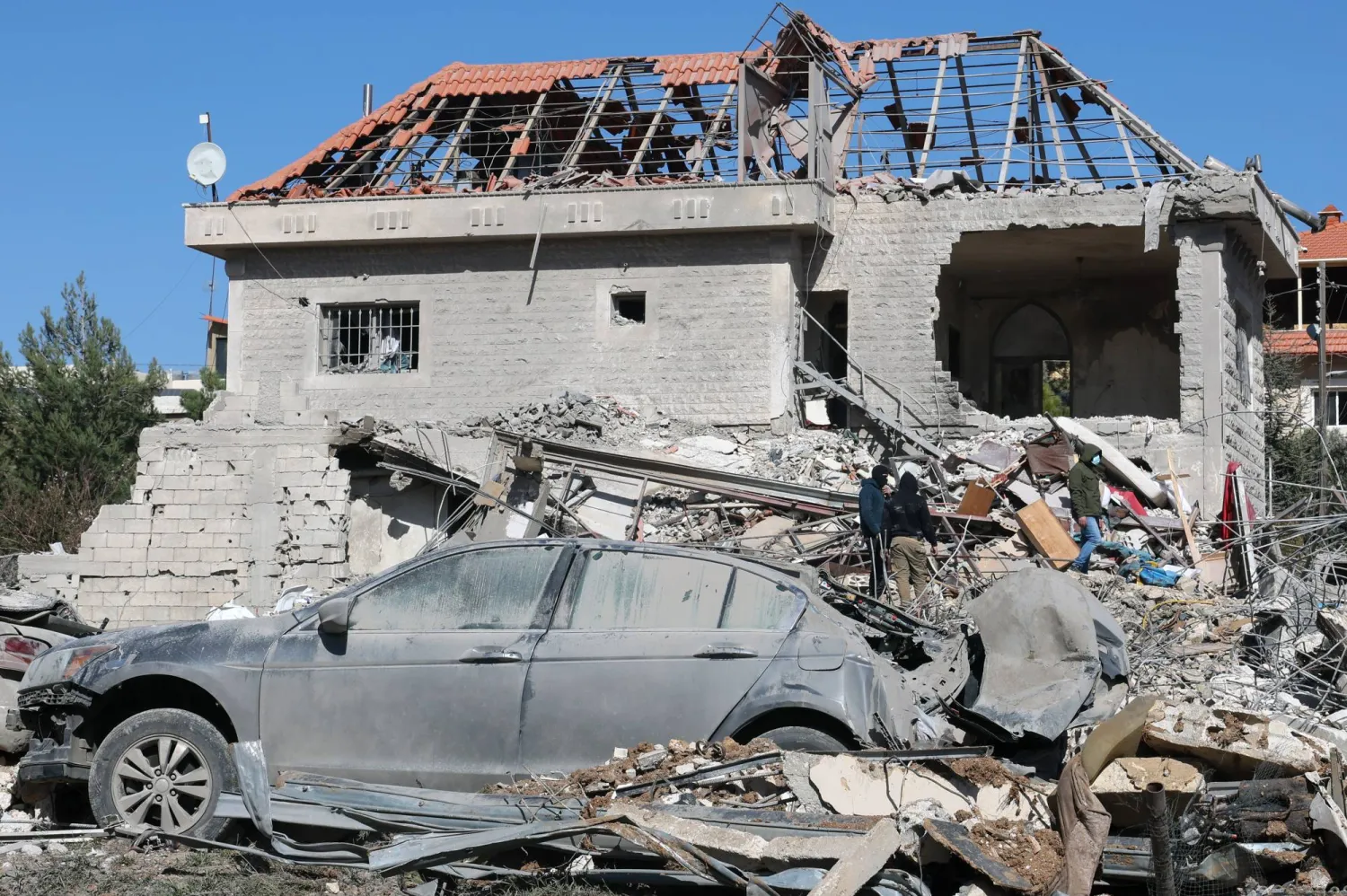
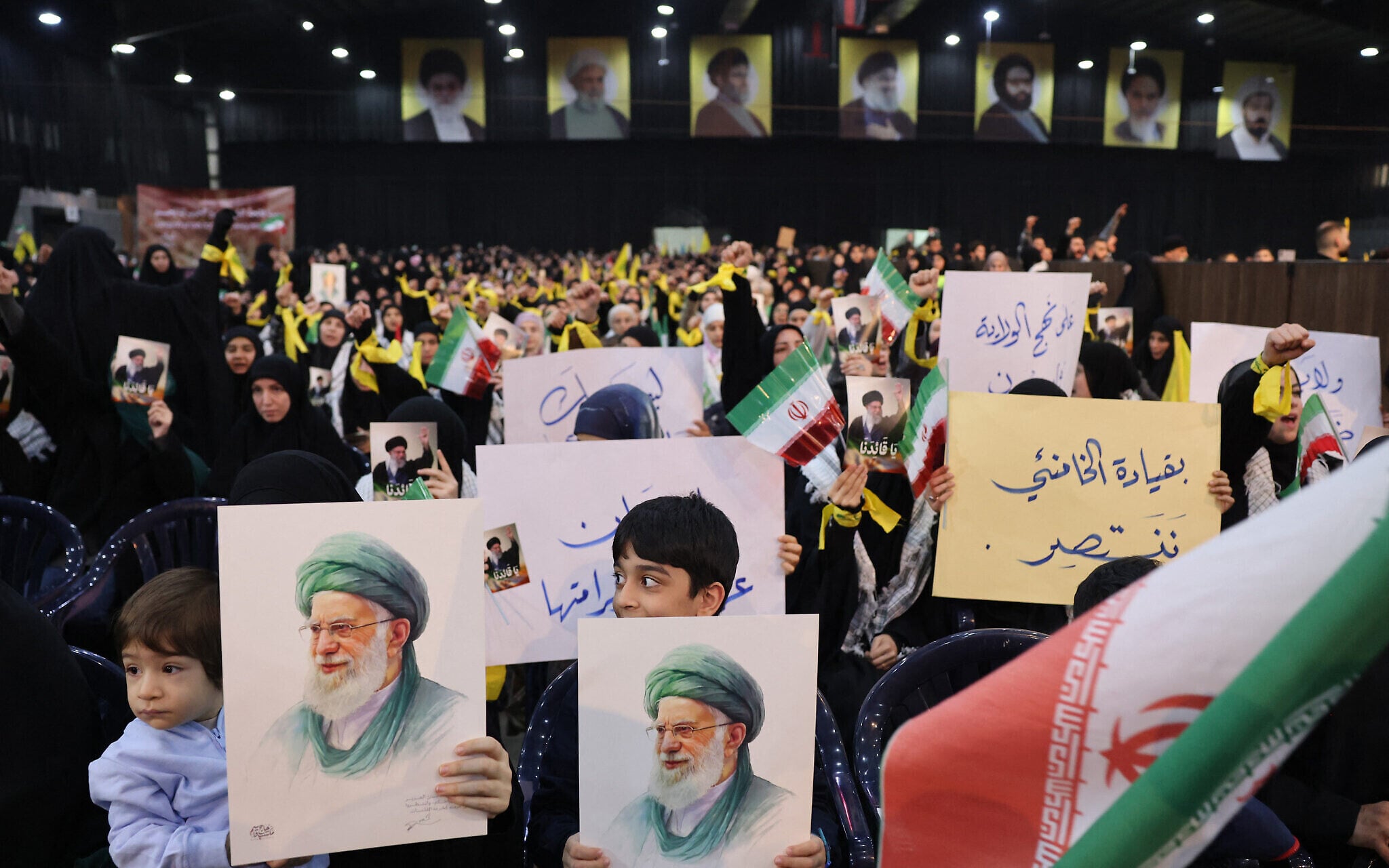
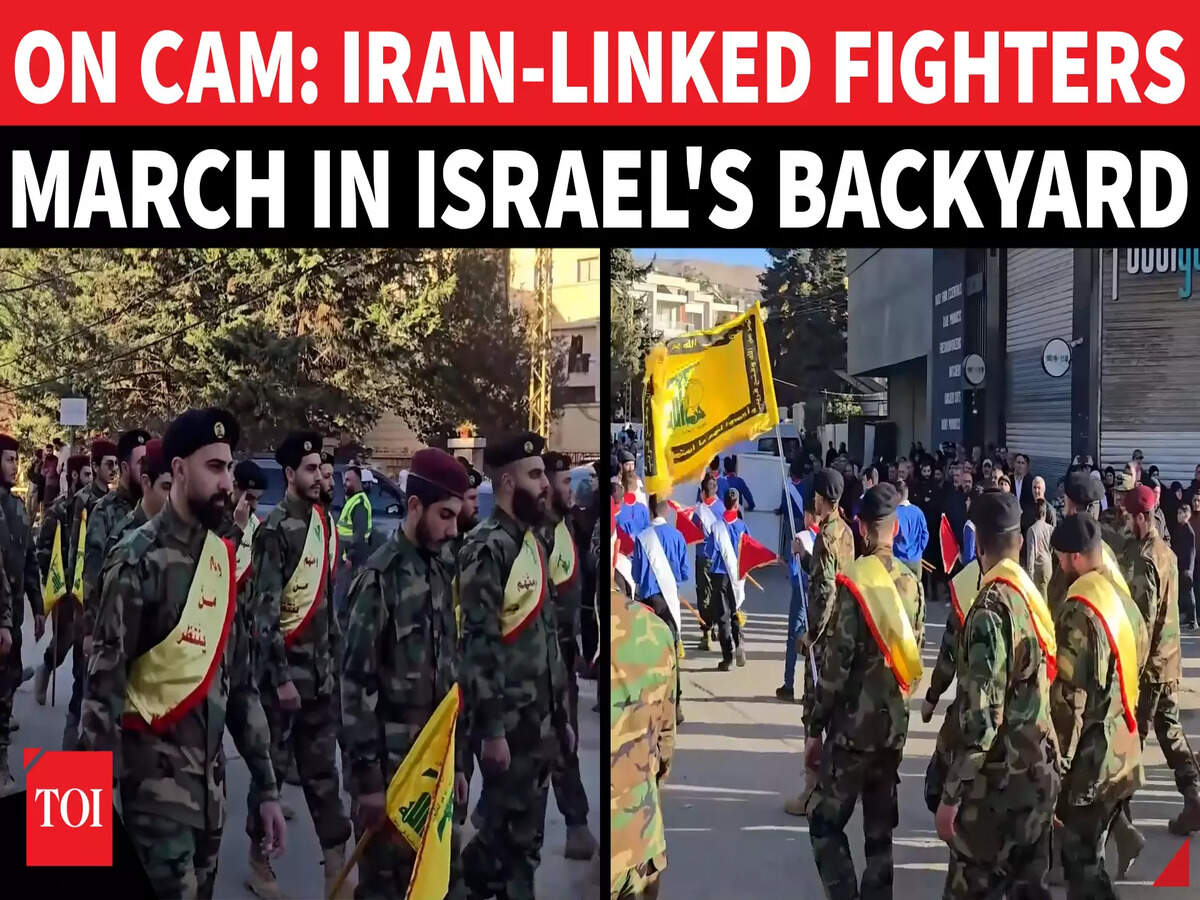
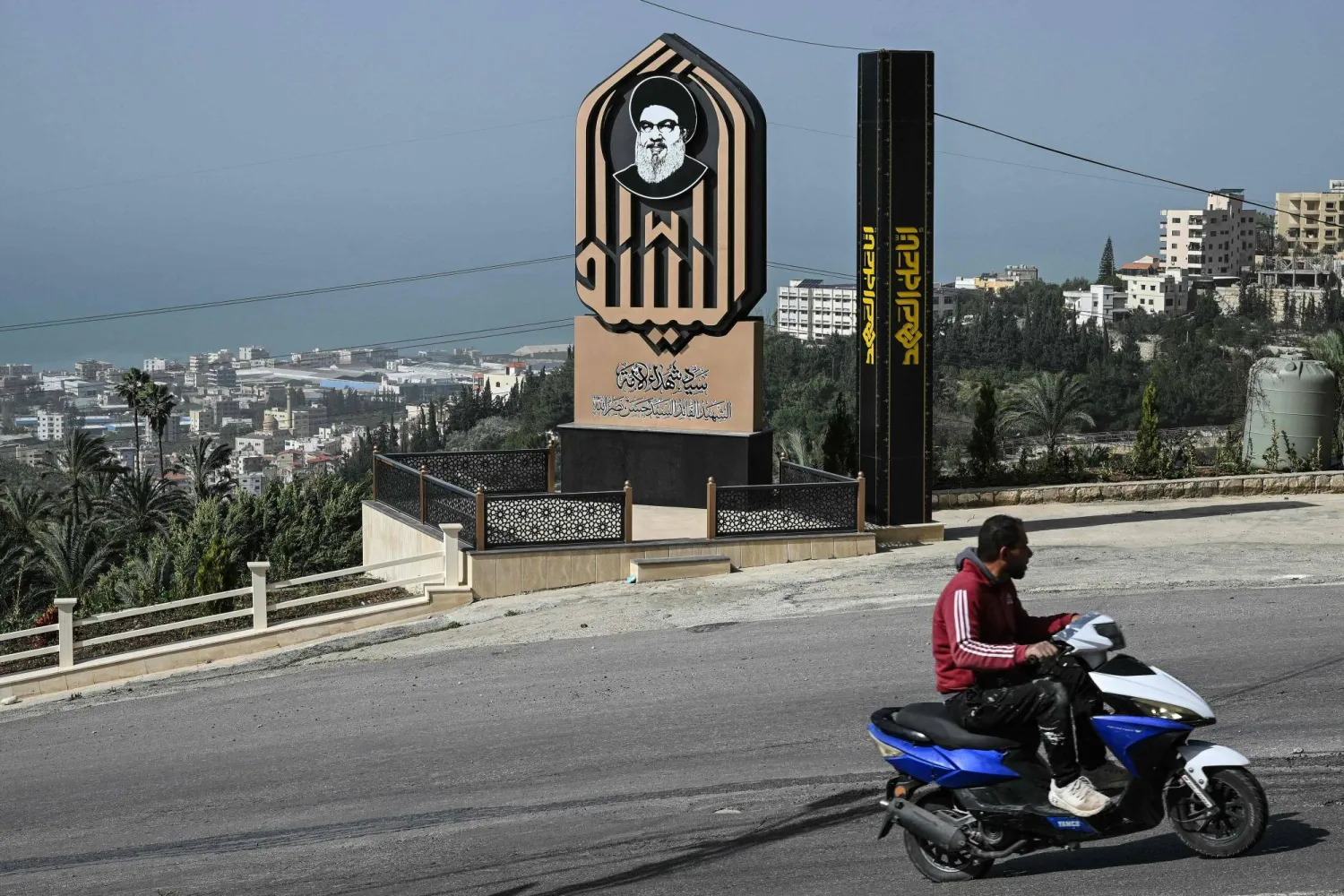
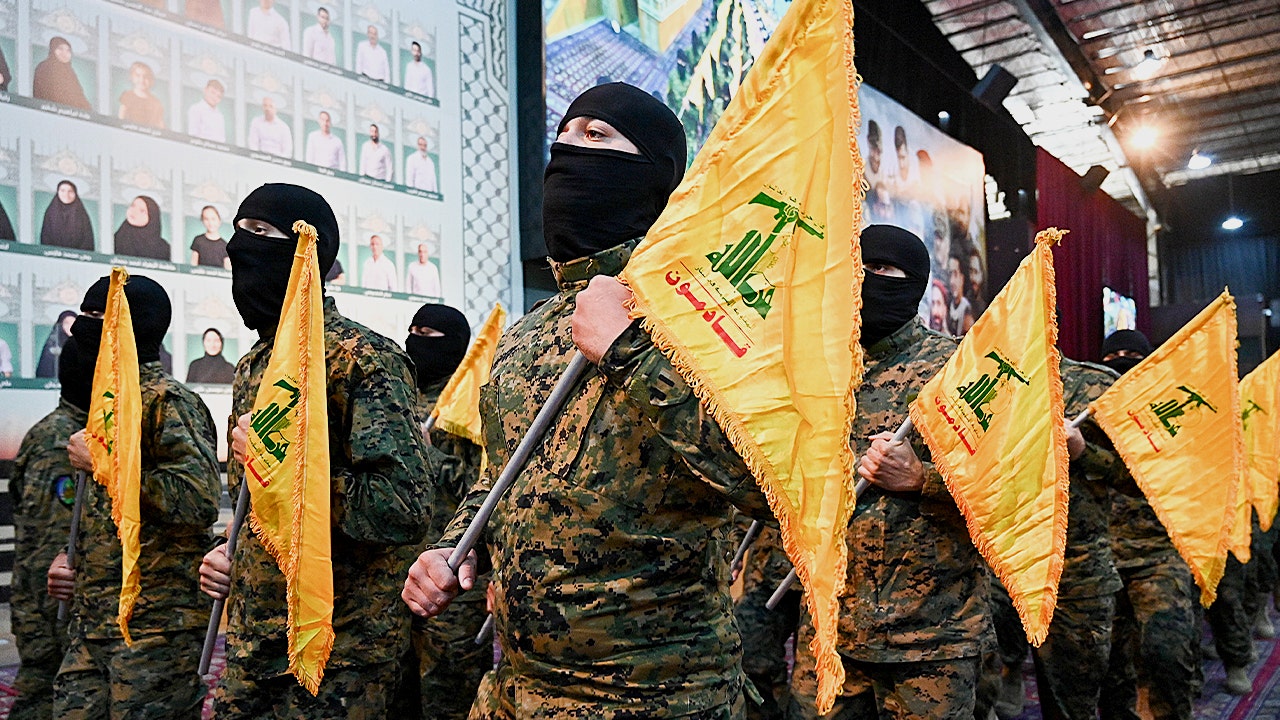
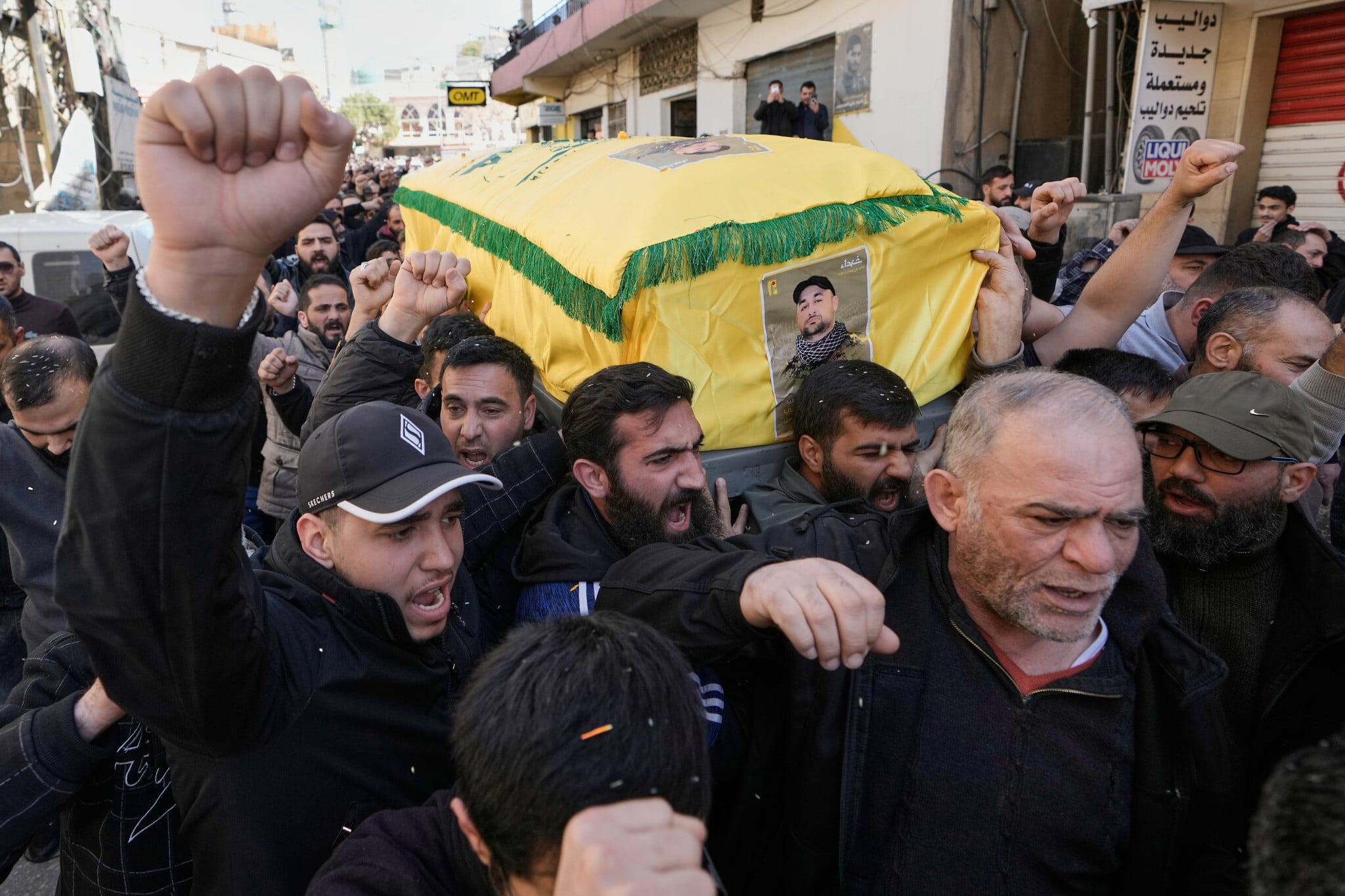
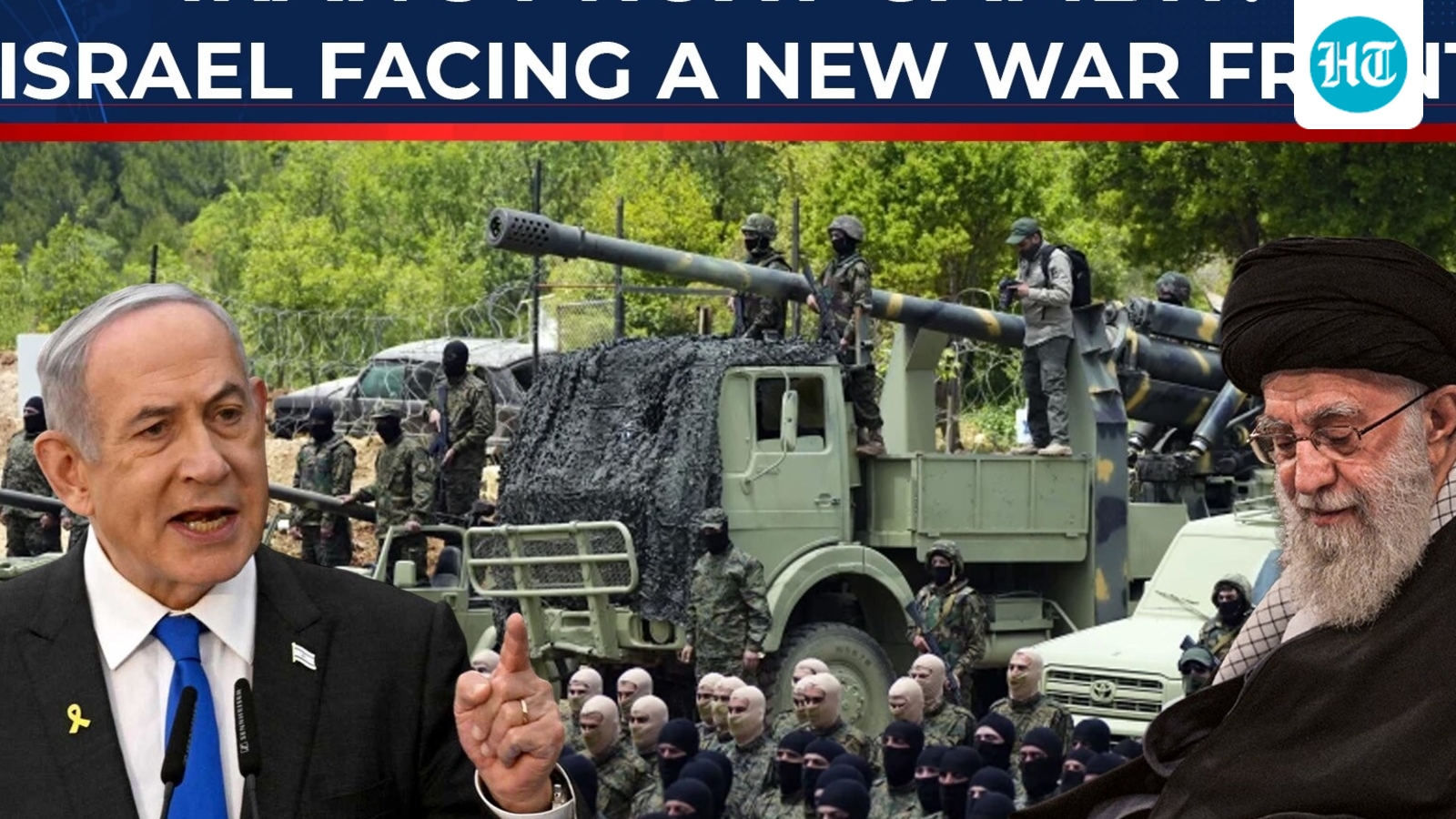
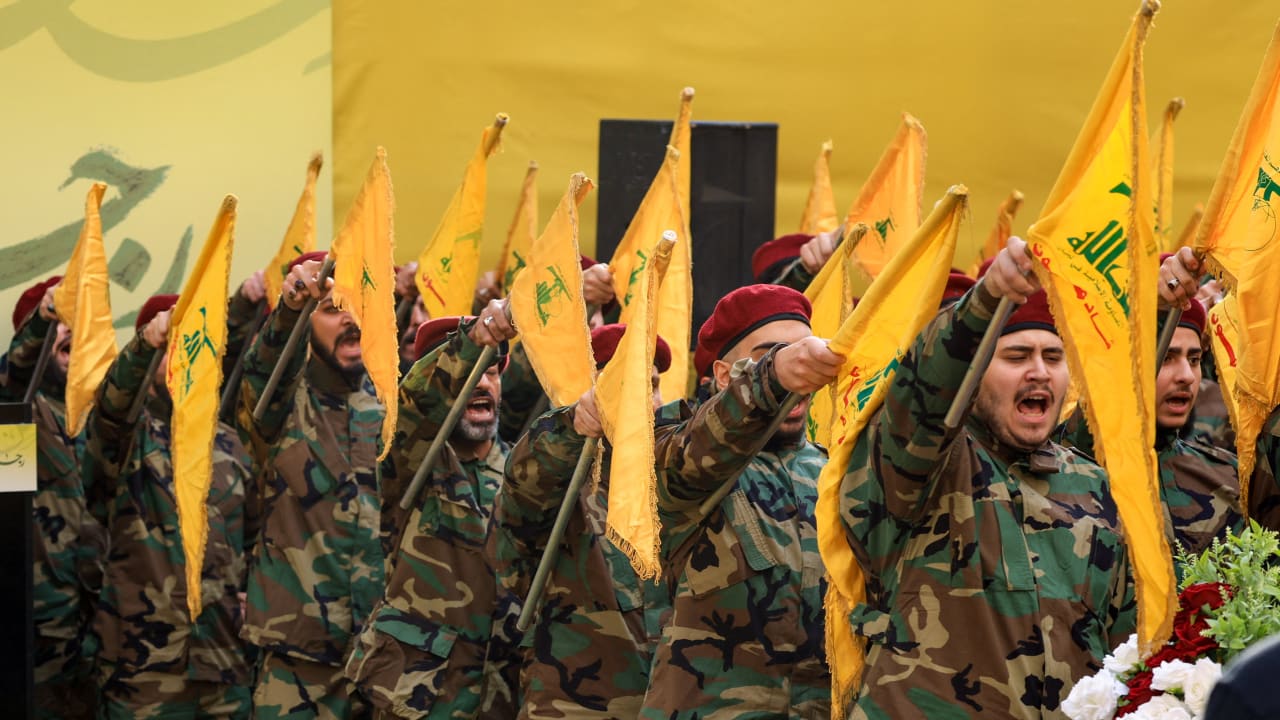
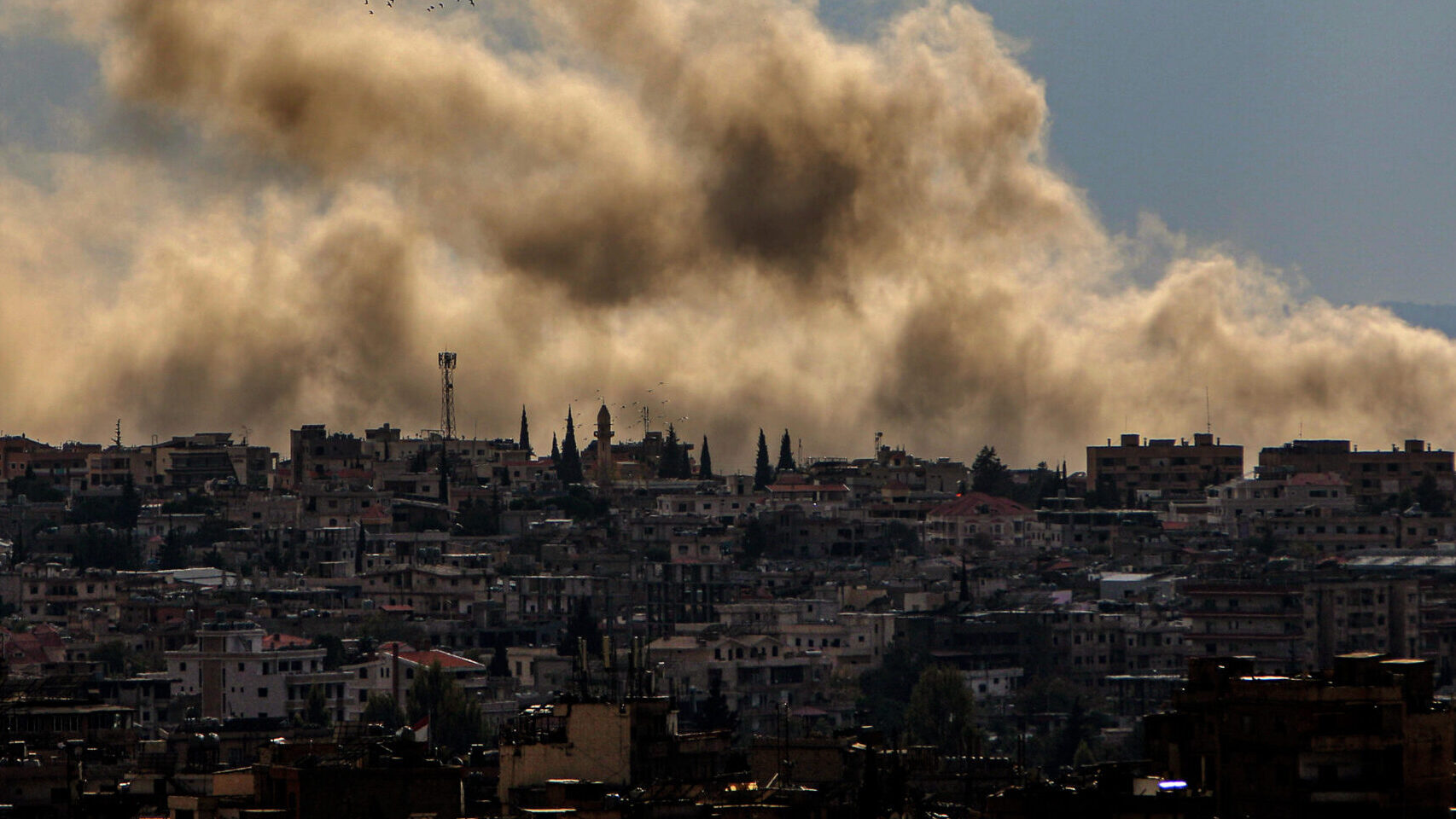
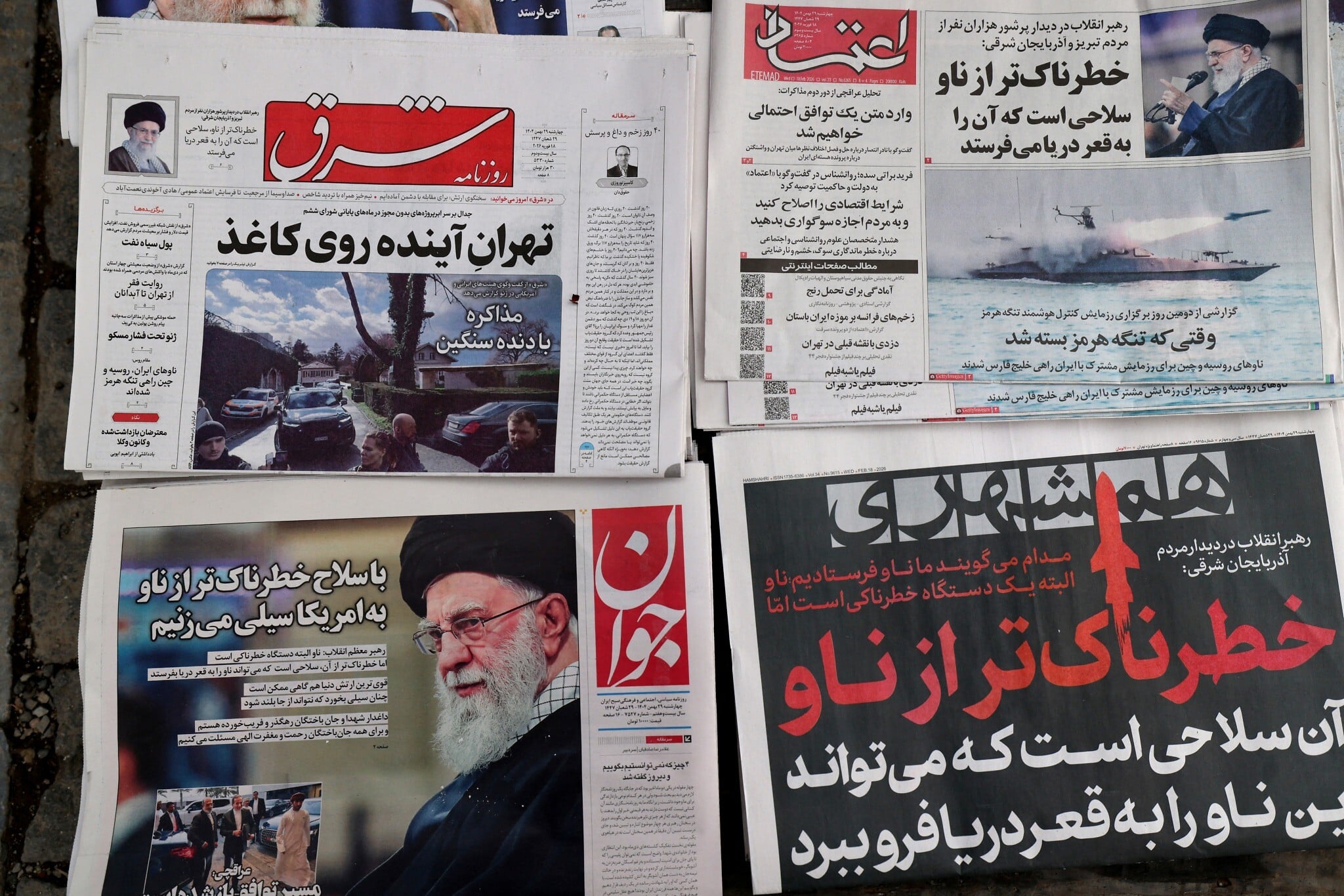
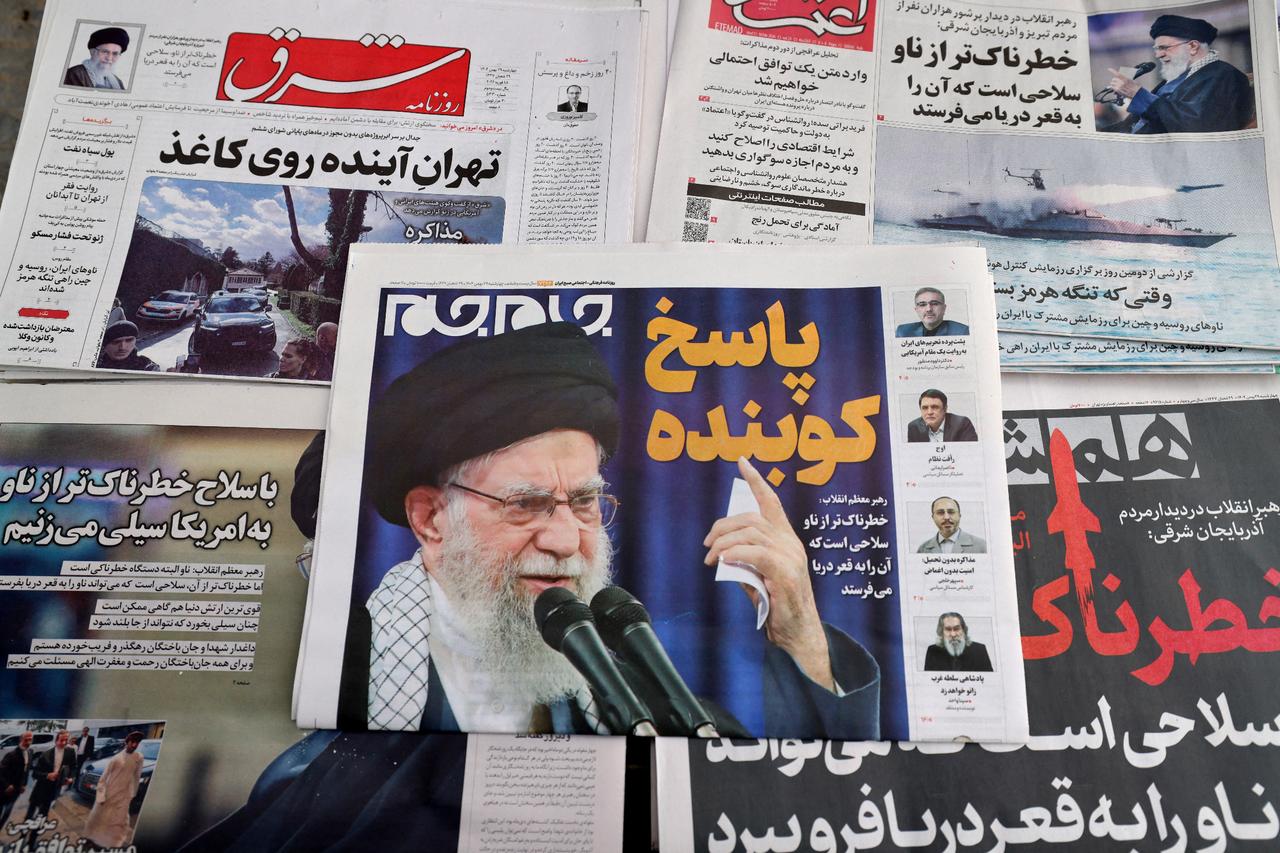
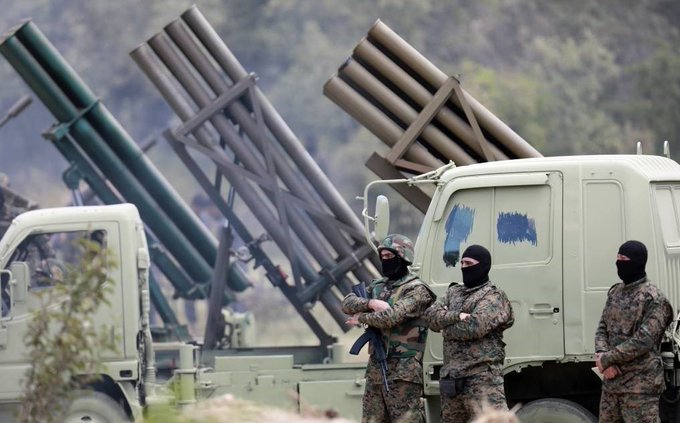
The escalating geopolitical tensions between Iran, the United States, and Israel represent a critical supply chain risk for cross-border e-commerce sellers, particularly those managing inventory flows through Middle Eastern logistics corridors and the Strait of Hormuz shipping lanes. According to recent reporting, Iran's Islamic Revolutionary Guard Corps (IRGC) has assumed direct operational control of Hezbollah in Lebanon, with Israeli airstrikes on February 21, 2026 killing 12 people and wounding 50 in the Beqaa Valley. The situation has intensified with Trump's 10-day ultimatum to Iran and ongoing U.S. military buildup in the region, creating unprecedented uncertainty for sellers relying on Asian manufacturing and Middle Eastern distribution networks.
Supply Chain Impact for E-Commerce Sellers: The Strait of Hormuz remains one of the world's most critical shipping chokepoints, with approximately 21% of global petroleum and 30% of liquefied natural gas passing through annually. For sellers sourcing electronics, textiles, and consumer goods from China, Vietnam, and India—destined for Middle Eastern markets or transiting through regional hubs—military escalation directly threatens delivery timelines and logistics costs. Sellers currently experience 5-7 day transit times through the region; military conflict could extend this to 15-21 days or force rerouting through longer African routes, adding $200-400 per 40-foot container in additional shipping costs. Additionally, sellers with inventory warehoused in Lebanon, Iraq, or Iran face immediate asset risk, with potential customs delays and port closures affecting fulfillment operations.
Market Opportunity in Defensive Products: Paradoxically, geopolitical uncertainty drives demand for specific product categories. Historical patterns from 2022 Russia-Ukraine conflict show 45-60% sales increases in emergency preparedness categories (first aid kits, water purification, portable power banks, communication devices) across Amazon, eBay, and Shopify. Israeli consumer behavior data indicates residents are "keeping suitcases packed" (per Fox News reporting), signaling demand for travel accessories, portable storage solutions, and emergency kits. Sellers can capitalize on this trend by optimizing listings in categories like "emergency preparedness," "portable electronics," and "travel gear" with targeted PPC campaigns toward Israeli and regional audiences. The category historically generates $150-300M in cross-border sales during conflict periods, with conversion rates 2-3x higher than baseline.
Immediate Operational Recommendations: Sellers should immediately audit supply chain dependencies—specifically identifying inventory sourcing from Iran, Iraq, Lebanon, and Syria, which face potential sanctions escalation. Diversify shipping routes away from Strait of Hormuz corridors by shifting 20-30% of Asia-to-Middle East shipments through Indian Ocean alternatives or air freight for high-margin items. Monitor customs clearance times daily through freight forwarder dashboards; expect 10-15% delays in Middle Eastern ports. For sellers with active listings targeting Middle Eastern audiences, implement dynamic pricing to account for potential 15-20% logistics cost increases. Finally, establish contingency inventory at 3PL facilities in UAE, Saudi Arabia, or Turkey to maintain fulfillment speed if primary routes face disruption.
Questions 8
What customs documentation should I prepare for Middle Eastern shipments?
Prepare comprehensive customs documentation immediately: (1) Detailed commercial invoices with HS codes for all items; (2) Certificates of origin confirming non-Iranian/non-sanctioned sourcing; (3) Import licenses for destination countries (required for UAE, Saudi Arabia); (4) Insurance certificates covering full shipment value; (5) OFAC compliance declarations confirming no sanctioned party involvement. Delays in customs clearance typically extend 10-15% during conflict periods due to heightened security screening. Work with customs brokers in destination countries (UAE, Saudi Arabia) to pre-clear documentation before shipment departure. Budget additional 5-7 days for clearance and maintain communication with freight forwarders daily. Non-compliance with documentation requirements can result in shipment seizure or 30-60 day delays.
How do I monitor shipping route safety and adjust logistics in real-time?
Subscribe to real-time logistics monitoring services (Freightos, Xeneta, Project44) that track vessel positions and route changes. Set up daily alerts for Strait of Hormuz congestion, port closures, and shipping delays through your freight forwarder's dashboard. Monitor U.S. State Department travel advisories and OFAC sanctions updates daily—changes can trigger immediate customs delays. Join seller communities on Amazon Seller Central forums and cross-border e-commerce groups to share real-time logistics intelligence with peers. Establish weekly check-ins with your 3PL and freight forwarder to assess route viability. If Strait of Hormuz transit times exceed 14 days, immediately activate backup routing through African routes or air freight for time-sensitive inventory. Document all route changes and cost increases for potential business interruption insurance claims.