


The Final Showdown — How 'The Boys' Concludes Its Explosive Political Satire Saga
- A groundbreaking series finale that promises to deconstruct superhero mythology and political power dynamics






















Overview
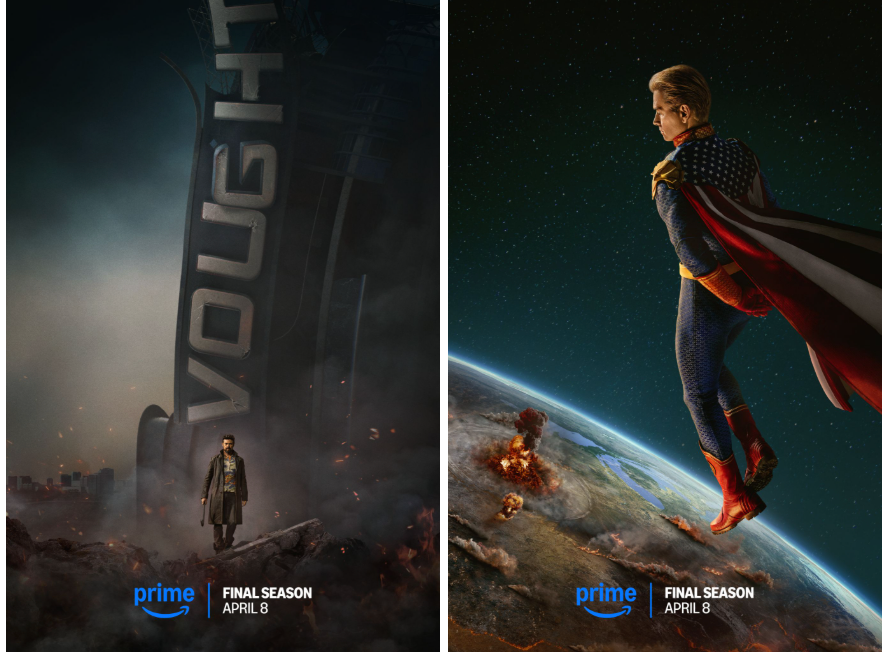
The Boys is set to deliver its most provocative narrative conclusion, marking a pivotal moment in contemporary television's approach to political allegory and superhero deconstruction. Scheduled to premiere on April 8, 2026, and conclude on May 20, 2026, the fifth and final season represents more than just a series finale—it's a culminating statement about power, media manipulation, and societal corruption.
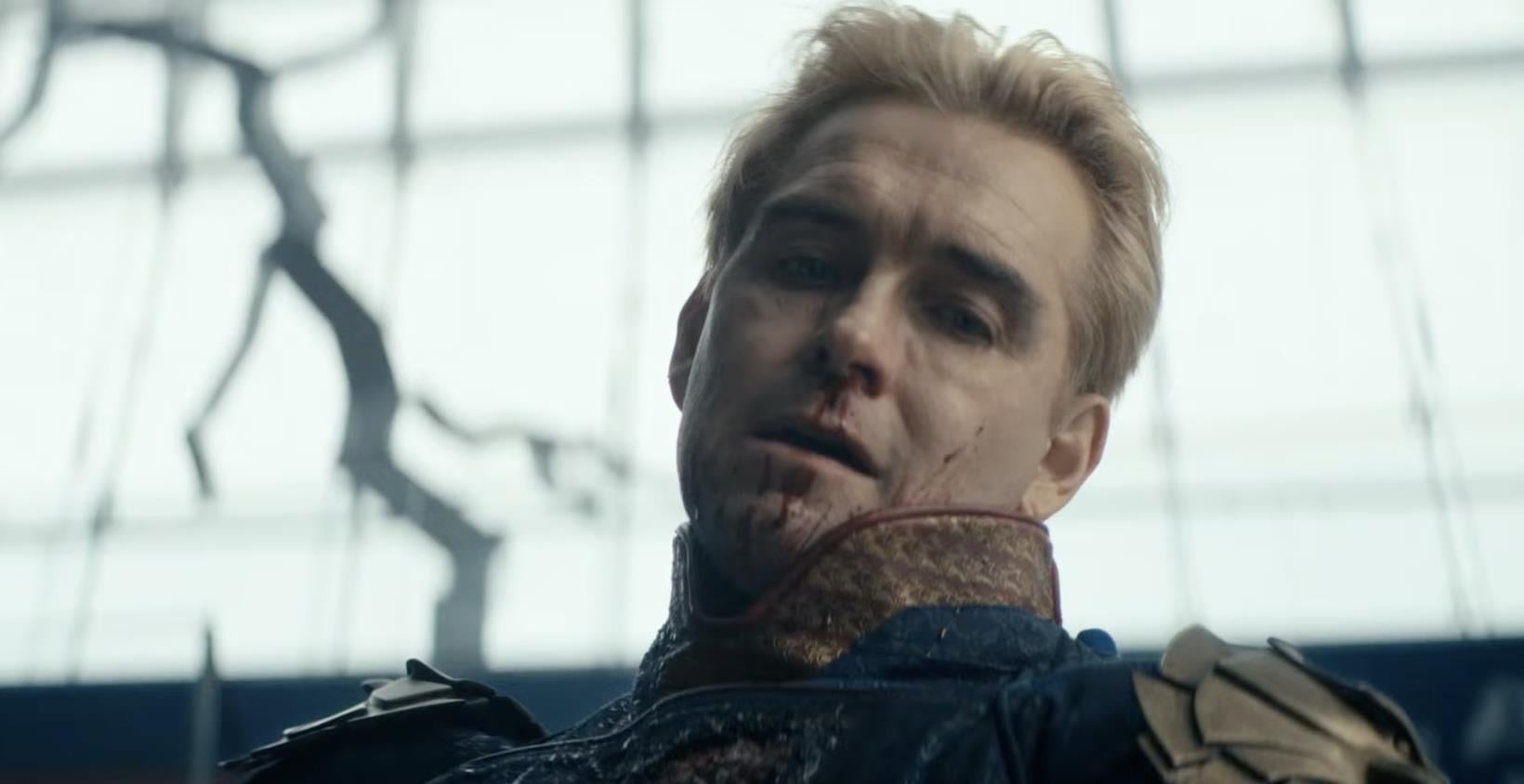
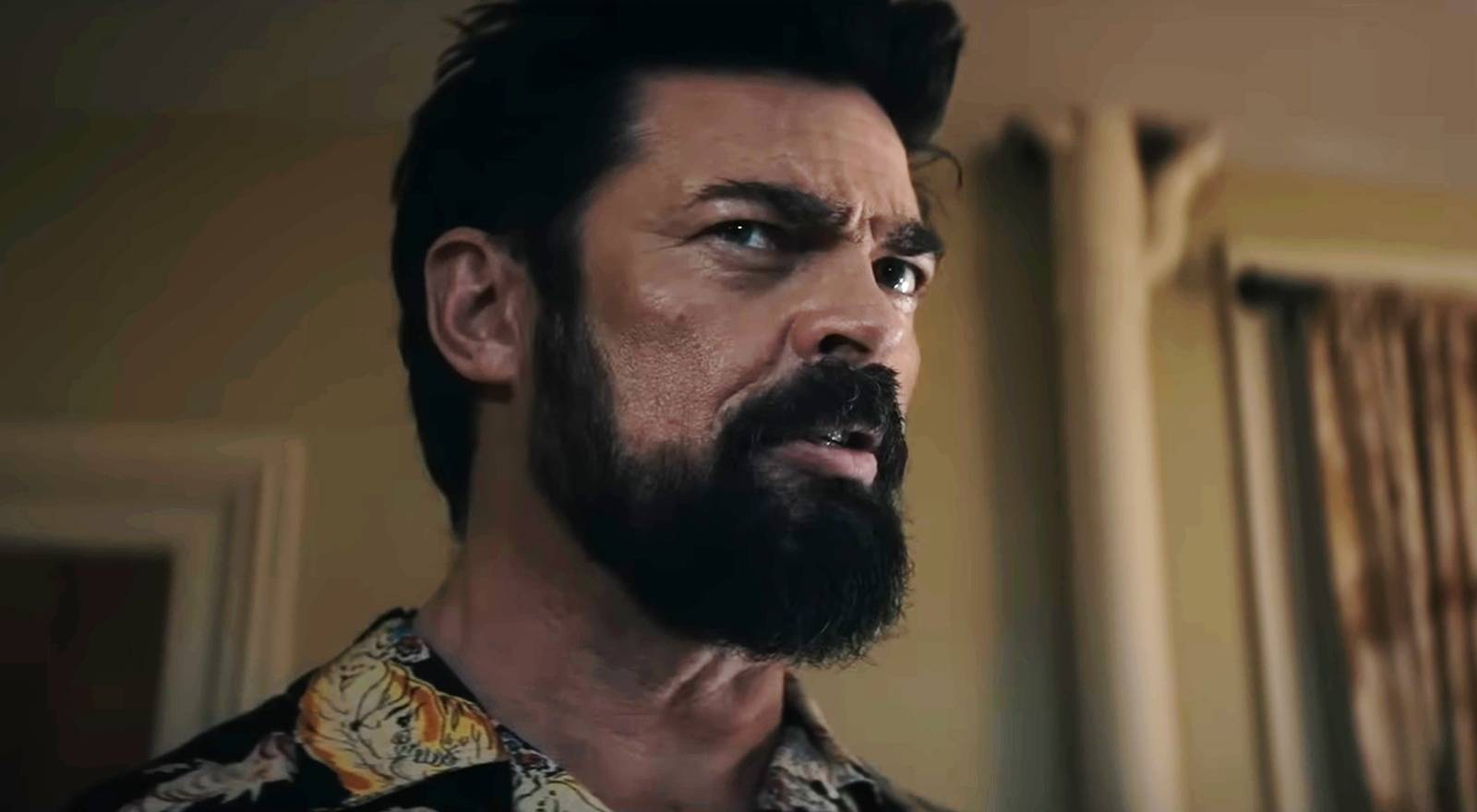
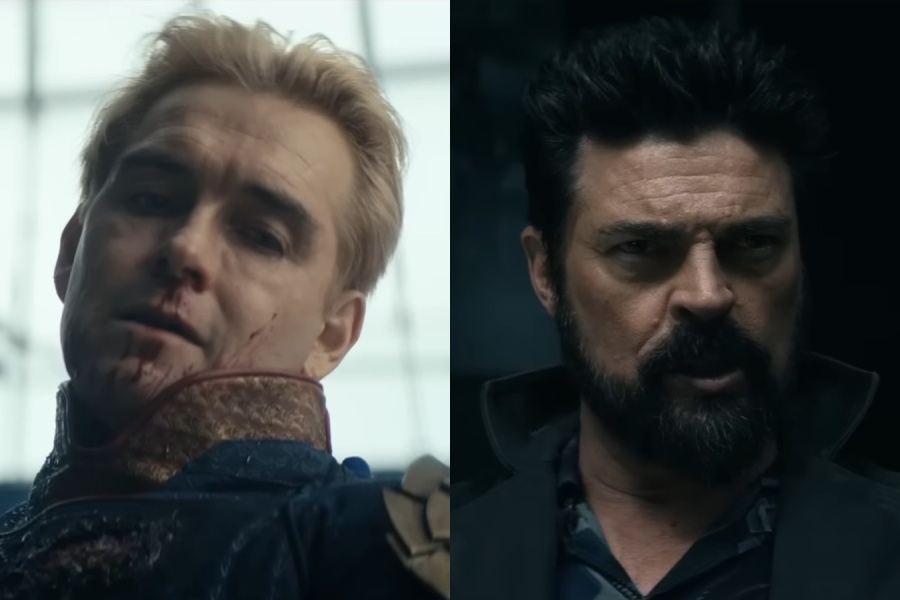
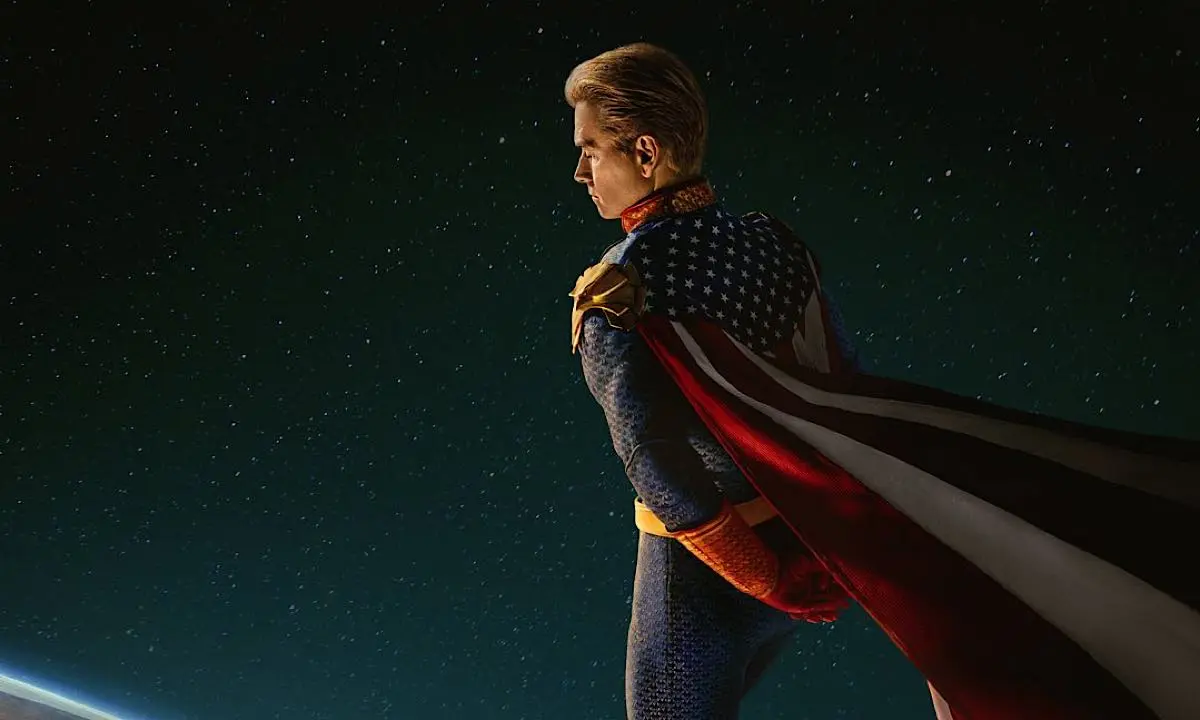
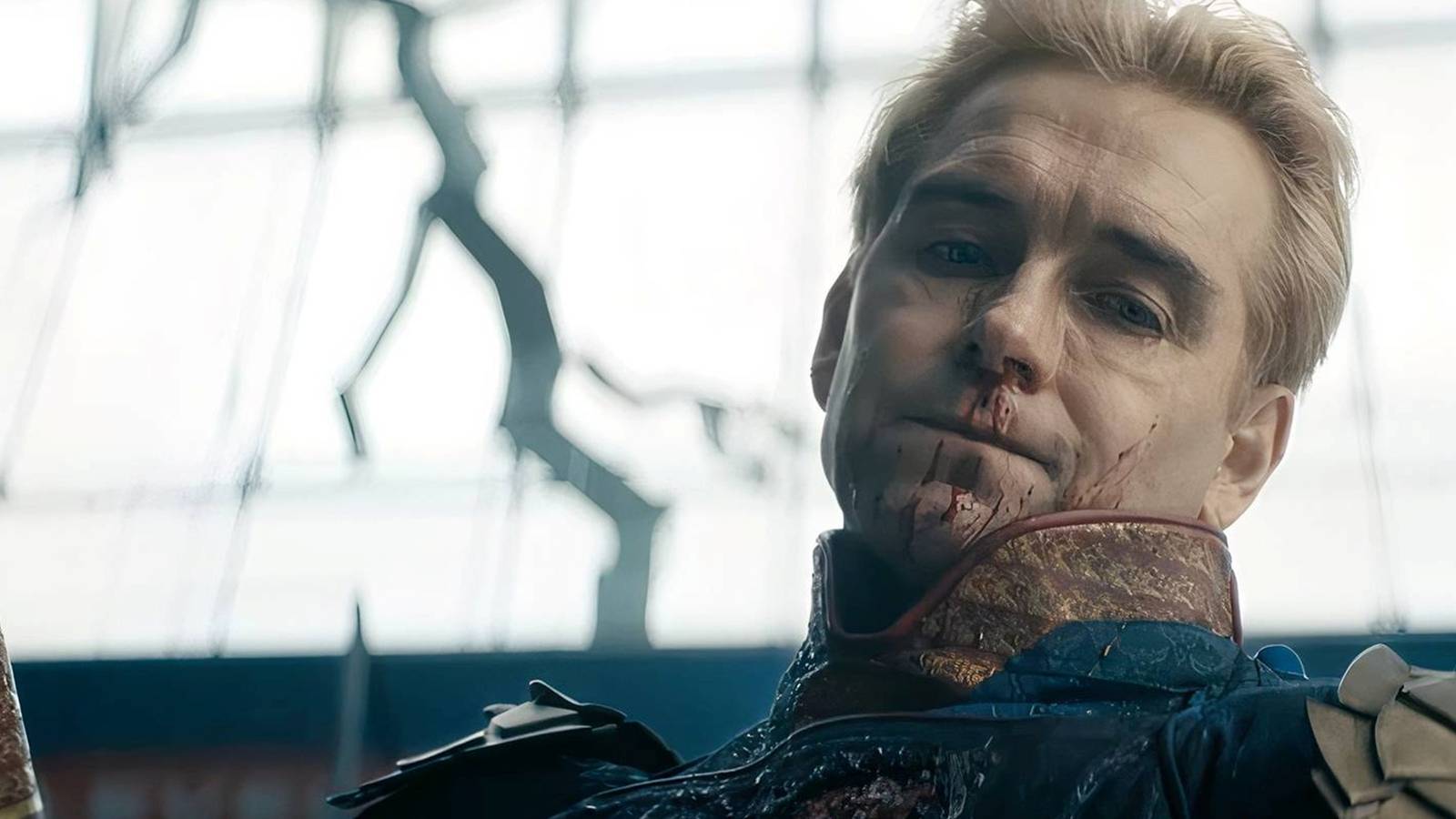
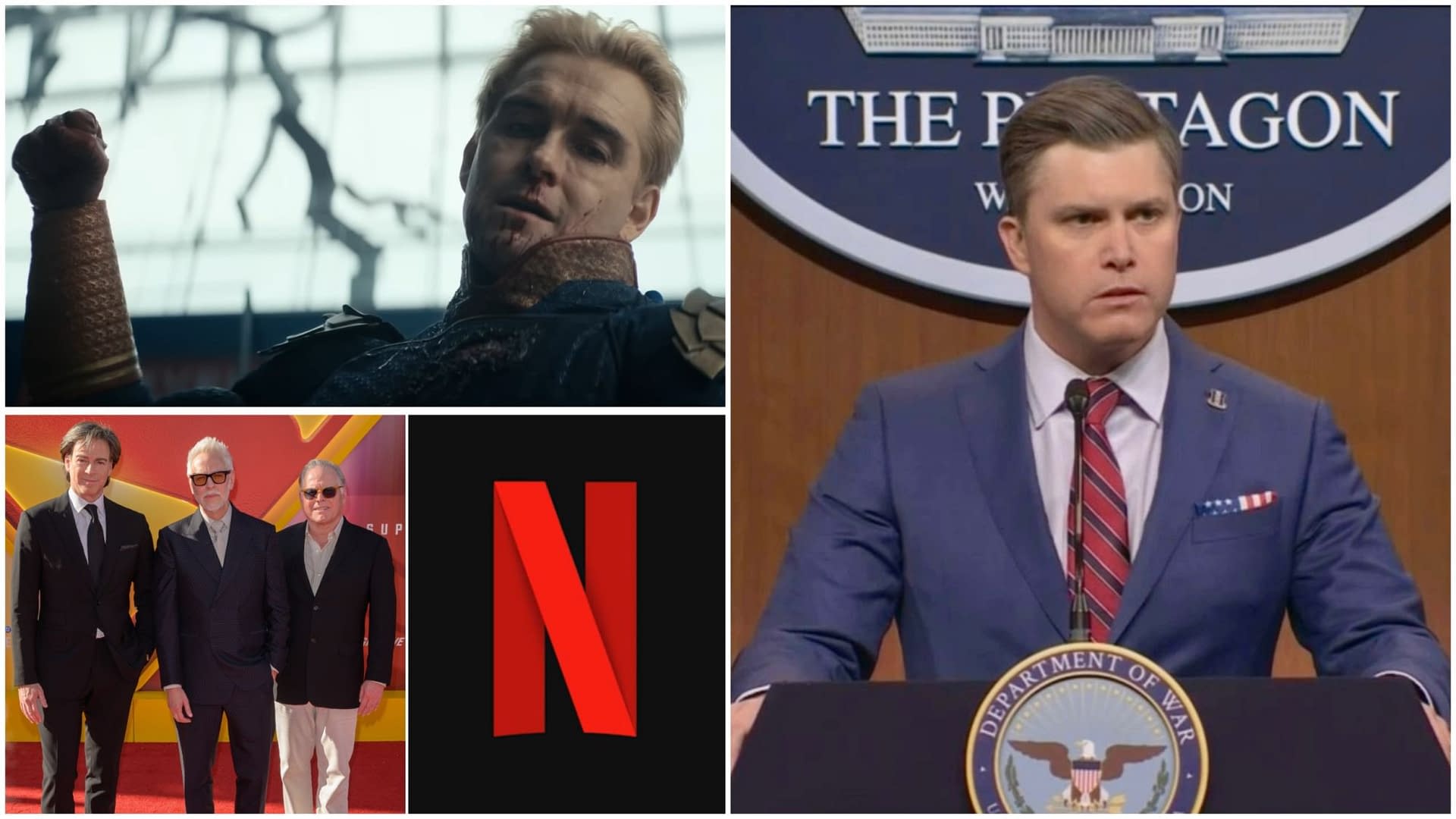
Creator Erik Kripke's strategic storytelling has consistently transformed the show into a mirror reflecting real-world political tensions. The upcoming season's trailer reveals a dystopian America under Homelander's dictatorship, a narrative arc that deliberately echoes the complex political landscape shaped by populist movements. This isn't merely coincidental; Kripke has explicitly noted the show's evolution in response to Donald Trump's political rise, demonstrating how speculative fiction can provide critical social commentary.
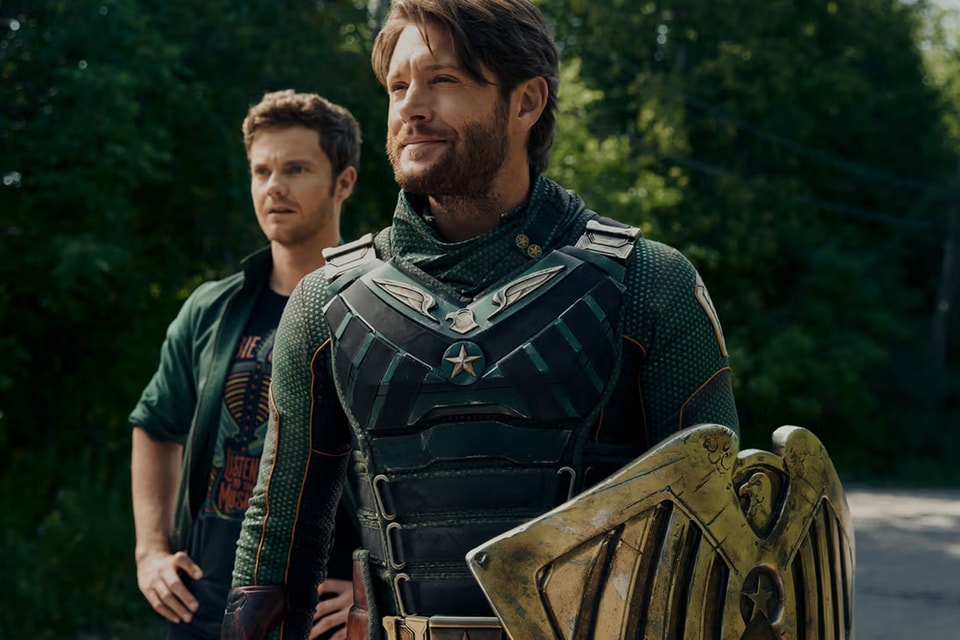
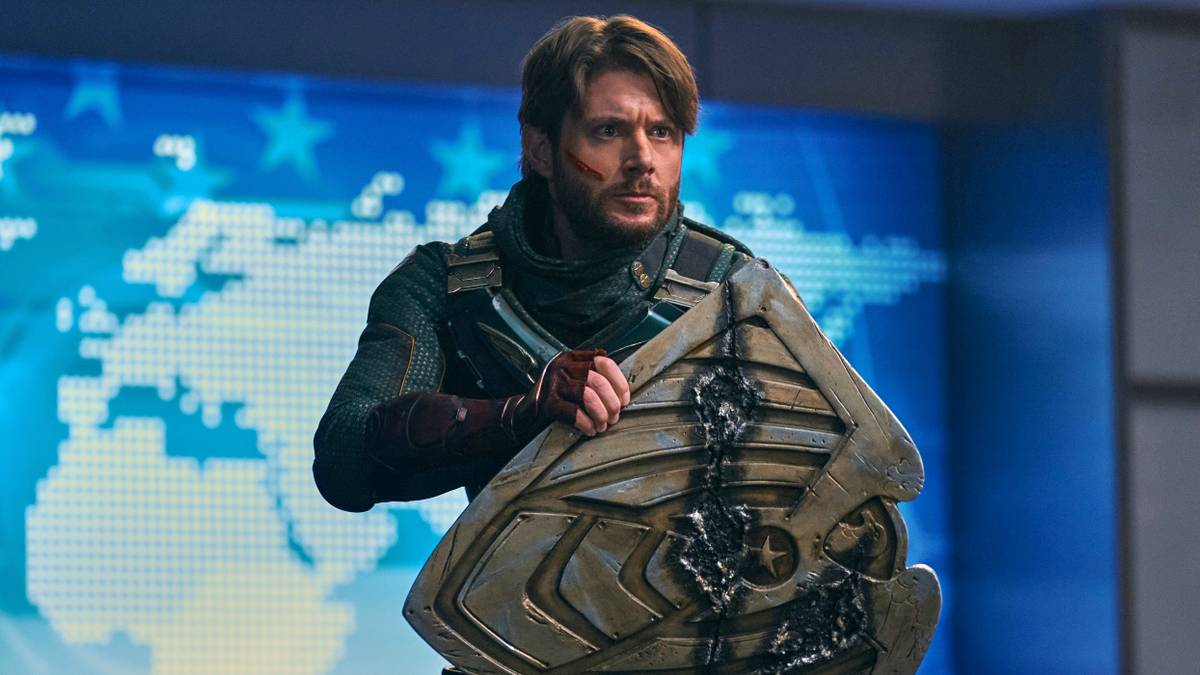
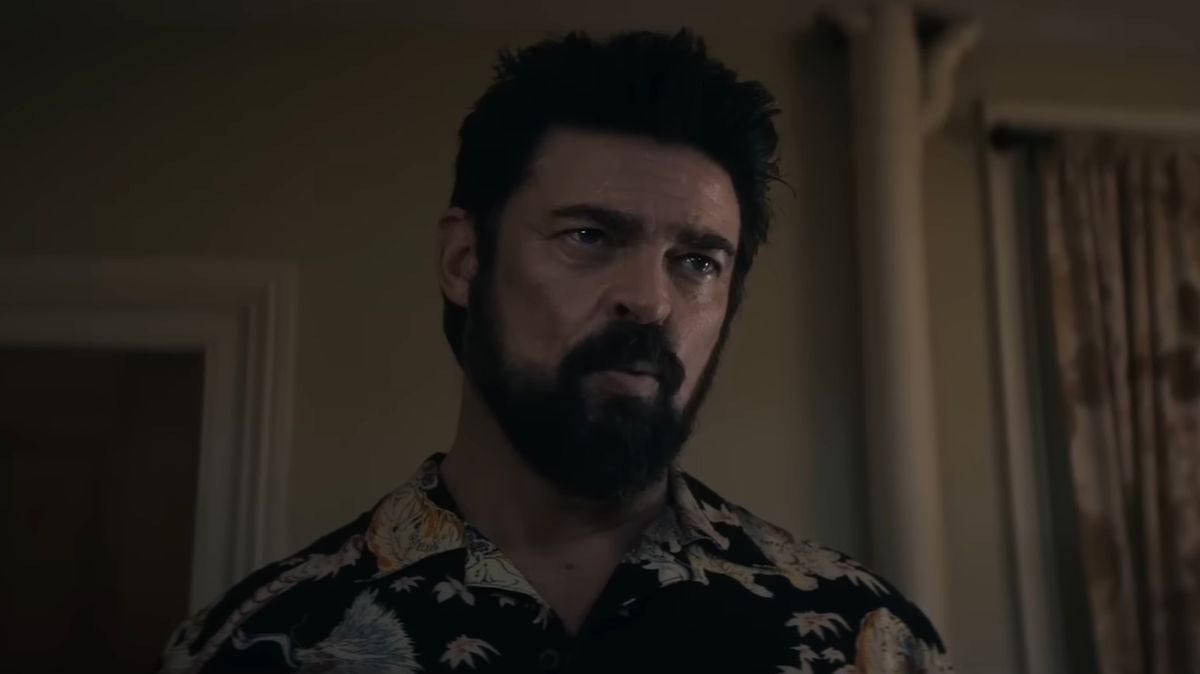
The return of key characters like Jensen Ackles as Soldier Boy and the mysterious inclusion of Jared Padalecki suggest a narrative strategy that goes beyond simple superhero tropes. By bringing back fan-favorite actors and introducing unexpected plot twists, the series maintains its reputation for subverting audience expectations. The two-episode premiere signals a concentrated storytelling approach, indicating that every moment will be densely packed with narrative significance.
Strategically, The Boys has transformed from a satirical superhero show to a complex political allegory that challenges viewers' understanding of power, media, and institutional corruption. The final season promises to synthesize the show's core themes: the dangerous intersection of celebrity, political power, and unchecked corporate influence. By maintaining its unflinching critique of systemic dysfunction, the series cements its legacy as more than entertainment—it's a cultural touchstone that reflects the complexities of contemporary sociopolitical dynamics.
The impending conclusion represents not just the end of a series, but a definitive statement on the role of speculative fiction in understanding our current political landscape. Viewers can expect a finale that is simultaneously a deconstruction of superhero mythology and a razor-sharp commentary on contemporary power structures.
Questions 3
Why is the final season of 'The Boys' considered significant?
The final season represents a culminating critique of political power dynamics, using superhero mythology as a lens to examine contemporary societal issues. Creator Erik Kripke has consistently used the show to mirror real-world political tensions, making the finale a potential landmark in television's approach to political allegory.
What can viewers expect from the Homelander storyline in Season 5?
The trailer suggests a narrative set in an America under Homelander's dictatorship, which continues the show's tradition of exploring how unchecked power corrupts institutions. This storyline is expected to provide a sharp commentary on populist political movements and media manipulation.