




Medical Device & Assistive Tech Boom | Prosthetics Market Surge Driven by Sepsis Awareness
- £22,000+ crowdfunding for advanced prosthetics signals $8-12B global assistive device market opportunity for cross-border sellers in 2025












Overview
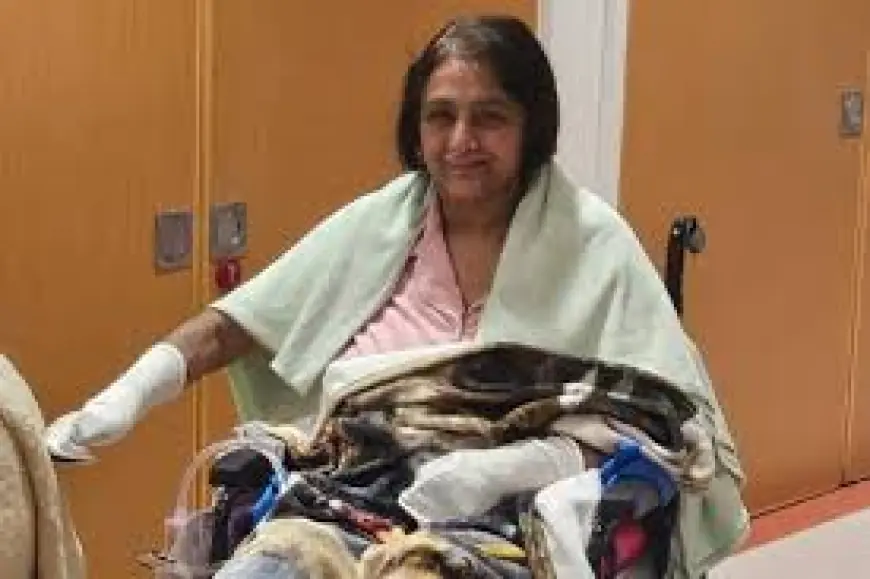
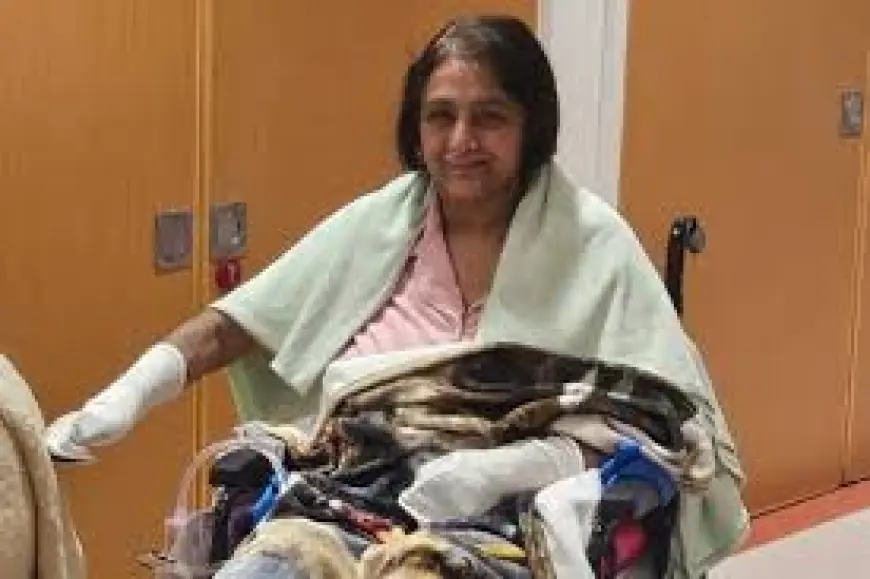
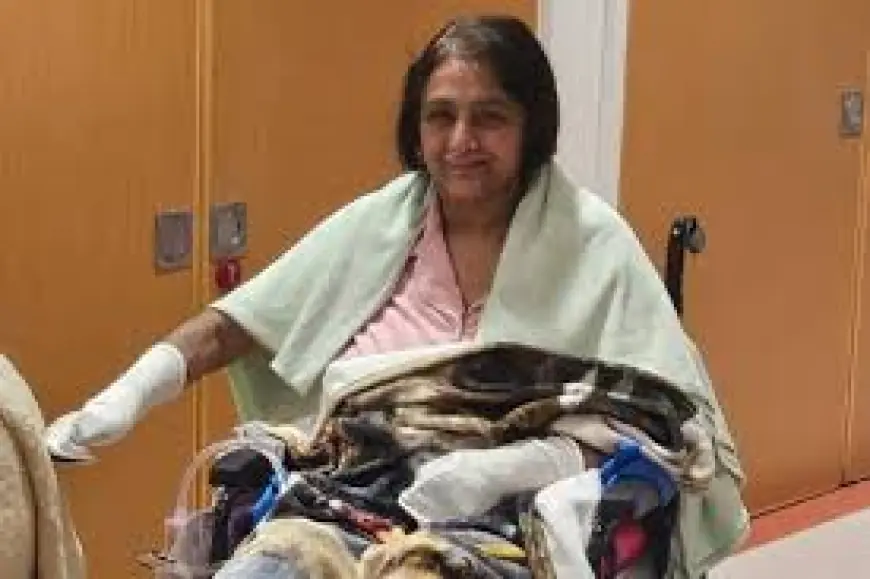
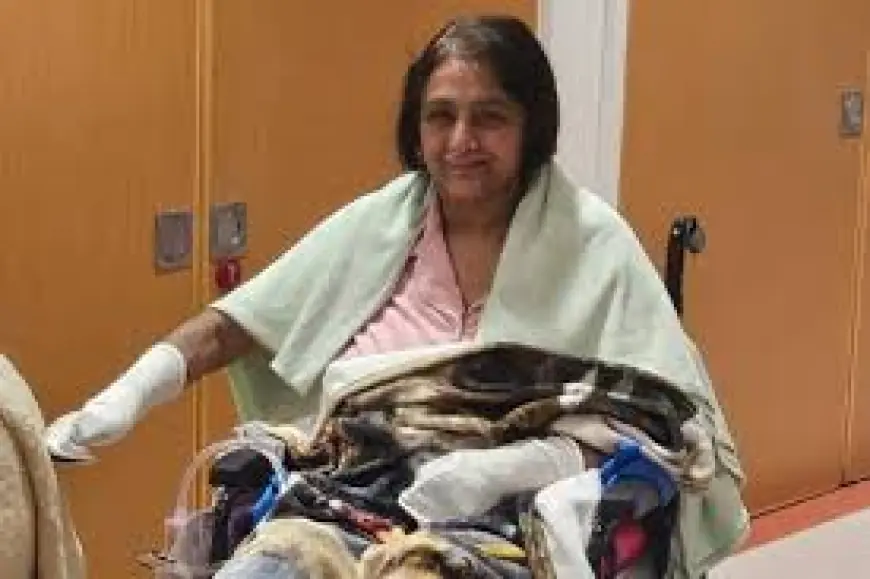
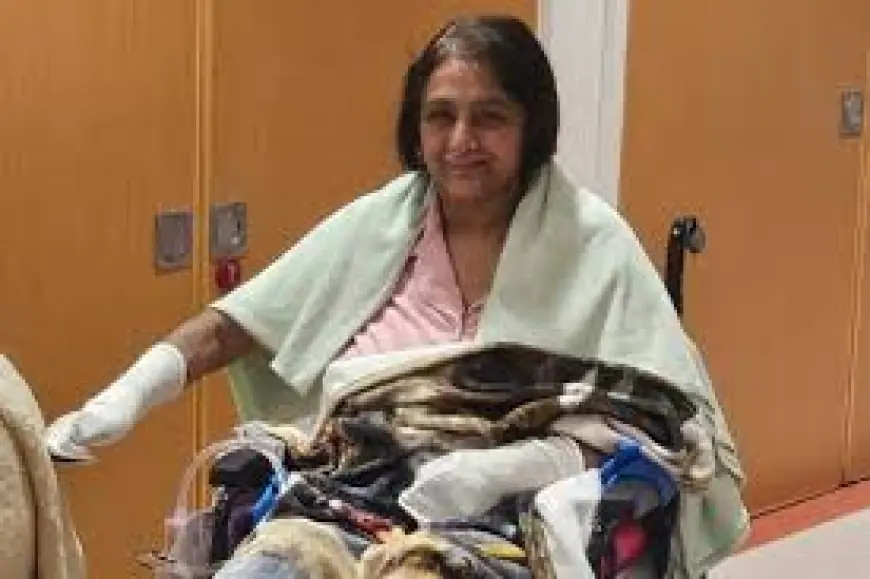
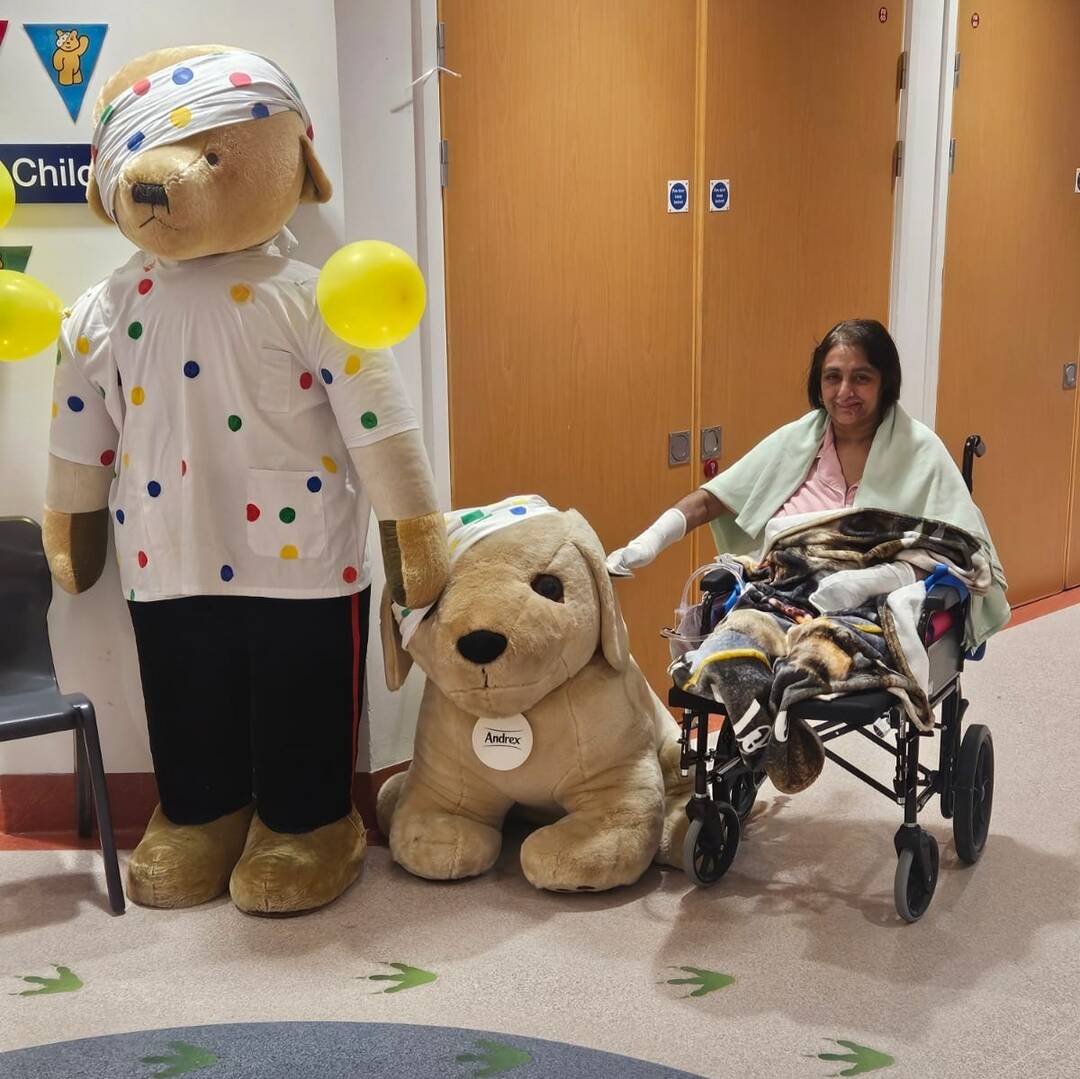
The widely-reported case of Manjit Sangha's sepsis-induced quadruple amputation in July 2025 reveals a critical market opportunity for cross-border e-commerce sellers in the medical devices and assistive technology sectors. The case generated £22,000+ in crowdfunding specifically for advanced prosthetics, including robotic hands costing "tens of thousands of pounds," demonstrating substantial consumer willingness to invest in life-changing medical equipment. This single high-profile case amplifies awareness of sepsis (affecting 11 million people annually worldwide, with 50,000 deaths annually in the UK alone) and drives demand for rehabilitation products, mobility aids, and adaptive living solutions.
Market Opportunity for Sellers: The prosthetics and assistive device market is experiencing accelerated growth driven by aging populations and increased medical awareness. Sangha's 32-week hospitalization and subsequent recovery journey highlight multiple product categories sellers can capitalize on: (1) Medical-grade prosthetics and components - robotic hands, prosthetic limbs, and custom fitting services; (2) Home modification products - grab bars, accessible furniture, mobility ramps, and bathroom safety equipment; (3) Physical therapy equipment - rehabilitation devices, compression garments, and recovery aids; (4) Mental health and wellness products - therapy tools, support group resources, and adaptive lifestyle products. The case emphasizes that Sangha's husband took 7 months unpaid leave to support her recovery, indicating strong demand for caregiver support products and services.
Consumer Behavior Insights: The crowdfunding success (£22,000+ raised through GoFundMe and Screwfix initiatives) reveals that consumers actively seek premium solutions for life-altering medical conditions. This demonstrates: (1) High emotional engagement with recovery narratives; (2) Willingness to pay premium prices for advanced technology (robotic prosthetics); (3) Strong community support networks that drive product discovery through social sharing; (4) Growing acceptance of medical crowdfunding as a purchasing channel. The case also highlights the UK market specifically, where the Sepsis Trust reports 50,000 annual deaths, creating localized demand for sepsis prevention products (wound care, infection prevention supplies) and recovery-focused merchandise.
Operational Implications: Sellers should consider: (1) Niche category expansion - medical device retailers can expand into prosthetics accessories, rehabilitation equipment, and adaptive home goods; (2) Regional targeting - UK and EU markets show heightened sepsis awareness following media coverage; (3) Compliance requirements - medical devices require CE marking (EU) and FDA clearance (US), creating barriers to entry but protecting established sellers; (4) Supply chain partnerships - connecting with hospitals, rehabilitation centers, and patient advocacy groups (like the UK Sepsis Trust) creates B2B opportunities; (5) Content marketing - educational content about sepsis prevention and recovery attracts high-intent buyers searching for solutions.
Questions 8
What product categories are seeing increased demand from sepsis awareness cases?
The Sangha case highlights demand across four major categories: (1) Advanced prosthetics and robotic limbs (costing £10,000-50,000+), (2) Home modification products like grab bars and accessible furniture, (3) Physical therapy and rehabilitation equipment, and (4) Infection prevention supplies. The £22,000 crowdfunding specifically for prosthetics indicates consumers prioritize premium medical devices. Sellers can source these products from manufacturers in Germany, Japan, and the US, then resell through Amazon, eBay, and specialized medical marketplaces. Compliance with CE marking (EU) and FDA clearance (US) is required for medical devices, creating a 6-12 month approval timeline.
How can sellers target the UK medical device market following this high-profile case?
The UK Sepsis Trust reports 50,000 annual sepsis deaths, creating localized demand for prevention and recovery products. Sellers should: (1) Register with the MHRA (Medicines and Healthcare products Regulatory Agency) for medical device compliance, (2) Partner with UK hospitals and rehabilitation centers for B2B sales, (3) Create educational content about sepsis prevention to rank in search results, (4) Target caregiver audiences (like Sangha's husband who took 7 months unpaid leave) with support products. The case demonstrates strong community engagement through Screwfix fundraising, suggesting partnerships with major retailers can amplify reach. Expect 15-25% margin compression due to regulatory compliance costs.