



Russia's Economic Crisis 2025 | Cross-Border Sellers Face Supply Chain Disruption
- Russian market collapse eliminates $50B+ consumer spending; sanctions redirect supply chains away from Russia; sellers must pivot sourcing strategies by Q2 2025
)









Overview
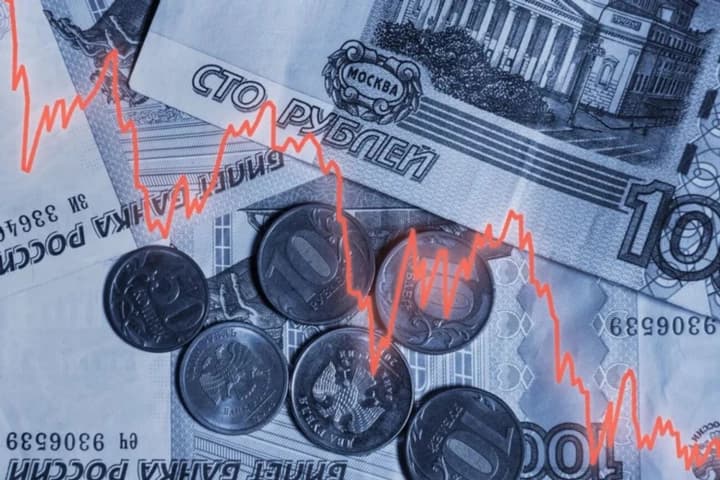
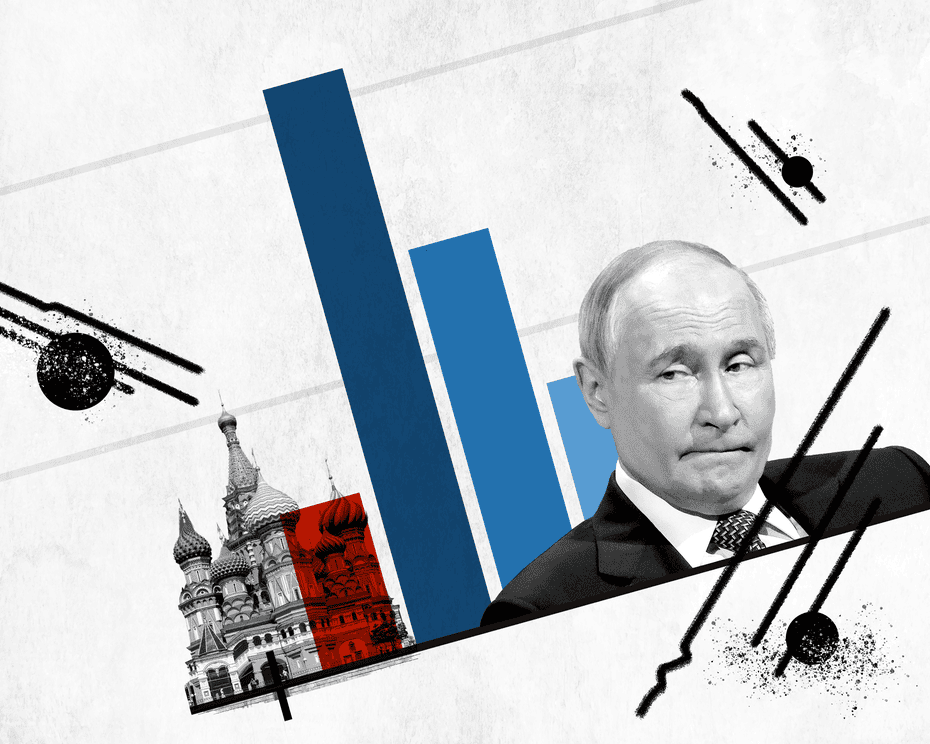
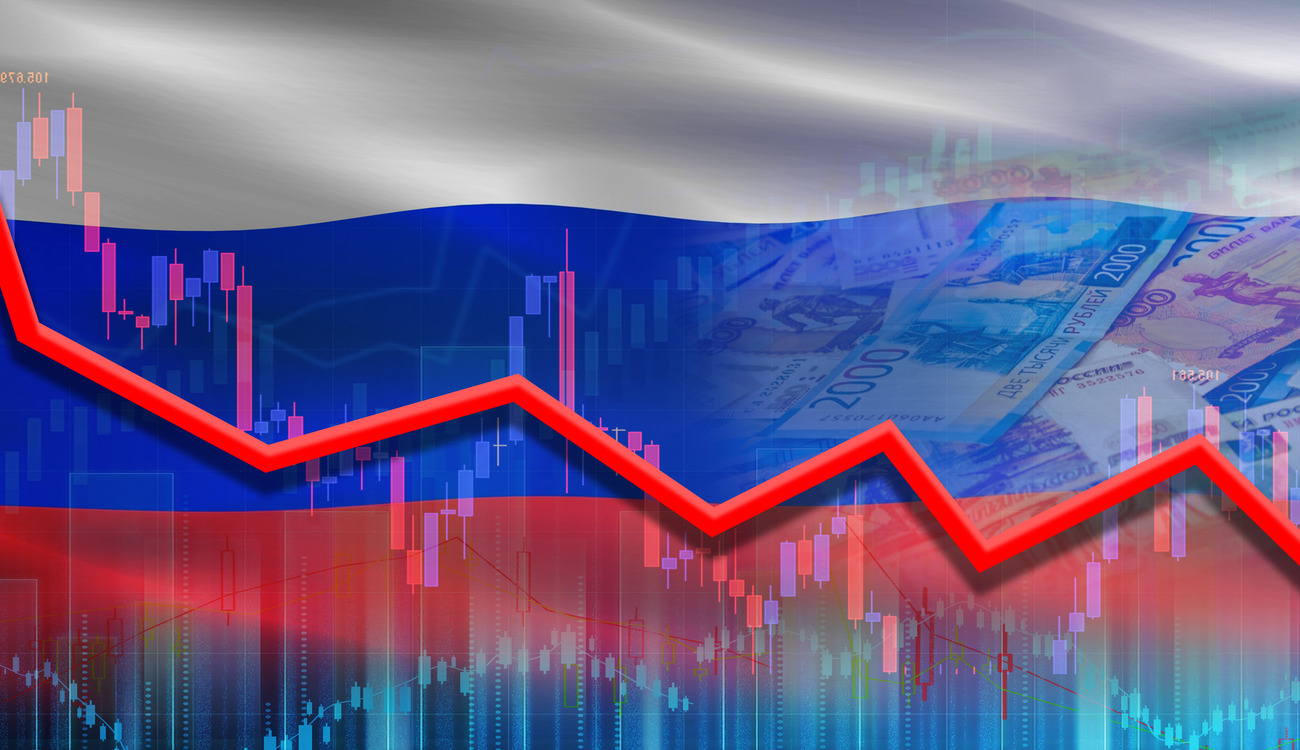
Russia's economy is entering structural collapse with profound implications for cross-border sellers and global supply chains. The Russian government faces a financial crisis by summer 2025, with oil revenues crashed 50% year-over-year in January, National Wealth Fund reserves depleted from $130B to $50B, and GDP stagnating at 0.6% despite full-capacity operations. The Center for Strategic and International Studies estimates 1.2 million Russian military casualties, creating a generational labor deficit that will cripple Russia's workforce for decades. This economic implosion directly impacts cross-border sellers in three critical ways.
First, the Russian consumer market is effectively closed. With interest payments on government debt now exceeding combined education and healthcare spending, Russian consumer purchasing power has collapsed. Moscow business executives report restaurant closures and mass worker layoffs amid spiraling inflation. For sellers who previously targeted Russian buyers through Amazon, eBay, or Shopify, this represents the elimination of a $50B+ annual consumer market. Sellers with inventory positioned for Russian distribution must immediately pivot to alternative markets—Eastern European markets like Poland, Czech Republic, and Hungary now offer better growth prospects as NATO expansion strengthens Western European integration.
Second, Russian manufacturing and sourcing capacity is permanently degraded. Russia's $250 billion annual military expenditure is cannibalizing civilian infrastructure, forcing increased domestic taxes and reduced civilian spending. The government has implemented VAT rate increases in January 2025 and is pursuing desperate revenue measures including legalizing online casinos and selling state assets at 50% discounts (Domodedovo airport sale at $860M). Financial repression through forced government bond purchases by domestic banks is stifling competition and encouraging cronyism—the opposite environment for reliable supply chain partnerships. Sellers who sourced components, raw materials, or finished goods from Russian suppliers must immediately diversify sourcing to Vietnam, India, or Mexico by Q2 2025 to avoid supply disruptions.
Third, tariff arbitrage opportunities are shifting dramatically. Western sanctions have cut Russia off from global bond markets and created trade restrictions forcing Russia to rely on depleted reserves. India's oil purchases from Russia are declining, and trade discounts are increasing—signaling Russia's desperation to maintain any trade relationships. For sellers, this means: (1) Russian re-export channels are collapsing, eliminating gray-market arbitrage opportunities; (2) alternative sourcing corridors through India and Central Asia are becoming more competitive as Russian suppliers lose market access; (3) compliance complexity for any Russia-related trade has increased exponentially, making Russia a high-risk market to avoid entirely through 2026.
Questions 8
How does Russia's military spending affect manufacturing capacity for sellers?
Russia's $250B annual military expenditure is permanently degrading civilian manufacturing. The government prioritizes wartime production over civilian goods, forcing increased domestic taxes and reduced civilian spending. Russia's 1.2 million military casualties (exceeding all post-WWII conflicts combined) have created a generational labor deficit—manufacturing capacity will remain constrained through 2030+. For sellers sourcing from Russia, this means: (1) production delays and quality degradation as skilled workers are conscripted; (2) rising input costs as military procurement bids up raw materials; (3) unreliable delivery schedules as logistics prioritize military transport. Sellers should complete supplier transitions to Vietnam, India, or Mexico by June 2025 to avoid supply chain failures.
What is the timeline for Russia's financial crisis and its impact on sellers?
Russian officials warned Putin that a financial crisis could occur by summer 2025 (June-August 2025). The National Wealth Fund is depleted to $50B, budget deficits are widening, and Reuters reported the public deficit could balloon to nearly triple the official target by end-2026. A banking crisis and nonpayments crisis are possible according to anonymous Russian officials. For sellers, this means: (1) immediate action required by March 2025 to exit Russian supplier relationships; (2) inventory positioned for Russian markets should be liquidated or redirected by April 2025; (3) payment processing through Russian banks should be eliminated by May 2025. The window for orderly transition closes by June 2025 when financial system stress becomes acute.