




Digital Art's Global Renaissance: How Art Basel Rewrites the Market Playbook
- Emerging platforms and hybrid sales models redefine contemporary art's economic landscape







Overview
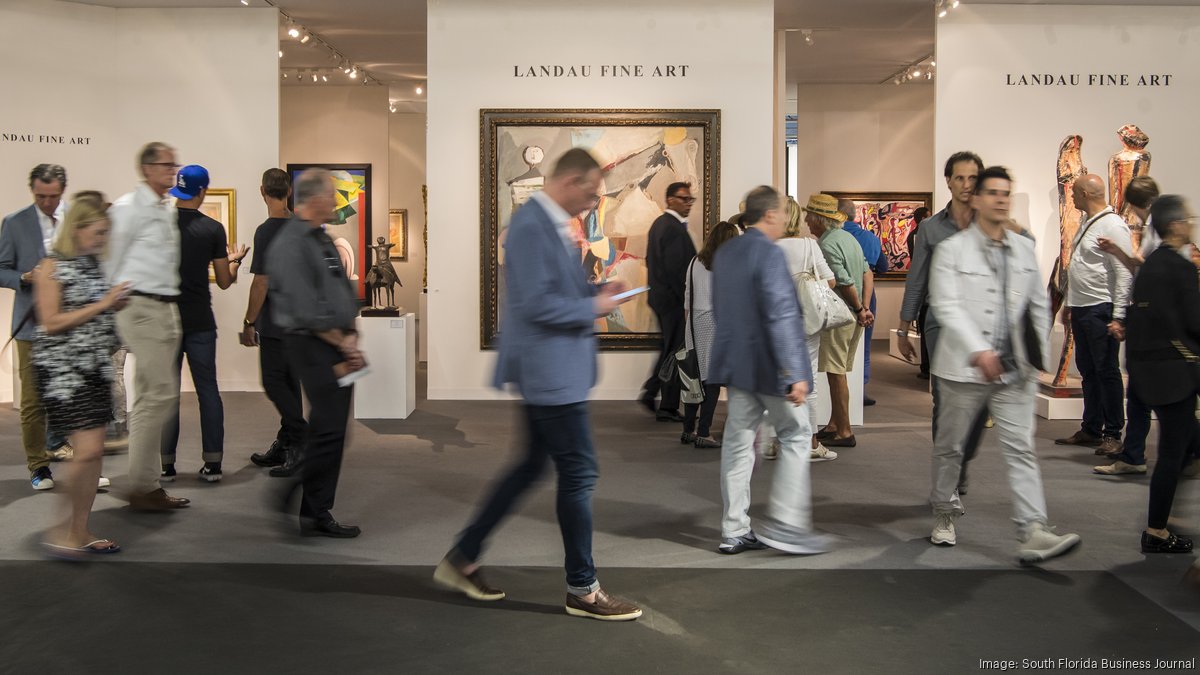
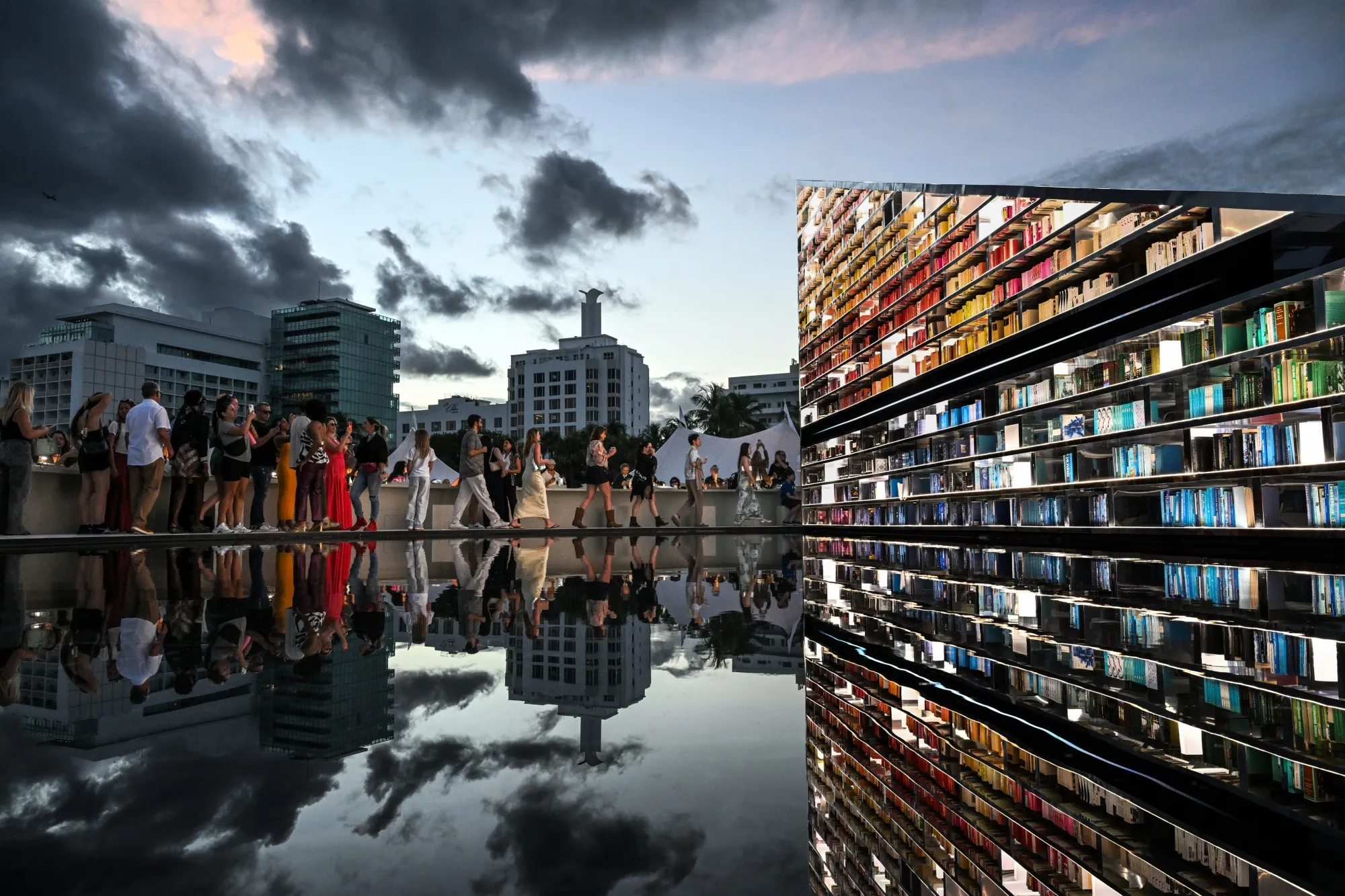
The contemporary art world is experiencing a profound transformation, with Art Basel emerging as the critical nexus where traditional and digital art markets converge. Art critic Jason Farago's comprehensive journey across four global editions in 2025 reveals a marketplace undergoing radical restructuring, characterized by cultural re-regionalization and technological disruption.
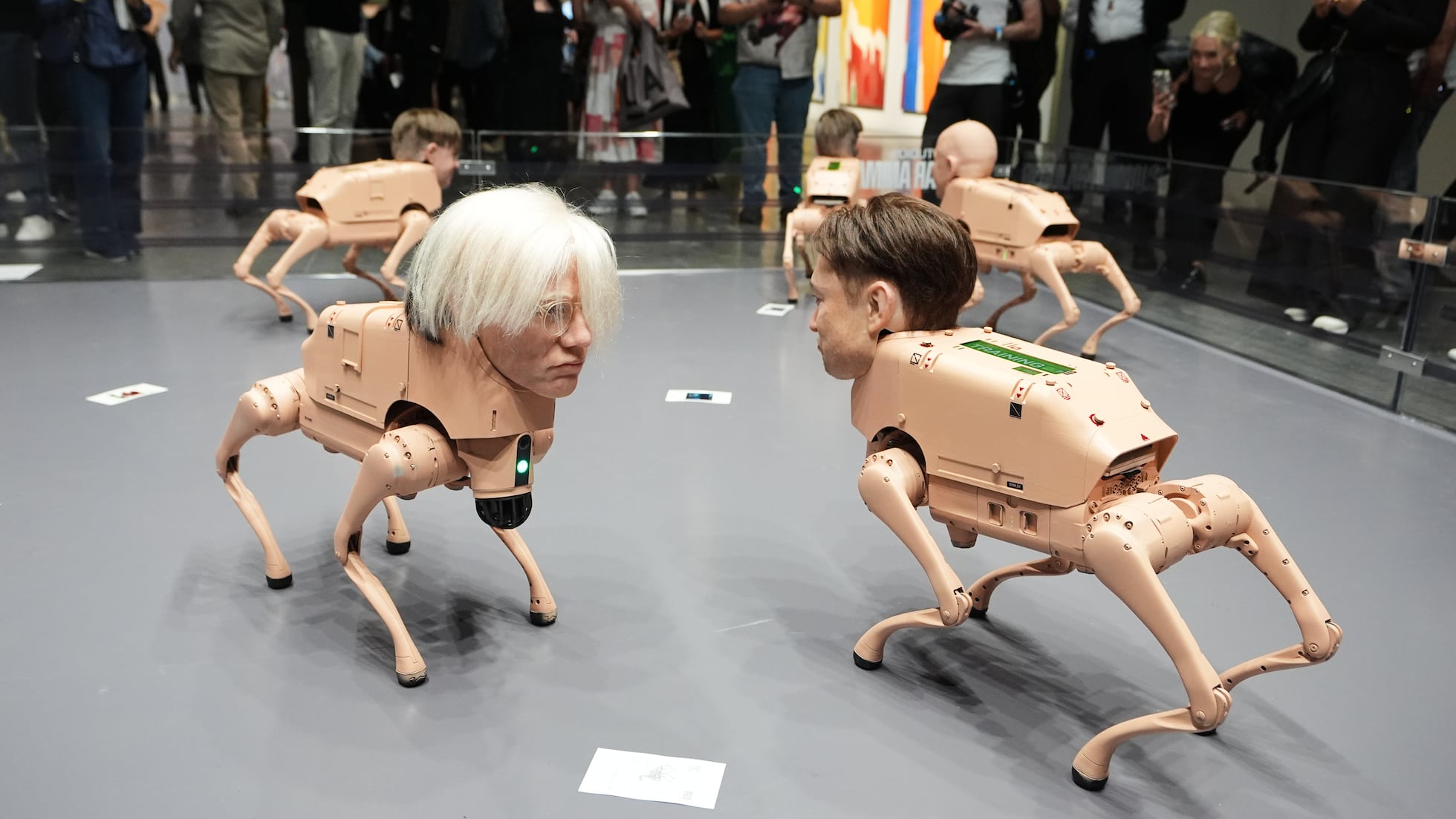
Digital art platforms are rapidly reshaping the economic dynamics of art sales. The emergence of innovative marketplaces like Zero 10 and Beeple Studios demonstrates a seismic shift from traditional gallery models. At Art Basel Miami Beach, digital artworks priced between $25,000 and $145,000 sold with unprecedented velocity, signaling investors' growing comfort with digital mediums. The event showcased Mike Beeple Winkelmann's provocative 'Regular Animals' series—robotic installations featuring tech moguls' heads—which sold quickly at $100,000 each, symbolizing the blurring lines between technological innovation and artistic expression.
The market's evolution is not just about medium, but about fundamental economic restructuring. Major galleries like David Zwirner are leading significant transactions, with blue-chip artworks commanding seven-figure sums—a Gerhard Richter abstract painting sold for $5.5 million, while an Alice Neel portrait fetched $3.3 million. Institutional buyers, including the Toledo Museum of Art, are actively participating, lending credibility to emerging art segments. Cryptocurrency transactions and NFT distributions further underscore the market's digital transformation.
Critically, this isn't merely a luxury market phenomenon. Critics like Annie Armstrong emphasize that these fairs represent a complex ecosystem beyond traditional perceptions of art commerce. The cultural re-regionalization trend suggests a more distributed, globally interconnected art market where geographical boundaries become increasingly fluid.
The implications are profound: artists, collectors, and platforms must now navigate a hybrid landscape that seamlessly integrates physical and digital experiences. The art market is no longer about selling objects, but about creating dynamic, technologically mediated cultural experiences that transcend traditional boundaries.
Questions 3
What makes Art Basel a critical platform for understanding art market trends?
Art Basel provides a comprehensive global perspective by hosting events across four international locations (Hong Kong, Basel, Paris, Miami Beach), showcasing over 1,000 art booths. Its ability to attract diverse artworks—from million-dollar masterpieces to emerging artists' works—makes it a unique barometer for market dynamics and cultural shifts.
Are traditional art forms being replaced by digital art?
Not replaced, but integrated. Art Basel demonstrates a hybrid model where traditional blue-chip artworks (like Gerhard Richter's paintings selling for $5.5 million) coexist with digital innovations. The market is expanding to include multiple mediums, reflecting a more complex, technologically mediated art ecosystem.