




Replay Review Drama Highlights NFL's Razor-Thin Touchdown Margins
- Controversial call exposes the critical precision required in modern professional football officiating







































Overview
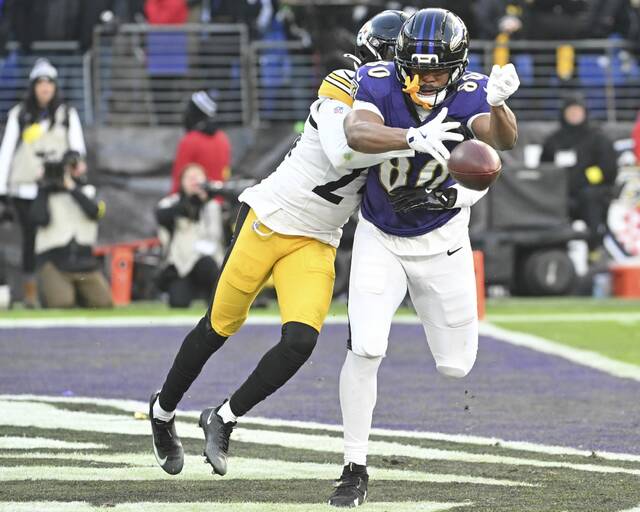
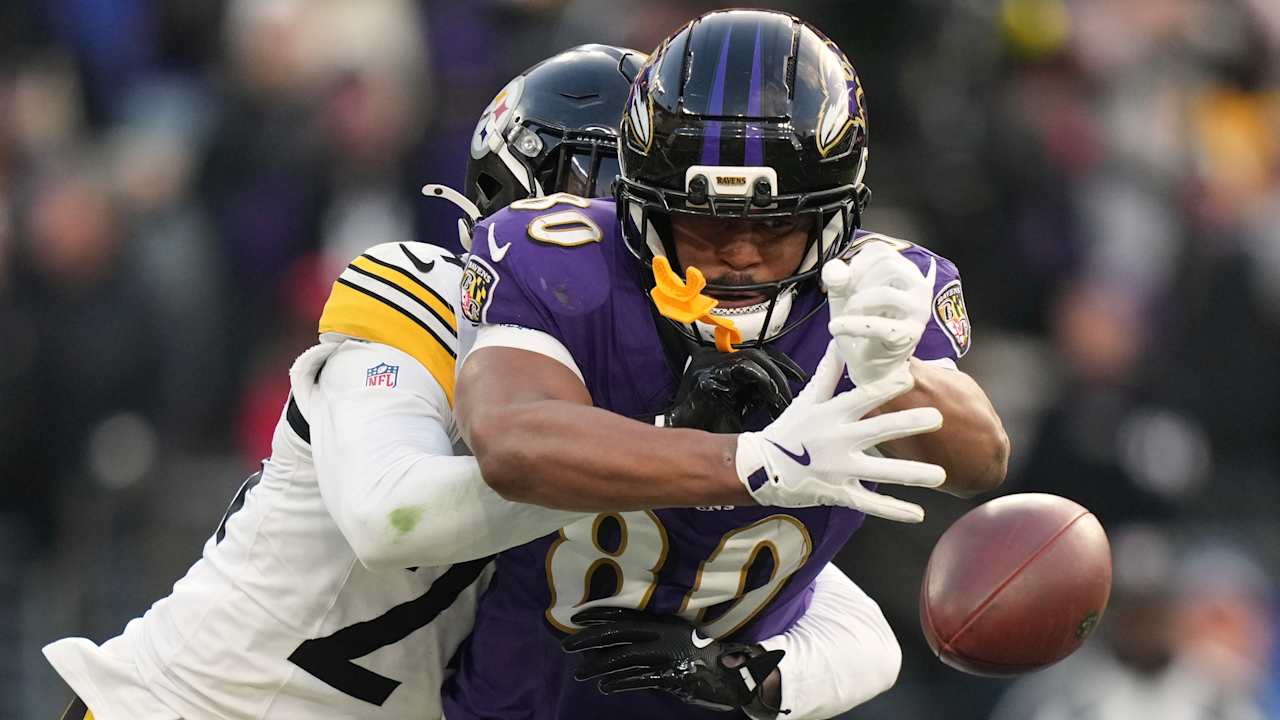
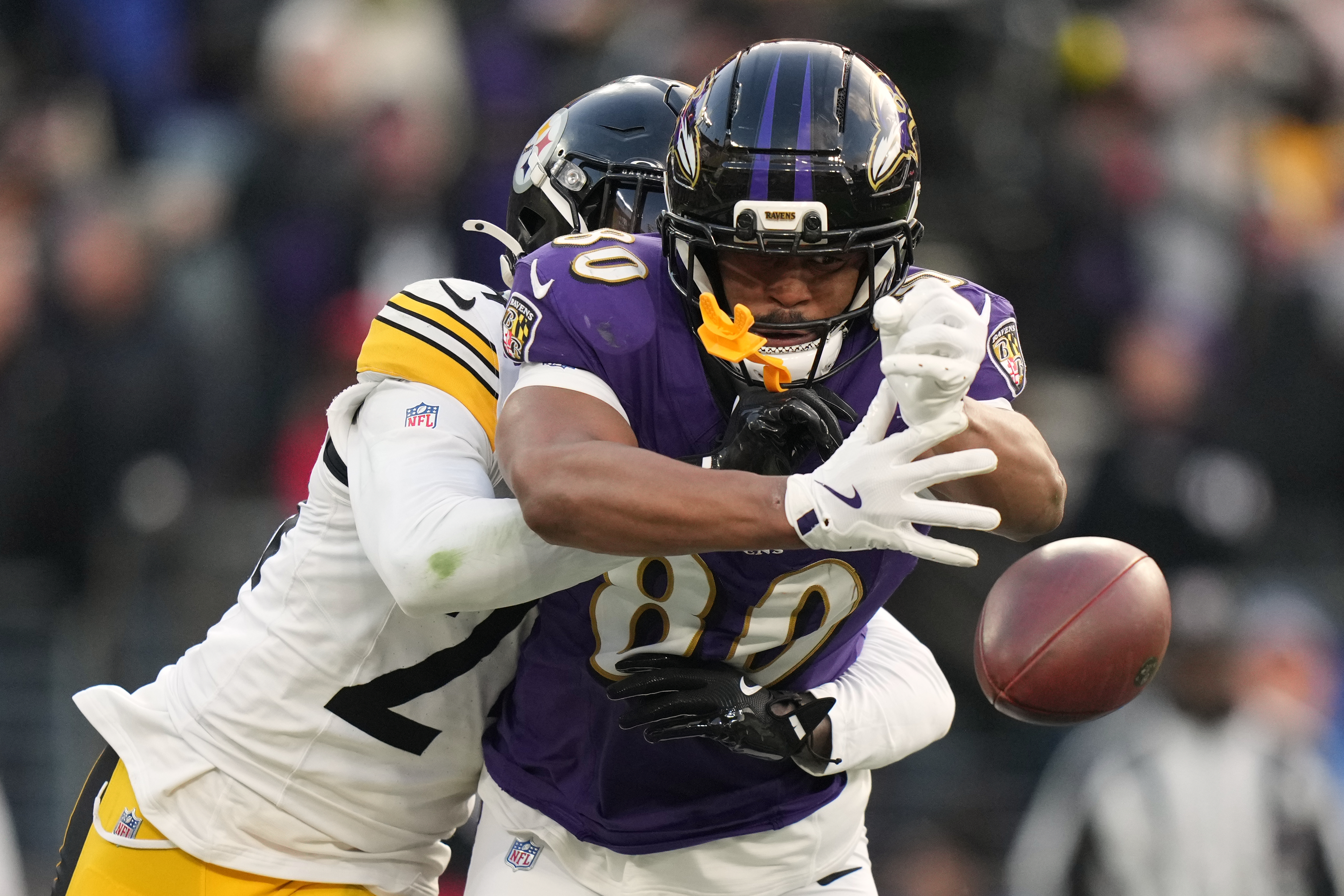
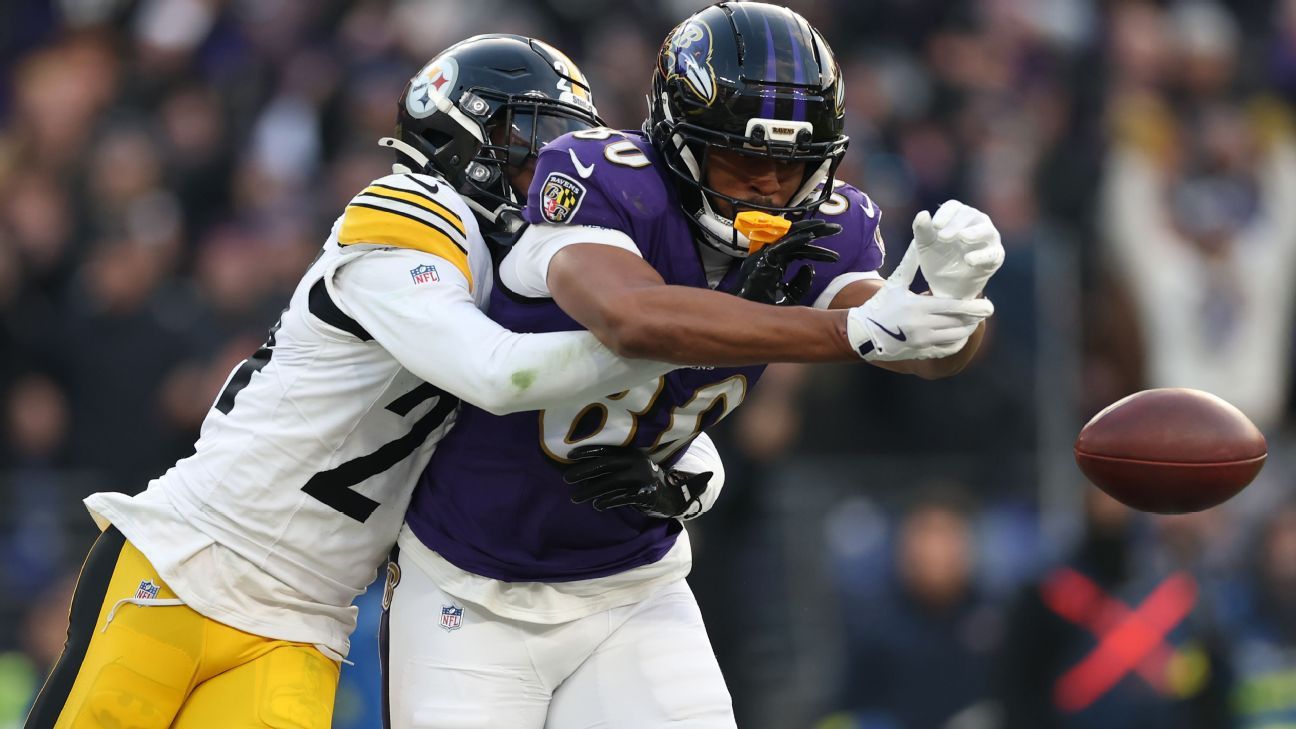
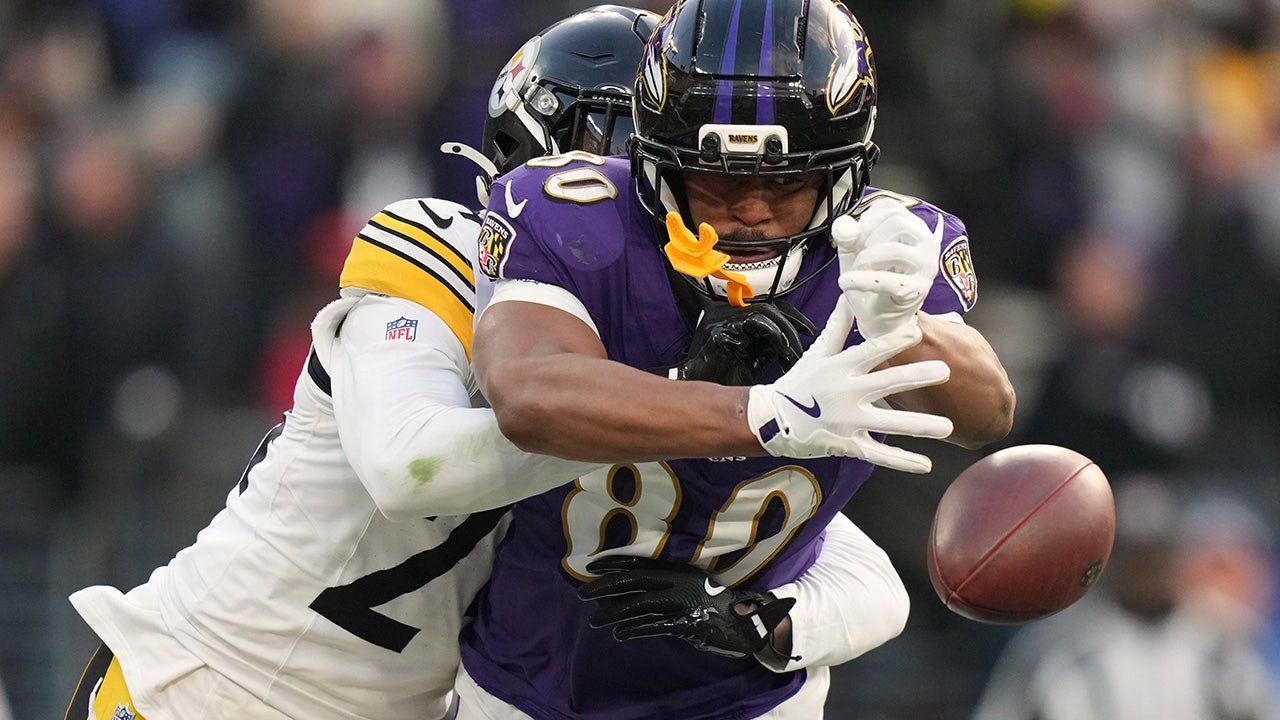
The NFL officiating landscape continues to be defined by microscopic moments of athletic precision, as dramatically illustrated by the recent Ravens-Steelers game's controversial touchdown review. In a pivotal play, tight end Isaiah Likely found himself at the center of a razor-thin replay decision that hinged on the most minute of technical details—specifically, failing to establish a third foot inbounds during a potential scoring catch.
Referee decision-making in the NFL has increasingly become a high-stakes performance of technological scrutiny and split-second judgment. The overturned touchdown represents more than just a single play; it symbolizes the evolving nature of professional football officiating, where millimeters can separate scoring glory from complete nullification. The replay review system continues to be both a technological marvel and a source of intense fan and player frustration, demonstrating how advanced video analysis has transformed game outcomes.
This incident underscores a broader trend in professional sports: the growing intersection of athletic performance and technological precision. For players like Likely, the margin of error has shrunk dramatically. A single missed step, a fraction of a second out of bounds, can transform a potential game-changing play into a nullified attempt. The NFL's replay protocols reveal a complex ecosystem where human athletic achievement is constantly measured against increasingly sophisticated technological standards.
The controversy also highlights the immense pressure placed on officials to make instantaneous, technically precise decisions in real-time. Each review becomes a moment of intense scrutiny, where the naked eye gives way to frame-by-frame video analysis. This trend suggests a future of sports officiating that is increasingly data-driven, where human judgment is continuously calibrated against technological precision.
Questions 3
What specific technical detail caused Isaiah Likely's touchdown to be overturned?
Likely failed to establish a third foot inbounds in the end zone during his catch, which is a critical requirement for a valid touchdown according to NFL replay review standards. The replay officials determined that he did not complete the full three-foot placement necessary to confirm the scoring play.
How are NFL replay reviews changing the nature of officiating?
NFL replay reviews are increasingly relying on frame-by-frame video analysis, transforming officiating from subjective human judgment to a more technological, precision-driven process. This means that microscopic details like foot placement can now definitively determine the outcome of critical plays.